EL ALTO, Bolivia (AP) — Guinea pigs, known as cuy in the Andes region, enjoyed a day in their honor Friday in Bolivia with races and beauty and weight contests organized by students promoting the rodent’s nutritional and economic value to Bolivian households.
Domesticated thousands of years ago in the Bolivian Andes, the cuy was considered sacred by ancient cultures and was used in ceremonies and as a food source. But raising them has nearly disappeared in recent decades as other meats have gained favor.
Click to Gallery
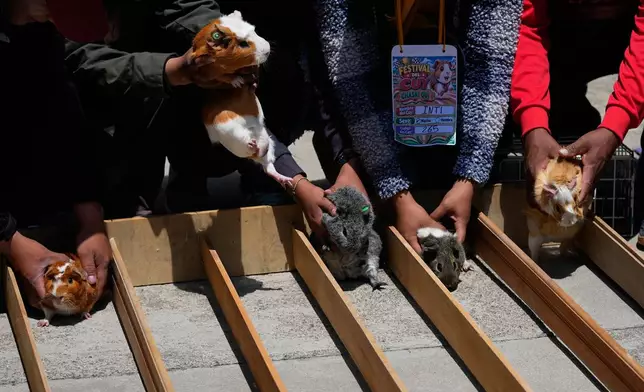
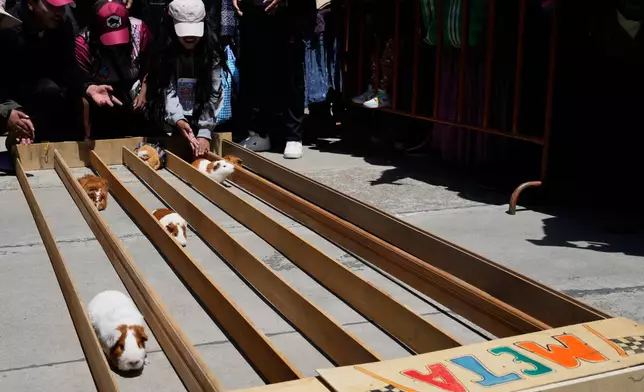
Competitors prepare to race their guinea pigs during a guinea pig festival organized by university students in El Alto, Bolivia, Friday, Nov. 20, 2026. (AP Photo/Juan Karita)
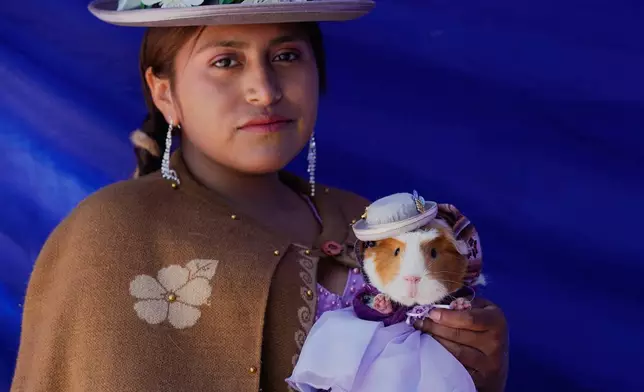
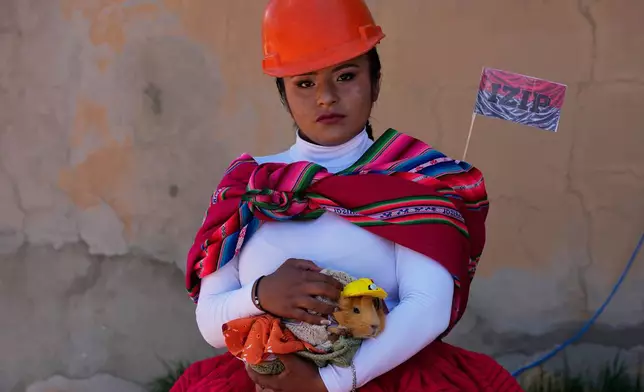
Bianca Rodriguez poses for a portrait holding her guinea pig dressed as a chola to compete in the best costume contest at a guinea pig festival organized by university students in El Alto, Bolivia, Friday, Nov. 20, 2026. (AP Photo/Juan Karita)
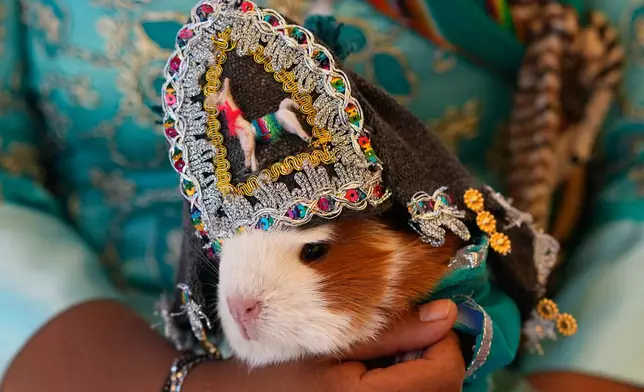
A woman holds her guinea pig dressed to compete in a costume contest at a guinea pig festival organized by university students in El Alto, Bolivia, Friday, Nov. 20, 2026. (AP Photo/Juan Karita)
Competitors race their guinea pigs during a guinea pig festival organized by university students in El Alto, Bolivia, Friday, Nov. 20, 2026. (AP Photo/Juan Karita)
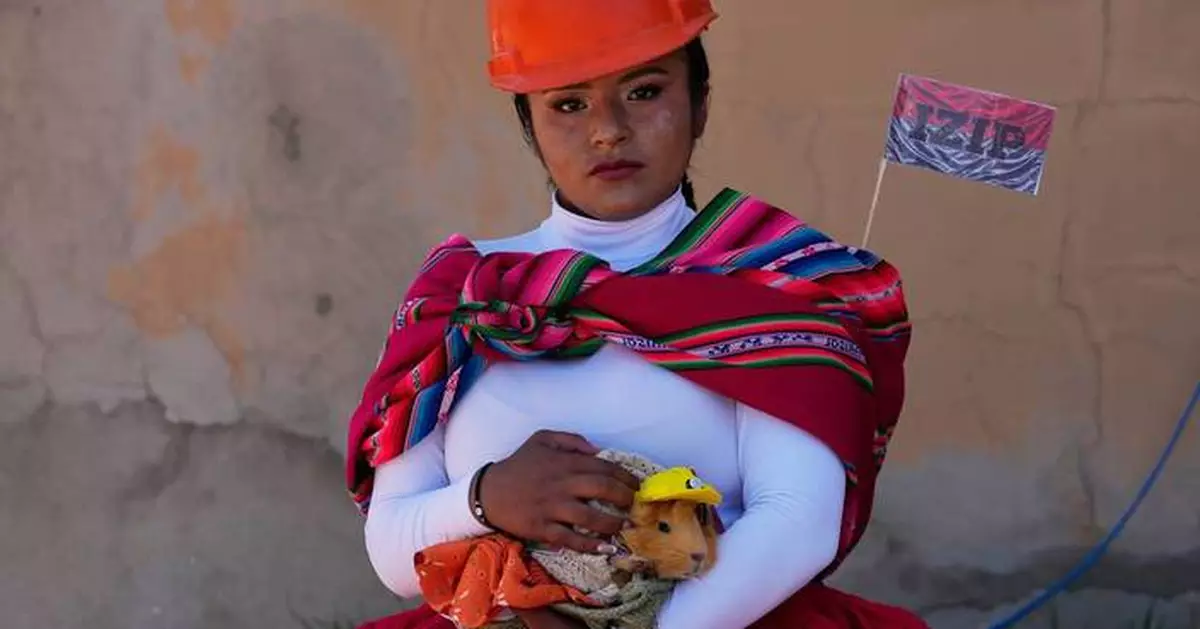
Marisol Callisaya poses for a portrait holding her guinea pig dressed as a miner to compete in the best costume contest at a guinea pig festival organized by university students in El Alto, Bolivia, Friday, Nov. 20, 2026. (AP Photo/Juan Karita)
Students in the animal science and livestock program at the Public University of El Alto, a city neighboring La Paz, organized a race to reward the fastest cuy, a weigh-in to identify the heaviest and a runway show to crown the most stylish. The event brought together students and local farmers in the city, which sits at an elevation of 3,800 meters (12,500 feet).
“Our ancestors raised guinea pigs for centuries for food and rituals in the Andes,” said César Quispe, an instructor in the animal science program. “Their meat has high nutritional value and a low fat content.”
A cuy weighing 2.5 kilograms (5.5 pounds) from El Alto’s Kallutaca farm took the prize for the heaviest, while another from a different farm finished first in the speed race.
A food court offered a wide variety of traditional dishes, including roasted and baked cuys, cuys on skewers, and burgers and sausages made from the rodent’s meat.
Quispe said the decline of the cuy began during the colonial era, and today per capita consumption in Bolivia is low.
“That is why these festivals seek to encourage consumption and breeding, because it is also a promising source of income,” he said.
For ancient cultures, cuy meat was served at communal celebrations and offered as a symbol of hospitality. Indigenous people still use it in traditional medicine to cleanse the body or detect ailments and energy imbalances.
It was also used in offerings to Pachamama, or Mother Earth, according to Quispe.
Follow AP’s coverage of Latin America and the Caribbean at https://apnews.com/hub/latin-america
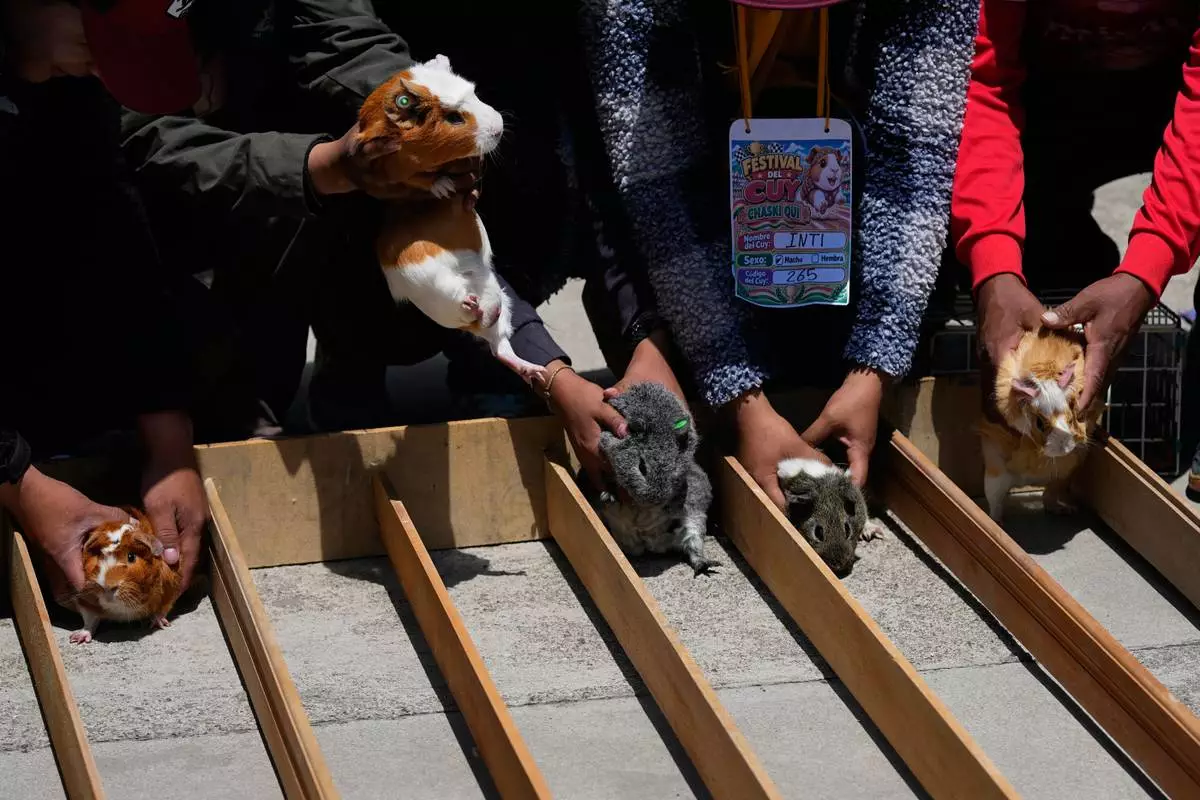
Competitors prepare to race their guinea pigs during a guinea pig festival organized by university students in El Alto, Bolivia, Friday, Nov. 20, 2026. (AP Photo/Juan Karita)
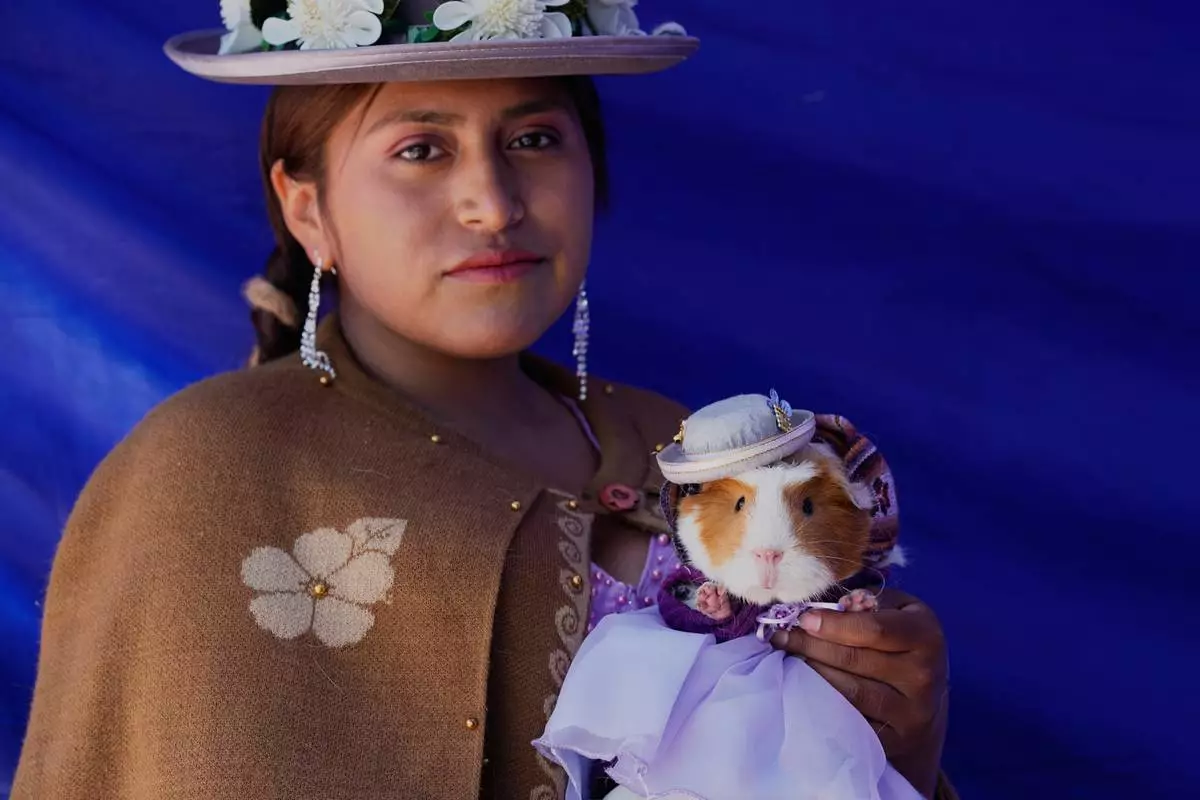
Bianca Rodriguez poses for a portrait holding her guinea pig dressed as a chola to compete in the best costume contest at a guinea pig festival organized by university students in El Alto, Bolivia, Friday, Nov. 20, 2026. (AP Photo/Juan Karita)
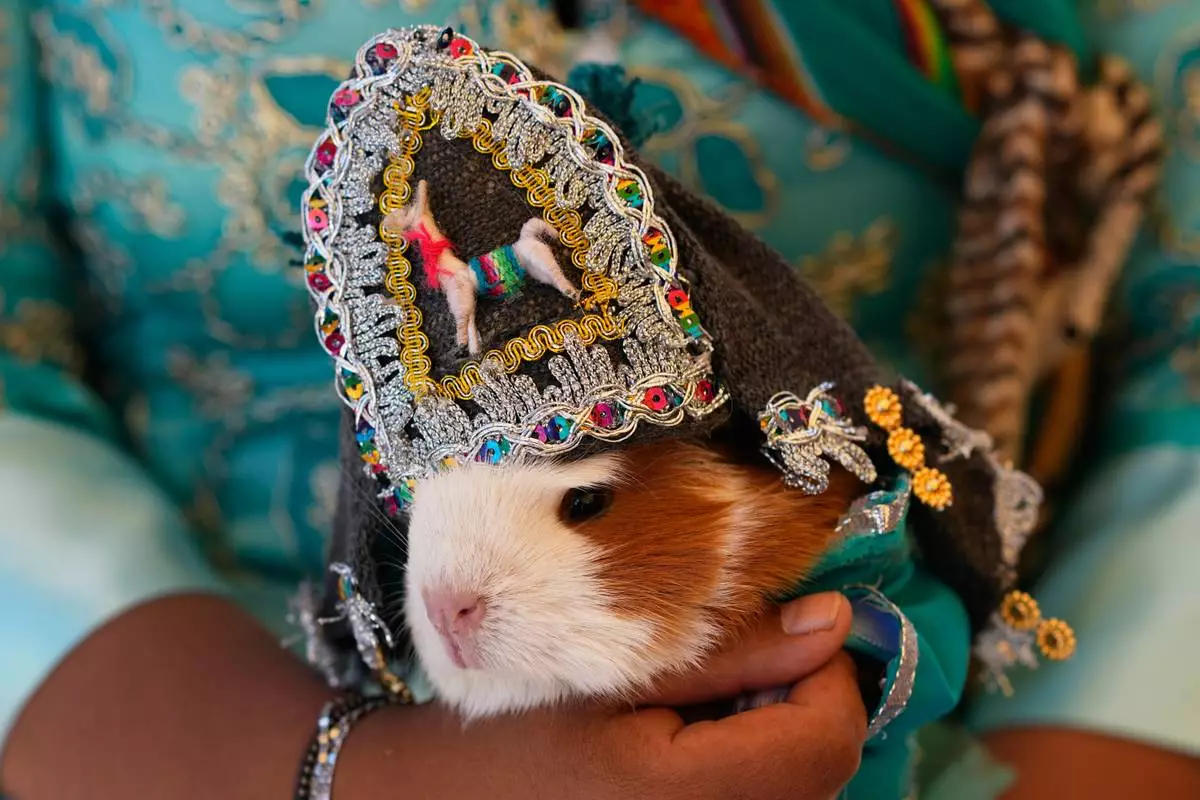
A woman holds her guinea pig dressed to compete in a costume contest at a guinea pig festival organized by university students in El Alto, Bolivia, Friday, Nov. 20, 2026. (AP Photo/Juan Karita)
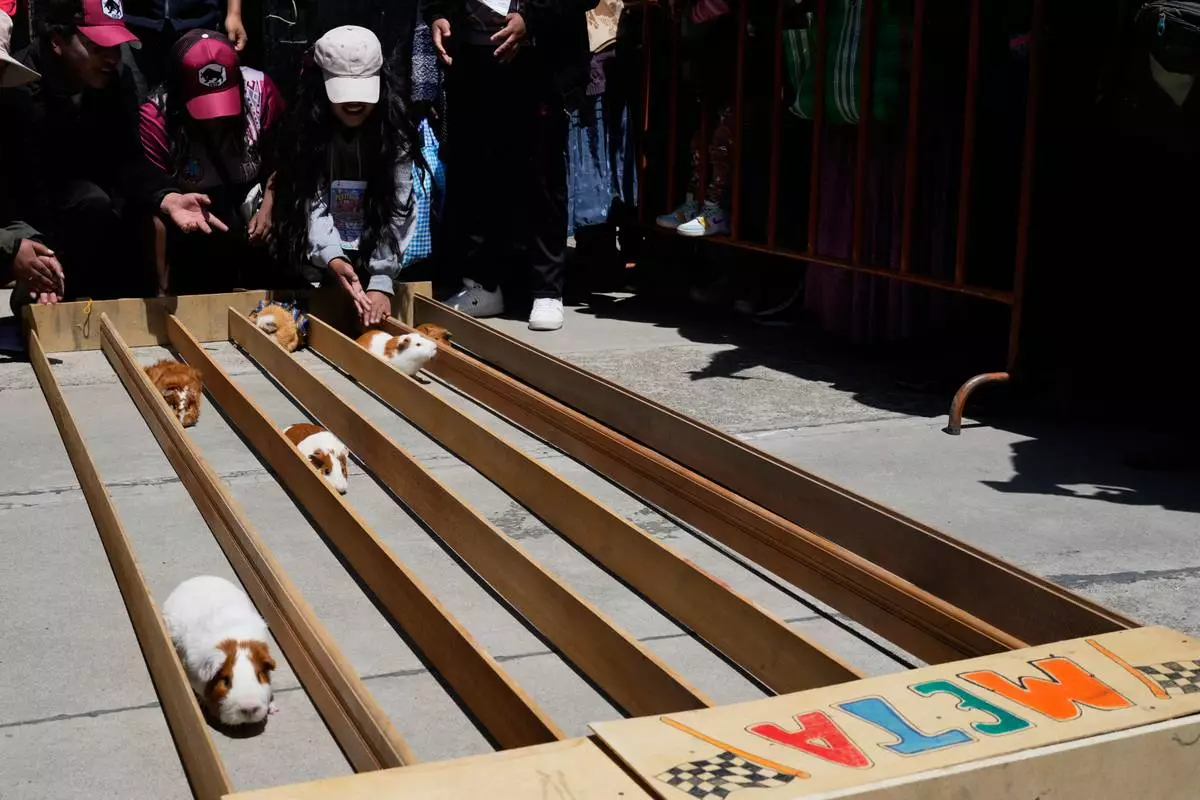
Competitors race their guinea pigs during a guinea pig festival organized by university students in El Alto, Bolivia, Friday, Nov. 20, 2026. (AP Photo/Juan Karita)
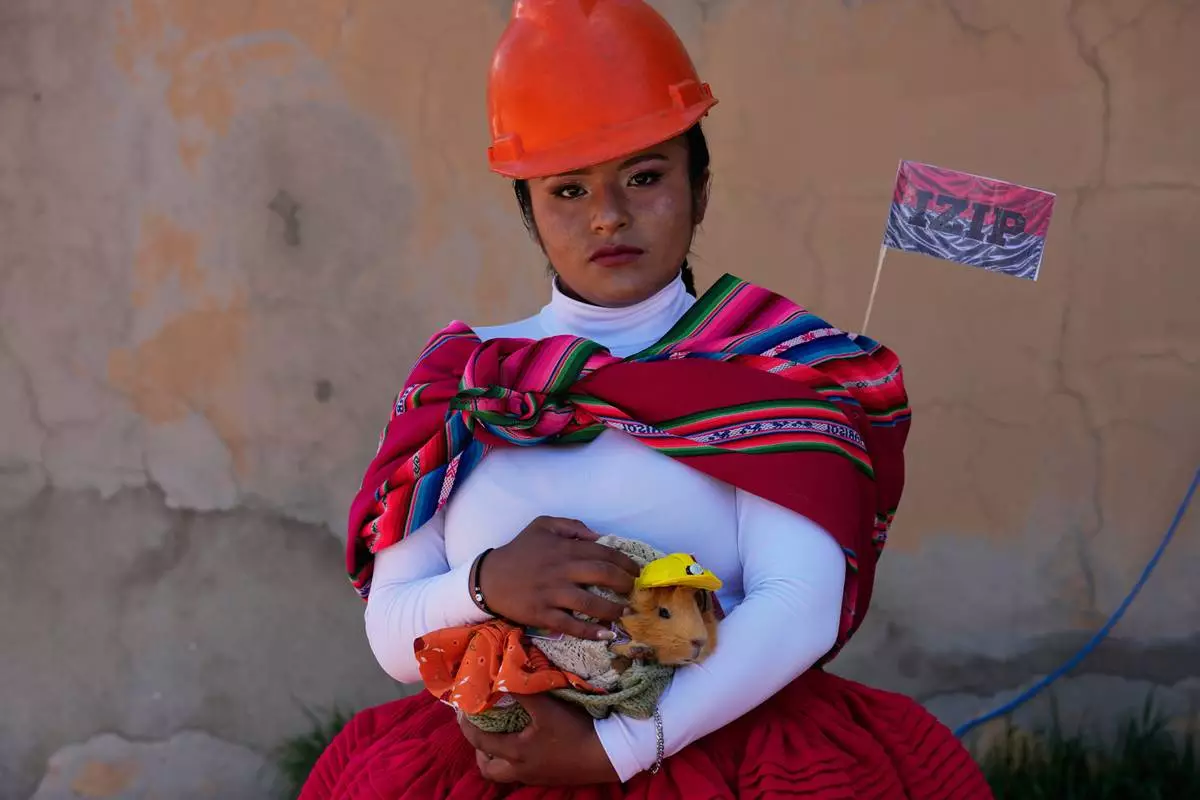
Marisol Callisaya poses for a portrait holding her guinea pig dressed as a miner to compete in the best costume contest at a guinea pig festival organized by university students in El Alto, Bolivia, Friday, Nov. 20, 2026. (AP Photo/Juan Karita)
SEATTLE (AP) — The Washington state pulp mill where a chemical tank ruptured in May, killing 11, had an extensive track record of egregious and willful safety violations, including failure to inspect or repair more than a dozen other tanks at the facility, state investigators said Friday.
Nippon Dynawave Packaging Co. faces more than $10 million in state fines, including the largest employer safety fine in state history, and investigators plan to refer their findings to prosecutors for possible criminal charges.
The state investigation found that Nippon had multiple ultrasonic tests going back to 2025 that showed the tank was not safe to hold chemicals but failed to fix it or take it out of service, Dan Pitts, state Labor and Industries compliance manager, said during a press conference in Longview to announce the findings.
“Without repair or replacement, the tank walls were a ticking clock,” he said. "It was a question of time, and time ran out."
Nippon said in a press release Friday that the company is reviewing the state’s findings but said the characterization of its actions as “egregious and willful” fails to include important facts and context about the company’s actions leading up to the tank failure.
“We will address that issue through the appropriate appeals process,” the statement said. “We believe the responsible course is to allow the full investigative process to proceed and establish a complete and accurate record before conclusions are reached.”
Nippon plans to restart operations in December. State officials said the company has an obligation to fix any hazards that have been identified, and the state will be closely monitoring to ensure that happens.
Besides the 11 who were killed, 12 were injured on May 26 when the tank holding more than 900,000 gallons (3.4 million liters) of “white liquor,” a highly corrosive chemical used in paper manufacturing, ruptured. The flood of caustic material was powerful enough to blow out building walls and overturn pickup trucks at the site.
“Nippon’s decision to keep G-10 operating when they knew it was not safe contributed to the death of 11 workers," said Labor and Industries Director Joel Sacks. "Because of that, we will be referring this case to prosecutors to consider criminal charges.”
The state Ecology department also announced that it has issued 34 violations that impacted air and water, and is seeking $961,000 in penalties and costs for responding to the emergency.
Most of the environmental violations were due to the impact of the white liquor that spread across the site, officials said. It reached storm drains and a wastewater treatment system, with some discharging into the Columbia River and a nearby ditch, killing fish.
State investigators said Friday the company failed to take appropriate action to address the issue in violation of state law, and similarly failed to inspect or address deficiencies in 13 other tanks at the site.
Officials also said Nippon's emergency response and planning fell short of state requirements. The company had not effectively prepared its staff to respond to an emergency, and there was no employer-led incident command for several hours after the tank failed, Pitts said.
“We believe failures in the response were a contributing factor in serious injuries to four of 12 workers who were hurt that day," Pitts said.
Josh Estes, a spokesman for the Association of Western Pulp and Paper Workers union, said it's reviewing the state's findings.
“As a union, we’re deeply troubled and angry that a warning this serious went unaddressed,” he said in an email. “Families deserve answers about how those warnings were handled, and workers deserve to know what’s been corrected and how those fixes were verified.”
The state investigation mirrored an August report by the U.S. Chemical Safety Board that revealed inspectors hired by the company in 2025 found the tank that ruptured was “not fit for continued service” due to deteriorating thickness in the tank walls.
An AP review of inspections and safety complaints at the plant prior to the tank collapse found that Labor and Industries had investigated more than a dozen safety complaints at the plant since 2018 and issued almost $7,000 in fines for violations. Ecology had issued 54 environmental violation notices against the company since 2016 and fined them $41,500 for eight serious offenses.
More than $2.4 million in workers’ compensation claims have been paid for 169 employees injured on the job since 2015, the agency reported, including for injuries related to exposure to caustic substances.
After the May tank collapse, the state’s Department of Ecology filed a violation notice against the company listing 35 citations.
Nippon Dynawave said in an email Wednesday that they have remained engaged with the government agencies that are investigating the tank collapse. They said the mill has hosted hundreds of visits by regulators and investigators.
“The full deconstruction, forensic examination and technical analysis needed to determine the root cause have not yet been completed,” the company said. “The tank is currently being deconstructed, with great care being taken to log and retain portions of the tank to determine the root cause.”
Among workers killed in the rupture were brothers Tyler and Brad Covington. Their mother, Sheri Lynn King, has filed a wrongful-death lawsuit against Nippon Dynawave, saying her sons were burned and crushed by the white liquor and debris. The lawsuit claims the company failed to maintain and inspect equipment, failed to properly train and supervise employees and failed to implement safety policies and emergency response procedures.
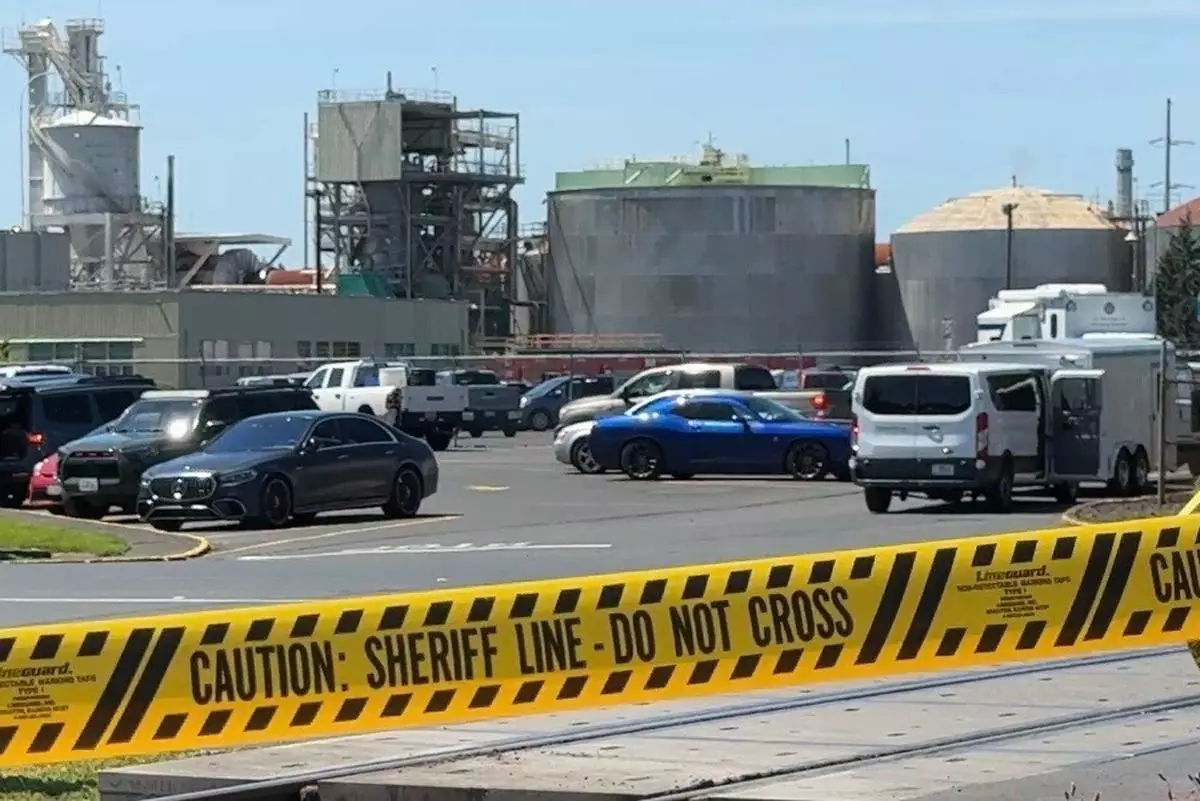
FILE - Yellow police tape is seen on May 27, 2026 outside the Longview, Wash. paper mill where a deadly chemical tank failure occurred. (AP Photo/Claire Rush, File)