More than 60 percent of traditional logistics companies surveyed are interested in moving into or expanding platform-based services, particularly online freight, according to a report released on Sunday by the China Federation of Logistics and Purchasing (CFLP).
The 2026 Logistics Platform and Capacity Development Report found that 60.34 percent of traditional logistics firms were considering the transition, a significant increase from the previous year. It said online freight platforms were gaining advantages in digital services such as screening transport capacity, monitoring shipments in transit and managing service quality, while strengthening their competitiveness in transporting high-value electronic products.
As rural revitalization efforts advance and programs to bring express delivery to villages and agricultural products from rural areas to cities continue, logistical challenges have become more apparent. These include dispersed production sites, small and fragmented shipments, and seasonal demand.
"By integrating transport capacity online and consolidating and matching scattered cargo sources, online freight platforms have significantly improved the organization of agriculture-related trunk transport and urban-rural delivery. In agricultural transport, they have achieved marked resource aggregation and scale effects in agricultural transport," said Yang Guodong, vice president of the CFLP.
The survey found that 79.17 percent of online freight platform companies had been involved in transporting agricultural products in 2026, 3.8 times the proportion among traditional logistics firms. Platform-based companies also maintained an advantage in transporting bulk commodities such as minerals and building materials, with their share reaching 61.43 percent. Business volumes for online freight platforms handling fast-moving consumer goods also rose significantly from the previous year.
Among online freight platforms, 53.85 percent were involved in transporting express-delivery and e-commerce goods, while 48 percent handled electronic products. Both figures were broadly on par with those for traditional logistics companies, the report said, indicating that platform businesses are expanding rapidly into e-commerce, retail and other cargo categories.
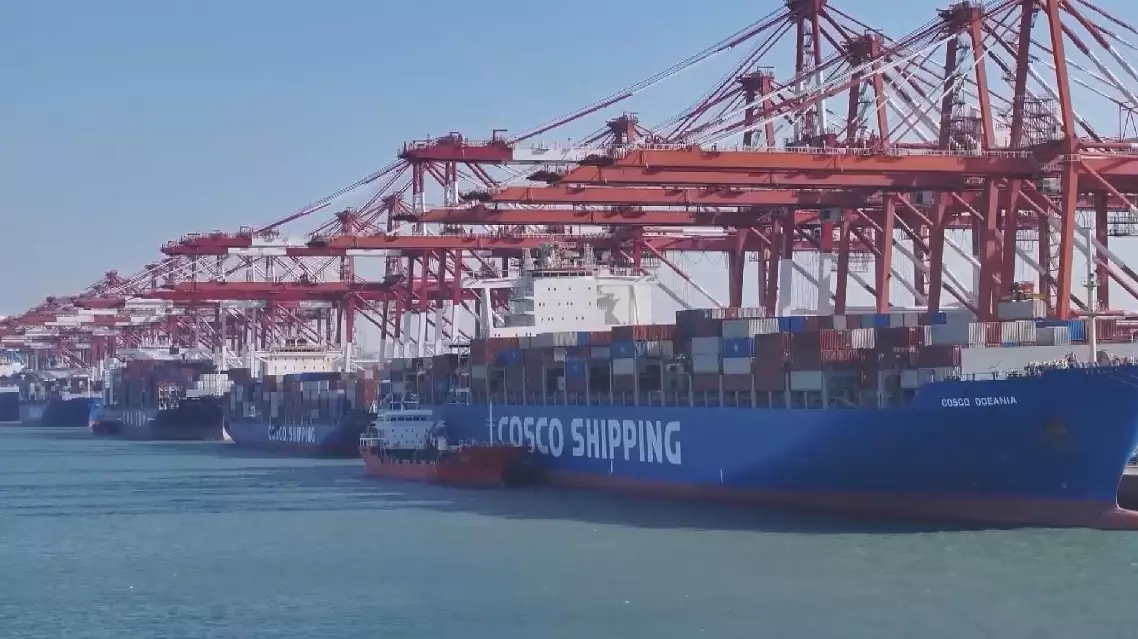
Chinese logistics firms step up platform shift: report