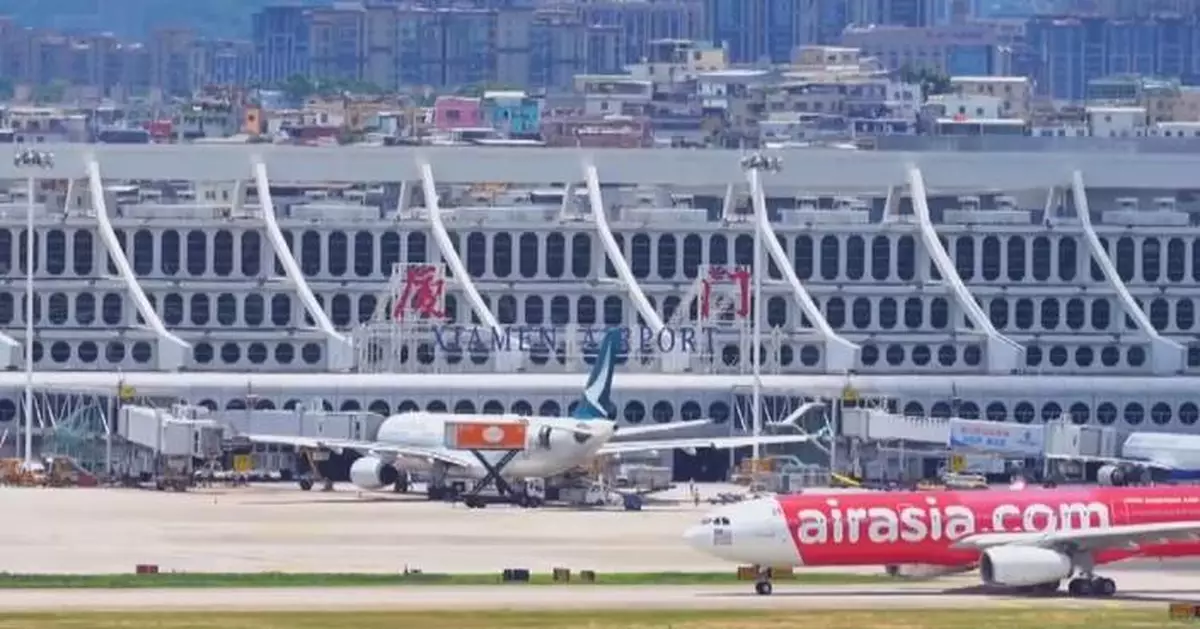
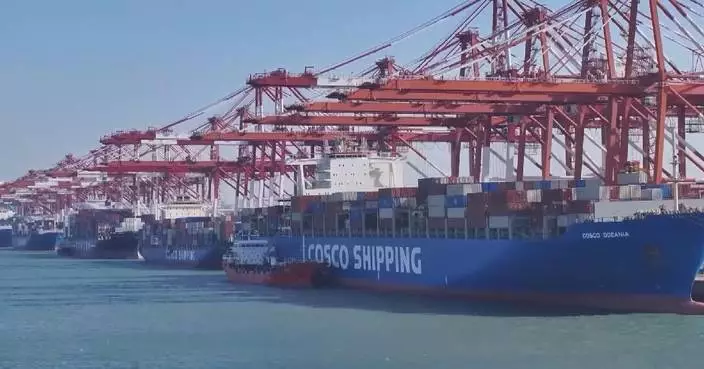
Xiamen Port in east China's Fujian Province had handled over 6 million inbound and outbound passenger trips this year as of Sunday noon, up nearly 10 percent year on year, according to the city's Gaoqi Border Inspection Station.
Among them, foreign passengers totaled more than 1.13 million, while trips by compatriots in Taiwan surpassed 2 million for the first time, both setting new records.
Inbound foreign passengers exceeded 570,000 as of Sunday noon. Driven by the optimized visa-free policies and 240-hour transit visa-free policy, more than 300,000 of them entered under various visa-free arrangements, accounting for over half of the total inbound foreign passengers and representing a year-on-year increase of more than 20 percent.
Malaysia, Singapore and the Republic of Korea ranked as the top three sources of foreign travelers. Over 70 percent of foreign passengers came for tourism, sightseeing or visiting relatives and friends.
Cross-Strait personnel exchanges have also become much more regular. Xiamen port operates more than 50 weekly direct flights across the Taiwan Strait. The Xiamen-Kinmen "Mini Three Links" route runs 24 ferry trips daily on a regular basis, with additional services arranged on weekends and holidays as needed.
To cope with the growing passenger flow, the Gaoqi Border Inspection Station has implemented a series of facilitation measures, rolling out one-stop service and online clearance systems to ensure the efficient cross-border experience for both Chinese and foreign passengers.
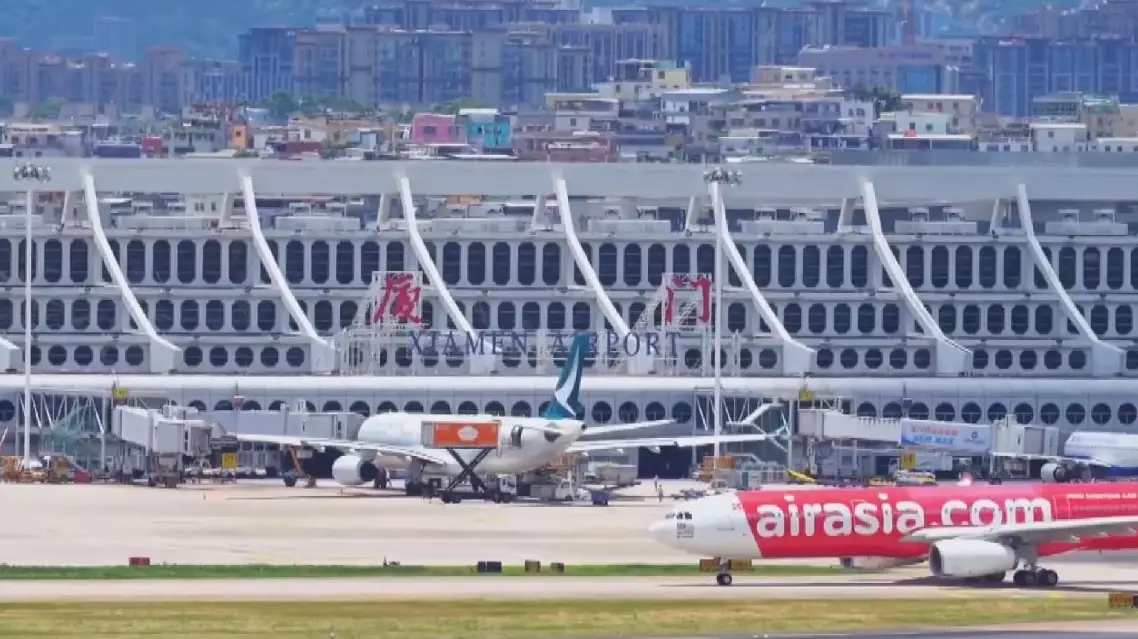
Xiamen port handles 6 million inbound, outbound passenger trips this year
A two-day artificial intelligence (AI) media training program opened in Dakar, Senegal's capital, on Friday, aiming to strengthen local media professionals' technological capacity and deepen China-Africa media cooperation.
Jointly organized by China's National Radio and Television Administration (NRTA) and the Senegalese Ministry of Communication and Relations with Institutions, the China-Africa AI Media Training program brought together about 30 participants from public institutions, mainstream media outlets and innovative enterprises.
The program is conducted by the NRTA's Academy of Broadcasting Science.
Speaking at the opening ceremony, Senegalese Minister of Communication and Relations with Institutions Bacary Sarr said China's experience in AI, telecommunications, broadcasting and audiovisual innovation offers valuable learning opportunities for Senegalese institutions.
Li Fei, charge d'affaires ad interim of the Chinese Embassy in Senegal, said China and Senegal are comprehensive strategic cooperative partners, and that the training brings AI into audiovisual production, adding fresh vitality to cultural and people-to-people exchanges between the two countries.
Shi Zhiyan, an official from the NRTA Department of International Cooperation, said the training is part of the China-Africa Cooperation Initiative on Radio, TV and Audio-Visual Innovation and aims to help Senegalese media professionals improve content production efficiency.
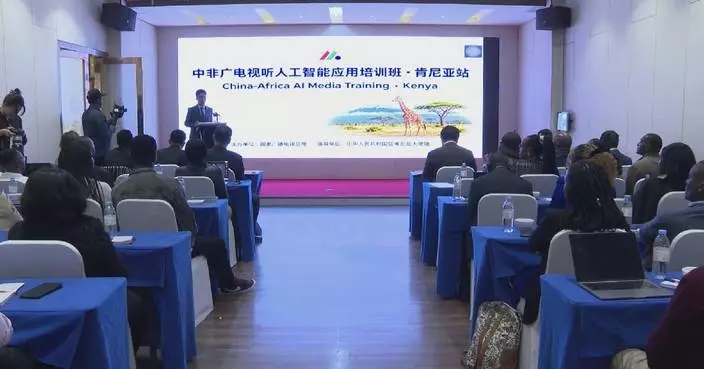
The opening ceremony featured historical footage restored through China-Senegal cooperation, alongside AI-generated short films produced by participants in the program's Kenya session.
The two-day training included practical sessions on AI-powered program creation, scriptwriting, and television commercial production, helping participants develop skills from storyboarding to producing finished videos.
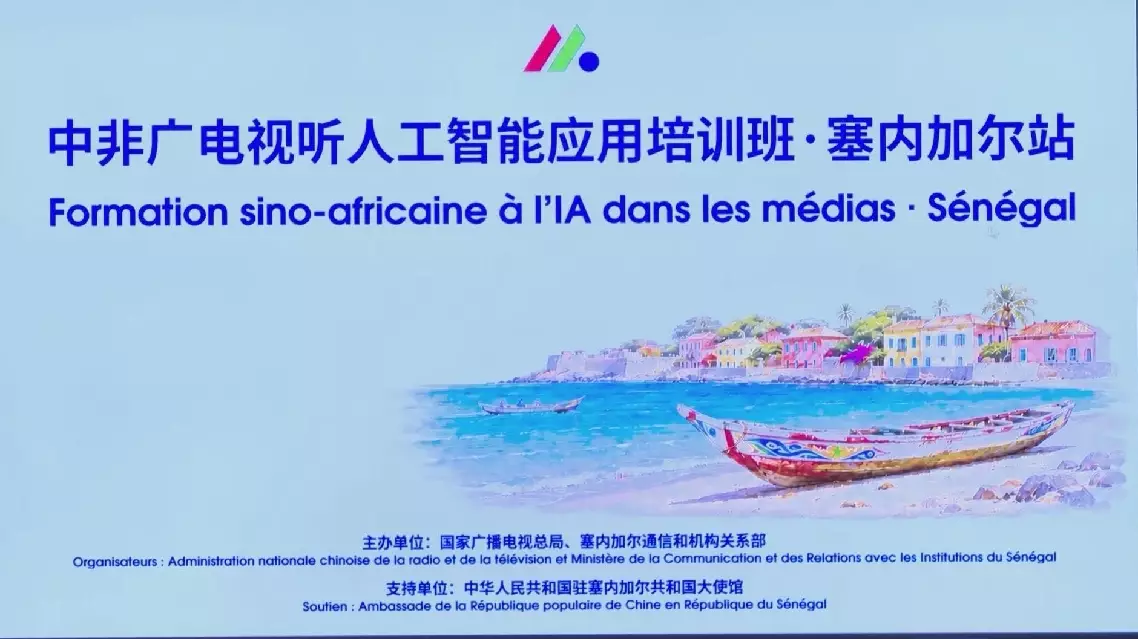
China-Africa AI media training program opens in Senegal