Inbound and outbound passenger trips through ports in Shanghai surpassed 40 million as of 9:00 on Sunday, reaching the milestone six days earlier than the previous year, figures from the Shanghai General Station of Immigration Inspection showed.
Cross-border traffic through the city has grown steadily throughout 2026. Single-day passenger crossings hit an annual peak of nearly 162,000 on Aug 11, while daily foreign arrivals reached a record high of more than 31,000 on Oct 11.
The station has handled nearly 23 million inbound and outbound trips made by mainland residents so far this year, fueled by Spring Festival holiday travel, summer family trips and study tours, and business exchanges.
Meanwhile, foreign arrivals have also climbed sharply since the beginning of 2026, surpassing 6.63 million so far, up 18.4 percent year on year. Of those, 4.486 million foreign nationals, or nearly 70 percent of all international arrivals, entered under China's visa-free policies or the 240-hour visa-free transit scheme.
Visitors from the Republic of Korea, Russia, and the United States ranked among the top sources of arrivals, according to data from the station.
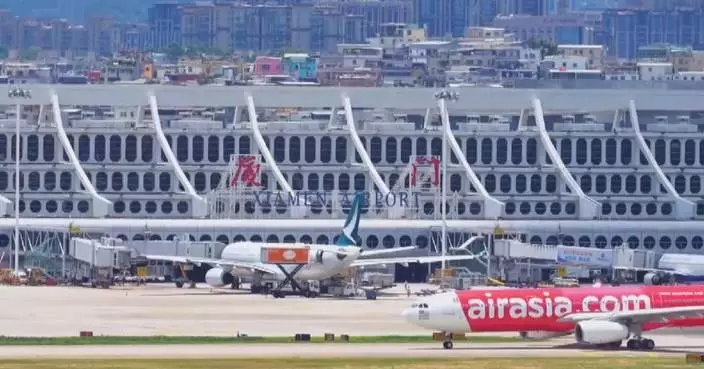
Shanghai has also increased international air routes, making Shanghai Pudong International Airport, which is connected to more than 50 countries and regions, a primary gateway for both international visitors and outbound mainland travelers.
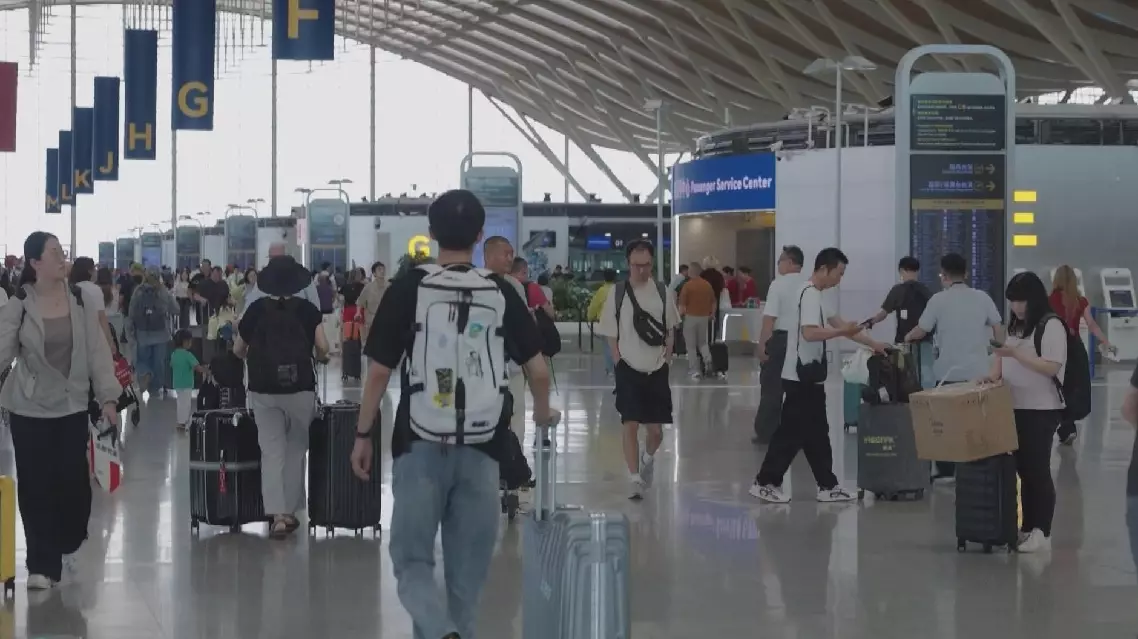
Shanghai logs 40 million cross-border trips six days earlier than in 2025
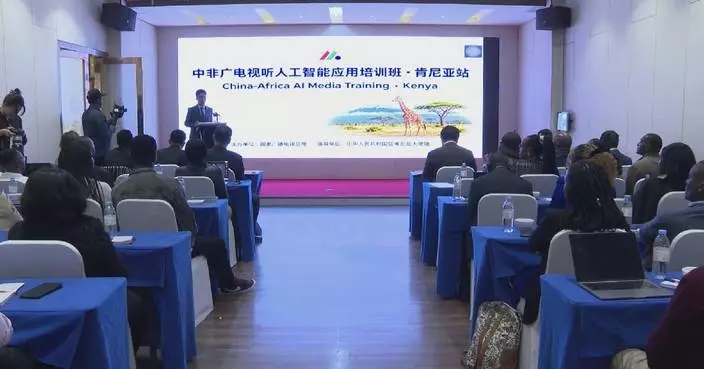
A two-day artificial intelligence (AI) media training program opened in Dakar, Senegal's capital, on Friday, aiming to strengthen local media professionals' technological capacity and deepen China-Africa media cooperation.
Jointly organized by China's National Radio and Television Administration (NRTA) and the Senegalese Ministry of Communication and Relations with Institutions, the China-Africa AI Media Training program brought together about 30 participants from public institutions, mainstream media outlets and innovative enterprises.
The program is conducted by the NRTA's Academy of Broadcasting Science.
Speaking at the opening ceremony, Senegalese Minister of Communication and Relations with Institutions Bacary Sarr said China's experience in AI, telecommunications, broadcasting and audiovisual innovation offers valuable learning opportunities for Senegalese institutions.
Li Fei, charge d'affaires ad interim of the Chinese Embassy in Senegal, said China and Senegal are comprehensive strategic cooperative partners, and that the training brings AI into audiovisual production, adding fresh vitality to cultural and people-to-people exchanges between the two countries.
Shi Zhiyan, an official from the NRTA Department of International Cooperation, said the training is part of the China-Africa Cooperation Initiative on Radio, TV and Audio-Visual Innovation and aims to help Senegalese media professionals improve content production efficiency.
The opening ceremony featured historical footage restored through China-Senegal cooperation, alongside AI-generated short films produced by participants in the program's Kenya session.
The two-day training included practical sessions on AI-powered program creation, scriptwriting, and television commercial production, helping participants develop skills from storyboarding to producing finished videos.

China-Africa AI media training program opens in Senegal