PORTLAND, Maine (AP) — The chaotic Thanksgiving travel weekend headed toward a close Sunday as travelers faced possible foul weather and lingering worries about recent technology failures while they headed home after the national holiday.
Threatening weather awaited some. A low pressure system was expected to bring rainfall and thunderstorms across the eastern U.S. into Monday, with heavy rainfall possible by Monday along the West Coast and parts of the South, the National Weather Service warned. Rain, gusty winds, possible snow and scattered thunderstorms were forecast across the Midwest. East Coast travelers who got a late start on Sunday risked heading home in steady rain and snarled traffic.
The biggest concern in several parts of the country was wet weather, said Brian Hurley, a meteorologist with the service's Weather Prediction Center.
“Pretty much wet and slippery,” Hurley said. “The biggest concern that we are looking at in terms of real hazardous weather is heavy rainfall, some of it perhaps quite excessive, across southern California.”
The TSA expected to screen about 17.6 million passengers between Nov. 24 and Tuesday. The agency projects it will screen more than 3 million passengers at U.S. airports on Sunday, what is expected to be the busiest day of the Thanksgiving holiday period. TSA urged passengers to allow additional time for parking, check-in and security screening.
Amtrak predicted it might surpass last year's record of 1.2 million trips during the Thanksgiving holiday period and asked travelers to plan accordingly. While AAA predicted a slight dip in roadway travel, partly due to high gas prices, state transportation departments still expected heavy traffic volume, particularly later Sunday.
In Maine, the state Department of Transportation had a little fun with the heavy traffic by deploying road safety signs that had messages including “Eyes on the road, not pie” and “Mash potatoes not the gas.”
Other state departments, including the Florida Department of Transportation, played it more straight. The department sent out a social media message reminding drivers of the importance of sober driving when going to and from the state's many rivalry football games this weekend.
“When making your game day plans, a sober ride home should always be at the top of your list. Celebrate responsibly and make the right plays,” the department said via X.
Travelers were also hoping to avoid new tech and system failures like the ones that upended airlines this month, including the longest nationwide ground stop in 25 years caused by a Federal Aviation Administration network malfunction. Within the past week, both United Airlines and Delta Air Lines saw their own outages, leading to hundreds of flight delays.
The flight-tracking service FlightAware reported nearly 4,300 flight delays and hundreds of cancellations in the U.S. on Saturday. Delays and cancellations continued into Sunday
Sunday closed out a busy and hectic travel week around the country on what is traditionally one of the busiest of the year. Air traffic hit a 16-year high on Tuesday with 52,000 flights in one day, U.S. Transportation Secretary Sean Duffy said in a social media post. The flight-tracking service FlightAware reported more than 3,700 flight delays and 60 cancellations in the U.S. on Wednesday.
The high volume of travel represented a challenge for the TSA that the agency felt it was prepared for, officials said in a statement.
“TSA is prepared to handle the increased passenger volumes expected during the Thanksgiving holiday travel period while maintaining our focus on security,” said TSA Administrator David P. Cummins.
Associated Press reporter Julie Walker contributed.
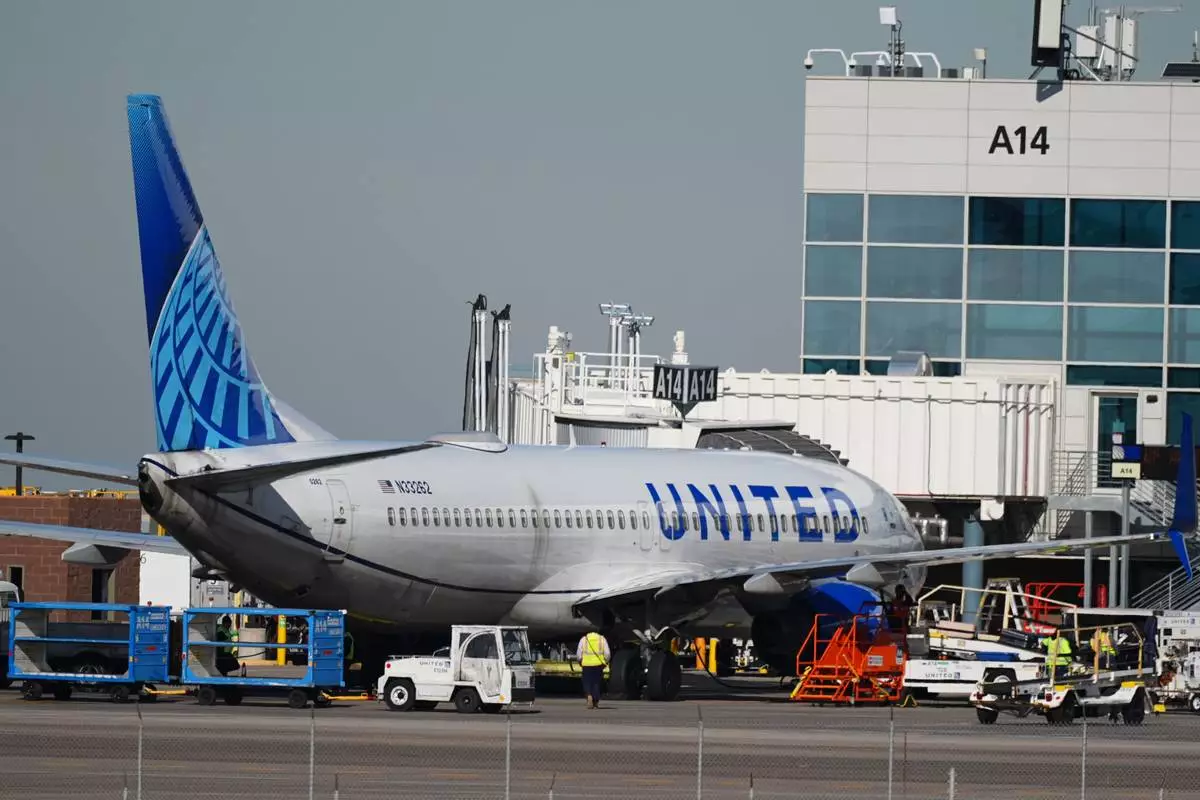
United Airlines jetliner is serviced for departure from the A Concourse of Denver International Airport in Denver, Wednesday, Nov. 25, 2026 (AP Photo/David Zalubowski)
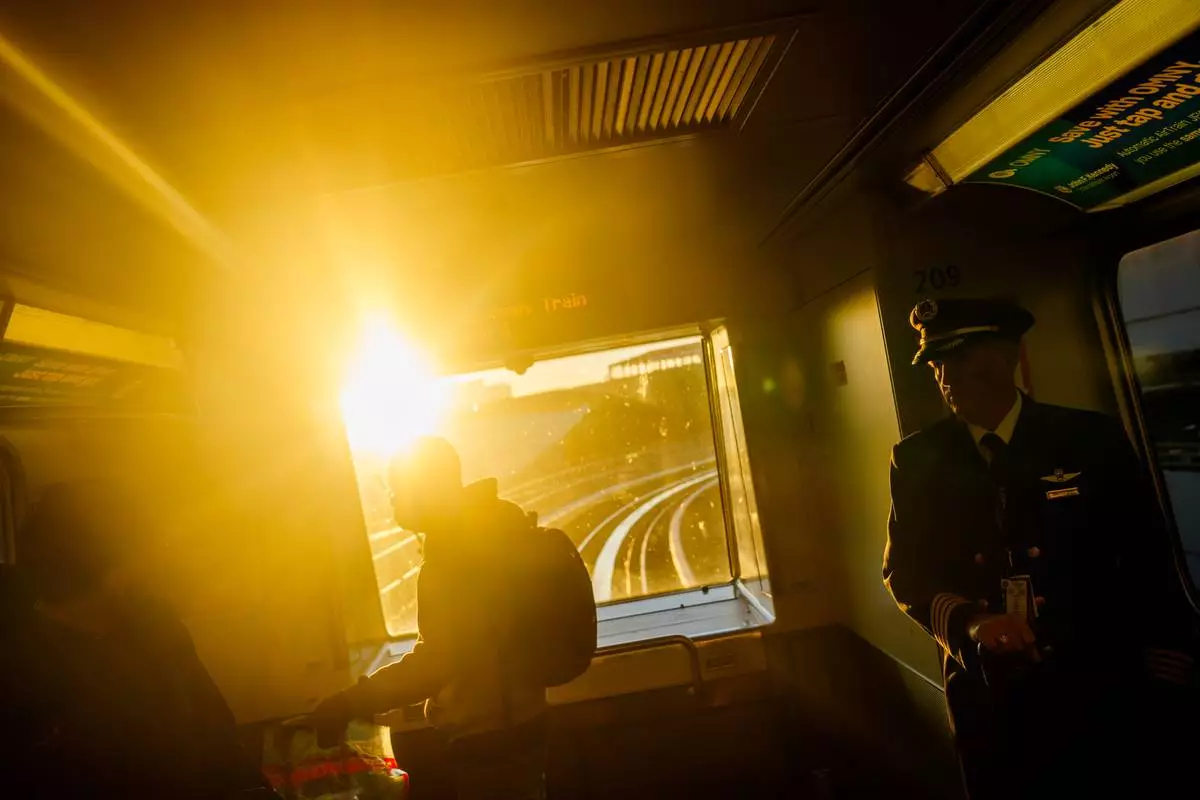
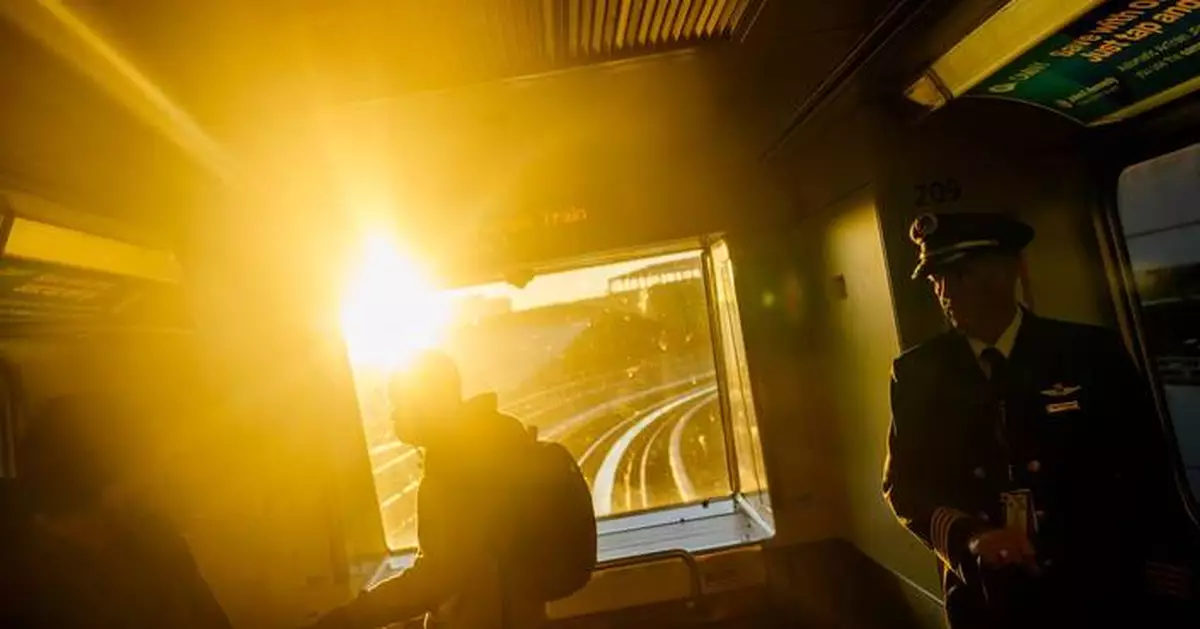
A pilot and travellers ride the air train at John F. Kennedy International Airport, Wednesday, Nov. 25, 2026, in New York. (AP Photo/Adam Gray)
MADRID (AP) — Spaniards are voting Sunday in an election dominated by concerns over housing affordability that could see the far right enter the national government for the first time since Spain’s dictatorship ended more than a half-century ago.
The election is seen as a referendum on incumbent Prime Minister Pedro Sánchez. The left-wing leader of the Socialist party has governed Spain for eight years through numerous crises, but also a period of economic growth that, for many voters, has been eclipsed by cost-of-living concerns.
No issue has galvanized Spaniards in recent years quite like access to affordable housing. Soaring home and rental costs in cities and tourism hot spots have caused widespread discontent, especially among the young.
Last month, Sánchez announced an early election after right-wing parties in parliament voted down measures that his government introduced to alleviate housing pressures. Nationwide protests sprang up after the dramatic eviction of an 87-year-old woman from her apartment in Madrid.
Sánchez has warned voters that a conservative government wouldn't make their lives more affordable, and frequently has said that his opponents would take the country of 50 million backward.
“I'm feeling optimistic,” Sánchez told reporters after casting his vote on Sunday, saying he expected “a huge turnout.”
Participation by 2 p.m. was at 45%, about five percentage points higher than in the previous national election in 2023.
Opposition leader Alberto Núñez Feijóo of the conservative Popular Party, or PP, has promised voters more stability and better governance.
He has criticized Sánchez's record not just for his government's failure to improve Spaniards' housing woes, but also for two fatal train crashes this year on Spain's high-speed rail network, a nationwide blackout in April 2025 and a border crisis in Spain's North African exclave of Ceuta.
Feijóo also pilloried Sánchez — who relied on backing from far-left and separatist parties to cling to power in 2023 — for not being able to pass a budget in nearly four years, lacking parliamentary support.
“I ask Spaniards not to vote with fear, but with memory,” Feijóo said in Madrid after casting his ballot. “Today is a day when the Spanish people take the helm and will decide the future, the destiny, and the direction of Spain.”
It's widely expected that Feijóo will attempt to form a coalition with the far-right Vox party, led by its bearded, barrel-chested leader Santiago Abascal, who has campaigned on an immigration crackdown.
Vox is betting that its hard-line stance will win over voters and enable it to play kingmaker with the PP.
“Spain is deeply divided. There is a lot of fear on both sides, and I believe we need to soften the tense atmosphere and redirect what has been done wrong during the past eight years,” said Paloma Jiménez-Ontiveros, a 65-year-old real estate agent in Madrid, after voting.
Spain has welcomed millions of people, mainly from Latin America, but also from Africa and elsewhere in Europe. One in five residents was born outside Spain, according to census data. Earlier this year, the Spanish government legalized the status of nearly 1.2 million immigrants living in the country without authorization.
Feijóo and Abascal have portrayed Sánchez's immigration-friendly policies as harmful to ordinary Spaniards, pointing to the country's insufficient housing stock and strained public services. Both candidates have condemned the migrant legalization measure.
If Vox entered a new government as a junior member with the PP, it would mark the return of a nationalist, far-right party to power for the first time since the death of dictator Gen. Francisco Franco in 1975.
The result will also be closely watched across Europe before an election-packed 2027, in which voters will head to the polls in France, Italy, Greece and Poland.
In France, the far-right National Rally is aiming to take power, while in Italy, Premier Giorgia Meloni's right-wing coalition is expected to seek another term.
About 39 million people are eligible to cast ballots. Voting generally takes place in schools, community centers, town halls and other municipal facilities. Spaniards can also vote by mail.
Votes are tallied quickly and the result is usually known within hours. That doesn’t mean it’s quickly clear who will govern.
A Spanish prime minister will be elected by the new parliament resulting from a vote that will be convened next month. A candidate needs the support of an absolute majority — or at least 176 lawmakers — in the first parliamentary vote, often relying on coalition agreements or support from other parties.
Several opinion polls conducted before Sunday showed Sánchez’s Socialist Party behind the combined support of the PP and Vox. Sánchez will likely need backing from smaller parties to the left of the Socialists. However, infighting between those parties in the lead-up to the election is expected to weaken Sánchez’s chance at forming a progressive coalition like he did three years ago.
Sánchez, a Madrid native and former economics professor, became a hero to the global left for his government's opposition to the Israel-Hamas war in Gaza, and his resistance to U.S. President Donald Trump. He has criticized the U.S. and Israel over the Iran war, and was one of Western Europe’s first major leaders to formally recognize Palestinian statehood.
Sánchez's government has turbocharged Spain's climate commitments, pledging to source all its energy from renewable sources by 2050. The country already generates more than half its electricity from noncarbon sources. But his critics say that his overreliance on renewables was responsible for the 2025 blackout.
He's the first Spanish prime minister to speak comfortably in English.
Sánchez's party, including members of his inner circle, has been dogged by legal cases involving corruption. The cases have implicated a former minister and top officials, eroding voters' trust.
Feijóo, in contrast, is a lifelong civil servant-turned-politician from rural northwestern Galicia who doesn't speak English and projects himself as a sensible, moderate and effective administrator.
Joseph Wilson contributed to this report from Barcelona, Spain.
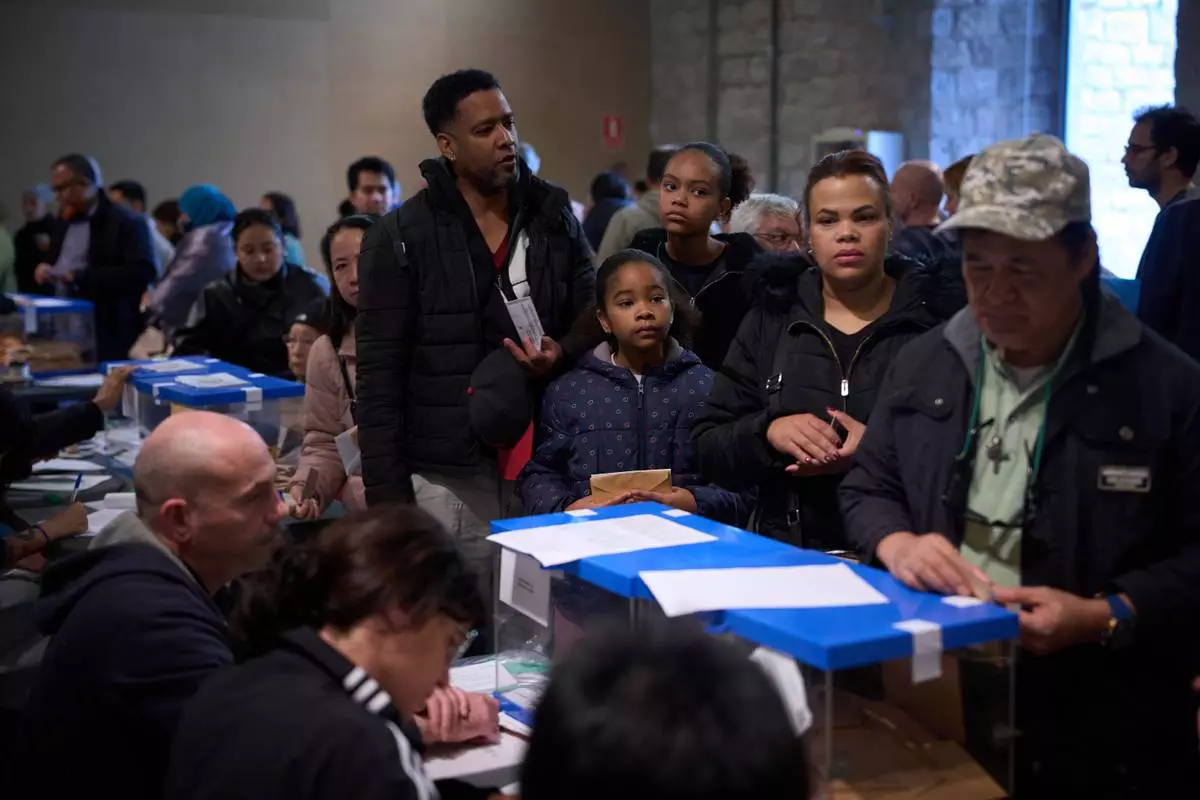
Braulina and Sebastian, originally from the Dominican Republic, who moved to Spain in 2003, wait with their daughters, Thiara and Alaia, to cast their ballots at a polling station during Spain's general election in Barcelona, Spain, Sunday, Nov. 29, 2026. (AP Photo/Emilio Morenatti)
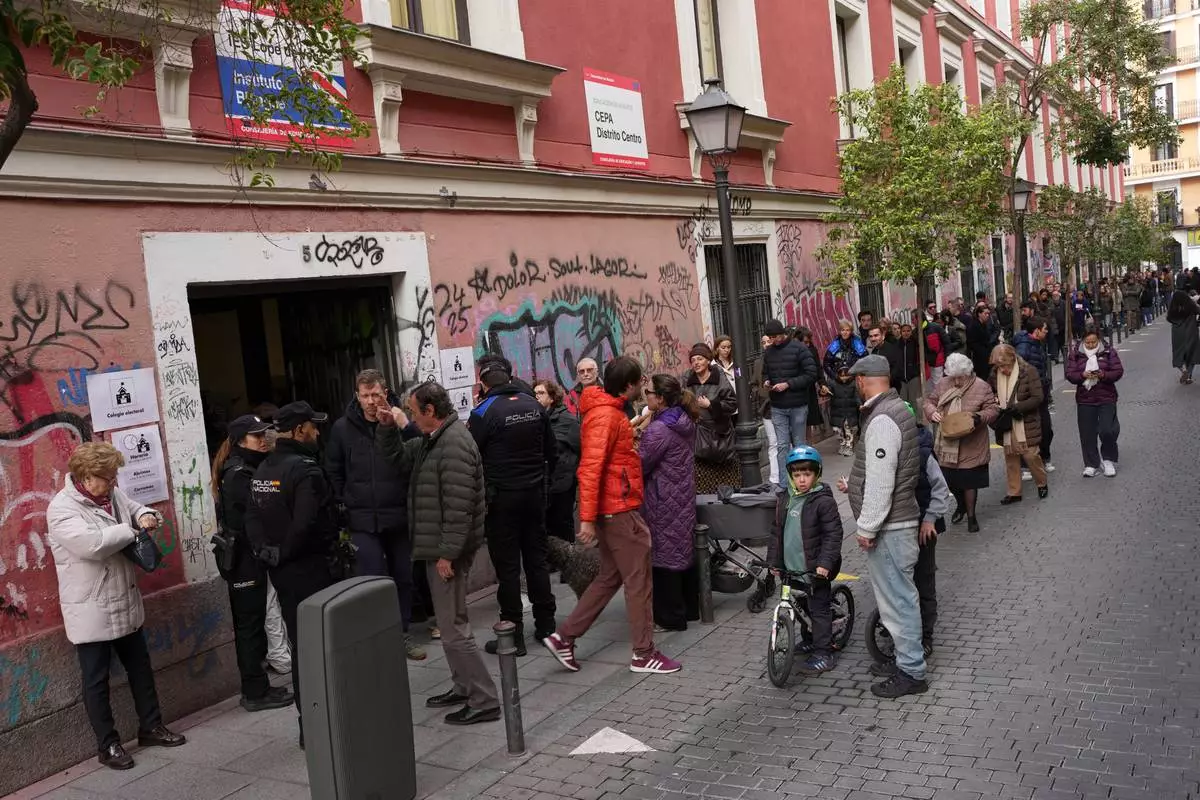
People line up outside a polling station to cast their ballots in Spain's general election in Madrid, Spain, Sunday, Nov. 29, 2026. (AP Photo/Francisco Seco)

People line up at a polling station to cast their ballots in Spain's general election in Madrid, Spain, Sunday, Nov. 29, 2026. (AP Photo/Manu Fernandez)
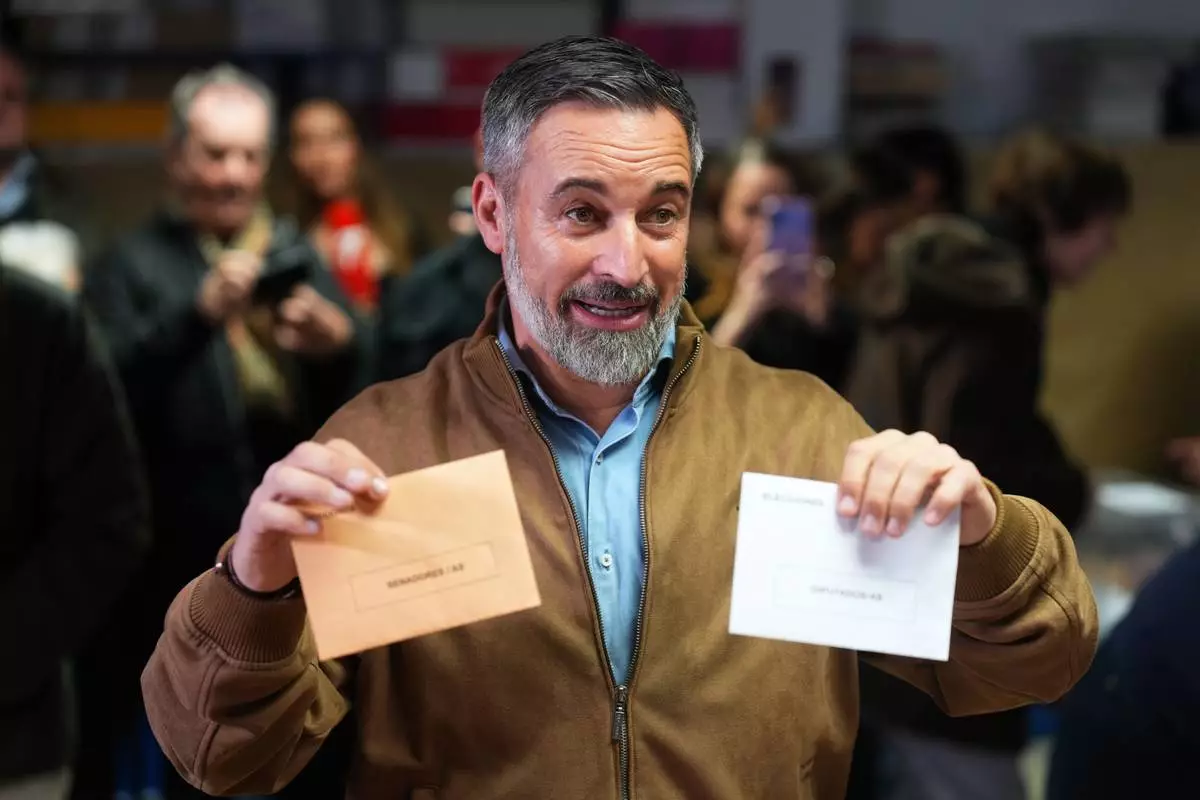
Vox leader and candidate Santiago Abascal poses with his ballots when voting in Spain's general election at a polling station in Madrid, Spain, Sunday, Nov. 29, 2026. (AP Photo/Manu Fernandez)
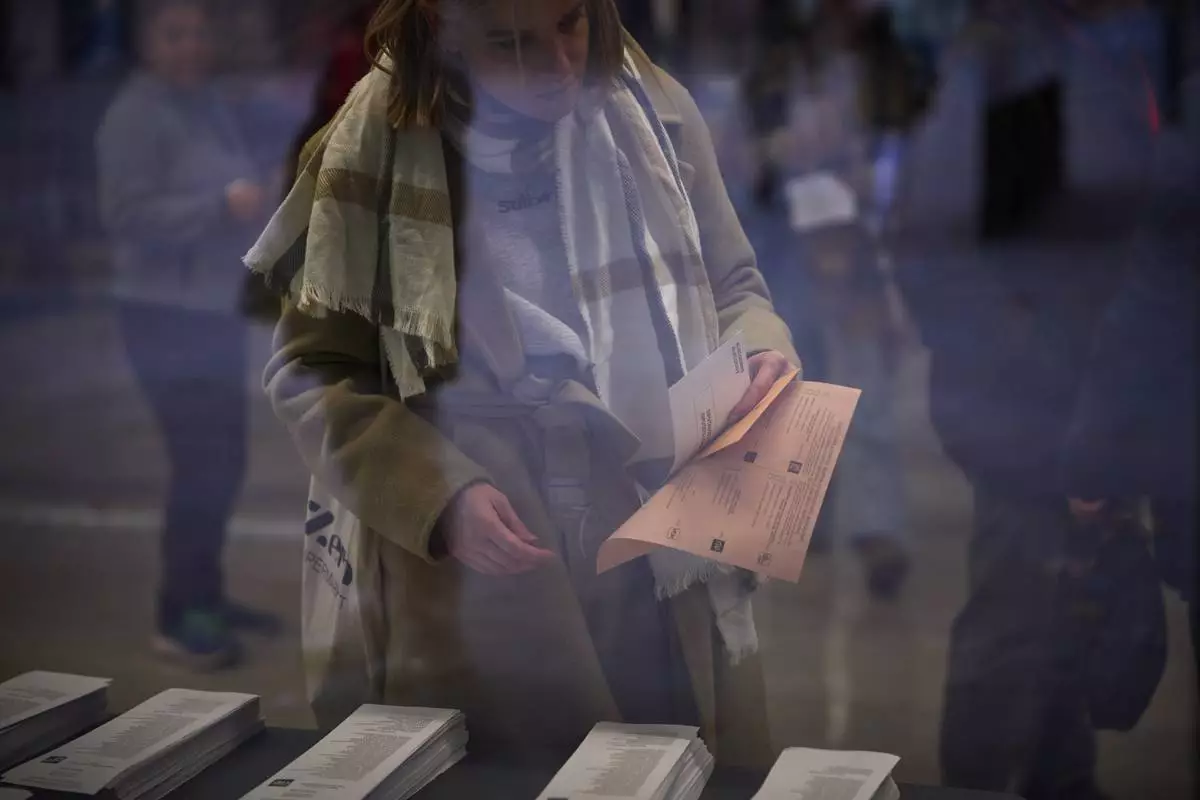
Voters select their ballots at a polling station during the general election in Barcelona, Spain, Sunday, Nov. 29, 2026. (AP Photo/Emilio Morenatti)

Popular Party candidate Alberto Núñez Feijóo casts his ballot in Spain's general election at a polling station in Madrid, Spain, Sunday, Nov. 29, 2026. (AP Photo/Bernat Armangue)
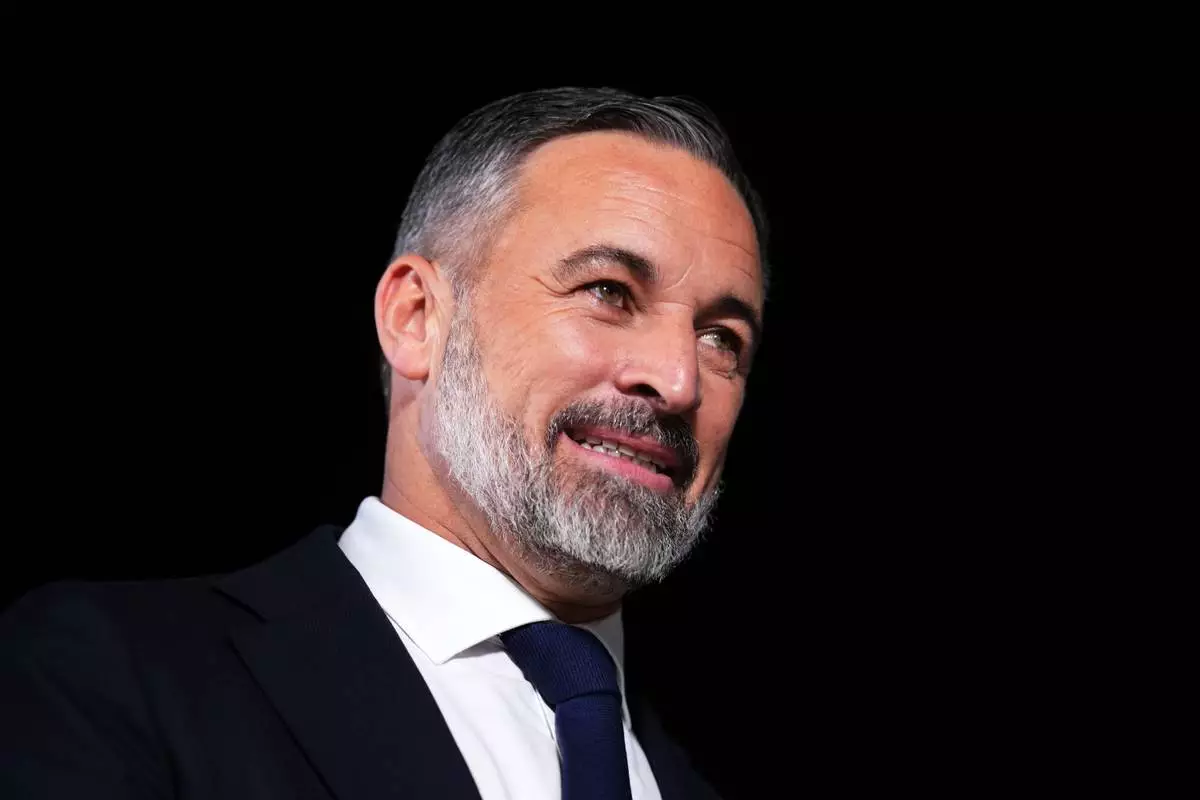
Santiago Abascal, leader of Spain's far-right Vox party, arrives for a live televised debate in Madrid, Spain, Thursday, Nov. 26, 2026. (AP Photo/Manu Fernandez)
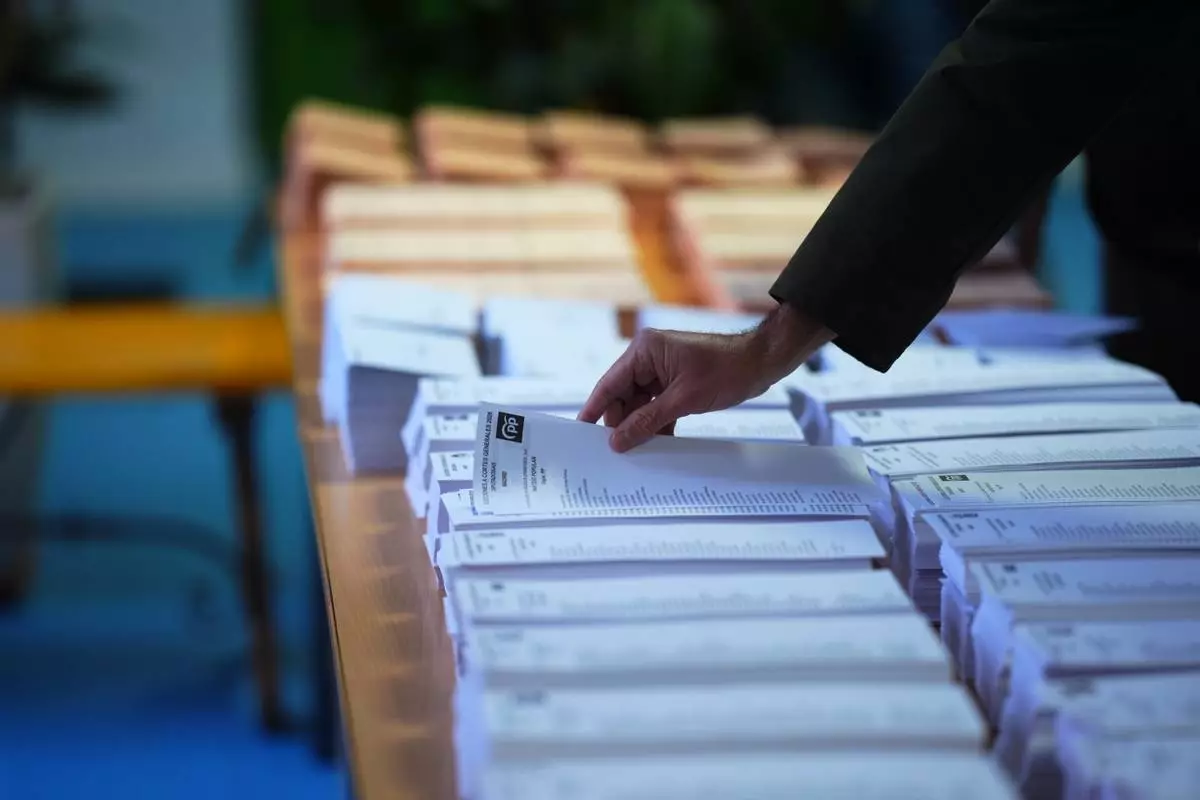
A person picks a ballot to vote in Spain's general election at a polling station in Madrid, Spain, Sunday, Nov. 29, 2026. (AP Photo/Manu Fernandez)
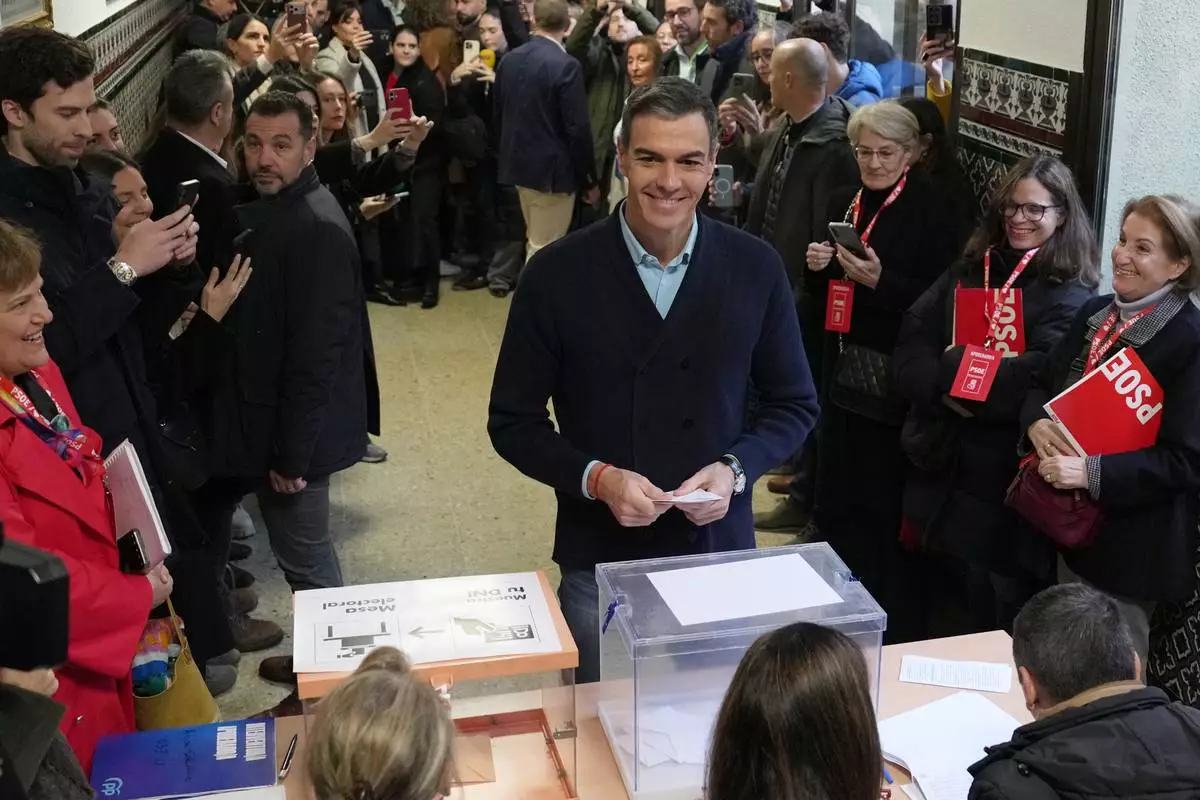
Spain's incumbent Prime Minister Pedro Sanchez votes in Spain's general election at a polling station in Madrid, Spain, Sunday, Nov. 29, 2026. (AP Photo/Francisco Seco)
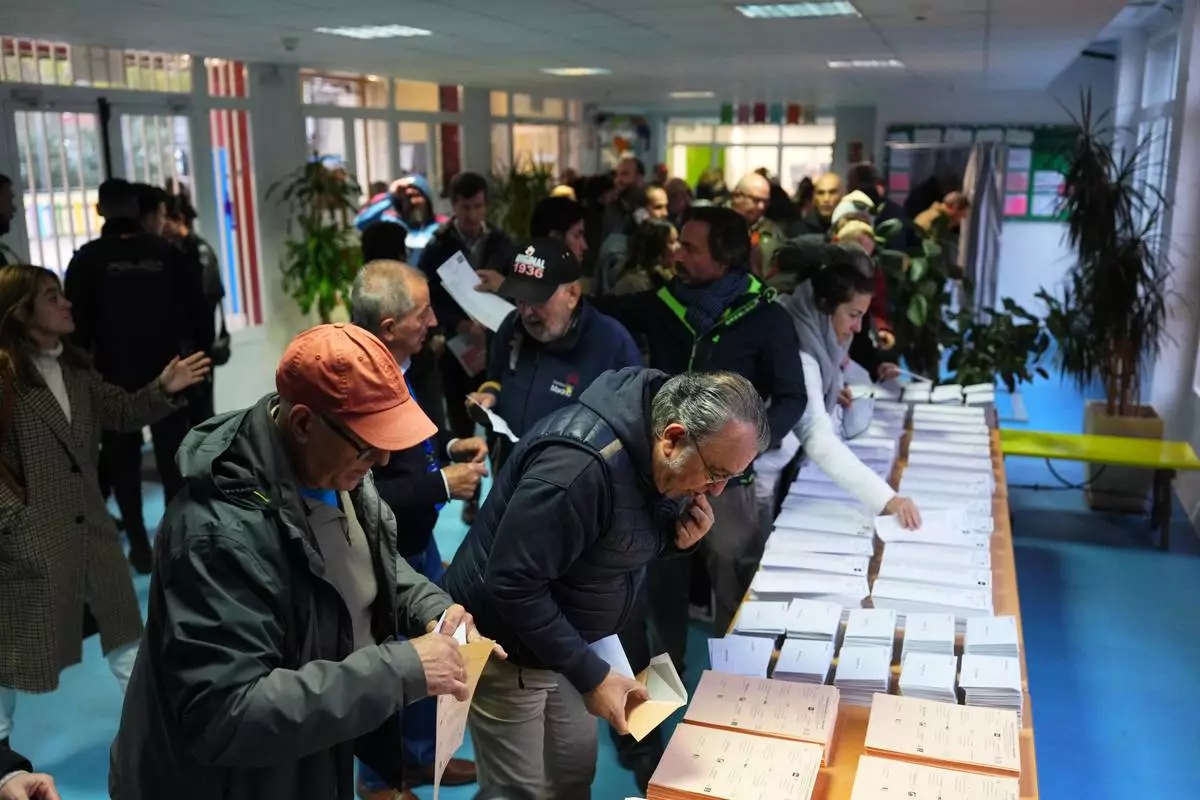
Voters pick up ballots before voting at a polling station in Spain's general election in Madrid, Spain, Sunday, Nov. 29, 2026. (AP Photo/Manu Fernandez)
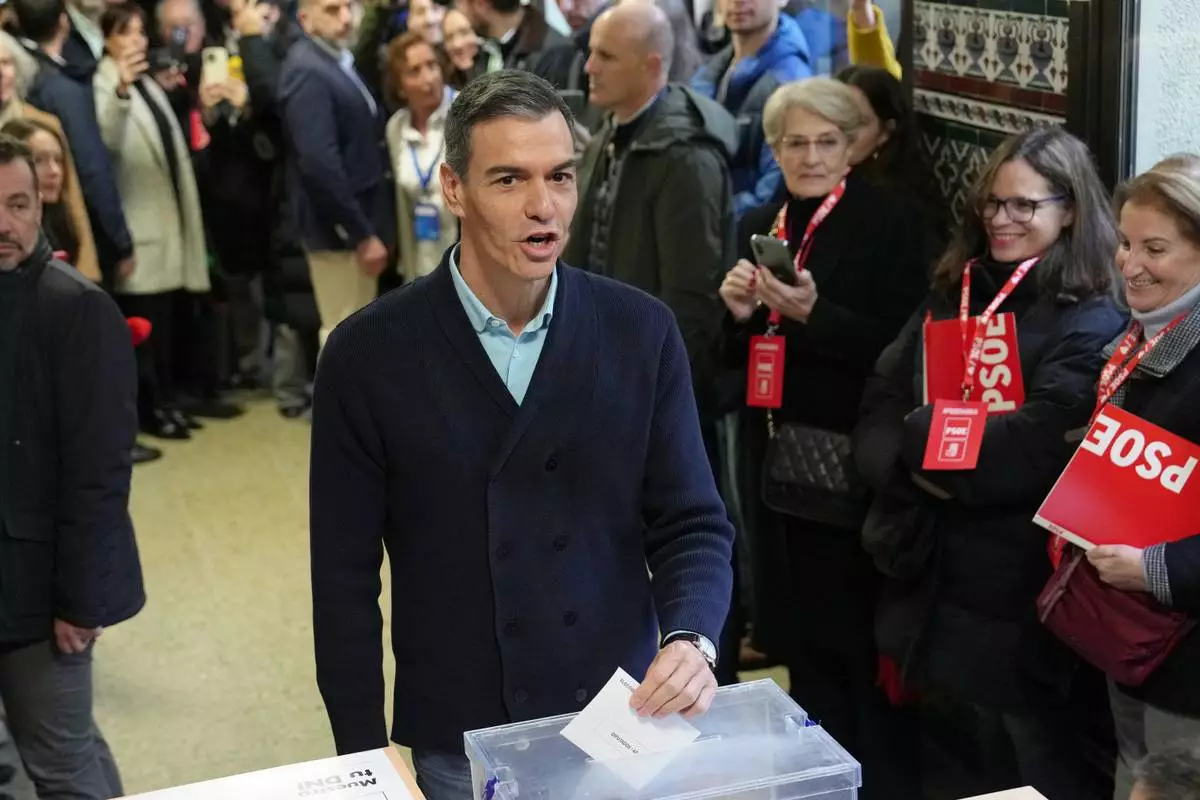
Spain's incumbent Prime Minister Pedro Sanchez votes in Spain's general election at a polling station in Madrid, Spain, Sunday, Nov. 29, 2026. (AP Photo/Francisco Seco)
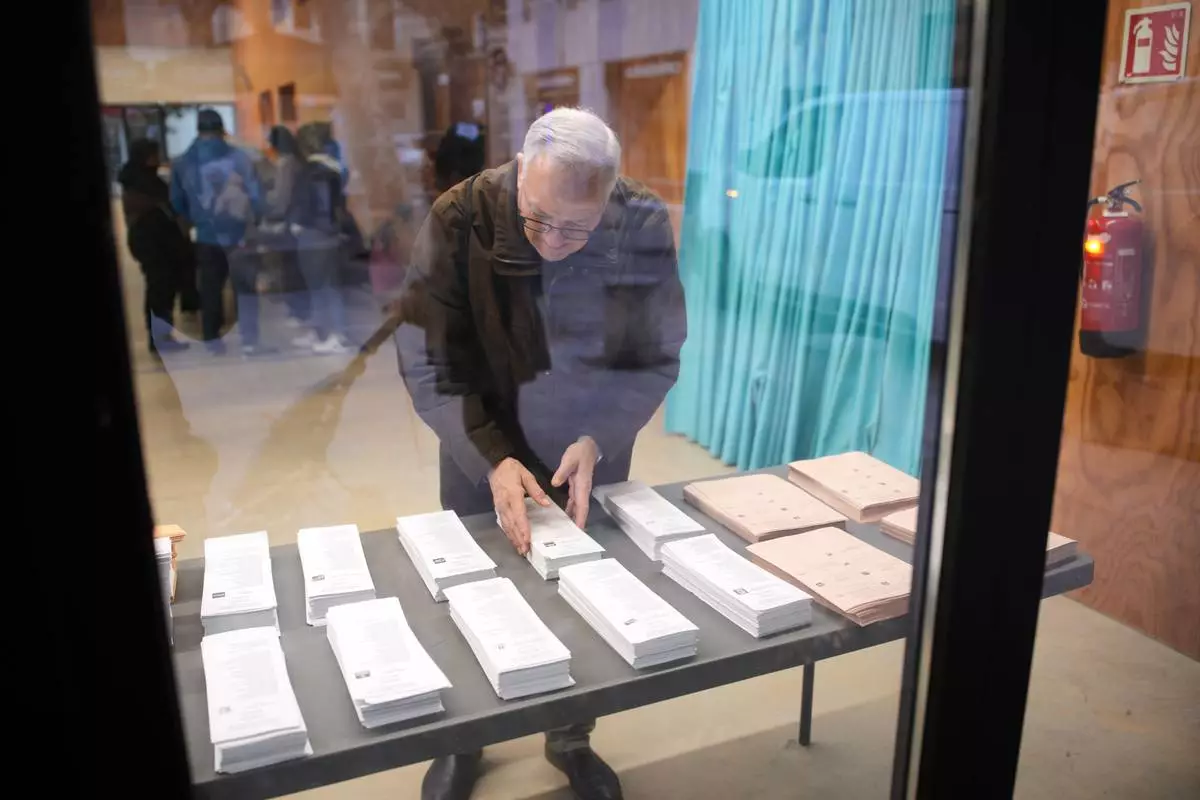
An election worker organizes ballots at a polling station in Spain's general election, in Barcelona, Spain, Sunday, Nov. 29, 2026. (AP Photo/Emilio Morenatti)
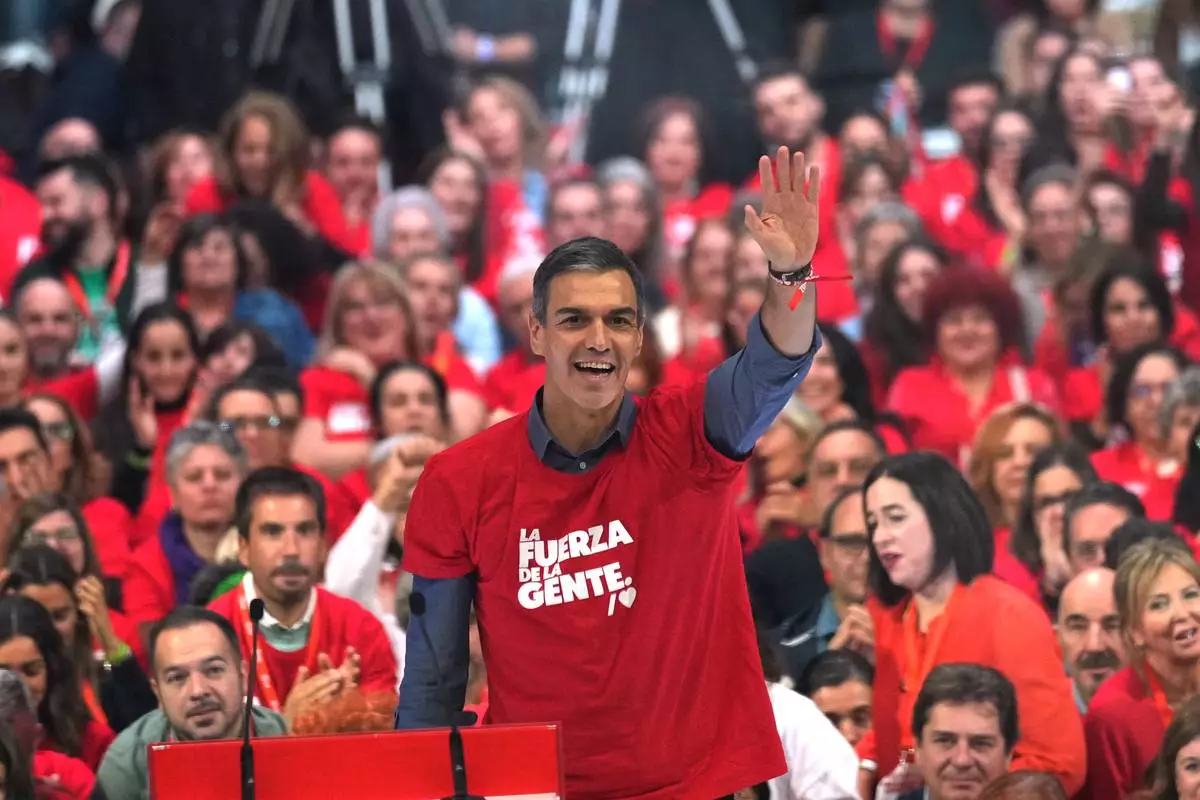
Spain's Prime Minister and Socialist Party Secretary-General Pedro Sánchez waves to supporters at the final campaign rally ahead of Sunday's general election in Madrid, Spain, Friday, Nov. 27, 2026. (AP Photo/Francisco Seco)
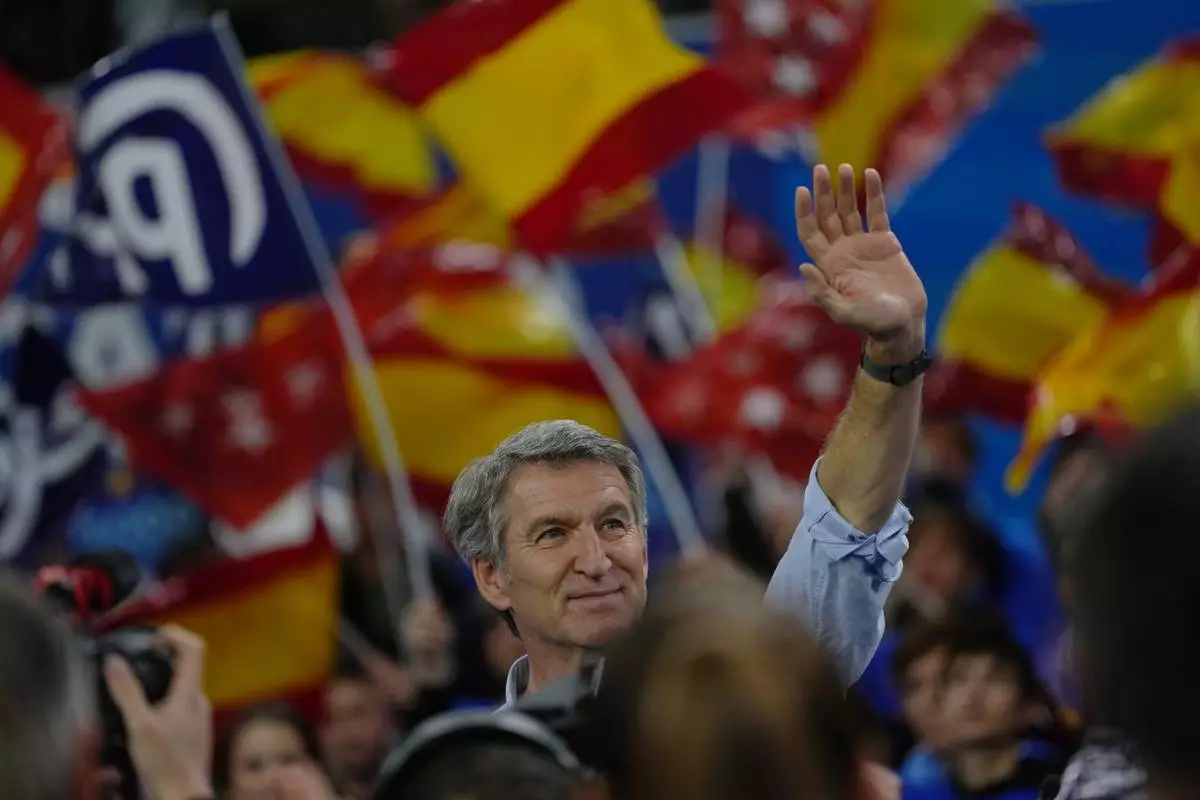
Popular Party candidate Alberto Nunez Feijoo waves to supporters during a campaign rally ahead of the general election in Madrid, Spain, Wednesday, Nov. 25, 2026. (AP Photo/Francisco Seco)
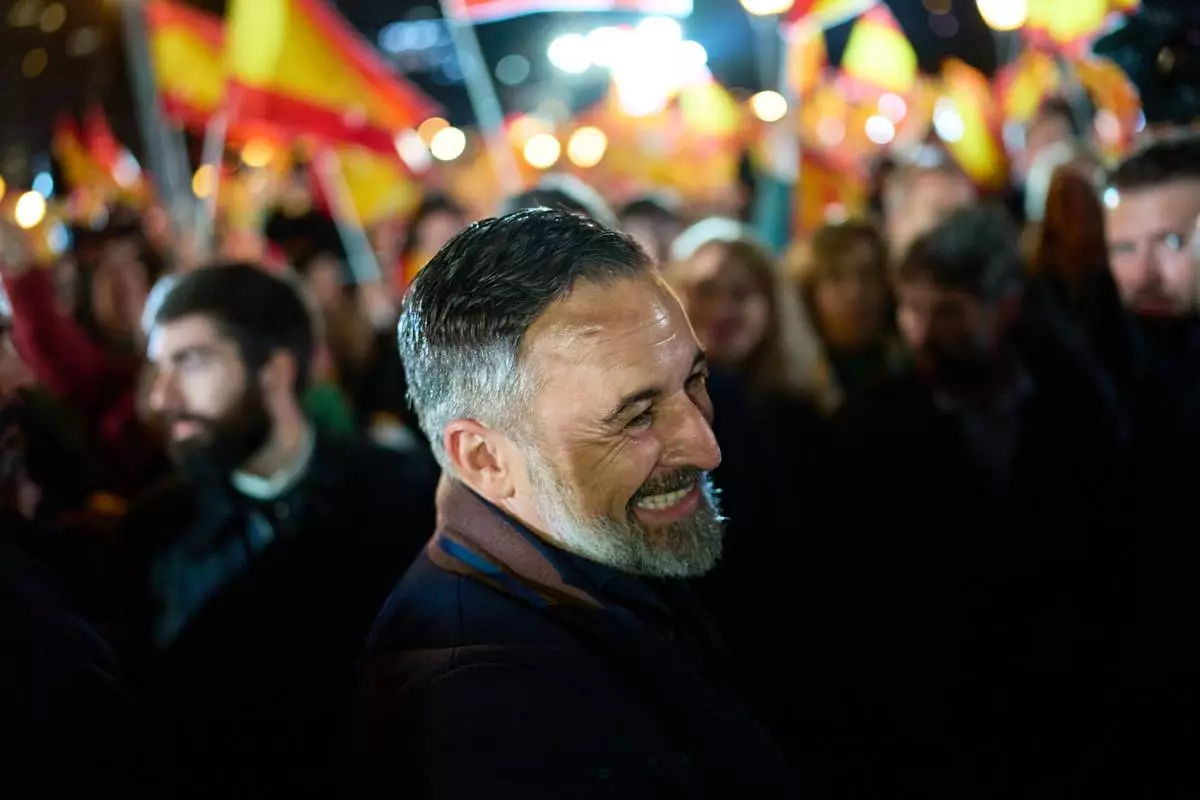
FILE, Santiago Abascal, leader of the far-right Vox party, arrives to an electoral rally in Madrid, Friday, Nov. 13, 2026, on the first day of the campaign ahead of general elections. (AP Photo/Francisco Seco, File)

Popular Party supporters wave Spanish flags as they listen to speeches during a campaign rally ahead of the general election in Madrid, Spain, Wednesday, Nov. 25, 2026. (AP Photo/Francisco Seco)

From left, the leader of the far-right Vox party, Santiago Abascal, Spain's Prime Minister and Socialist Party Secretary-General Pedro Sánchez and Popular Party candidate Alberto Núñez Feijóo pose for a photo at the start of a live televised debate in Madrid, Spain, Thursday, Nov. 26, 2026. (AP Photo/Manu Fernandez)