The remains of a Marine lost since the early days of World War II have been buried in Philadelphia, more than 70 years after he was killed.
Dominic Ragucci had thought that the body of brother Emil was swept out to sea during a battle on the Pacific atoll of Tarawa. On Tuesday, the 86-year-old and his family finally held a funeral after the remains were recovered and brought back to the U.S.
Click to Gallery
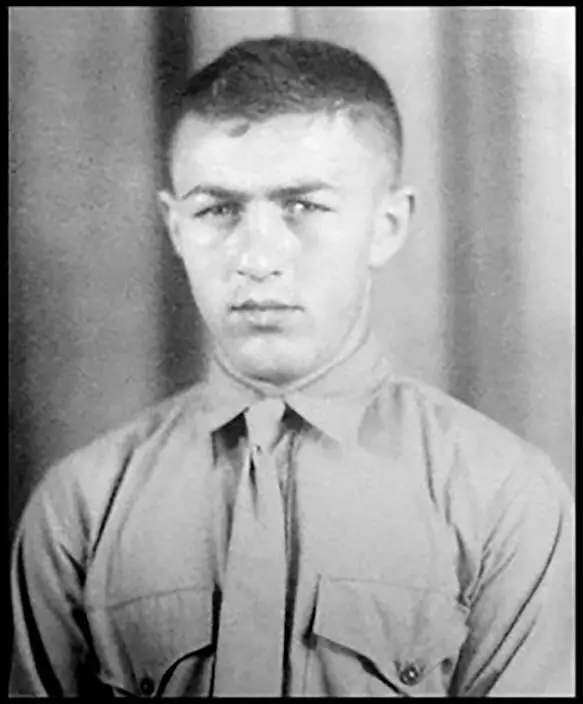
This undated photo provided by the United States Marine Corps shows Emil Ragucci, who was killed in action during World War II. Decades after his death in the South Pacific Battle of Tarawa, Ragucci's remains are scheduled to return home to Philadelphia on Monday, Aug. 13, 2018. (United States Marine Corps via AP)
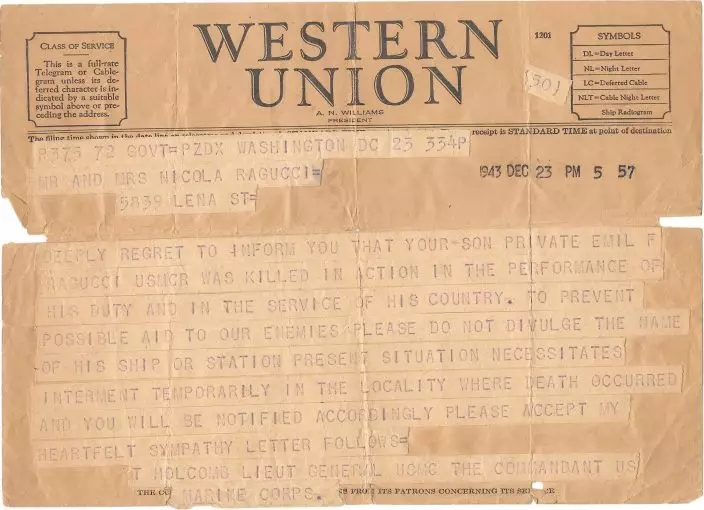
This image shows a Western Union Telegram dated Dec. 23, 1943, announcing that United States Marine Corps Private Emil Ragucci was killed in action during World War II. Decades after his death in the South Pacific Battle of Tarawa, Ragucci's remains are scheduled to return home to Philadelphia on Monday, Aug. 13, 2018. (Courtesy of the Ragucci family via AP)
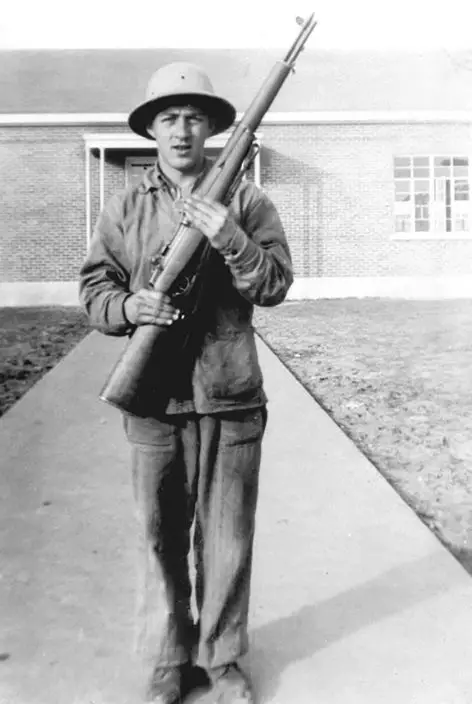
In this early 1940s photo provided by the United States Marine Corps, Emil Ragucci poses with a rifle. Decades after his death in the World War II Battle of Tarawa in the South Pacific, Ragucci's remains are scheduled to return home to Philadelphia on Monday, Aug. 13, 2018. (United States Marine Corps via AP)
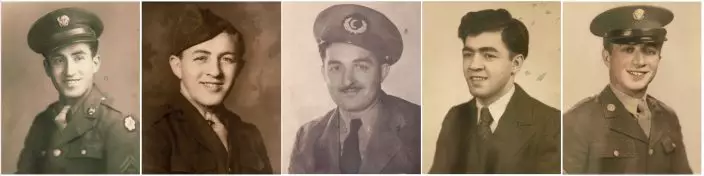
This combination of undated photos shows five of the Ragucci brothers, from left: Anthony, Emil, Joseph, Nicholas, and Dante, all of whom served in the United States armed services during World War II. Nearly 70 years after Emil's death in the South Pacific Battle of Tarawa, his remains are scheduled to return home to Philadelphia on Monday, Aug. 13, 2018. (Courtesy of the Ragucci family via AP)
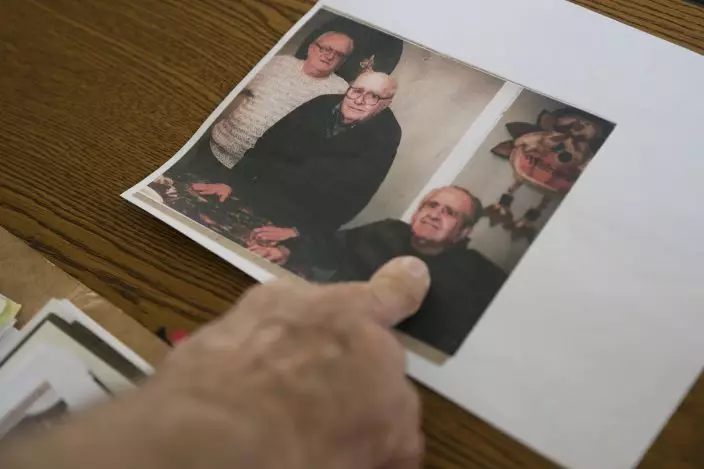
In this July 31, 2018 photo, Dominic Ragucci points to a photo of himself, top left, and his brothers Gus, center, and Victor during a interview with The Associated Press in Philadelphia. The three siblings were all members of the United States armed services. (AP PhotoMatt Rourke)
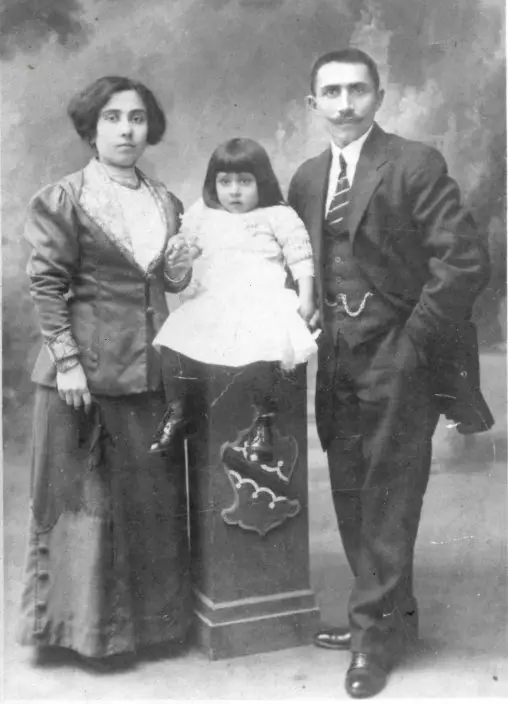
In this undated photo provided by the Ragucci family, Carmela and Nicola Ragucci pose with their daughter, Mary. Eight of the couple's sons served in the military during and after World War II. (Courtesy of the Ragucci family via AP)
He was laid to rest in the family's plot in Philadelphia, near his parents and his brother Nicholas, who was killed in Italy less than 90 days after Emil's death.
This undated photo provided by the United States Marine Corps shows Emil Ragucci, who was killed in action during World War II. Decades after his death in the South Pacific Battle of Tarawa, Ragucci's remains are scheduled to return home to Philadelphia on Monday, Aug. 13, 2018. (United States Marine Corps via AP)
Dominic and 91-year-old brother Victor Ragucci stood on the tarmac Monday as Emil's body was returned.
Emil was 19 when he was killed during a bloody three-day battle.
This image shows a Western Union Telegram dated Dec. 23, 1943, announcing that United States Marine Corps Private Emil Ragucci was killed in action during World War II. Decades after his death in the South Pacific Battle of Tarawa, Ragucci's remains are scheduled to return home to Philadelphia on Monday, Aug. 13, 2018. (Courtesy of the Ragucci family via AP)
In this early 1940s photo provided by the United States Marine Corps, Emil Ragucci poses with a rifle. Decades after his death in the World War II Battle of Tarawa in the South Pacific, Ragucci's remains are scheduled to return home to Philadelphia on Monday, Aug. 13, 2018. (United States Marine Corps via AP)
This combination of undated photos shows five of the Ragucci brothers, from left: Anthony, Emil, Joseph, Nicholas, and Dante, all of whom served in the United States armed services during World War II. Nearly 70 years after Emil's death in the South Pacific Battle of Tarawa, his remains are scheduled to return home to Philadelphia on Monday, Aug. 13, 2018. (Courtesy of the Ragucci family via AP)
In this July 31, 2018 photo, Dominic Ragucci points to a photo of himself, top left, and his brothers Gus, center, and Victor during a interview with The Associated Press in Philadelphia. The three siblings were all members of the United States armed services. (AP PhotoMatt Rourke)
In this undated photo provided by the Ragucci family, Carmela and Nicola Ragucci pose with their daughter, Mary. Eight of the couple's sons served in the military during and after World War II. (Courtesy of the Ragucci family via AP)