Skip to Content Facebook Feature Image

Inspections show deterioration of US-funded housing for poor

News

Inspections show deterioration of US-funded housing for poor
News

News

Inspections show deterioration of US-funded housing for poor

2019-04-09 15:15 Last Updated At:15:21

Living conditions are deteriorating in taxpayer-funded apartments for the poor, but landlords can still count on payments from the federal government.

An Associated Press analysis of federal data shows that inspection scores have been declining for years at apartments assigned to low-income tenants. Meanwhile, few owners face serious consequences.

More Images
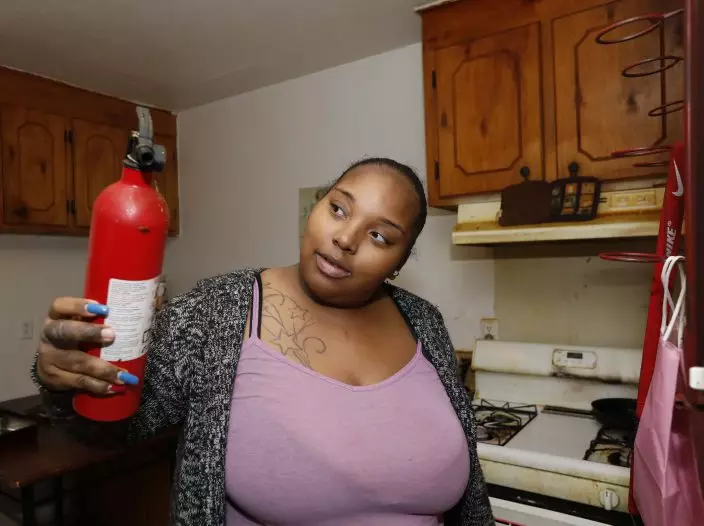
In this Feb. 20, 2019 photo, Destiny Johnson shows a nonworking fire extinguisher in her apartment in Cedarhurst Homes, a federally subsidized, low-income apartment complex in Natchez, Miss. Johnson said the complex management gave her the extinguisher which was supposed to be fully charged, only to have it fail during a kitchen fire. The complex failed a health and safety inspection in each of the past three years. Upset with conditions, Johnson moved out in late March. (AP PhotoRogelio V. Solis)
In this Feb. 20, 2019 photo, Destiny Johnson shows a nonworking fire extinguisher in her apartment in Cedarhurst Homes, a federally subsidized, low-income apartment complex in Natchez, Miss. Johnson said the complex management gave her the extinguisher which was supposed to be fully charged, only to have it fail during a kitchen fire. The complex failed a health and safety inspection in each of the past three years. Upset with conditions, Johnson moved out in late March. (AP PhotoRogelio V. Solis)
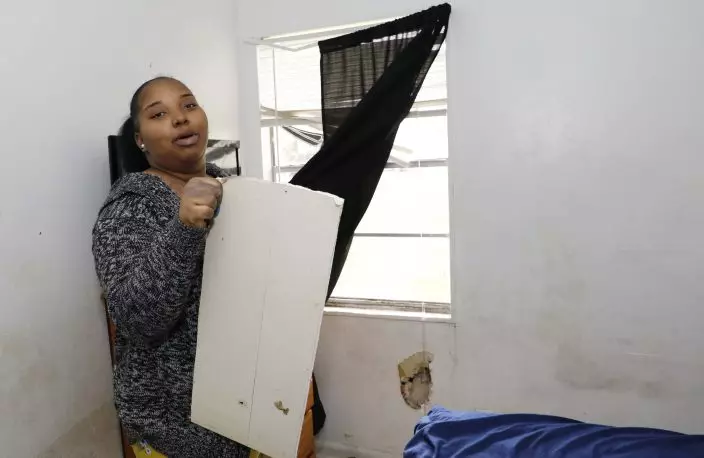
In this Feb. 20, 2019 photo, Destiny Johnson shows the section of drywall that maintenance workers gave her to patch a hole in her bedroom wall in her apartment in Cedarhurst Homes, a federally subsidized, low-income apartment complex in Natchez, Miss. The complex failed a health and safety inspection in each of the past three years. Upset with conditions, Johnson moved out in late March. (AP PhotoRogelio V. Solis)
In this Feb. 20, 2019 photo, Destiny Johnson shows the section of drywall that maintenance workers gave her to patch a hole in her bedroom wall in her apartment in Cedarhurst Homes, a federally subsidized, low-income apartment complex in Natchez, Miss. The complex failed a health and safety inspection in each of the past three years. Upset with conditions, Johnson moved out in late March. (AP PhotoRogelio V. Solis)

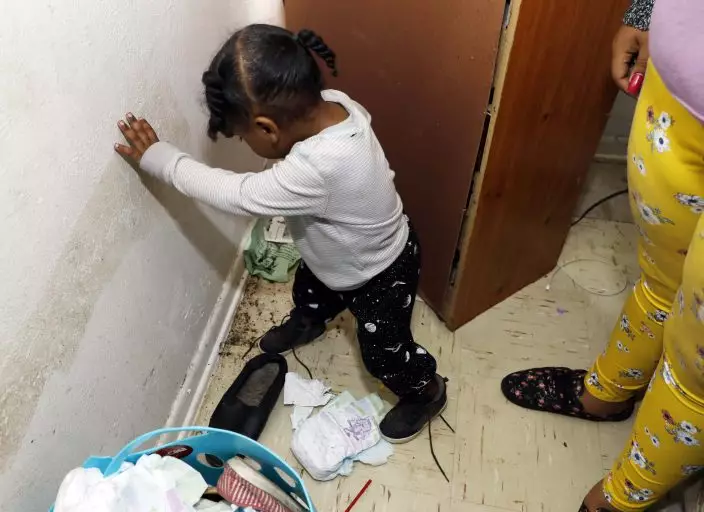
In this Feb. 20, 2019 photo, Destiny Johnson's son, Hayden Howard, 2, steps on roaches in his mother's apartment in Cedarhurst Homes, a federally subsidized, low-income apartment complex in Natchez, Miss. The complex failed a health and safety inspection in each of the past three years. Upset with conditions, Johnson moved out in late March. (AP PhotoRogelio V. Solis)

In this Feb. 20, 2019 photo, Destiny Johnson's son, Hayden Howard, 2, steps on roaches in his mother's apartment in Cedarhurst Homes, a federally subsidized, low-income apartment complex in Natchez, Miss. The complex failed a health and safety inspection in each of the past three years. Upset with conditions, Johnson moved out in late March. (AP PhotoRogelio V. Solis)

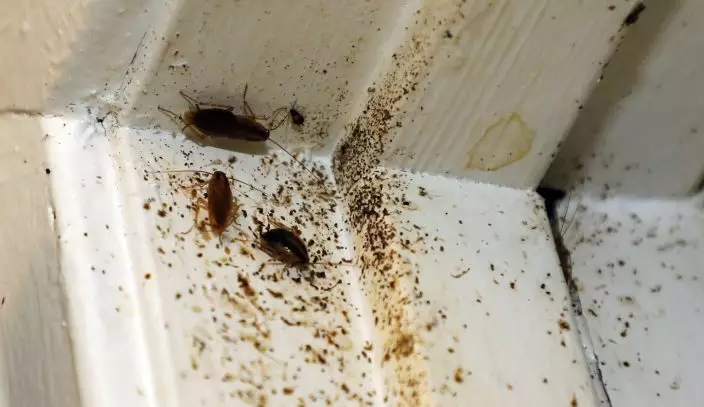
In this Feb. 20, 2019 photo, roaches line the door jam of Destiny Johnson's apartment in Cedarhurst Homes, a federally subsidized, low-income apartment complex in Natchez, Miss. The complex received at least three failing inspection scores in recent years. Upset with conditions, Johnson moved out in late March. (AP PhotoRogelio V. Solis)
In this Feb. 20, 2019 photo, roaches line the door jam of Destiny Johnson's apartment in Cedarhurst Homes, a federally subsidized, low-income apartment complex in Natchez, Miss. The complex received at least three failing inspection scores in recent years. Upset with conditions, Johnson moved out in late March. (AP PhotoRogelio V. Solis)

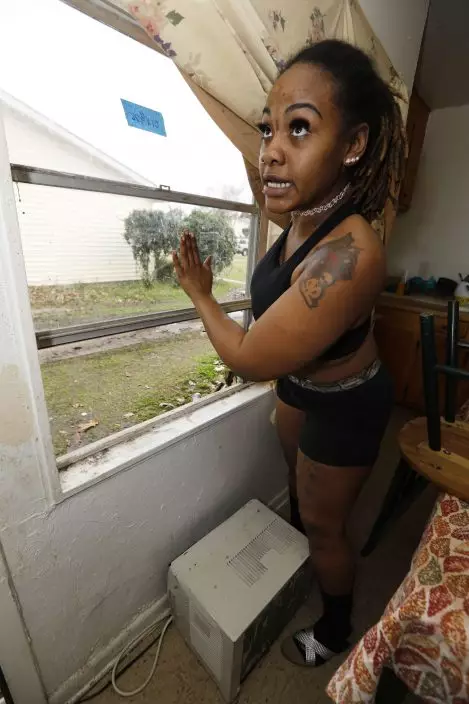
In this Feb. 20, 2019 photo, Whitley Williams demonstrates how a recently repaired window does not open easily, preventing her from using a window air conditioner to help cool her apartment in Cedarhurst Homes, a federally subsidized, low-income apartment complex in Natchez, Miss. Williams said she had complained about the central heating and another window unit not working for months, with no repairs. The complex failed a health and safety inspection in each of the past three years. (AP PhotoRogelio V. Solis)
In this Feb. 20, 2019 photo, Whitley Williams demonstrates how a recently repaired window does not open easily, preventing her from using a window air conditioner to help cool her apartment in Cedarhurst Homes, a federally subsidized, low-income apartment complex in Natchez, Miss. Williams said she had complained about the central heating and another window unit not working for months, with no repairs. The complex failed a health and safety inspection in each of the past three years. (AP PhotoRogelio V. Solis)
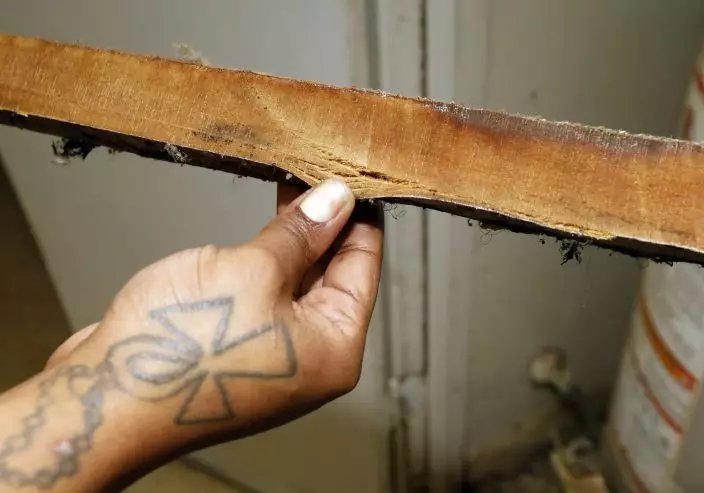
In this Feb. 20, 2019 photo, Whitley Williams shows a piece of rotting trim from the door leading to her leaking water heater in her apartment at Cedarhurst Homes, a federally subsidized, low-income apartment complex in Natchez, Miss. Williams said she has complained about the water heater not working for months, with no repairs from maintenance. The complex failed a health and safety inspection in each of the past three years. (AP PhotoRogelio V. Solis)
In this Feb. 20, 2019 photo, Whitley Williams shows a piece of rotting trim from the door leading to her leaking water heater in her apartment at Cedarhurst Homes, a federally subsidized, low-income apartment complex in Natchez, Miss. Williams said she has complained about the water heater not working for months, with no repairs from maintenance. The complex failed a health and safety inspection in each of the past three years. (AP PhotoRogelio V. Solis)

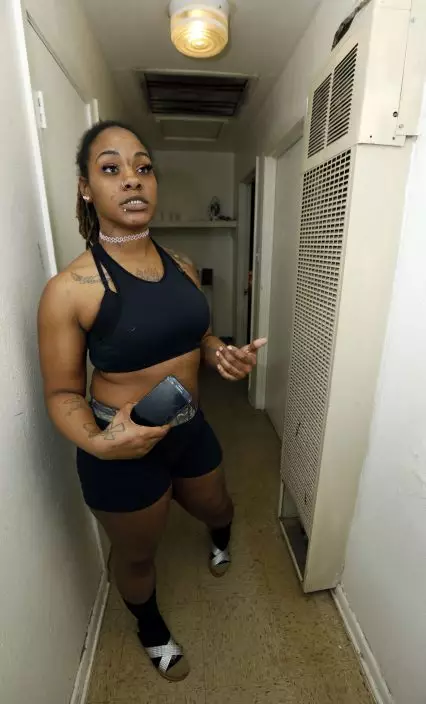
In this Feb. 20, 2019 photo, Whitley Williams points out the nonworking central heater in her apartment in Cedarhurst Homes, a federally subsidized, low-income apartment complex in Natchez, Miss. Williams said she has complained about it not working for months, with no repairs. The complex failed a health and safety inspection in each of the past three years. (AP PhotoRogelio V. Solis)

In this Feb. 20, 2019 photo, Whitley Williams points out the nonworking central heater in her apartment in Cedarhurst Homes, a federally subsidized, low-income apartment complex in Natchez, Miss. Williams said she has complained about it not working for months, with no repairs. The complex failed a health and safety inspection in each of the past three years. (AP PhotoRogelio V. Solis)

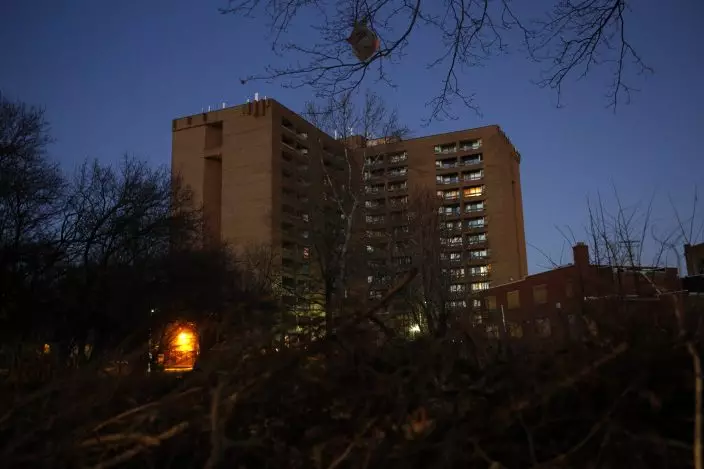
In this Feb. 25, 2019 photo, dusk settles over Rosemont Tower in Baltimore. Health and safety inspectors gave the 200-unit public housing high-rise a failing score of 25 out of a possible 100 in 2017. The score improved to 71 last year, according to housing authority officials. (AP PhotoPatrick Semansky)
In this Feb. 25, 2019 photo, dusk settles over Rosemont Tower in Baltimore. Health and safety inspectors gave the 200-unit public housing high-rise a failing score of 25 out of a possible 100 in 2017. The score improved to 71 last year, according to housing authority officials. (AP PhotoPatrick Semansky)

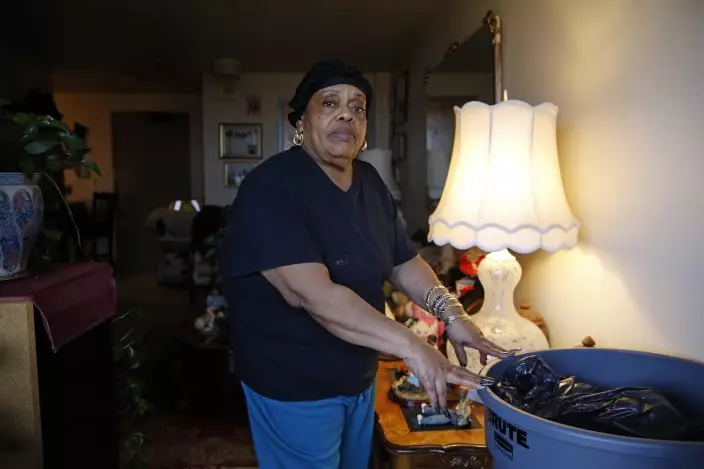
In this Feb. 26, 2019 photo, Della Thomas stands with a trash can that she says management provided to catch water dripping from her ceiling during rain storms in her Rosemont Tower apartment in Baltimore. Largely due to complexes such as Rosemont Tower, since 2013 Maryland had the country's highest inspection failure rate for public housing at 32%. (AP PhotoPatrick Semansky)
In this Feb. 26, 2019 photo, Della Thomas stands with a trash can that she says management provided to catch water dripping from her ceiling during rain storms in her Rosemont Tower apartment in Baltimore. Largely due to complexes such as Rosemont Tower, since 2013 Maryland had the country's highest inspection failure rate for public housing at 32%. (AP PhotoPatrick Semansky)
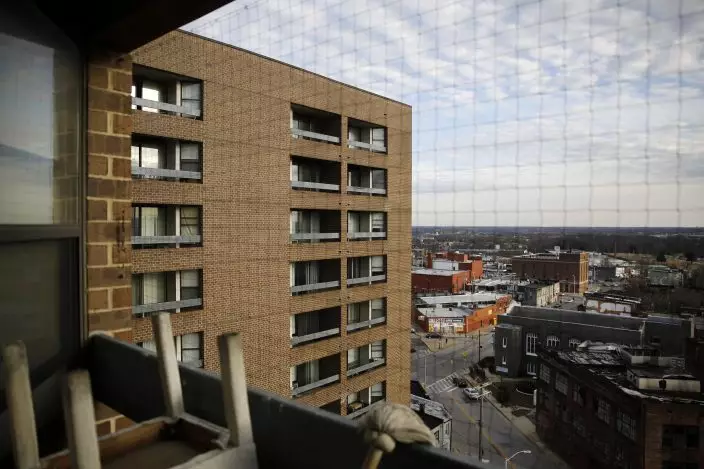
This Feb. 26, 2019, photo shows Rosemont Tower in Baltimore from a resident's balcony. Health and safety inspectors gave the 200-unit public housing high-rise a failing score of 25 out of a possible 100 in 2017 and then last year a score of 71, according to the housing authority. Largely due to complexes such as Rosemont Tower, since 2013 Maryland had the country's highest inspection failure rate for public housing at 32%. (AP PhotoPatrick Semansky)
This Feb. 26, 2019, photo shows Rosemont Tower in Baltimore from a resident's balcony. Health and safety inspectors gave the 200-unit public housing high-rise a failing score of 25 out of a possible 100 in 2017 and then last year a score of 71, according to the housing authority. Largely due to complexes such as Rosemont Tower, since 2013 Maryland had the country's highest inspection failure rate for public housing at 32%. (AP PhotoPatrick Semansky)

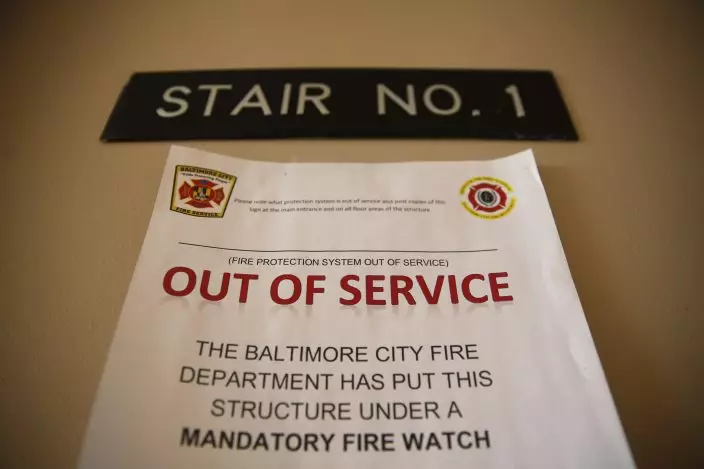
In this Feb. 22, 2019 photo, a sign alerts residents in Rosemont Tower in Baltimore that the fire sprinkler system is out of service, requiring a firefighter to stand watch around the clock. Largely due to complexes such as Rosemont Tower, since 2013 Maryland had the country's highest inspection failure rate for public housing at 32%. (AP PhotoPatrick Semansky)

In this Feb. 22, 2019 photo, a sign alerts residents in Rosemont Tower in Baltimore that the fire sprinkler system is out of service, requiring a firefighter to stand watch around the clock. Largely due to complexes such as Rosemont Tower, since 2013 Maryland had the country's highest inspection failure rate for public housing at 32%. (AP PhotoPatrick Semansky)

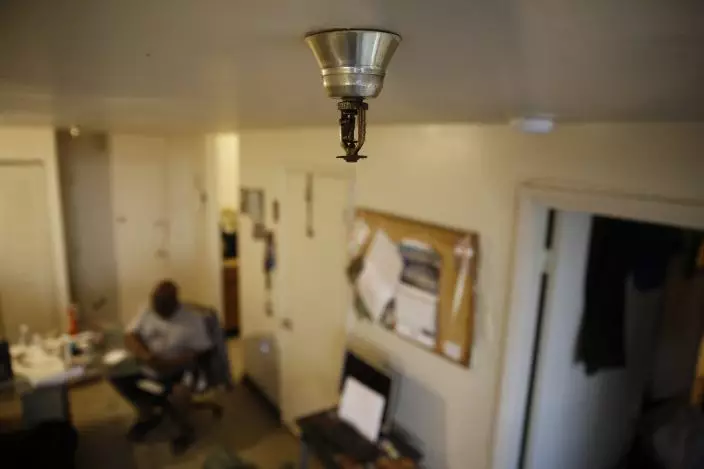
This Feb. 26, 2019, photo shows a sprinkler in Rosemont Tower resident Larnell Robinson's apartment in Baltimore. Signs in the building's halls alert residents that the fire sprinkler system is out of service, requiring a firefighter to stand watch around the clock. (AP PhotoPatrick Semansky)
This Feb. 26, 2019, photo shows a sprinkler in Rosemont Tower resident Larnell Robinson's apartment in Baltimore. Signs in the building's halls alert residents that the fire sprinkler system is out of service, requiring a firefighter to stand watch around the clock. (AP PhotoPatrick Semansky)

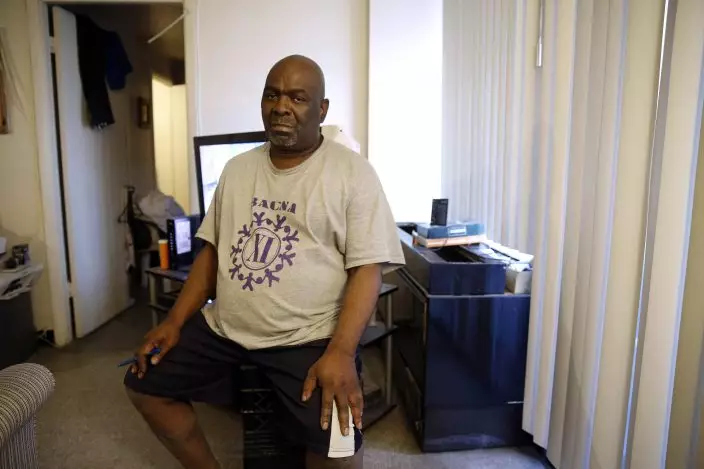
In this Feb. 26, 2019 photo, Rosemont Tower resident Larnell Robinson sits next to a broken heating unit in his apartment in Baltimore. Largely due to complexes such as Rosemont Tower, since 2013 Maryland had the country's highest inspection failure rate for public housing at 32%. (AP PhotoPatrick Semansky)


In this Feb. 26, 2019 photo, Rosemont Tower resident Larnell Robinson sits next to a broken heating unit in his apartment in Baltimore. Largely due to complexes such as Rosemont Tower, since 2013 Maryland had the country's highest inspection failure rate for public housing at 32%. (AP PhotoPatrick Semansky)

Most failing inspections involved urgent health or safety violations, which can range from electrical hazards to rats.

In this Feb. 20, 2019 photo, Destiny Johnson shows a nonworking fire extinguisher in her apartment in Cedarhurst Homes, a federally subsidized, low-income apartment complex in Natchez, Miss. Johnson said the complex management gave her the extinguisher which was supposed to be fully charged, only to have it fail during a kitchen fire. The complex failed a health and safety inspection in each of the past three years. Upset with conditions, Johnson moved out in late March. (AP PhotoRogelio V. Solis)

In this Feb. 20, 2019 photo, Destiny Johnson shows a nonworking fire extinguisher in her apartment in Cedarhurst Homes, a federally subsidized, low-income apartment complex in Natchez, Miss. Johnson said the complex management gave her the extinguisher which was supposed to be fully charged, only to have it fail during a kitchen fire. The complex failed a health and safety inspection in each of the past three years. Upset with conditions, Johnson moved out in late March. (AP PhotoRogelio V. Solis)

Louisiana and Mississippi had the highest inspection failure rates for rent-subsidized private apartments since 1999. Maryland and the District of Columbia fared worst in public housing.

U.S. Department of Housing and Urban Development spokesman Brian Sullivan says the agency is making inspections tougher, which lowers scores. He also acknowledges that older properties do not always get the repairs they need.

In this Feb. 20, 2019 photo, Destiny Johnson shows the section of drywall that maintenance workers gave her to patch a hole in her bedroom wall in her apartment in Cedarhurst Homes, a federally subsidized, low-income apartment complex in Natchez, Miss. The complex failed a health and safety inspection in each of the past three years. Upset with conditions, Johnson moved out in late March. (AP PhotoRogelio V. Solis)

In this Feb. 20, 2019 photo, Destiny Johnson shows the section of drywall that maintenance workers gave her to patch a hole in her bedroom wall in her apartment in Cedarhurst Homes, a federally subsidized, low-income apartment complex in Natchez, Miss. The complex failed a health and safety inspection in each of the past three years. Upset with conditions, Johnson moved out in late March. (AP PhotoRogelio V. Solis)

In this Feb. 20, 2019 photo, Destiny Johnson's son, Hayden Howard, 2, steps on roaches in his mother's apartment in Cedarhurst Homes, a federally subsidized, low-income apartment complex in Natchez, Miss. The complex failed a health and safety inspection in each of the past three years. Upset with conditions, Johnson moved out in late March. (AP PhotoRogelio V. Solis)

In this Feb. 20, 2019 photo, Destiny Johnson's son, Hayden Howard, 2, steps on roaches in his mother's apartment in Cedarhurst Homes, a federally subsidized, low-income apartment complex in Natchez, Miss. The complex failed a health and safety inspection in each of the past three years. Upset with conditions, Johnson moved out in late March. (AP PhotoRogelio V. Solis)

In this Feb. 20, 2019 photo, roaches line the door jam of Destiny Johnson's apartment in Cedarhurst Homes, a federally subsidized, low-income apartment complex in Natchez, Miss. The complex received at least three failing inspection scores in recent years. Upset with conditions, Johnson moved out in late March. (AP PhotoRogelio V. Solis)

In this Feb. 20, 2019 photo, roaches line the door jam of Destiny Johnson's apartment in Cedarhurst Homes, a federally subsidized, low-income apartment complex in Natchez, Miss. The complex received at least three failing inspection scores in recent years. Upset with conditions, Johnson moved out in late March. (AP PhotoRogelio V. Solis)

In this Feb. 20, 2019 photo, Whitley Williams demonstrates how a recently repaired window does not open easily, preventing her from using a window air conditioner to help cool her apartment in Cedarhurst Homes, a federally subsidized, low-income apartment complex in Natchez, Miss. Williams said she had complained about the central heating and another window unit not working for months, with no repairs. The complex failed a health and safety inspection in each of the past three years. (AP PhotoRogelio V. Solis)

In this Feb. 20, 2019 photo, Whitley Williams demonstrates how a recently repaired window does not open easily, preventing her from using a window air conditioner to help cool her apartment in Cedarhurst Homes, a federally subsidized, low-income apartment complex in Natchez, Miss. Williams said she had complained about the central heating and another window unit not working for months, with no repairs. The complex failed a health and safety inspection in each of the past three years. (AP PhotoRogelio V. Solis)

In this Feb. 20, 2019 photo, Whitley Williams shows a piece of rotting trim from the door leading to her leaking water heater in her apartment at Cedarhurst Homes, a federally subsidized, low-income apartment complex in Natchez, Miss. Williams said she has complained about the water heater not working for months, with no repairs from maintenance. The complex failed a health and safety inspection in each of the past three years. (AP PhotoRogelio V. Solis)

In this Feb. 20, 2019 photo, Whitley Williams shows a piece of rotting trim from the door leading to her leaking water heater in her apartment at Cedarhurst Homes, a federally subsidized, low-income apartment complex in Natchez, Miss. Williams said she has complained about the water heater not working for months, with no repairs from maintenance. The complex failed a health and safety inspection in each of the past three years. (AP PhotoRogelio V. Solis)

In this Feb. 20, 2019 photo, Whitley Williams points out the nonworking central heater in her apartment in Cedarhurst Homes, a federally subsidized, low-income apartment complex in Natchez, Miss. Williams said she has complained about it not working for months, with no repairs. The complex failed a health and safety inspection in each of the past three years. (AP PhotoRogelio V. Solis)

In this Feb. 20, 2019 photo, Whitley Williams points out the nonworking central heater in her apartment in Cedarhurst Homes, a federally subsidized, low-income apartment complex in Natchez, Miss. Williams said she has complained about it not working for months, with no repairs. The complex failed a health and safety inspection in each of the past three years. (AP PhotoRogelio V. Solis)

In this Feb. 25, 2019 photo, dusk settles over Rosemont Tower in Baltimore. Health and safety inspectors gave the 200-unit public housing high-rise a failing score of 25 out of a possible 100 in 2017. The score improved to 71 last year, according to housing authority officials. (AP PhotoPatrick Semansky)

In this Feb. 25, 2019 photo, dusk settles over Rosemont Tower in Baltimore. Health and safety inspectors gave the 200-unit public housing high-rise a failing score of 25 out of a possible 100 in 2017. The score improved to 71 last year, according to housing authority officials. (AP PhotoPatrick Semansky)

In this Feb. 26, 2019 photo, Della Thomas stands with a trash can that she says management provided to catch water dripping from her ceiling during rain storms in her Rosemont Tower apartment in Baltimore. Largely due to complexes such as Rosemont Tower, since 2013 Maryland had the country's highest inspection failure rate for public housing at 32%. (AP PhotoPatrick Semansky)

In this Feb. 26, 2019 photo, Della Thomas stands with a trash can that she says management provided to catch water dripping from her ceiling during rain storms in her Rosemont Tower apartment in Baltimore. Largely due to complexes such as Rosemont Tower, since 2013 Maryland had the country's highest inspection failure rate for public housing at 32%. (AP PhotoPatrick Semansky)

This Feb. 26, 2019, photo shows Rosemont Tower in Baltimore from a resident's balcony. Health and safety inspectors gave the 200-unit public housing high-rise a failing score of 25 out of a possible 100 in 2017 and then last year a score of 71, according to the housing authority. Largely due to complexes such as Rosemont Tower, since 2013 Maryland had the country's highest inspection failure rate for public housing at 32%. (AP PhotoPatrick Semansky)

This Feb. 26, 2019, photo shows Rosemont Tower in Baltimore from a resident's balcony. Health and safety inspectors gave the 200-unit public housing high-rise a failing score of 25 out of a possible 100 in 2017 and then last year a score of 71, according to the housing authority. Largely due to complexes such as Rosemont Tower, since 2013 Maryland had the country's highest inspection failure rate for public housing at 32%. (AP PhotoPatrick Semansky)

In this Feb. 22, 2019 photo, a sign alerts residents in Rosemont Tower in Baltimore that the fire sprinkler system is out of service, requiring a firefighter to stand watch around the clock. Largely due to complexes such as Rosemont Tower, since 2013 Maryland had the country's highest inspection failure rate for public housing at 32%. (AP PhotoPatrick Semansky)

In this Feb. 22, 2019 photo, a sign alerts residents in Rosemont Tower in Baltimore that the fire sprinkler system is out of service, requiring a firefighter to stand watch around the clock. Largely due to complexes such as Rosemont Tower, since 2013 Maryland had the country's highest inspection failure rate for public housing at 32%. (AP PhotoPatrick Semansky)

This Feb. 26, 2019, photo shows a sprinkler in Rosemont Tower resident Larnell Robinson's apartment in Baltimore. Signs in the building's halls alert residents that the fire sprinkler system is out of service, requiring a firefighter to stand watch around the clock. (AP PhotoPatrick Semansky)

This Feb. 26, 2019, photo shows a sprinkler in Rosemont Tower resident Larnell Robinson's apartment in Baltimore. Signs in the building's halls alert residents that the fire sprinkler system is out of service, requiring a firefighter to stand watch around the clock. (AP PhotoPatrick Semansky)

In this Feb. 26, 2019 photo, Rosemont Tower resident Larnell Robinson sits next to a broken heating unit in his apartment in Baltimore. Largely due to complexes such as Rosemont Tower, since 2013 Maryland had the country's highest inspection failure rate for public housing at 32%. (AP PhotoPatrick Semansky)

In this Feb. 26, 2019 photo, Rosemont Tower resident Larnell Robinson sits next to a broken heating unit in his apartment in Baltimore. Largely due to complexes such as Rosemont Tower, since 2013 Maryland had the country's highest inspection failure rate for public housing at 32%. (AP PhotoPatrick Semansky)

DUBAI, United Arab Emirates (AP) — Nationwide protests challenging Iran's theocracy saw protesters flood the streets in the country's capital and its second-largest city into Sunday, crossing the two-week mark as violence surrounding the demonstrations has killed at least 116 people, activists said.

With the internet down in Iran and phone lines cut off, gauging the demonstrations from abroad has grown more difficult. But the death toll in the protests has grown, while 2,600 others have been detained, according to the U.S.-based Human Rights Activists News Agency.

Those abroad fear the information blackout will embolden hard-liners within Iran's security services to launch a bloody crackdown, despite warnings from U.S. President Donald Trump he's willing to strike the Islamic Republic to protect peaceful demonstrators.

Trump offered support for the protesters, saying on social media that “Iran is looking at FREEDOM, perhaps like never before. The USA stands ready to help!!!” The New York Times and Wall Street Journal, citing anonymous U.S. officials, said on Saturday night that Trump had been given military options for a strike on Iran, but hadn’t made a final decision.

The State Department separately warned: “Do not play games with President Trump. When he says he’ll do something, he means it.”

Online videos sent out of Iran, likely using Starlink satellite transmitters, purportedly showed demonstrators gathering in northern Tehran's Punak neighborhood. There, it appeared authorities shut off streets, with protesters waving their lit mobile phones. Others banged metal while fireworks went off.

Other footage purportedly showed demonstrators peacefully marching down a street and others honking their car horns on the street.

In Mashhad, Iran's second-largest city, some 725 kilometers (450 miles) northeast of Tehran, footage purported to show protesters confronting security forces. Flaming debris and dumpsters could be seen in the street, blocking the road. Mashhad is home to the Imam Reza shrine, the holiest in Shiite Islam, making the protests there carry heavy significance for the country's theocracy.

Protests also appeared to happen in Kerman, 800 kilometers (500 miles) southeast of Tehran.

Iranian state television on Sunday morning took a page from demonstrators, having their correspondents appear on streets in several cities to show calm areas with a date stamp shown on screen. Tehran and Mashhad were not included. They also showed pro-government demonstrations in Qom and Qazvin.

Supreme Leader Ayatollah Ali Khamenei has signaled a coming clampdown, despite U.S. warnings. Tehran escalated its threats Saturday, with Iran’s attorney general, Mohammad Movahedi Azad, warning that anyone taking part in protests will be considered an “enemy of God,” a death-penalty charge. The statement carried by Iranian state television said even those who “helped rioters” would face the charge.

Iran’s theocracy cut off the nation from the internet and international telephone calls on Thursday, though it allowed some state-owned and semiofficial media to publish. Qatar’s state-funded Al Jazeera news network reported live from Iran, but they appeared to be the only major foreign outlet able to work.

Iran’s exiled Crown Prince Reza Pahlavi, who called for protests Thursday and Friday, asked in his latest message for demonstrators to take to the streets Saturday and Sunday. He urged protesters to carry Iran’s old lion-and-sun flag and other national symbols used during the time of the shah to “claim public spaces as your own.”

Pahlavi’s support of and from Israel has drawn criticism in the past — particularly after the 12-day war. Demonstrators have shouted in support of the shah in some protests, but it isn’t clear whether that’s support for Pahlavi himself or a desire to return to a time before the 1979 Islamic Revolution.

The demonstrations began Dec. 28 over the collapse of the Iranian rial currency, which trades at over 1.4 million to $1, as the country’s economy is squeezed by international sanctions in part levied over its nuclear program. The protests intensified and grew into calls directly challenging Iran’s theocracy.

In this frame grab from footage circulating on social media from Iran showed protesters once again taking to the streets of Tehran despite an intensifying crackdown as the Islamic Republic remains cut off from the rest of the world in Tehran, Iran, Saturday Jan. 10, 2026. (UGC via AP)

In this frame grab from footage circulating on social media from Iran showed protesters once again taking to the streets of Tehran despite an intensifying crackdown as the Islamic Republic remains cut off from the rest of the world in Tehran, Iran, Saturday Jan. 10, 2026. (UGC via AP)

Recommended Articles