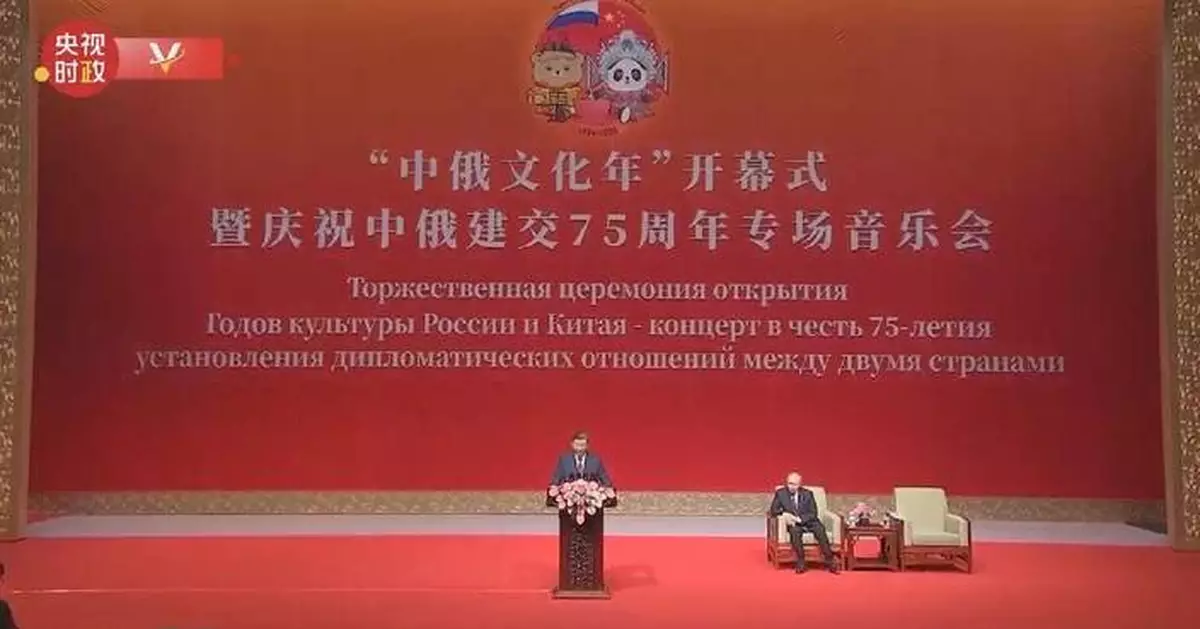
Chinese President Xi Jinping applauded China-Russia cultural exchange when speaking at the opening ceremony of the China-Russia Years of Culture and a special concert celebrating the 75th anniversary of the two countries' diplomatic ties in Beijing on Thursday.
Jointly attending the event with visiting Russian President Vladimir Putin, Xi spoke highly of the music cultures of the two countries in his address.
"High Mountains and Flowing Water (a traditional Chinese music masterpiece) is played for cherished friends. China has a long tradition of building bonds and conveying emotions through music. Russian music has a profound cultural background and is particularly moving. The folk music of our two countries are splendid flowers in the garden of world civilization. Tonight, artists from the China National Traditional Orchestra and the Osipov State Russian Folk Orchestra will jointly present not only Russian songs well-known in Chinese households such as Moscow Nights and Katyusha, but also famous Chinese pieces with unique oriental charms such as Song of the Homebound Fishermen and Blooming Flowers and the Full Moon. We believe that this musical feast will become a splendid chapter in the cultural exchanges and mutual learning between China and Russia," Xi said.
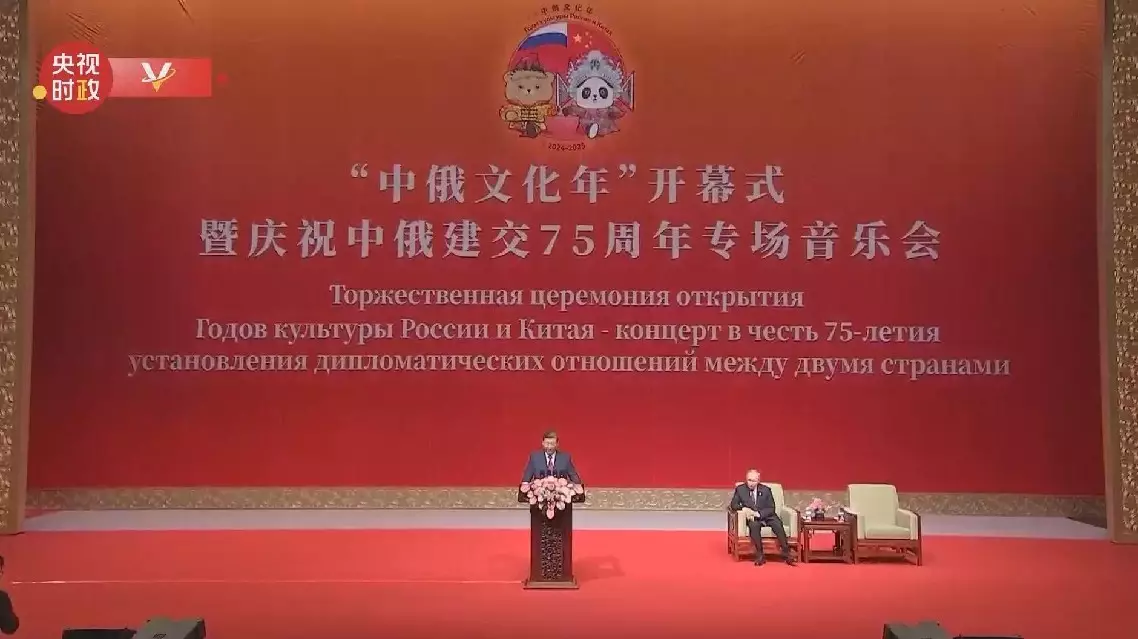
Xi applauds cultural exchange at opening ceremony of China-Russia Years of Culture
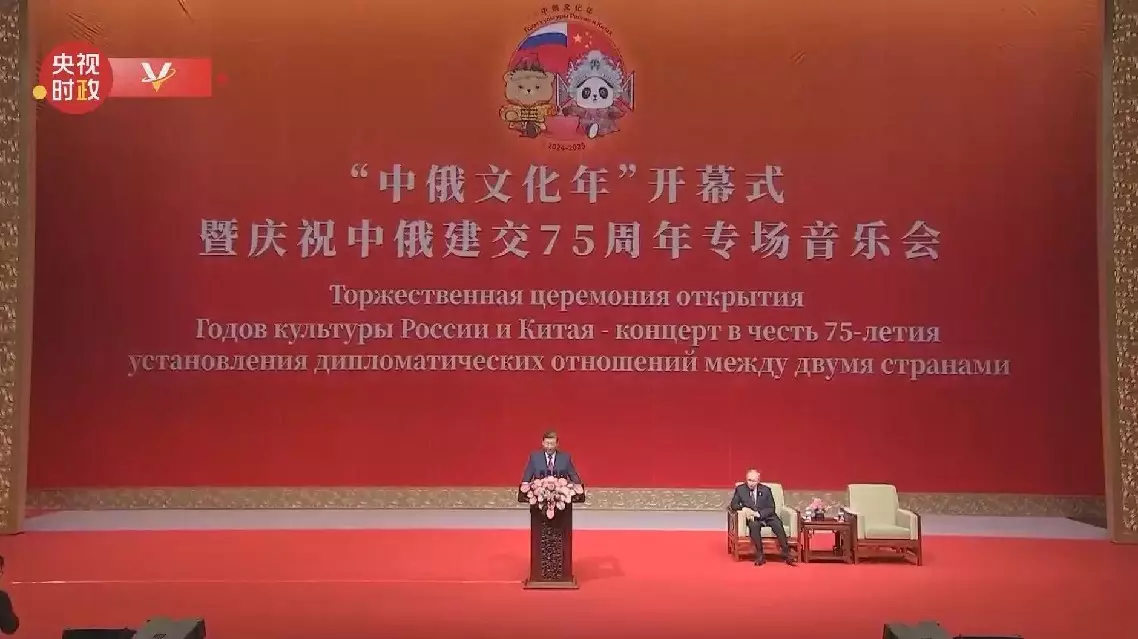
Xi applauds cultural exchange at opening ceremony of China-Russia Years of Culture
China will support Chinese and foreign enterprises in making joint technological breakthroughs to help upgrade the auto industry, Wang Weiming, chief engineer of the Ministry of Industry and Information Technology (MIIT), said on Saturday.
Wang made the statement as nine government departments on September 10 released a plan for the development of the intelligent connected NEV industry during the 15th Five-Year Plan period (2026-2030), a major document that has drawn wide attention across the industry.
The plan states that China will open up new prospects for global industrial cooperation and help build global industrial and supply chains. It calls for strengthening top-level design for the international development of the auto industry and guiding companies to deepen international cooperation through trade, investment and technological cooperation.
Speaking at the 2026 International Forum (TEDA) on Chinese Automotive Industry Development, which took place in Tianjin from Thursday to Sunday, Wang noted that in recent years many multinational companies have deepened cooperation with Chinese firms. China has also led the formulation of 18 global technical regulation documents and 30 international standards, deeply integrating into global industrial and supply chains.
He also said China will continue to pursue internationalized innovation and global development, oppose all forms of protectionism, and promote mutual recognition of international standards and rules.
"China supports Chinese and foreign enterprises in jointly carrying out technological breakthroughs, sharing innovation results and building an industrial ecosystem together, so as to jointly promote the transformation and upgrading of the global auto industry," Wang said.
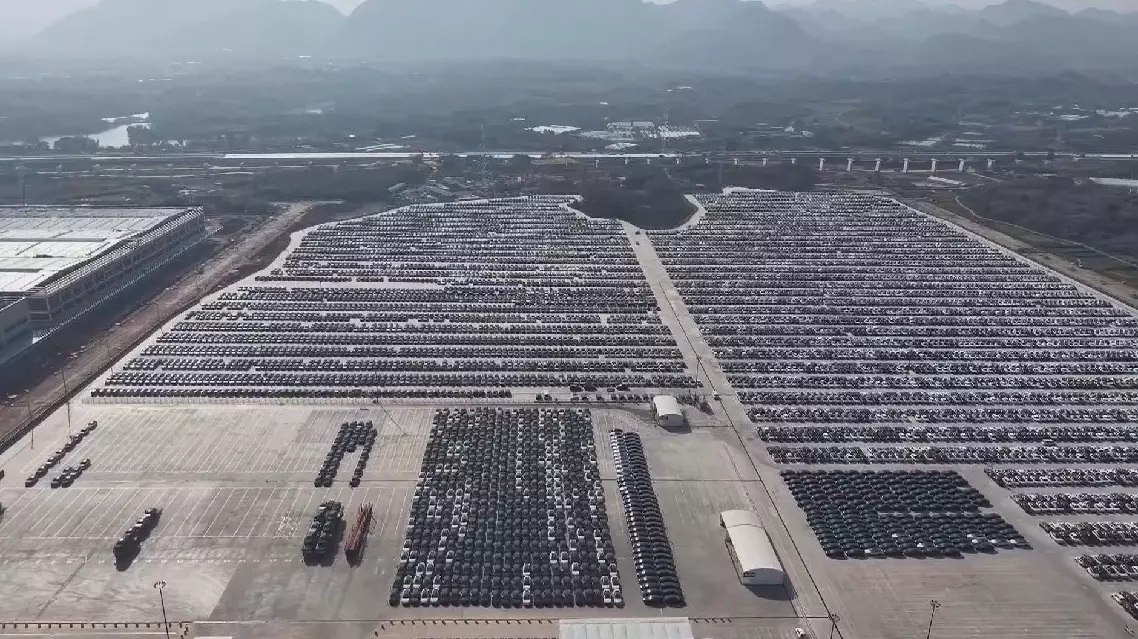
China to support global auto tech cooperation: chief engineer