The Laos-Thailand cross-border passenger train service officially started operation on Friday, enhancing rail connectivity between Vientiane and Bangkok while linking up with the China-Laos railway.
The first train on the rail line set off Friday night from the Bangkok Apiwat Station in the Thai capital and arrived at Khamsavath Station in Vientiane after a 10-hour trip covering a distance of 634 kilometers.
Click to Gallery
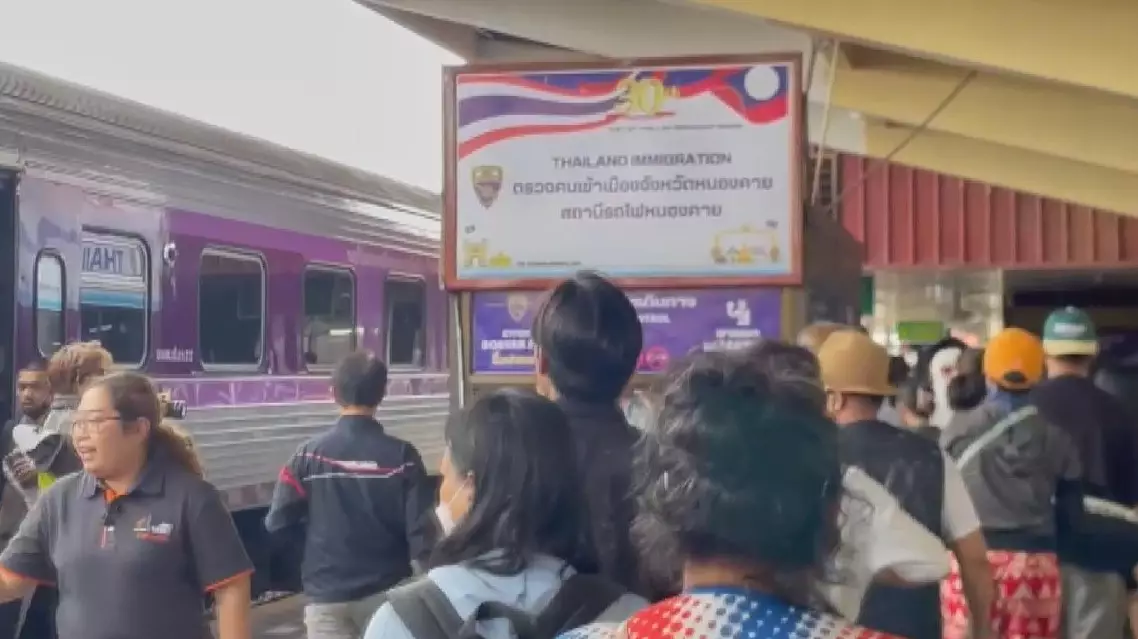
Laos-Thailand cross-border passenger train service begins operation
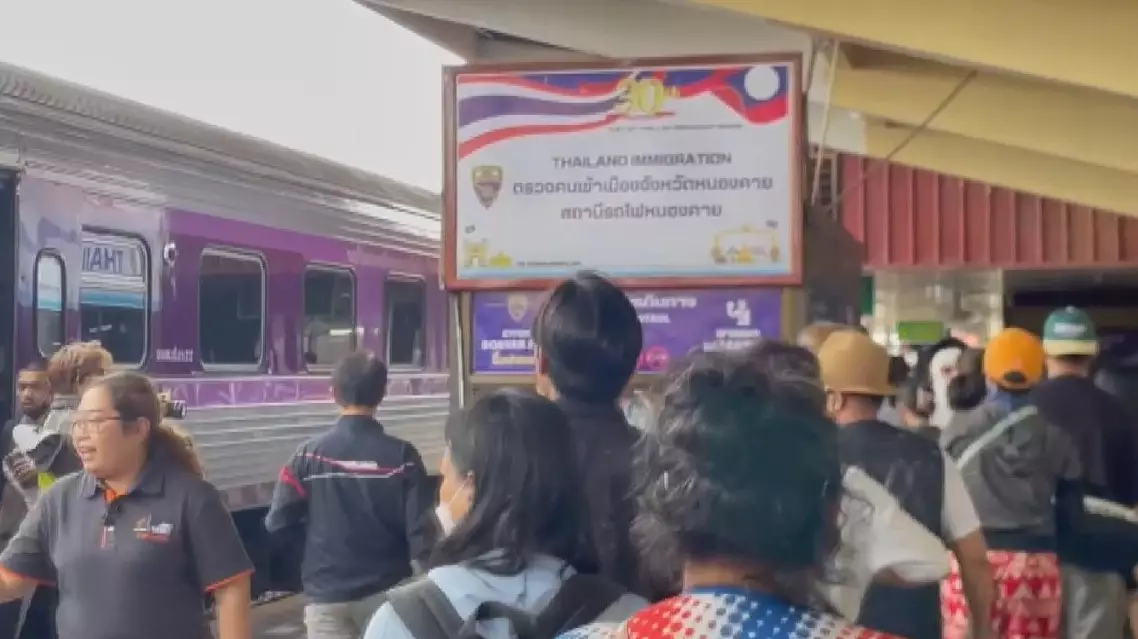
Laos-Thailand cross-border passenger train service begins operation
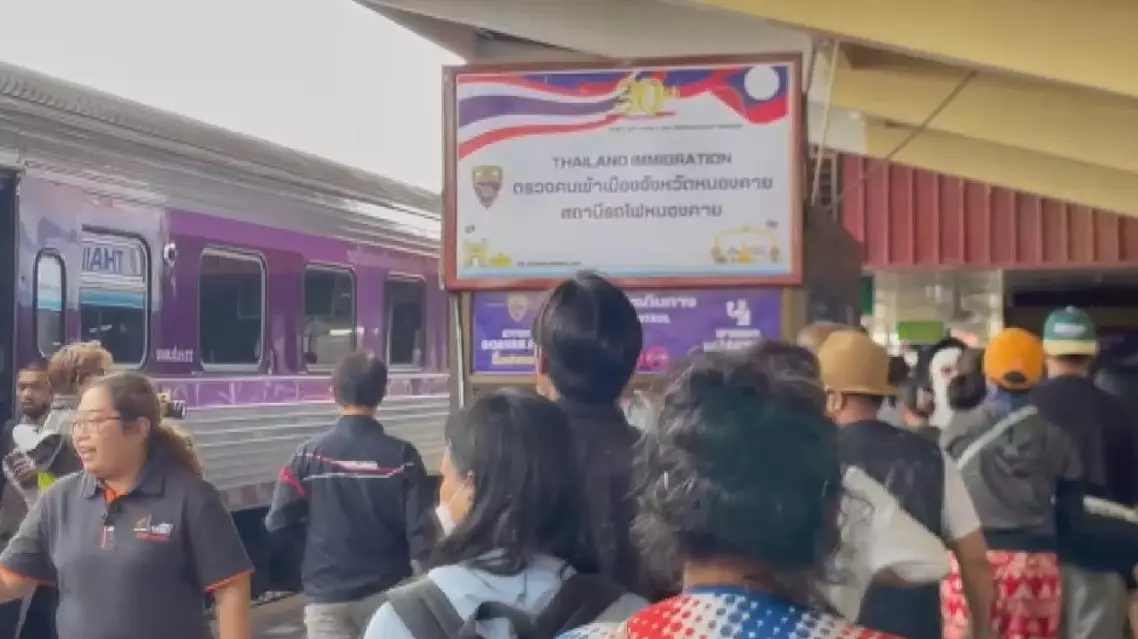
Laos-Thailand cross-border passenger train service begins operation
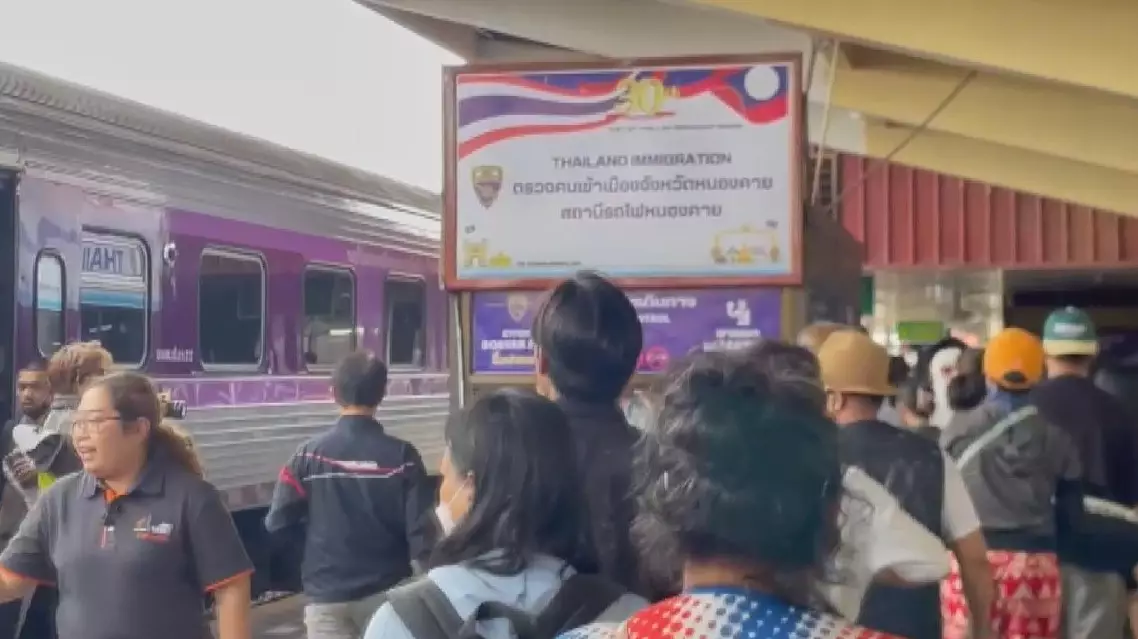
Laos-Thailand cross-border passenger train service begins operation
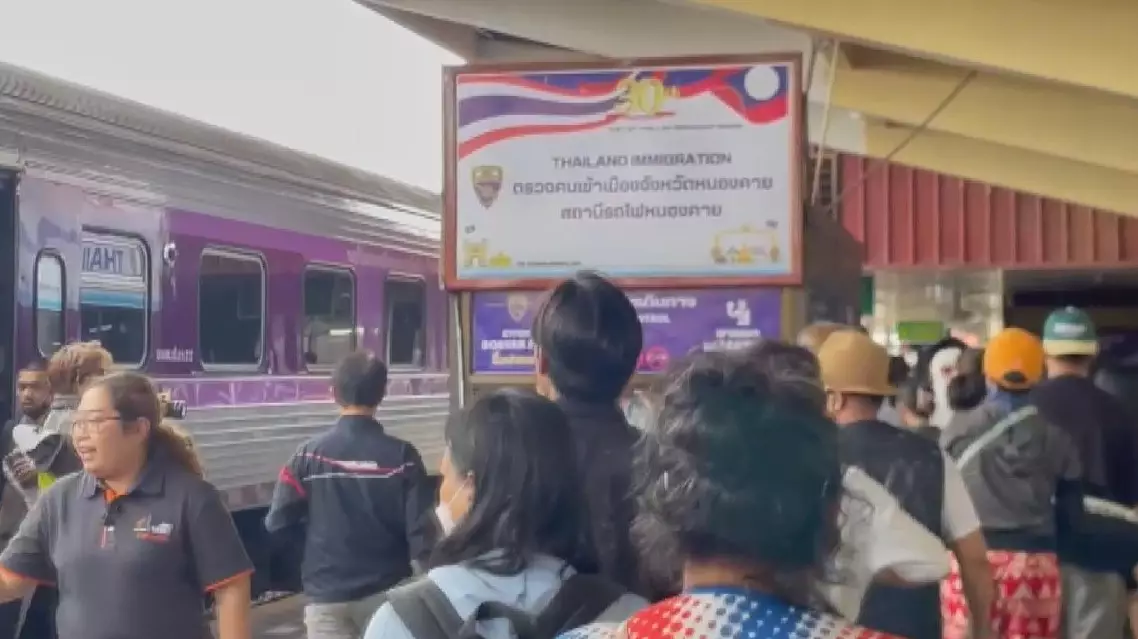
Laos-Thailand cross-border passenger train service begins operation
A welcome ceremony for the first group of passengers was held Saturday morning at Khamsavath, just 17 kilometers away from the Laos-China Railway Vientiane Station.
In the past, the railway link between Thailand and Laos spanned only 3.5 kilometers and mainly operated freight trains. The commencement of the cross-border passenger service means not only that Thai travelers can venture deeper into Laos to experience the country's beautiful scenery, but can even conveniently transfer to the China-Laos railway line for a journey to China.
The ticket prices range from 281 to 874 baht (about 7 to 24 U.S. dollars). Railway staff told China Central Television (CCTV) that the tickets were quickly sold out.
"When we learned the new railway line was opening, our family came here to experience it. We want to see the Patuxai Victory Gate in Vientiane and taste local cuisines. We learned that we can continue to take a train from Laos to Kunming, China. We are very interested in this. We will consider traveling to China via the China-Laos railway on our next trip," said a tourist from Thailand.
Officials and railway operators said the new train service, as part of the cooperative projects between the two governments to facilitate cross-border travel, is expected to enhance regional connectivity and bolster economic, trade, and tourism cooperation.
"We have prepared shuttle buses for passengers heading for Vientiane Station on the China-Laos Railway. They can continue to take the train to China. Some passengers choose to travel across Laos along the China-Laos Railway line. We will provide quality services for all of them," said Daochinda Siharath, director-general of Lao National Railway State Enterprise.
"The Thai-China high-speed rail project is underway. And today, the passenger train between Thailand and Laos is launched. Tourists can take this train and change to the Laos-China Railway route to enter China. It forms a two-way exchange. This is the result of the cooperation in promoting rail connectivity among Thailand, Laos and China," said Surapong Piyachote, Thailand's Deputy Minister of Transport.
Laos-Thailand cross-border passenger train service begins operation
Laos-Thailand cross-border passenger train service begins operation
Laos-Thailand cross-border passenger train service begins operation
Laos-Thailand cross-border passenger train service begins operation
Laos-Thailand cross-border passenger train service begins operation