Skip to Content Facebook Feature Image

Israeli attack, assassination of Hezbollah leader escalate border tension

China

China

China

Israeli attack, assassination of Hezbollah leader escalate border tension

2024-09-22 15:22 Last Updated At:21:57

Tensions along the Israel-Lebanon border continued to escalate on Sunday, following Israeli airstrikes on Beirut's suburbs that killed a high-ranking Hezbollah commander.

The Israeli army has reported over 100 projectiles fired from Lebanon on Sunday morning, with fires caused by falling munitions. This came in the wake of airstrikes on Hezbollah on Friday.

Lebanese Minister of Public Health Firass Abiad said 37 people, including women and children, died in Friday's strikes on two residential buildings, calling it a war crime.

The latest attack on Beirut which included the assassination of Ibrahim Akil, acting commander of Hezbollah's Elite Radwan Force, has heightened tensions across the region.

"One of the things we do is hospital evacuation. We take measures to release the wounded patients who no longer need hospital care so they can go home. (This helps prevent) a shortage of nursing and medical care, (and creates space for potential new cases) if [further] attacks occur. We also have a stockpile, and everyone knows that our plan has increased the stockpile to last for four months," Abiad said.

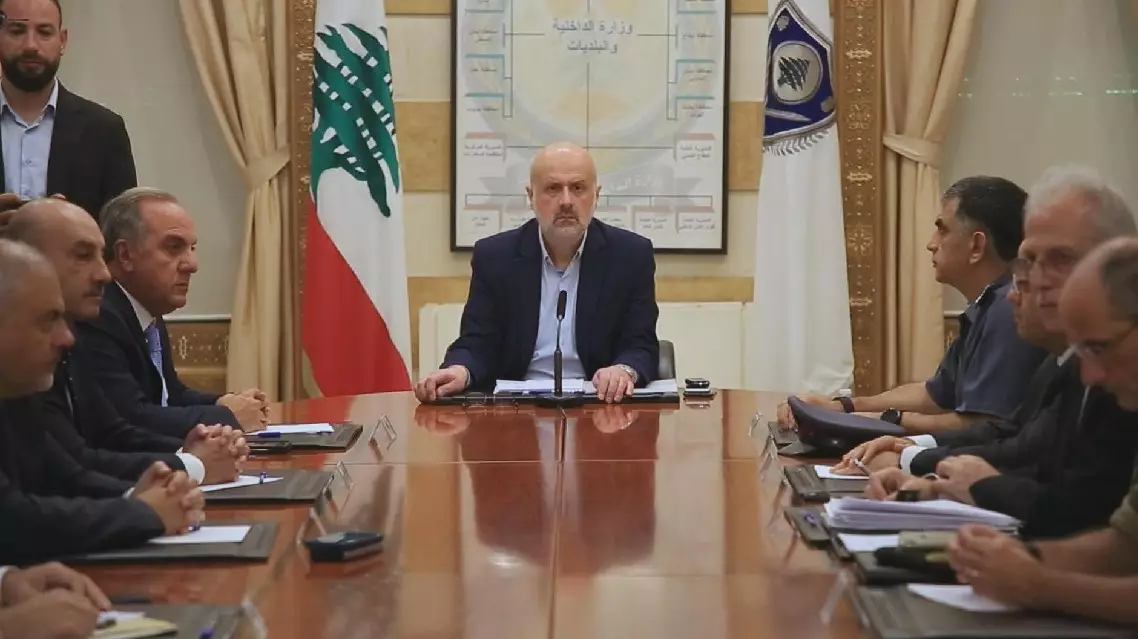
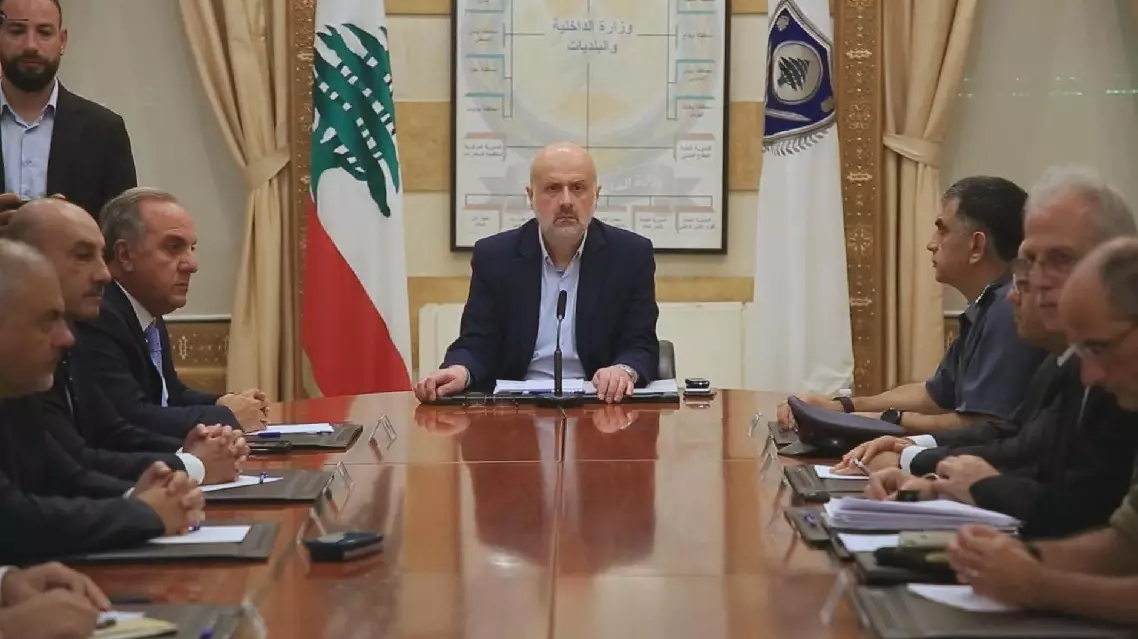
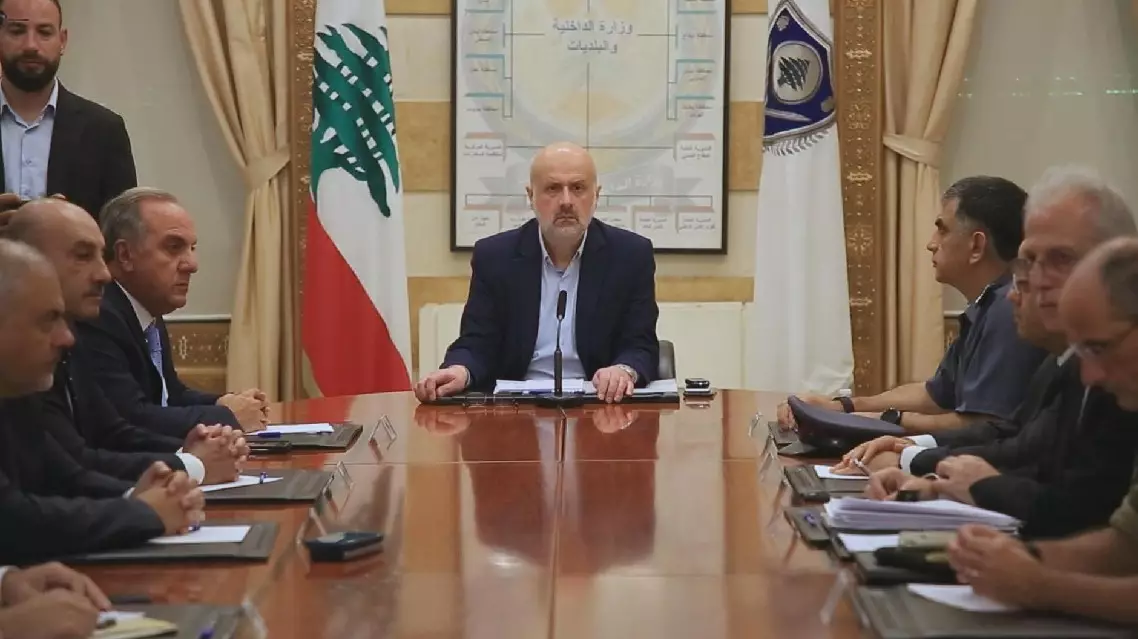
Following an emergency meeting of the Central Internal Security Council to discuss the developments of the Israeli raid, the Lebanese Interior Minister Bassam Mawlawi described the situation as "dangerous and delicate," adding that Lebanon had entered a "decisive" phase.

"The Israeli enemy is using new, advanced, and innovative technical methods. This is what the security and military agencies, particular intelligence units, are studying in parallel with their internal work. We will increase our focus on Palestinian and Syrian camps, monitor the entry and exit movements of foreigners, and hotels, borders, and the airport to prevent any aggression," said Mawlawi.

Hezbollah confirmed the assassination of Ibrahim Akil, calling him a martyr and pledging to uphold his mission.

All signs indicated that the escalating violence will continue, with tensions reaching unprecedented levels and the future uncertain.

The series of attacks, including communication device explosions earlier this week, have claimed dozens of lives, signifying an unprecedented challenge in Hezbollah's history.
Israeli attack, assassination of Hezbollah leader escalate border tension
Israeli attack, assassination of Hezbollah leader escalate border tension
Israeli attack, assassination of Hezbollah leader escalate border tension
Israeli attack, assassination of Hezbollah leader escalate border tension
Israeli attack, assassination of Hezbollah leader escalate border tension

Israeli attack, assassination of Hezbollah leader escalate border tension
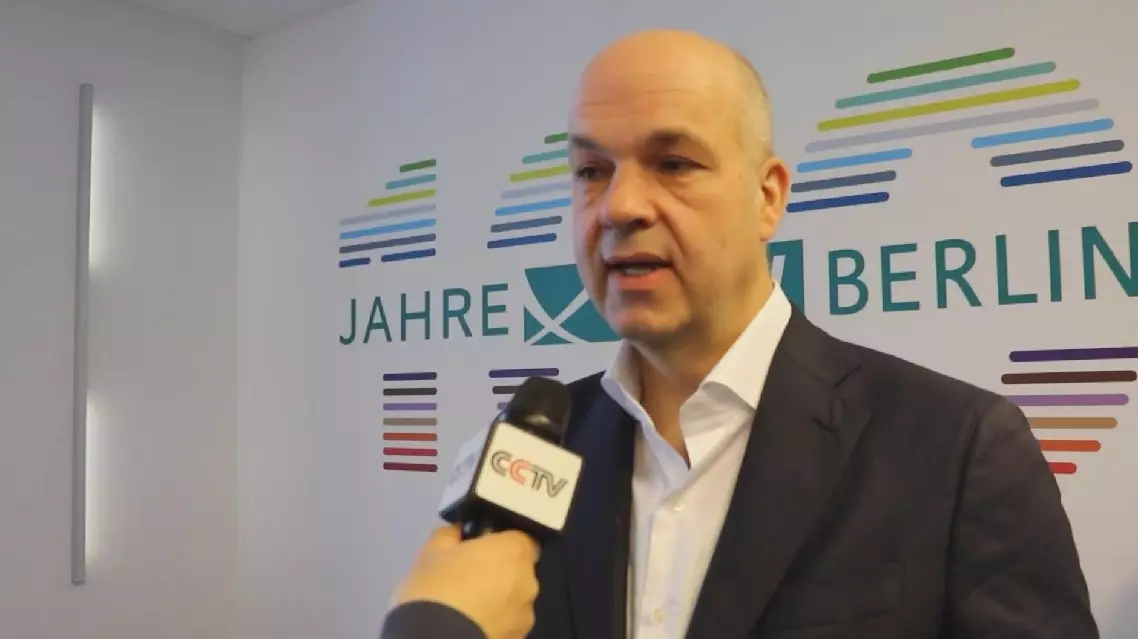
Germany's fragile economic recovery is at risk amid the surging energy costs linked to the ongoing Middle East conflict, which will potentially trigger another recession, said Marcel Fratzscher, president of the German Institute for Economic Research (DIW).

Fratzscher made the comments in a recent interview with the China Media Group (CMG) following the release of the institute's spring 2026 growth forecast for Germany.

"We are cautiously optimistic of the German economy this year. We see a clear recovery in growth, with 1.0 percent of growth expected this year and 1.4 percent next year. For Germany, these are respectable growth figures. But our great concern is the ongoing U.S.-Israeli military strikes against Iran, which could hit German industry hard through higher energy costs and rising inflation. In an extreme scenario, if the war escalates further, this could mean another recession for Germany's economy," he warned.

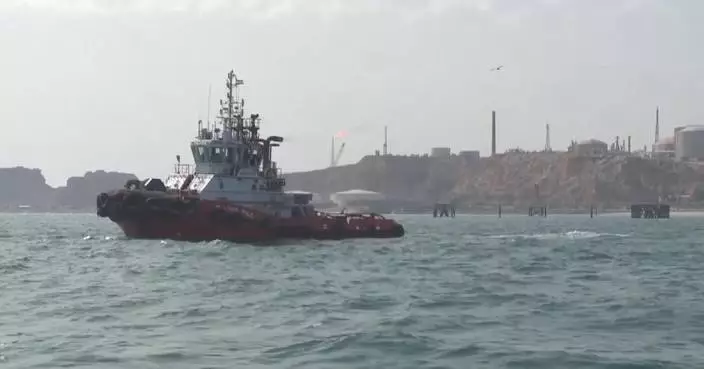
Fratzscher identified U.S. tariff policies and geopolitical tensions as key uncertainties for German growth, stressing that for Germany and Europe, the fate of the Strait of Hormuz matters more than the duration of the conflict.

"For the economic impact on Germany and Europe, how long the war lasts is less important than what happens with the Strait of Hormuz. Will it be reopened and remain permanently open for oil and gas exports? If that succeeds, we assume prices could fall relatively quickly, meaning we won't continue to see the high prices for oil and gas that we have now. That would be a significant relief for the European economy and also for Germany," he said.

The ongoing tensions in the Middle East have already pushed up fuel prices in Germany. As Europe's largest economy, Germany's manufacturing sector relies heavily on stable energy supplies. Persistent high energy costs risk slowing business investment and consumer spending, potentially undermining Germany's fragile economic recovery.

Germany's fragile economic recovery at risk amid Middle East tensions: senior economist

Germany's fragile economic recovery at risk amid Middle East tensions: senior economist

Germany's fragile economic recovery at risk amid Middle East tensions: senior economist

Germany's fragile economic recovery at risk amid Middle East tensions: senior economist

Germany's fragile economic recovery at risk amid Middle East tensions: senior economist

Germany's fragile economic recovery at risk amid Middle East tensions: senior economist

Recommended Articles