The dissolution of the lower house of Japan's parliament, setting the stage for a general election, has raised concerns among some Tokyo residents about the country’s political future.
The lower house was officially dissolved on Wednesday, as Prime Minister Shigeru Ishiba seeks to secure his party's lower house majority.
The general election is slated to be held on Oct 27, with campaigning set to begin on Oct 15.
Tokyo residents interviewed by China Central Television (CCTV) shared their views on the country’s political climate.
"I hope the government can take measures to solve the economic problems. Due to the depreciation of the Japanese yen, our economy is indeed weak at present. So what I'm most looking forward to is the new government taking action on the economy," said one resident.
"I'm a little dissatisfied, and I think the situation may not improve much and may even get worse," said another.
Ishiba won the leadership of the ruling Liberal Democratic Party (LDP) on Sept 27 and was elected prime minister on Oct 1 in a parliament controlled by an LDP-led coalition.
The timing marked the shortest period between a prime minister taking office and the dissolution of the lower house in Japan's postwar history.
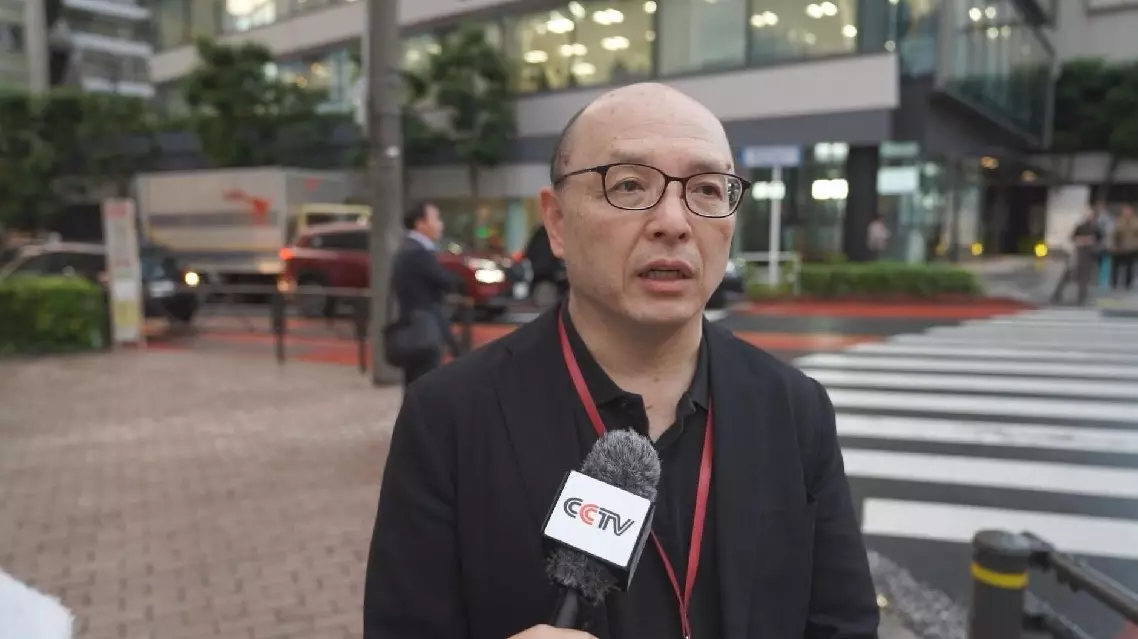
Tokyo residents share views on political climate after dissolution of Japan’s lower house of parliament
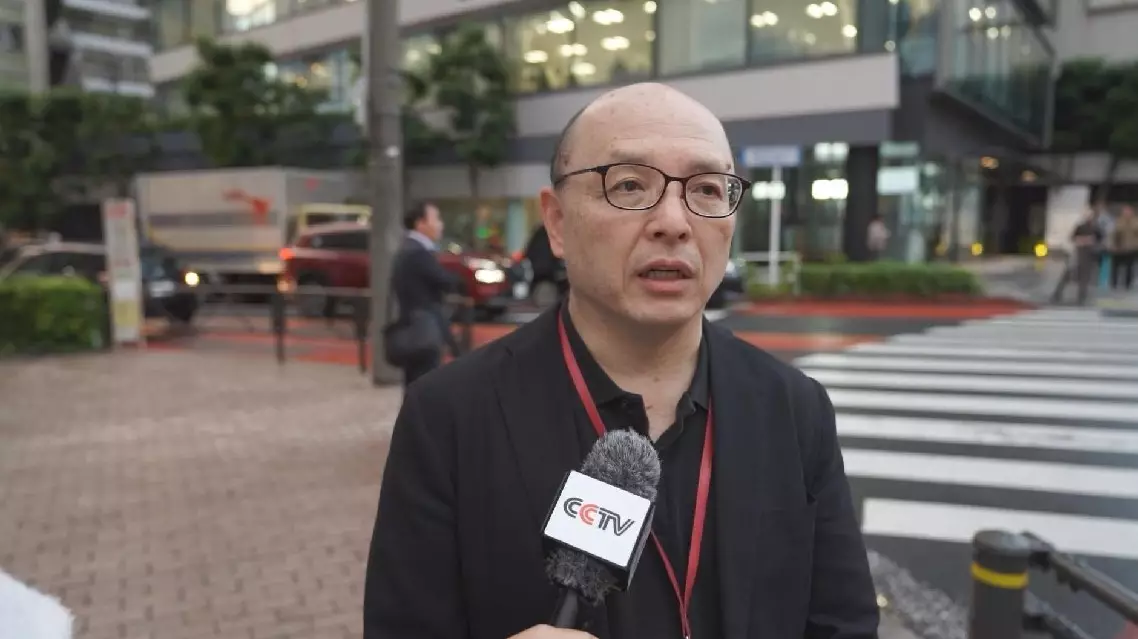
Tokyo residents share views on political climate after dissolution of Japan’s lower house of parliament
Chinese Premier Li Qiang on Thursday presided over a State Council executive meeting that studied work on building a unified national market and reviewed and approved a plan for the development of a modern emergency response system during the 15th Five-Year Plan period (2026-2030).
Noting that building a unified national market is essential to advancing high-quality development, the meeting called for deepening institutional frameworks in areas such as property rights protection, market access, fair competition, social credit and market exit mechanisms.
The meeting also urged efforts to advance high-standard connectivity of market infrastructure to facilitate smooth economic circulation and effectively reduce logistics costs across society.
Emergency management is critical to protecting people's lives and property, the meeting said. It called for accelerating the development of a modern emergency response system, deepening reform and innovation in emergency management, and improving coordinated response mechanisms.
Efforts should be made to strengthen risk prevention at the source, enhance monitoring, forecasting and early warning, and accelerate a shift in governance toward proactive prevention, according to the meeting.
A draft revision of the Law on the People's Bank of China was also discussed and approved in principle at the meeting, which decided to submit the draft to the Standing Committee of the National People's Congress for deliberation.
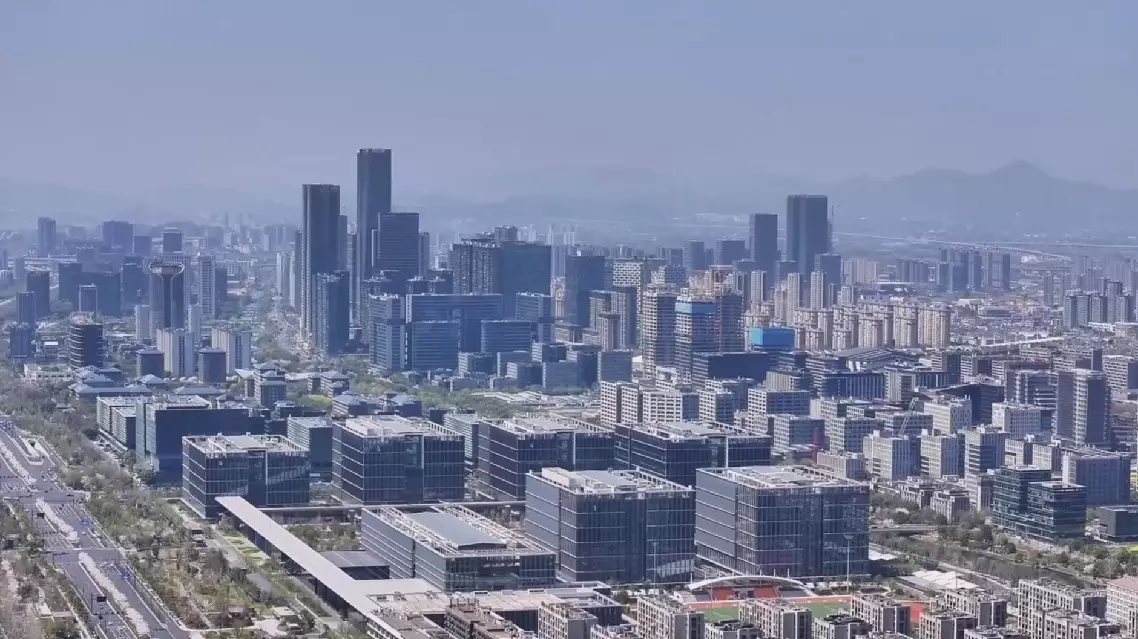
Chinese premier chairs State Council executive meeting