Critics have called on Lai Ching-te, leader of the Taiwan region, to stop his provocative remarks after Lai delivered a speech on Thursday promoting "Taiwan independence".
Eric Chu Li-luan, chairman of the Chinese Kuomintang (KMT) party, urged Lai to abandon his separatist view, calling it a dead-end that jeopardizes people in Taiwan.
Lee Cheng-hung, chairman of the Association of Taiwan Investment Enterprises on the Mainland, called on Lai to focus on fostering mutual development and prosperity across the Taiwan Strait.
Wu Dongsheng, a freelance writer in Taiwan, said the region will not change its ancestry, bloodline, genes or lack of Chinese identity just because of a change in regional leadership.
Wu added that Lai Ching-te's remarks have made the general public in Taiwan even more aware that their historical and cultural motherland is China.
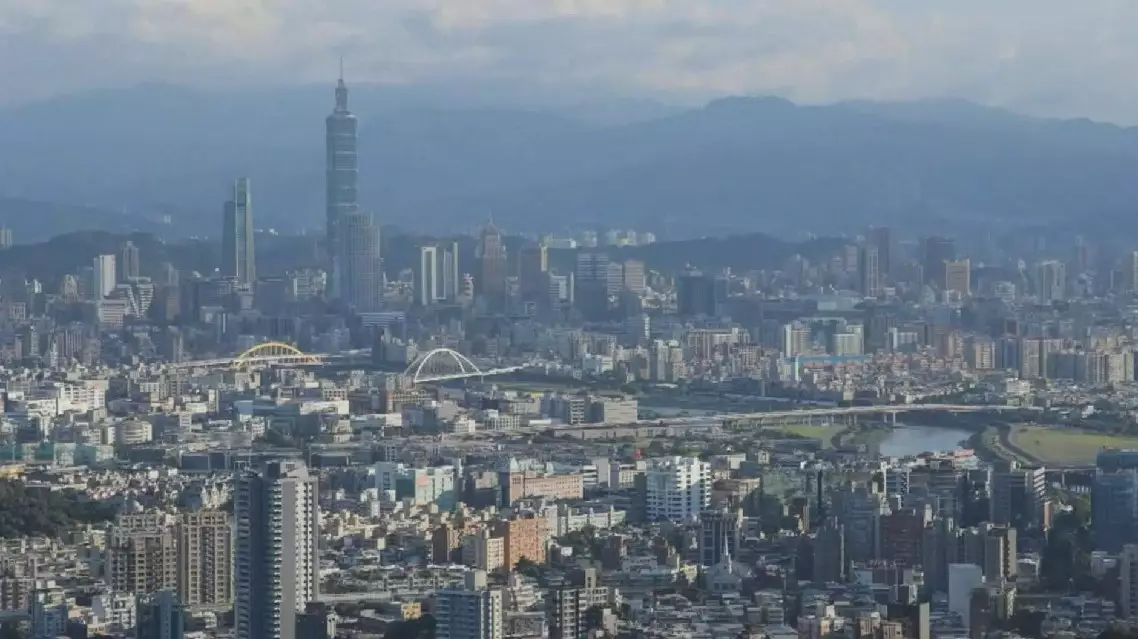
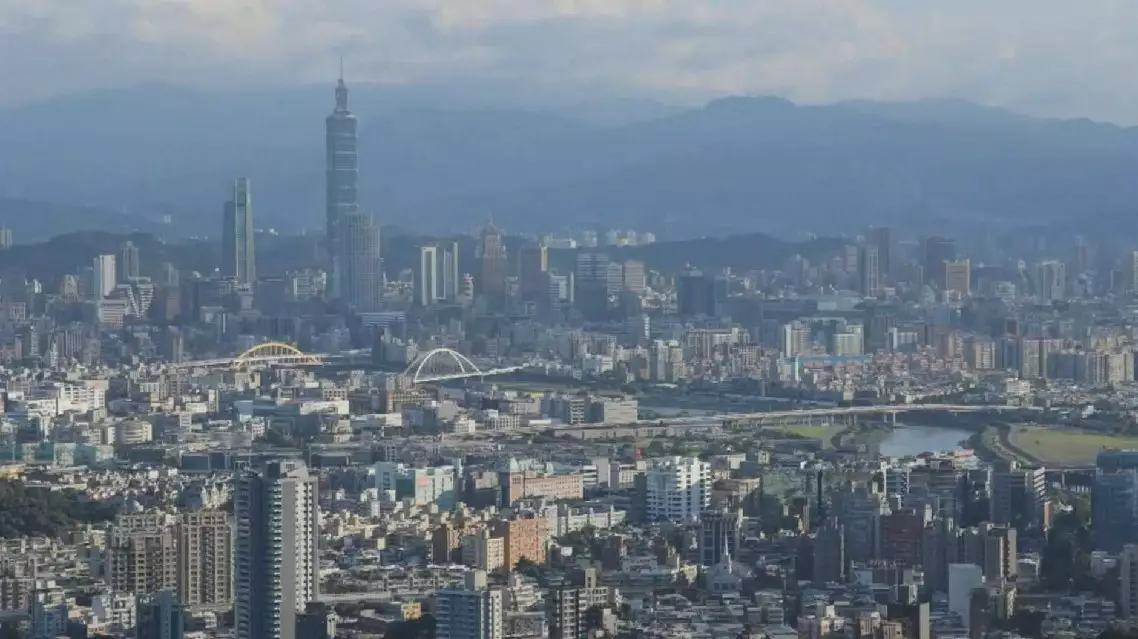
Lai Ching-te's separatist remarks spark criticism in Taiwan region
The 24th Mawei-Matsu Lantern Festival, a national-level intangible cultural heritage event, opened on Wednesday in Fuzhou, capital city of east China's Fujian Province, to greet the Year of the Horse, which begins on Feb 17.
The festival is underway at a shipbuilding cultural park, where brilliant lantern installations are artfully integrated into the century-old remains of the former shipbuilding industry, creating a striking contrast that blends maritime heritage with festive light art.
Lanterns shaped like horses and the first steamship built by the shipyard, stand alongside a variety of intricate designs, blending holiday spirit with maritime history.
"This is my first visit here. I have seen lanterns shaped like fish and horses, and I like them very much," said a kid.
The festival originated from the Lantern Festival customs shared between Mawei and Mazu. It is the earliest and now most regularized two-way exchange activity between the two places, with the mutual presentation of lanterns serving as one of its most distinctive traditional features.
The celebration is recognized as China's first cross-Strait national intangible cultural heritage project. In 2024, it, along with the Chinese New Year, was added to the UNESCO Representative List of the Intangible Cultural Heritage of Humanity.
Running till March 8, the 33-day celebration serves as a luminous bridge connecting Fuzhou's Mawei district and Matsu.
"I've been to the festival four or five times, and it has left a deep impression on me. The festival gets better every year, with very distinctive features. We hope to spend more time together with our compatriots from Matsu," said Zhao Ping, a visitor.
"We've incorporated elements of shipbuilding culture, the local culture, and maritime culture into the lantern design. We welcome everyone to Fuzhou and celebrate the Chinese New Year here," said Lin Hebin, deputy director of the Bureau of Culture, Sports and Tourism in Mawei District.
Mawei-Matsu Lantern Festival opens in east China, honoring cross-Strait cultural heritage