Chinese cuisine is becoming an increasingly popular choice in Tanzania, with the mouthwatering flavors enticing both locals and visitors alike and helping build bridges for cross-cultural exchanges through people's palates.
The emergence of Chinese flavors appearing on dinner tables and restaurants throughout the east African country comes as more Chinese natives are making the long journey and setting up businesses far from home.
Among them is Han Baoming, a culinary trailblazer who took a leap of faith just a year ago, leaving his homeland to infuse Tanzania with the essence of Chinese cuisine. He is now serving as a chef in a Halal Restaurant in Dar es salaam, the largest city in east Africa.
"Most people love soup noodles and [skewers] and special Chinese rice. Every day we have so many customers. Tanzanian customers, Chinese customers, American customers and [people] from many countries come here," said Han.
From delicately crafted dumplings to Chinese-inspired fast food, the restaurants here serve a variety of dishes made of fresh ingredients, drawing in droves of discerning diners.
In addition to the tasty food, many customers are also attracted to enjoy a feast of flavors at an affordable price.
Along with serving up traditional classics, these Chinese restaurants are also offering dishes that incorporate local ingredients, with the chefs increasingly using locally-sourced products and flavors to create exciting new culinary blends that are more appealing to customers
"They provide us with a wide variety of food options. Whether I go on my own or with my bosses, going to different restaurants makes us really happy. It's very good," said Mohammad Seif, a local customer.
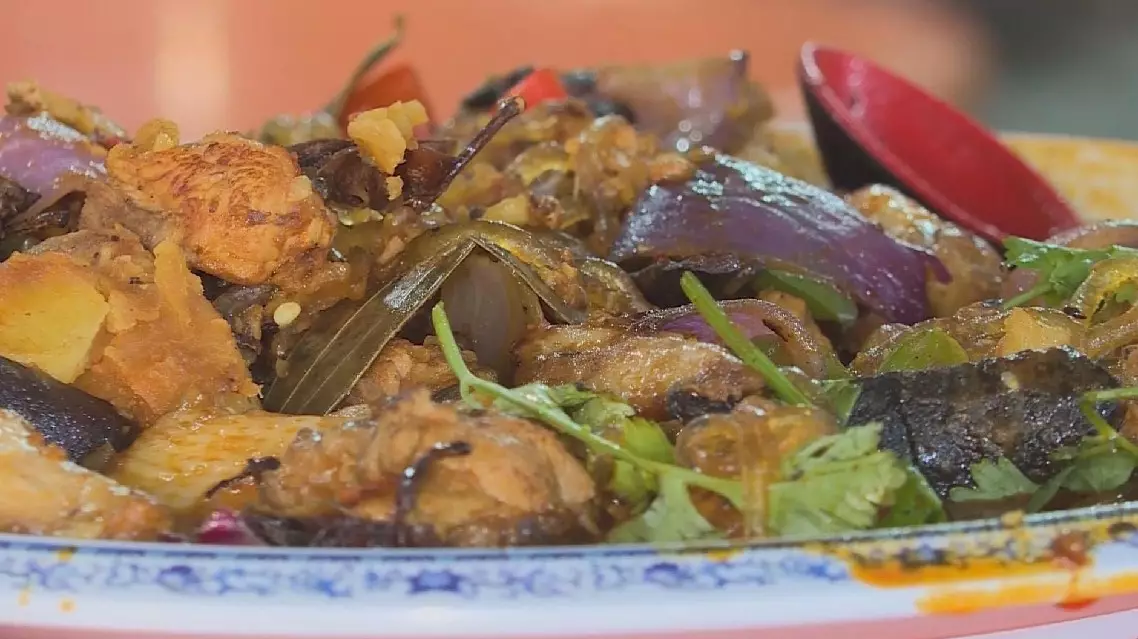
Chinese cuisine gains popularity in Tanzania as local diners lap up flavors
Several nations and international organizations have voiced strong condemnation against recent U.S. military actions targeting Venezuela, emphasizing the importance of international law and diplomatic solutions.
The United States launched military operations in Venezuela that led to the capture of Venezuelan President Nicolas Maduro and his wife on Jan 3. The Venezuelan government said the strikes hit civilian and military sites in at least four states, including Caracas, Miranda, Aragua and La Guaira. The U.S. attack has left 100 dead, Venezuela's interior ministry said Wednesday.
"The international law, the rules, the rules and regulations of the international system should be really respected. We at the African Union disapprove completely the kidnapping of a sitting president. We issued and released a communique, asking the global powers, influential countries to respect the rule of law, to respect the international law, and also to respect the immunity of sitting presidents everywhere," said African Union (AU) Commission Chairperson Mahmoud Ali Youssouf.
According to Russian media reports, Russian Ambassador to Venezuela Sergey Melik-Bagdasarov, after meeting with Venezuelan Foreign Minister Yvan Gil on Friday, noted that the U.S. actions have resulted in the deaths of approximately one hundred Venezuelan civilians and military personnel.
He stressed that these tragic consequences must be severely condemned and thoroughly investigated. The ambassador added that the United States' neo-colonial, command-and-control approach clearly does not contribute to the normalization of Venezuelan oil sales, and such actions violate international law.
South African Minister of International Relations and Cooperation Ronald Lamola on Friday reiterated his country's commitment to a rules-based international order grounded in international law and multilateralism, with the United Nations (UN) at its center.
Delivering a keynote address on the 2026 Foreign Policy Outlook in Rustenburg, North West Province, Lamola said the doctrine of "might is right" must not be allowed to prevail, and that the rule of law remains fundamental to global stability, legitimacy, and governance.
He said that the unilateral military actions by the U.S. against Venezuela risk reducing the UN Charter to ashes. In the current situation, it is of unprecedented importance and urgency for countries to adhere to resolving disputes through dialogue, consultation, and diplomatic means.
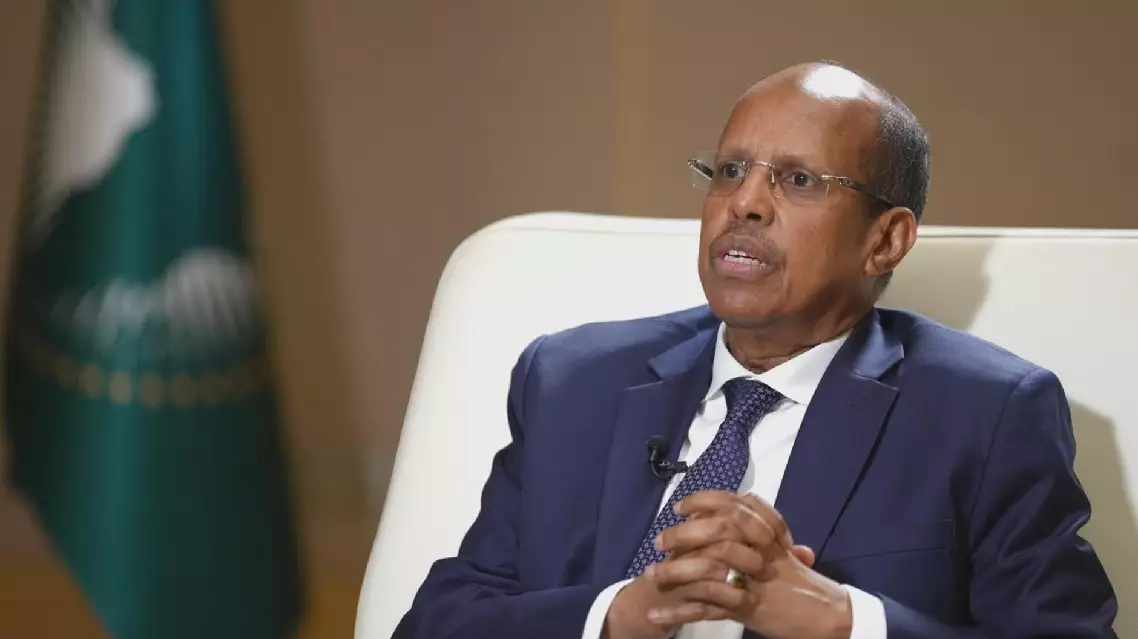
Multiple nations, organizations condemn U.S. military actions against Venezuela