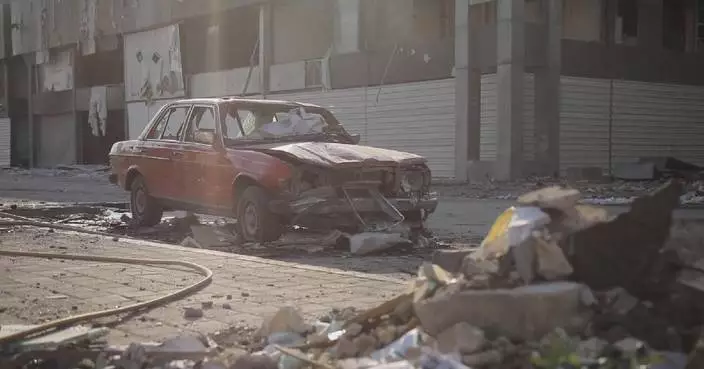
The "mini-three-links" passenger sea routes connecting east China's Fujian Province with the Taiwan-administered Kinmen and Matsu islands have handled more than one million trips this year as of Saturday, surging by 87.6 percent year on year.
Among them, the route between Fujian's Xiamen City and Kinmen County handled more than 5,000 trips on Oct 13 alone, a record high for single-day passenger traffic since the resumption of the ferry service in 2023, according to statistics from the Xiamen Entry and Exit Border Inspection Station.
Known as "the golden passage" connecting the Chinese mainland and the Taiwan region, the "mini-three-links" accounts for over 95 percent of customs clearance in Fujian.
By far, all four "mini-three-links" passenger sea routes -- namely Xiamen-Kinmen, Quanzhou-Kinmen, Fuzhou-Nangan and Fuzhou-Beigan -- have seen a surge from 26 trips per week to a maximum of 182 trips per week.

"Mini three links" sea routes see over 1 mln passenger trips in 2024
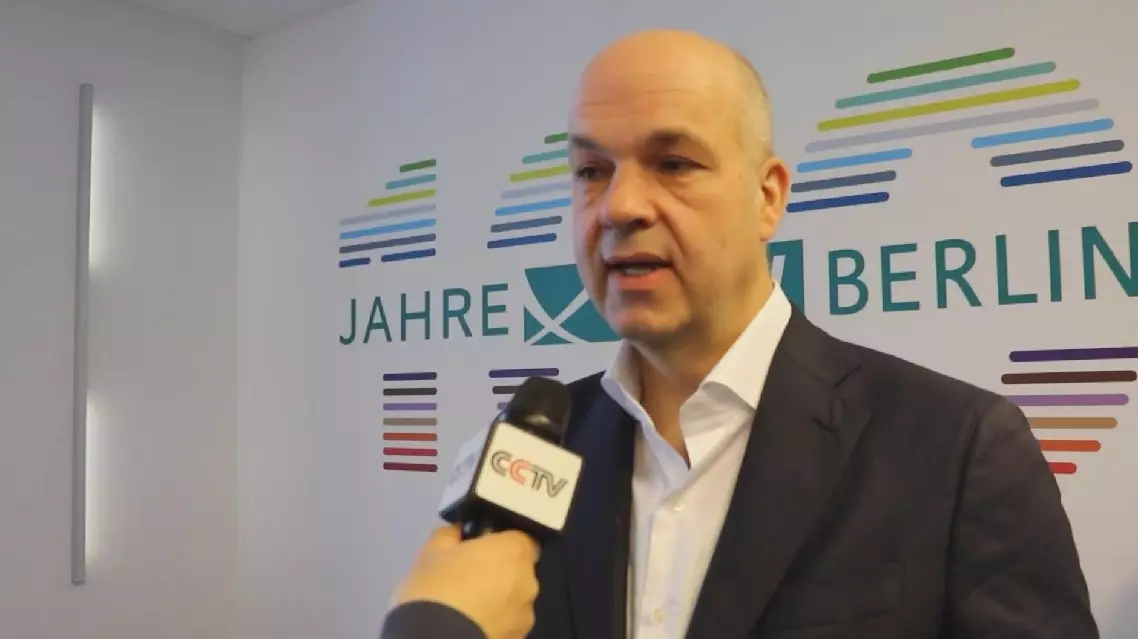
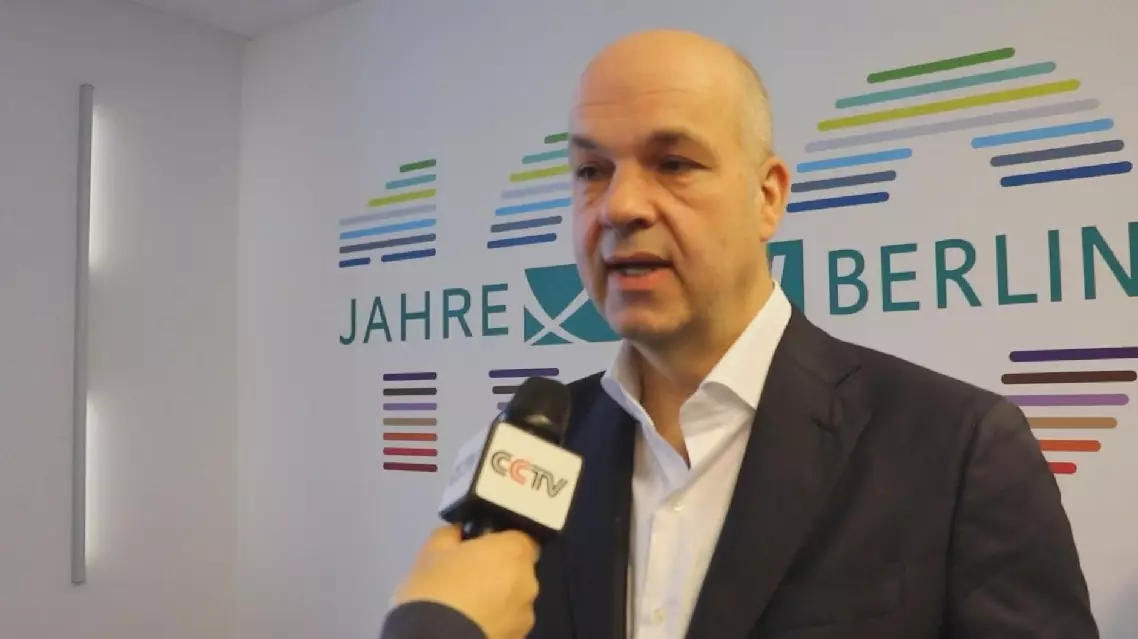
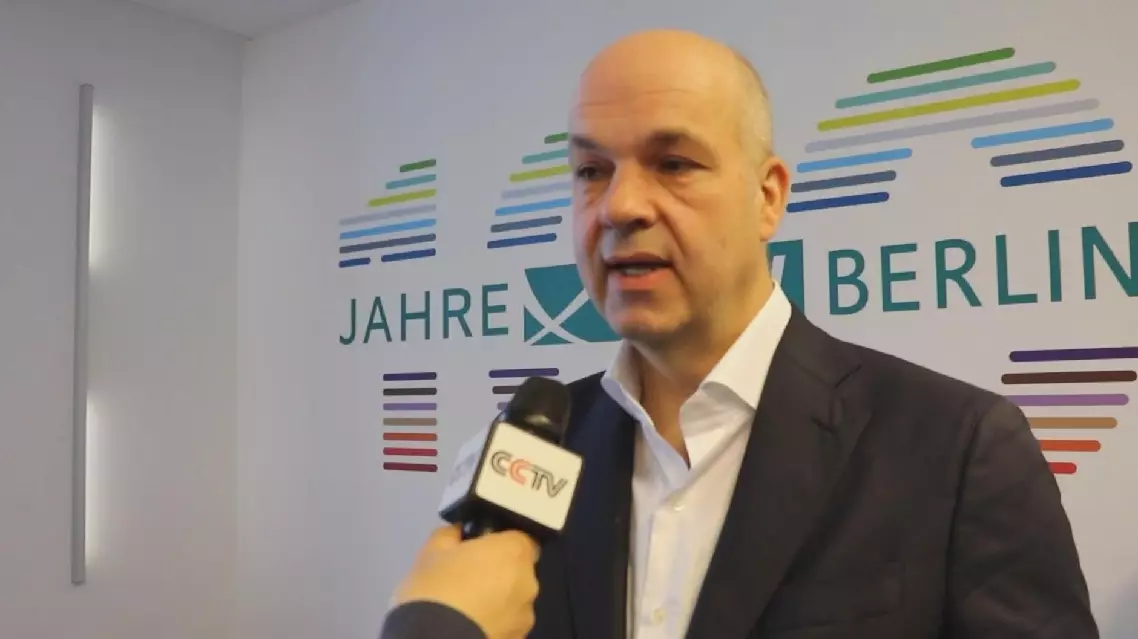
Germany's fragile economic recovery is at risk amid the surging energy costs linked to the ongoing Middle East conflict, which will potentially trigger another recession, said Marcel Fratzscher, president of the German Institute for Economic Research (DIW).
Fratzscher made the comments in a recent interview with the China Media Group (CMG) following the release of the institute's spring 2026 growth forecast for Germany.
"We are cautiously optimistic of the German economy this year. We see a clear recovery in growth, with 1.0 percent of growth expected this year and 1.4 percent next year. For Germany, these are respectable growth figures. But our great concern is the ongoing U.S.-Israeli military strikes against Iran, which could hit German industry hard through higher energy costs and rising inflation. In an extreme scenario, if the war escalates further, this could mean another recession for Germany's economy," he warned.
Fratzscher identified U.S. tariff policies and geopolitical tensions as key uncertainties for German growth, stressing that for Germany and Europe, the fate of the Strait of Hormuz matters more than the duration of the conflict.
"For the economic impact on Germany and Europe, how long the war lasts is less important than what happens with the Strait of Hormuz. Will it be reopened and remain permanently open for oil and gas exports? If that succeeds, we assume prices could fall relatively quickly, meaning we won't continue to see the high prices for oil and gas that we have now. That would be a significant relief for the European economy and also for Germany," he said.
The ongoing tensions in the Middle East have already pushed up fuel prices in Germany. As Europe's largest economy, Germany's manufacturing sector relies heavily on stable energy supplies. Persistent high energy costs risk slowing business investment and consumer spending, potentially undermining Germany's fragile economic recovery.
Germany's fragile economic recovery at risk amid Middle East tensions: senior economist
Germany's fragile economic recovery at risk amid Middle East tensions: senior economist
Germany's fragile economic recovery at risk amid Middle East tensions: senior economist