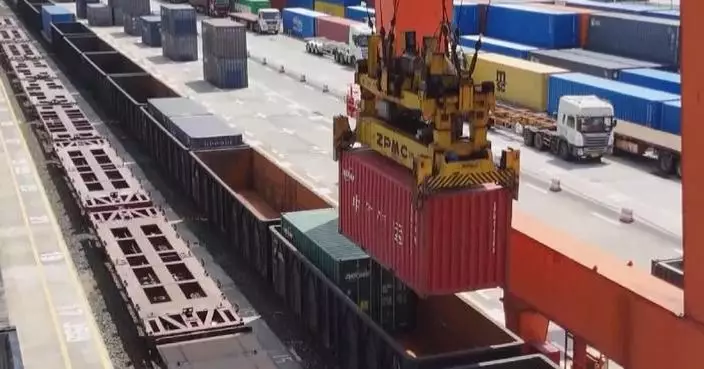
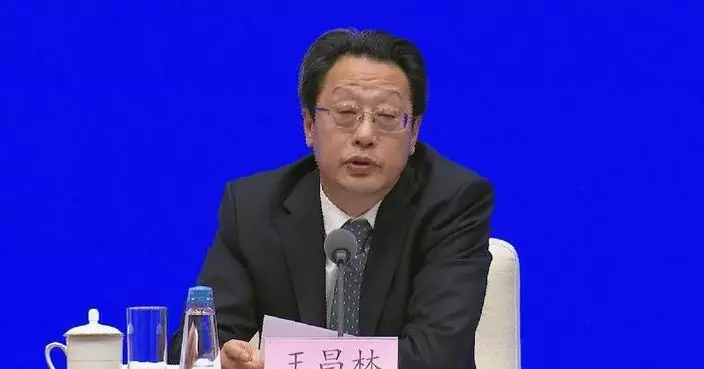
The grain growers in China are benefiting from a slew of policies rolled out this year to motivate them to expand production and enhance production efficiency, said China's vice minister of Agriculture and Rural Affairs Friday, as the country's grain output is set to reach a new high of 700 billion kilograms by the end of the year.
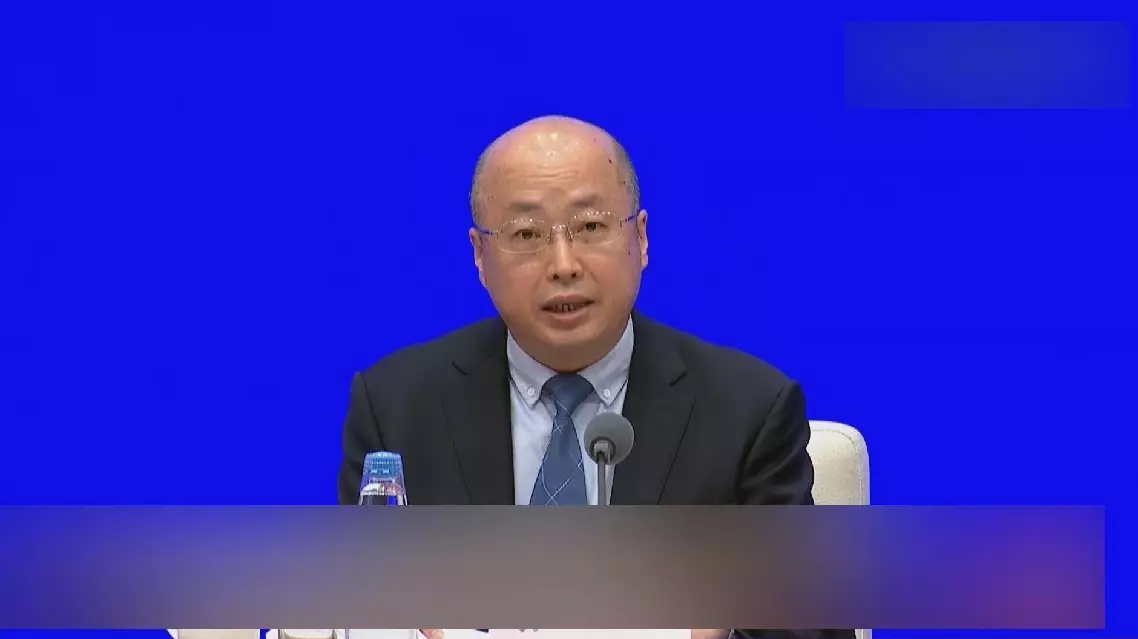
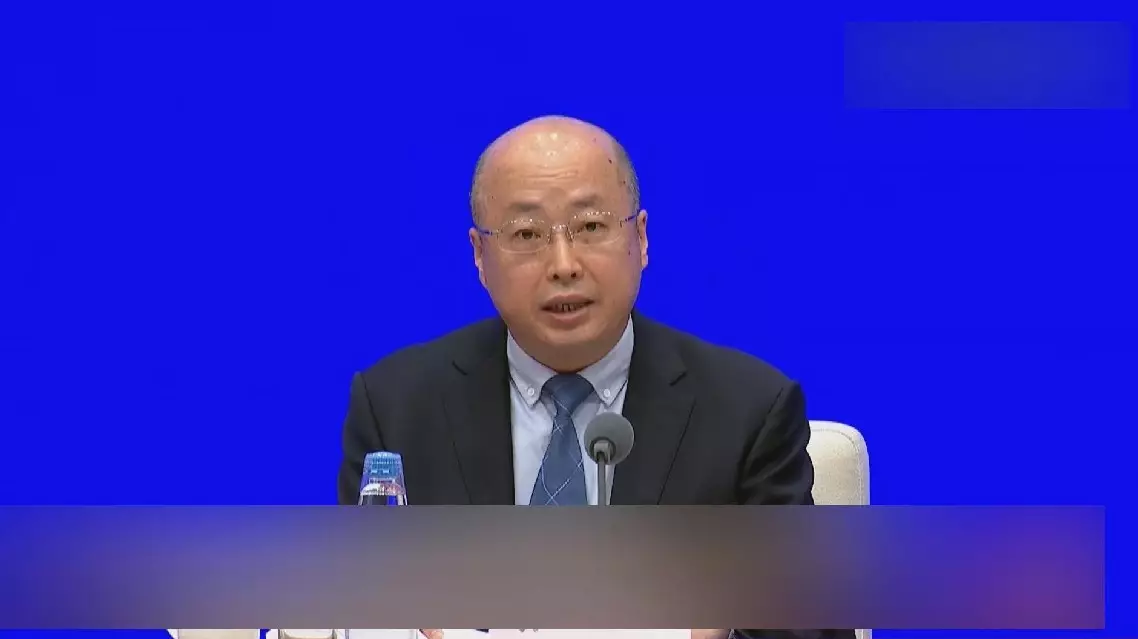
Zhang Xingwang, the vice minister, made the statements at a press briefing in Beijing in response to a journalist's question on China's progress on autumn grain harvest.
Click to Gallery
China's grain output reaches new high as growers enjoy more policy support
China's grain output reaches new high as growers enjoy more policy support
China's grain output reaches new high as growers enjoy more policy support
China's grain output reaches new high as growers enjoy more policy support
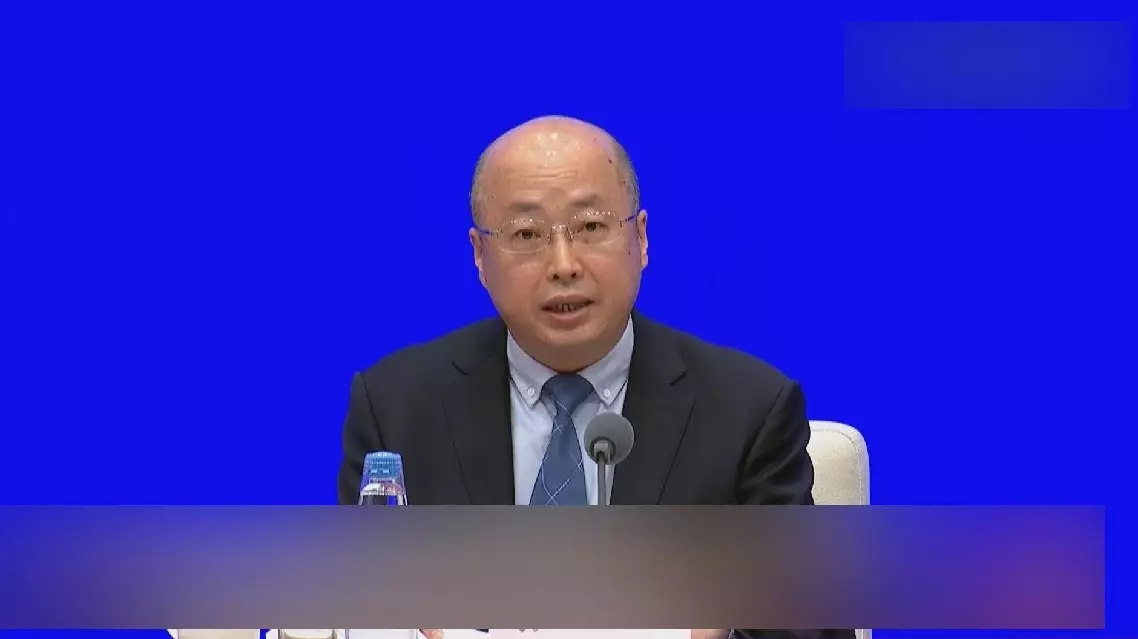
"Data collected by our ministry showed that by Thursday, over 80 percent of the autumn grain had been harvested, which is the majority. The situations on the ground and the evaluation of experts showed that most provinces posted growth in grain production despite the production in a few provinces dropping as a result of the natural disasters. In general, there is a noticeable growth in autumn grain production. Combining with the production of the summer grain and the early-season rice, this year's grain production is set to reach a new high of an estimated 700 billion kilograms," said Zhang Xingwang.
Zhang said that the growth was partially driven by the fiscal support from the central government, which ensured that the production cost and the incomes of the growers are covered by insurances, thus providing them incentives to produce more.
"The area under grain cultivation also grew. As the central government increased fiscal support for grain production, the full cost insurance and the planting income insurance have fully covered the growers for rice, wheat and corn. The minimum purchase prices of wheat and the early indica rice were also raised, effectively motivating the growers to engage in grain production," Zhang added.
Since early this year, actions have been taken in the main grain-producing counties across China to enhance per unit area yields. Efforts have been made to improve the quality of agricultural land and to introduce better seeds, machinery, techniques and mechanisms.
"The per unit yields increased as well. The Ministry of Agriculture and Rural Affairs and the National Development and Reform Commission have implemented a series of actions to enhance the per unit yields of corn. We have newly launched another action for soybean and have been further implementing the more extensive actions for the grain crops and the oilseed crops. It is estimated that the increased per unit yields will contribute to over 70 percent of the growth in grain production," said Zhang.
China's grain output reaches new high as growers enjoy more policy support
China's grain output reaches new high as growers enjoy more policy support
China's grain output reaches new high as growers enjoy more policy support
China's grain output reaches new high as growers enjoy more policy support
U.S. President Donald Trump said on Friday that he estimates a deal with Iran will be signed "in the next day or two."
Trump said in an interview with Israel's Channel 12 News that the United States and Iran will probably meet over the weekend to finalize a deal to end the war. "The Iranians want to meet and make a deal," he said.
He said "the naval blockade on Iran is helping to make a deal. I will not lift it until we make a deal," adding that "the biggest part of this deal is that it will make Israel safer. This deal is good for Israel."
According to the channel, one component of the deal under discussion is that the United States will release 20 billion U.S. dollars in frozen Iranian funds.
In exchange, Iran would give up its stockpile of enriched uranium, and would be only allowed to have nuclear research reactors to produce medical isotopes, all above ground.
Trump also stressed that Israel must stop the strikes on Lebanon, saying, "They can't keep blowing up buildings. I'm not going to allow that."
Also on Friday, Trump said in a phone interview with Bloomberg that a deal to end the U.S.-Israeli war with Iran is mostly complete as talks over a lasting peace deal will "probably" be held this weekend in Pakistan.
Trump said in the phone interview that Iran agreed to suspend its nuclear program indefinitely, and will not receive any frozen funds from the United States.
"Most of the main points are finalized. It'll go pretty quickly," Trump said.
Asked if he would travel to Pakistan to sign the potential deal, Trump said: "I may."
Trump again denied that the moratorium on Iran's nuclear program would expire after 20 years. "No years, unlimited," Trump said.
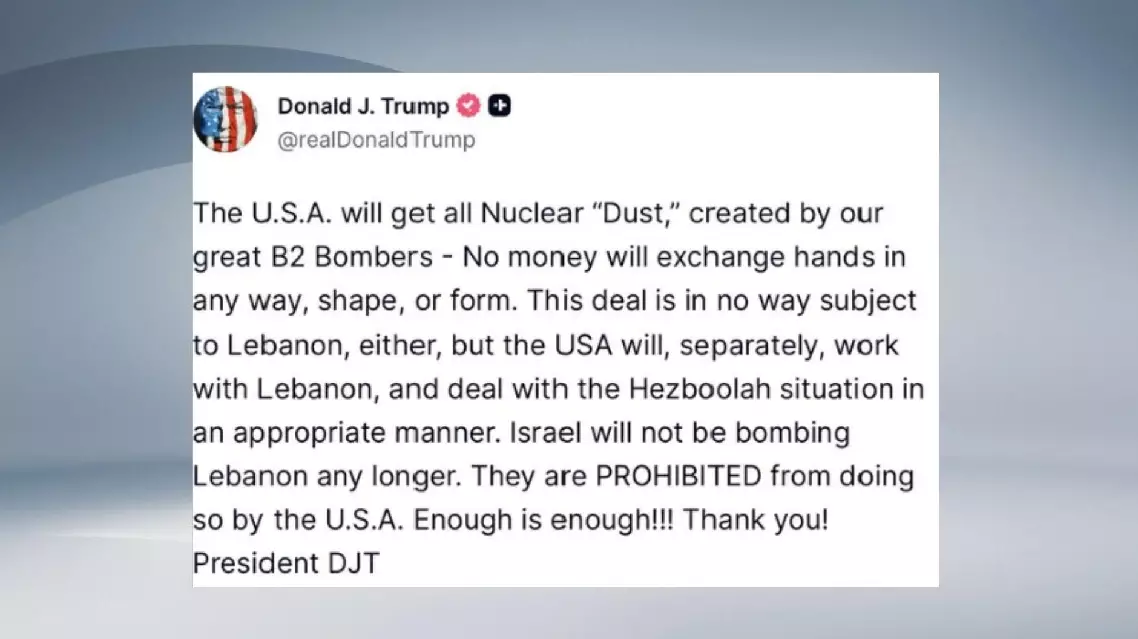
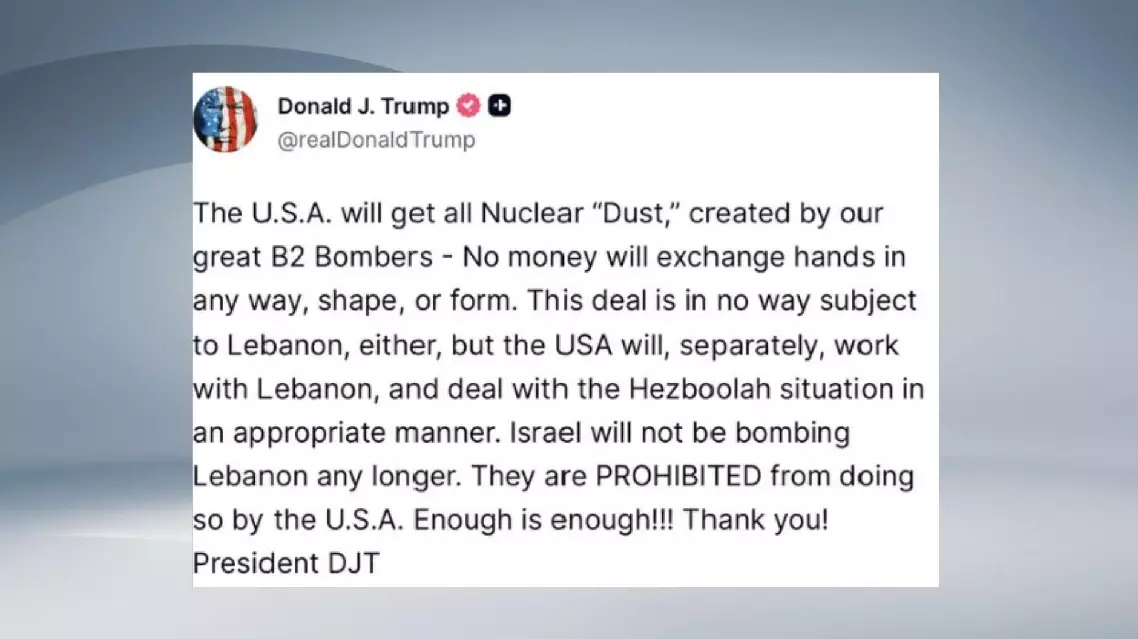
The United States will get all of Iran's nuclear "dust" with no money having exchanged hands "in any way, shape, or form," Trump wrote on social media earlier on Friday. Multiple Western media outlets have interpreted Trump's reference to nuclear "dust" as meaning Iran's stockpile of enriched uranium.
Iran has yet to comment on any deal beyond the reopening of the Strait of Hormuz, nor on claims made by Trump that Tehran had offered concessions, including over the key issue of its nuclear program.
If the United States continues its naval blockade of the Strait of Hormuz, Iran will consider it a violation of the ceasefire between the two countries and will close the waterway, the semi-official Tasnim news agency reported Friday, citing an informed source close to the Supreme National Security Council.
The Iranian side has yet to respond to the media report on the enriched uranium issue.
The United States and Iran had their first round of negotiations in Pakistan's Islamabad last weekend to ease tension in the Middle East. The talks, which failed to produce an agreement, took place after a ceasefire was announced on April 8 between Iran, the United States, and Israel, following 40 days of fighting.
Iran tightened control over the Strait of Hormuz after the United States and Israel launched joint attacks on the country on Feb. 28. The United States also imposed a naval blockade on the strait following the failed negotiations in Islamabad.
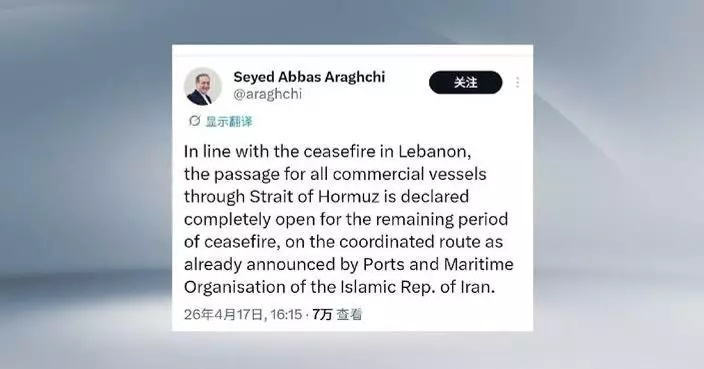
Earlier on Friday, both Washington and Tehran confirmed that the strait had been completely open for all commercial vessels. However, Trump said on Truth Social that the U.S. naval blockade would "remain in full force." In response, Iran warned of closing the waterway again if the U.S. blockade continues.
Trump says may sign deal with Iran "in the next day or two": Israeli media
Trump claims peace deal with Iran mostly complete: report