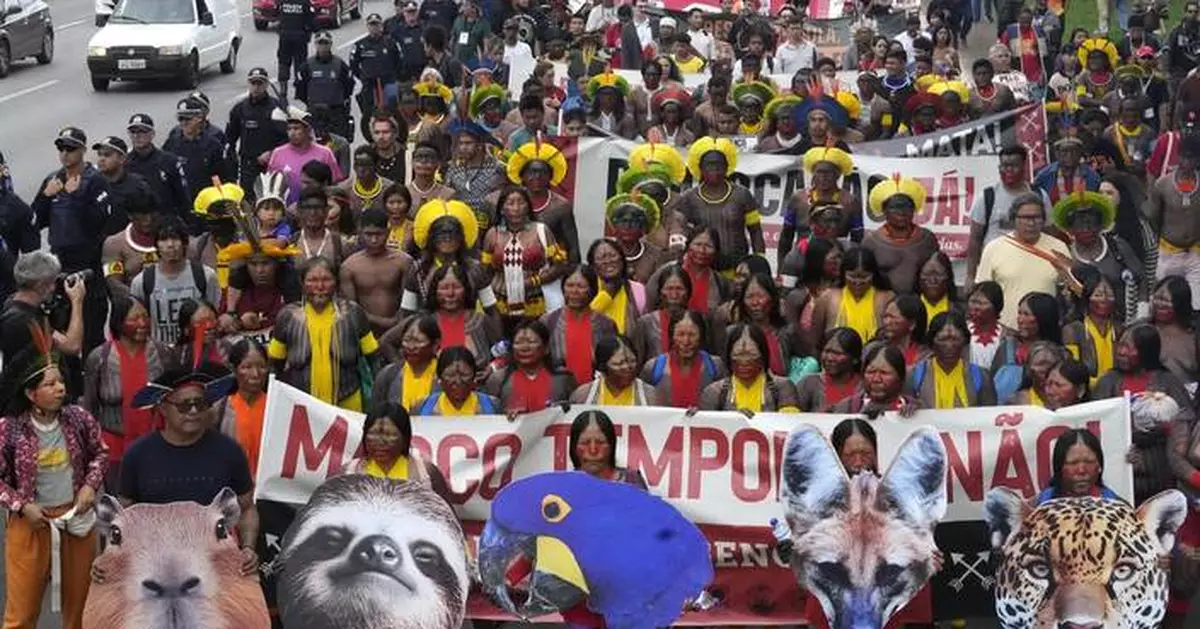
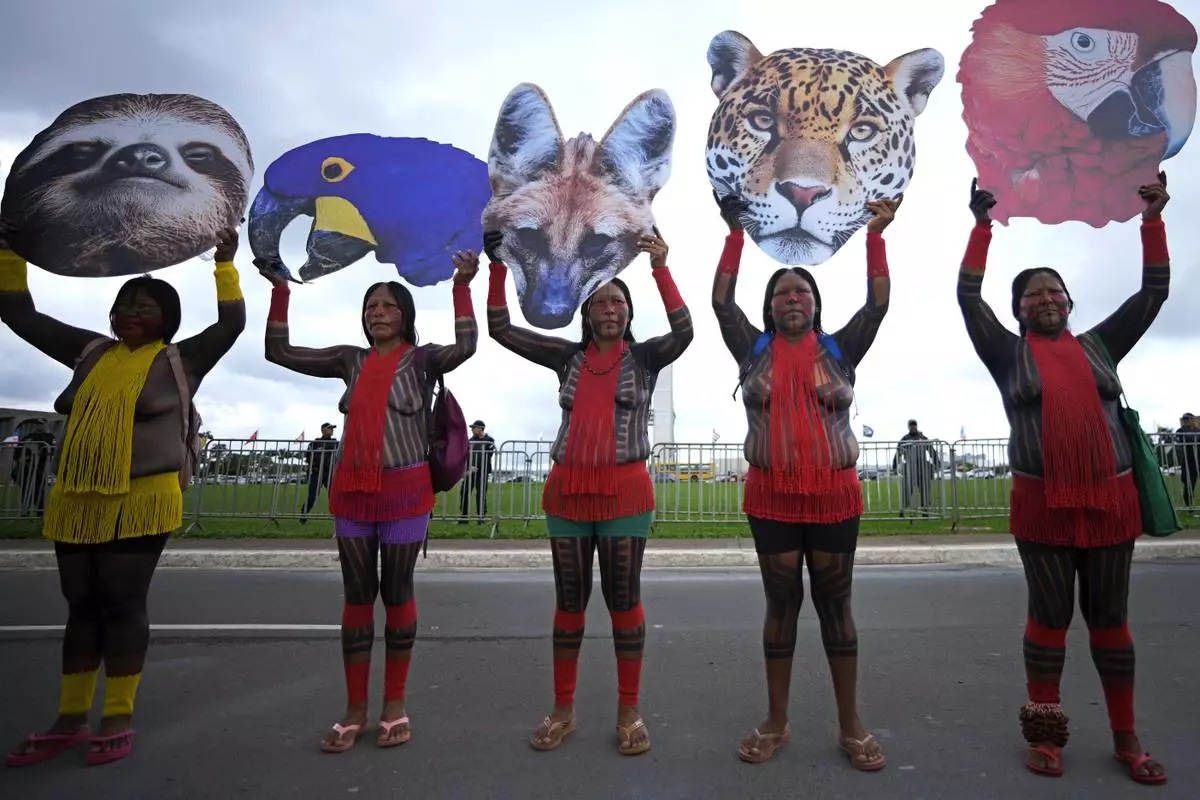
BRASILIA, Brazil (AP) — Bearing images of animals and covered in body paint, hundreds of Indigenous people marched Wednesday in Brazil's capital, urging Congress to drop a proposed constitutional amendment that has the potential to paralyze and even reverse land allocations.
The bill aims to add to the Constitution a legal theory, championed by the agribusiness caucus, that the date the Constitution was promulgated — Oct. 5, 1988 — should be the deadline for Indigenous peoples to have already either physically occupied claimed land or be legally fighting to reoccupy territory. Lawmakers from the caucus also claim it provides legal certainty for landholders.
Click to Gallery
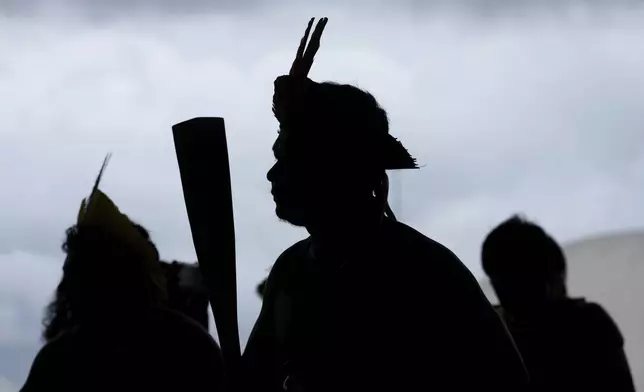
Indigenous people perform a ceremonial dance during a protest against a proposed constitutional amendment that threatens some of their land rights, in Brasilia, Brazil, Wednesday, Oct. 30, 2024. (AP Photo/Eraldo Peres)
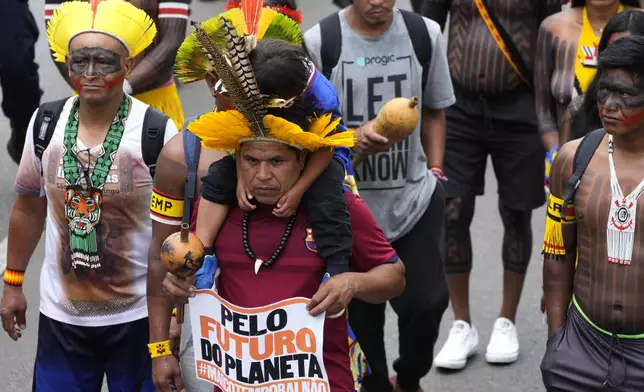
An Indigenous father carries his son on his shoulder, holding a sign with a message that reads in Portuguese: "For the Planet's Future", during a protest against a proposed constitutional amendment that threatens some Indigenous land rights, in Brasilia, Brazil, Wednesday, Oct. 30, 2024. (AP Photo/Eraldo Peres)
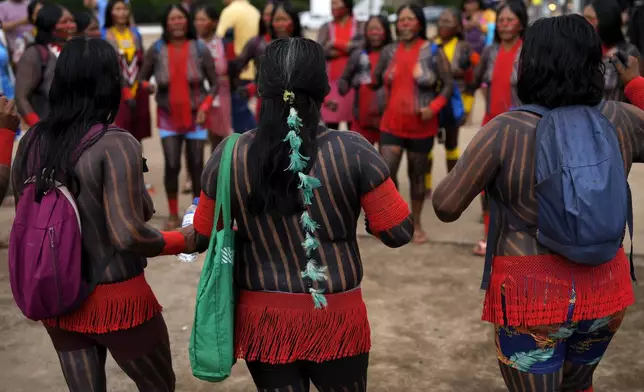
Indigenous groups take part in protest against a proposed constitutional amendment that threatens some of their land rights, in Brasilia, Brazil, Wednesday, Oct. 30, 2024. (AP Photo/Eraldo Peres)
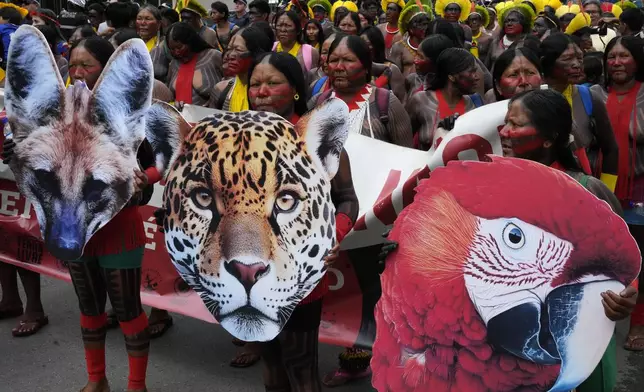
Indigenous groups take part in a protest against a proposed constitutional amendment that threatens some of their land rights, in Brasilia, Brazil, Wednesday, Oct. 30, 2024. (AP Photo/Eraldo Peres)

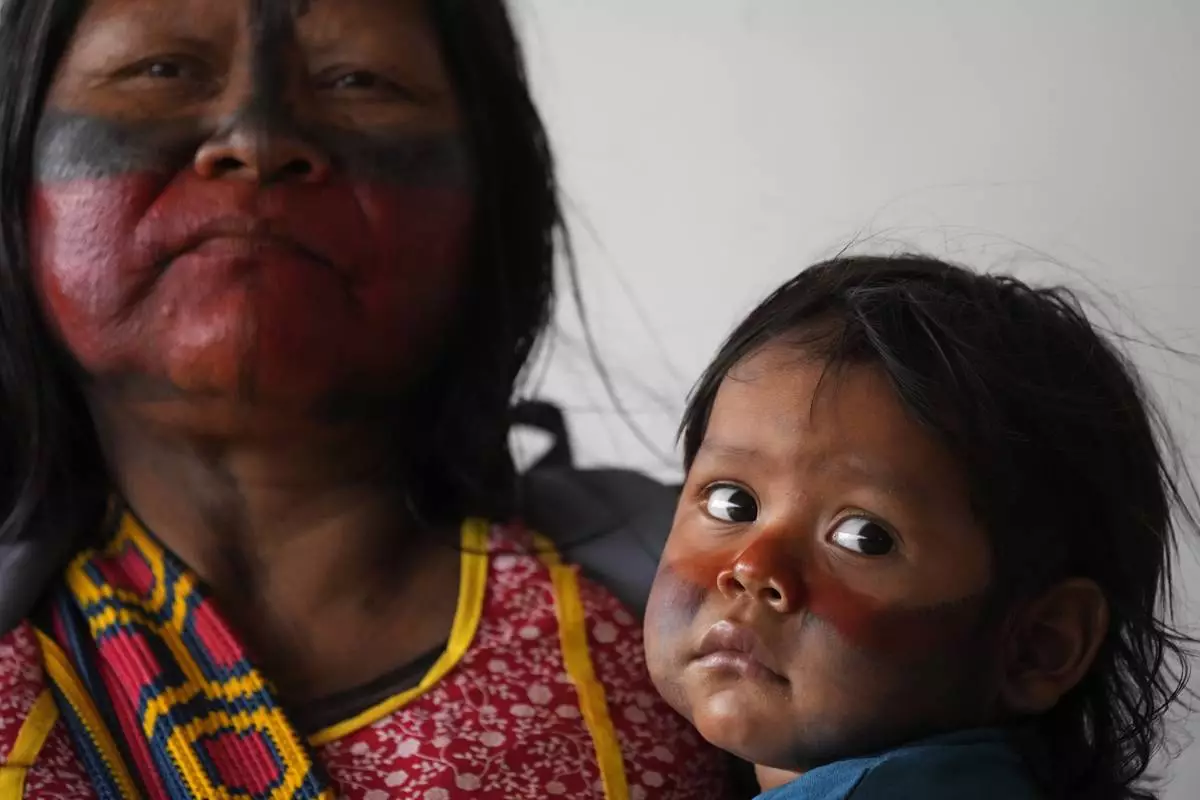
An Indigenous woman holds her son during a protest against a proposed constitutional amendment that threatens some Indigenous land rights, in Brasilia, Brazil, Wednesday, Oct. 30, 2024. (AP Photo/Eraldo Peres)
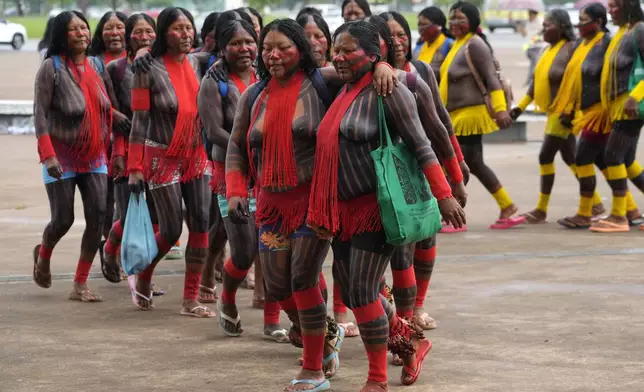
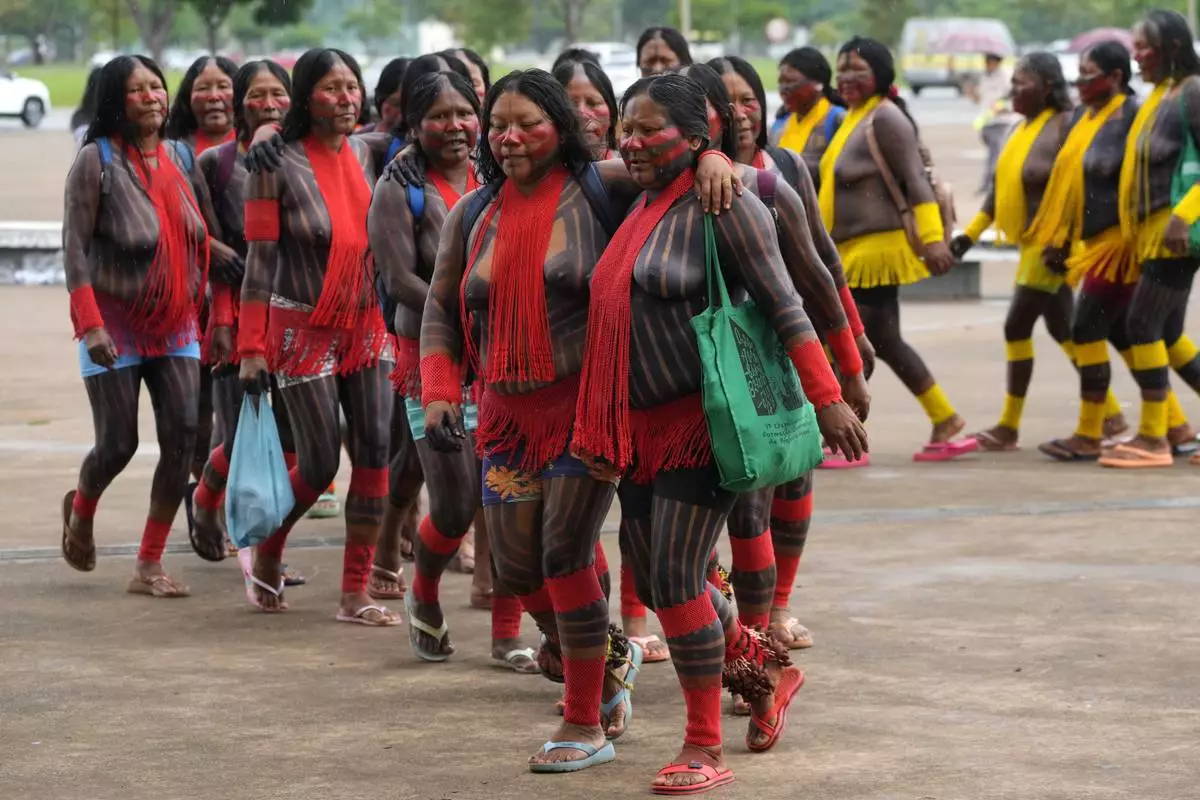
EDS NOTE: NUDITY - Indigenous women take part in protest against a proposed constitutional amendment that threatens some of their land rights, in Brasilia, Brazil, Wednesday, Oct. 30, 2024. (AP Photo/Eraldo Peres)
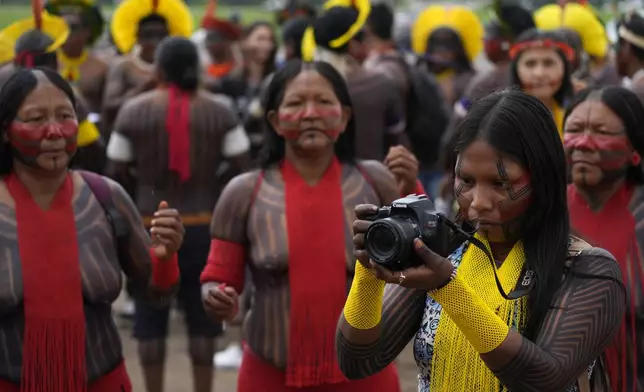
A Kayapo woman takes photos during a protest against a proposed constitutional amendment that threatens some Indigenous land rights, in Brasilia, Brazil, Wednesday, Oct. 30, 2024. (AP Photo/Eraldo Peres)
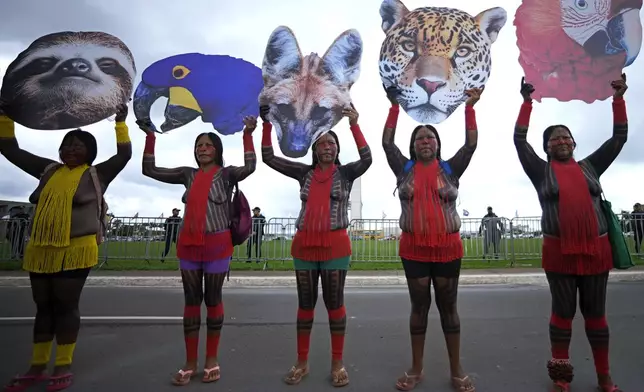
Indigenous women hold up cutouts of animals representing biodiversity, during a protest against a proposed constitutional amendment that threatens some of their land rights, in Brasilia, Brazil, Wednesday, Oct. 30, 2024. (AP Photo/Eraldo Peres)
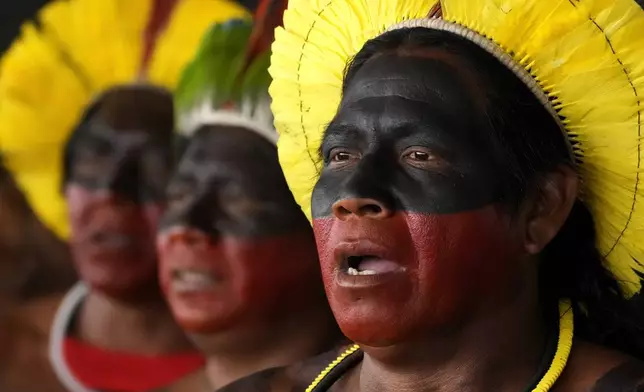
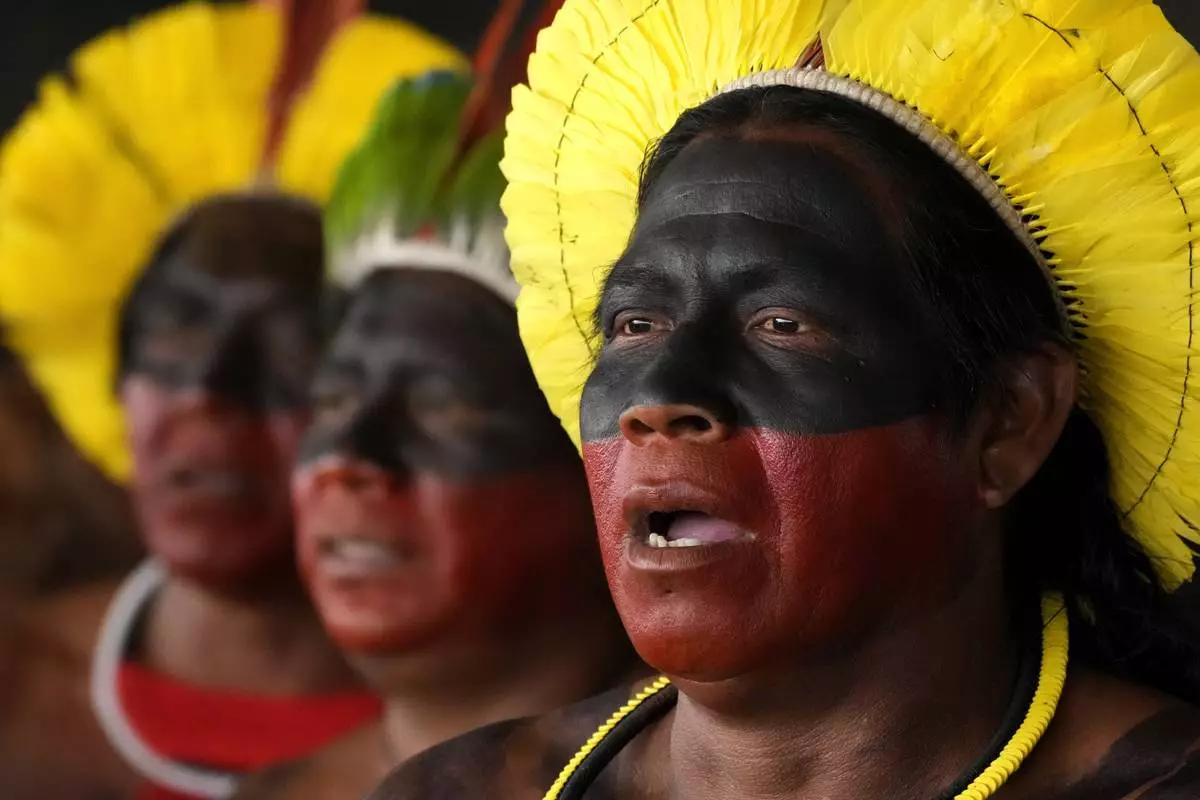
Kayapos sing during a protest against a proposed constitutional amendment that threatens some Indigenous land rights, in Brasilia, Brazil, Wednesday, Oct. 30, 2024. (AP Photo/Eraldo Peres)
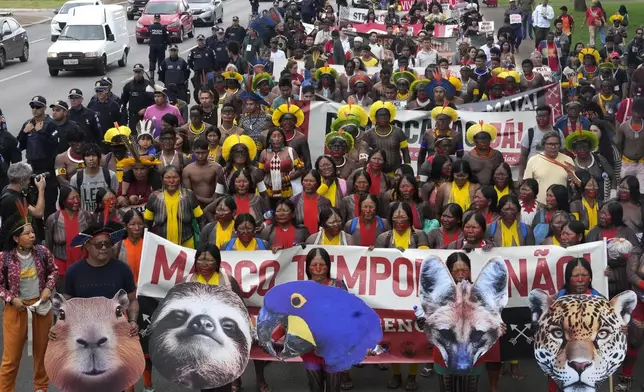
Indigenous groups take part in protest against a proposed constitutional amendment that threatens some of their land rights, in Brasilia, Brazil, Wednesday, Oct. 30, 2024. (AP Photo/Eraldo Peres)
Indigenous rights groups have argued that establishing a deadline is unfair, as it does not account for expulsions and forced displacements of Indigenous populations, particularly during Brazil’s agriculture frontier expansion in the 20th century.
“We are aware of the interests of mining companies, ranchers and oil companies in our lands. How many lives will be destroyed if this bill passes?” Alessandra Korap, an Indigenous leader of the Munduruku tribe, told The Associated Press.
On Sept. 21, 2023, the Supreme Court rejected the deadline concept, which formed part of a lawsuit brought by Santa Catarina state. In the vote that secured the majority, Justice Luiz Fux argued that areas connected to Indigenous ancestry and traditions are protected by the Constitution, even if not officially recognized. It was a moment of widespread celebration among Indigenous communities and their advocates.
One week after the ruling, pro-agribusiness lawmakers began pushing for congressional approval of the deadline. One initiative is the proposed constitutional amendment that the Indigenous movement fears will come up for a vote in the coming days.
Congress also passed a law in December that established the 1988 deadline. The Indigenous movement and political parties appealed to the Supreme Court, which hasn't yet issued a ruling on the matter. During a speech in Congress, the author of the constitutional amendment, Sen. Hiran Gonçalves, stated that his proposal aims to settle the issue definitively, thereby ending legal uncertainty.
Dinamam Tuxá, head of the rights group Articulation of Indigenous Peoples of Brazil, told the Associated Press that, if approved, the bill will lead to the suspension of Indigenous land demarcations, escalate socio-environmental conflicts and increase deforestation.
Maisonnave reported from Brasilandia
The Associated Press’ climate and environmental coverage receives financial support from multiple private foundations. AP is solely responsible for all content. Find AP’s standards for working with philanthropies, a list of supporters and funded coverage areas at AP.org.
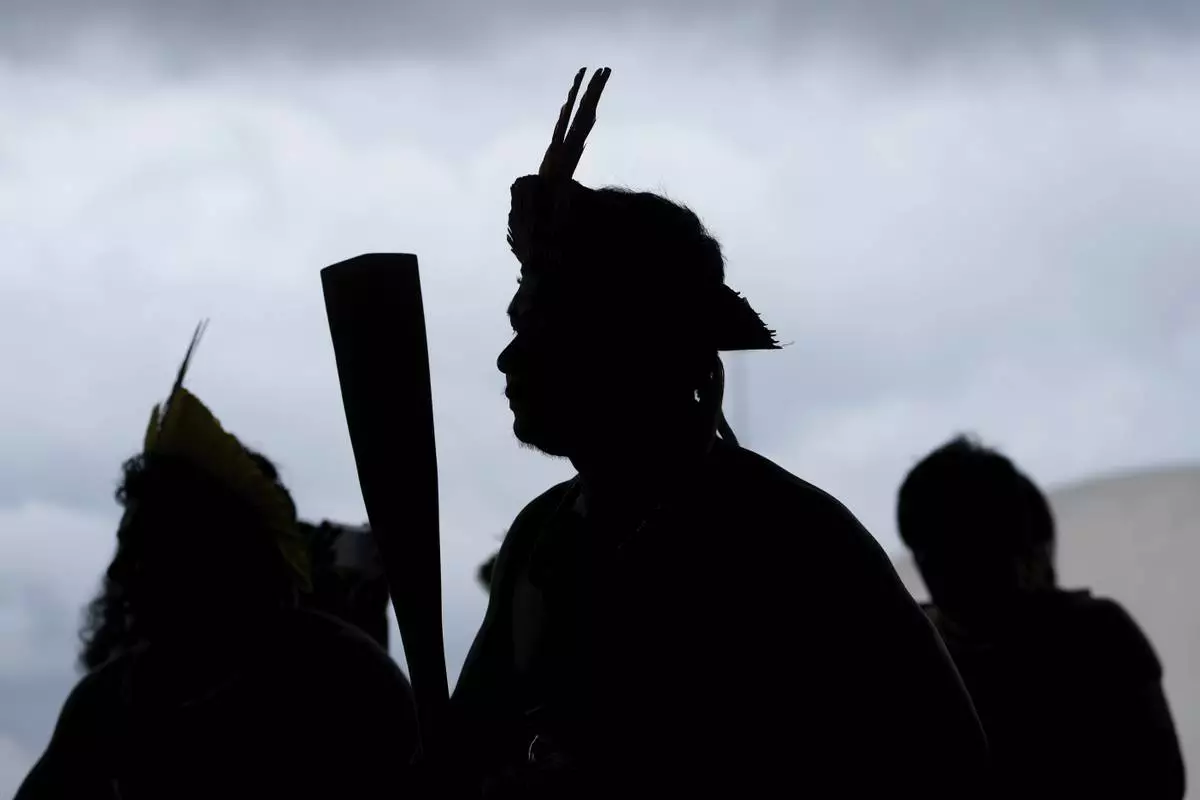
Indigenous people perform a ceremonial dance during a protest against a proposed constitutional amendment that threatens some of their land rights, in Brasilia, Brazil, Wednesday, Oct. 30, 2024. (AP Photo/Eraldo Peres)
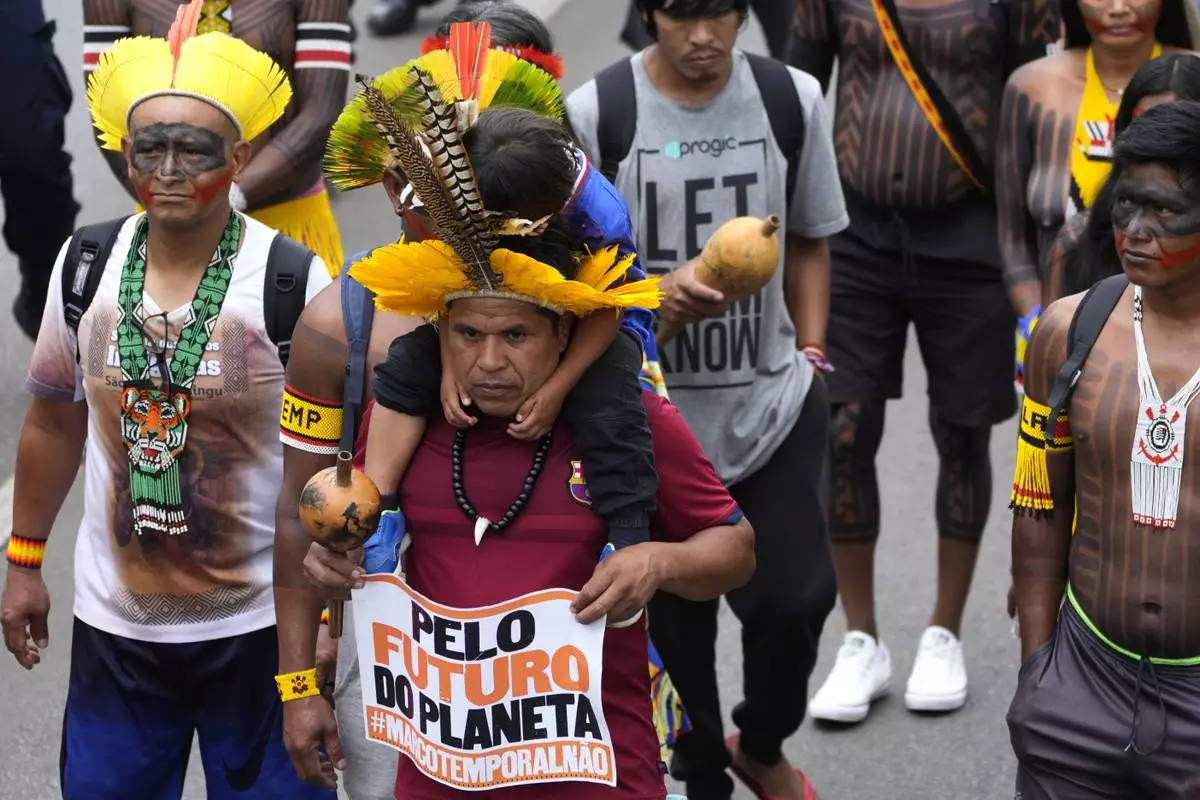
An Indigenous father carries his son on his shoulder, holding a sign with a message that reads in Portuguese: "For the Planet's Future", during a protest against a proposed constitutional amendment that threatens some Indigenous land rights, in Brasilia, Brazil, Wednesday, Oct. 30, 2024. (AP Photo/Eraldo Peres)
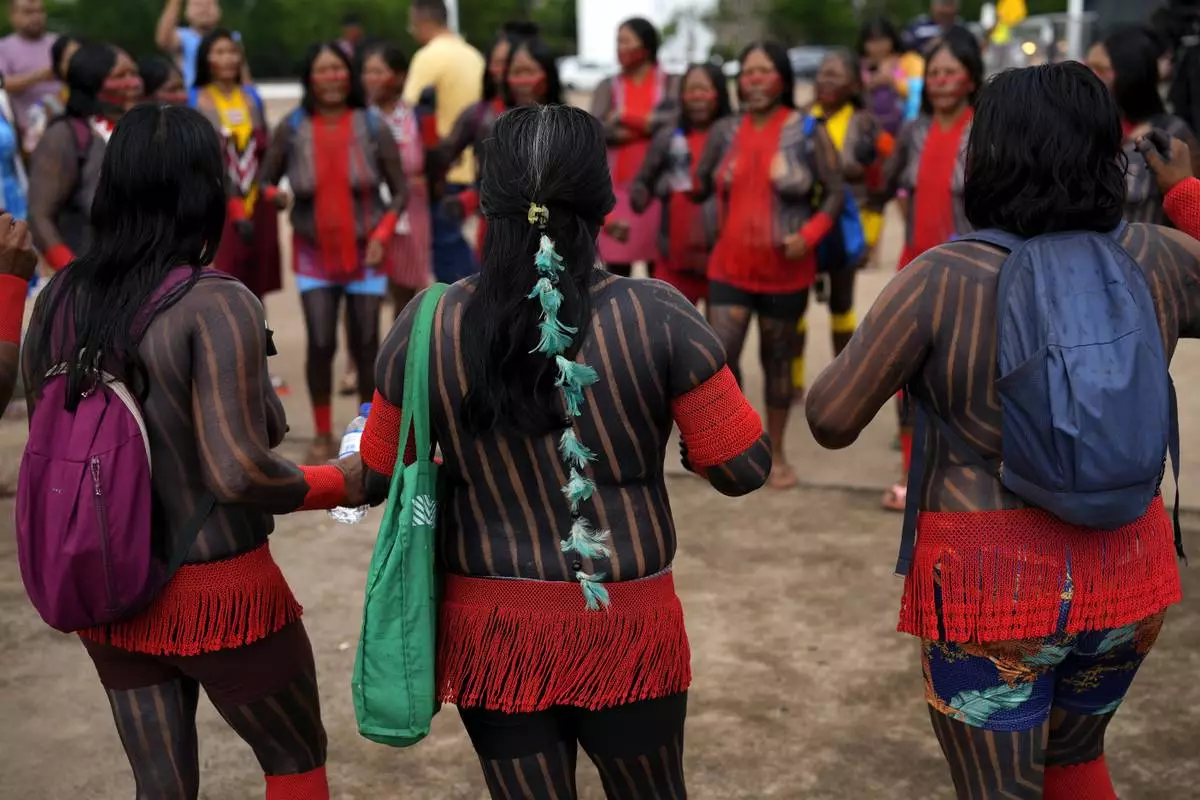
Indigenous groups take part in protest against a proposed constitutional amendment that threatens some of their land rights, in Brasilia, Brazil, Wednesday, Oct. 30, 2024. (AP Photo/Eraldo Peres)
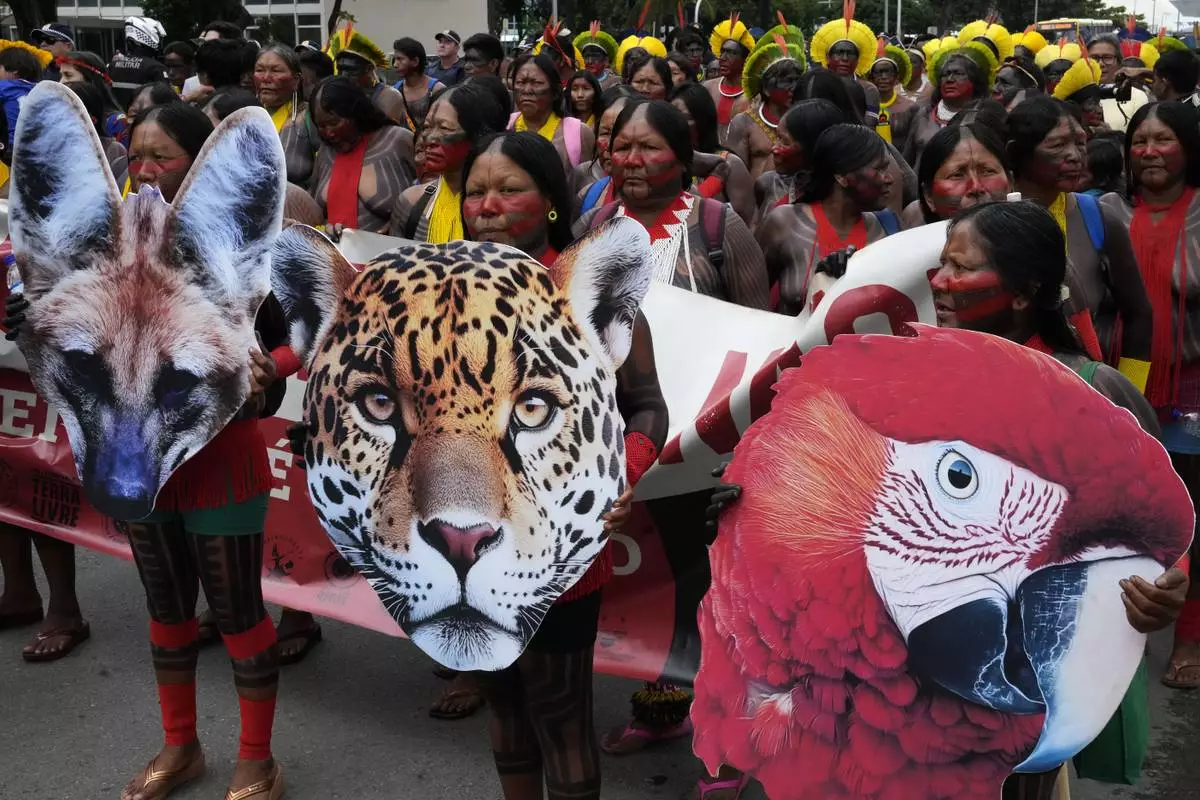
Indigenous groups take part in a protest against a proposed constitutional amendment that threatens some of their land rights, in Brasilia, Brazil, Wednesday, Oct. 30, 2024. (AP Photo/Eraldo Peres)
An Indigenous woman holds her son during a protest against a proposed constitutional amendment that threatens some Indigenous land rights, in Brasilia, Brazil, Wednesday, Oct. 30, 2024. (AP Photo/Eraldo Peres)
EDS NOTE: NUDITY - Indigenous women take part in protest against a proposed constitutional amendment that threatens some of their land rights, in Brasilia, Brazil, Wednesday, Oct. 30, 2024. (AP Photo/Eraldo Peres)

A Kayapo woman takes photos during a protest against a proposed constitutional amendment that threatens some Indigenous land rights, in Brasilia, Brazil, Wednesday, Oct. 30, 2024. (AP Photo/Eraldo Peres)
Indigenous women hold up cutouts of animals representing biodiversity, during a protest against a proposed constitutional amendment that threatens some of their land rights, in Brasilia, Brazil, Wednesday, Oct. 30, 2024. (AP Photo/Eraldo Peres)
Kayapos sing during a protest against a proposed constitutional amendment that threatens some Indigenous land rights, in Brasilia, Brazil, Wednesday, Oct. 30, 2024. (AP Photo/Eraldo Peres)
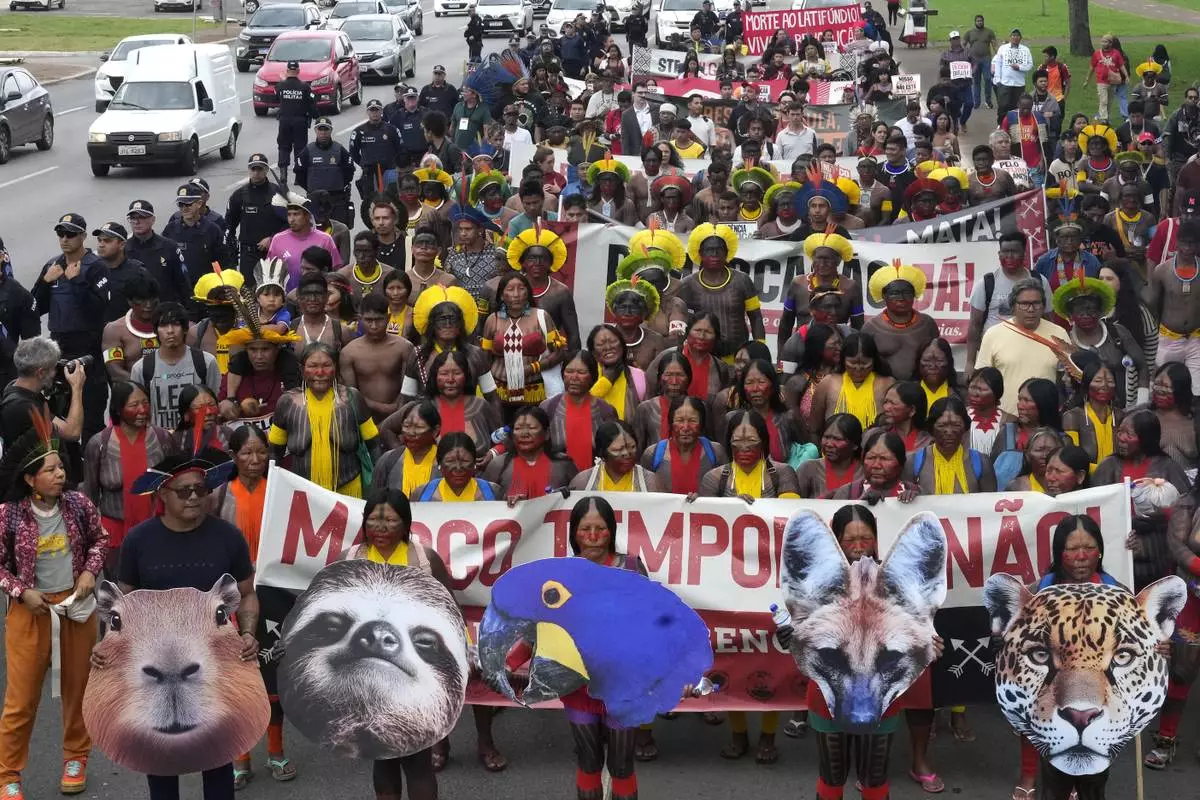
Indigenous groups take part in protest against a proposed constitutional amendment that threatens some of their land rights, in Brasilia, Brazil, Wednesday, Oct. 30, 2024. (AP Photo/Eraldo Peres)