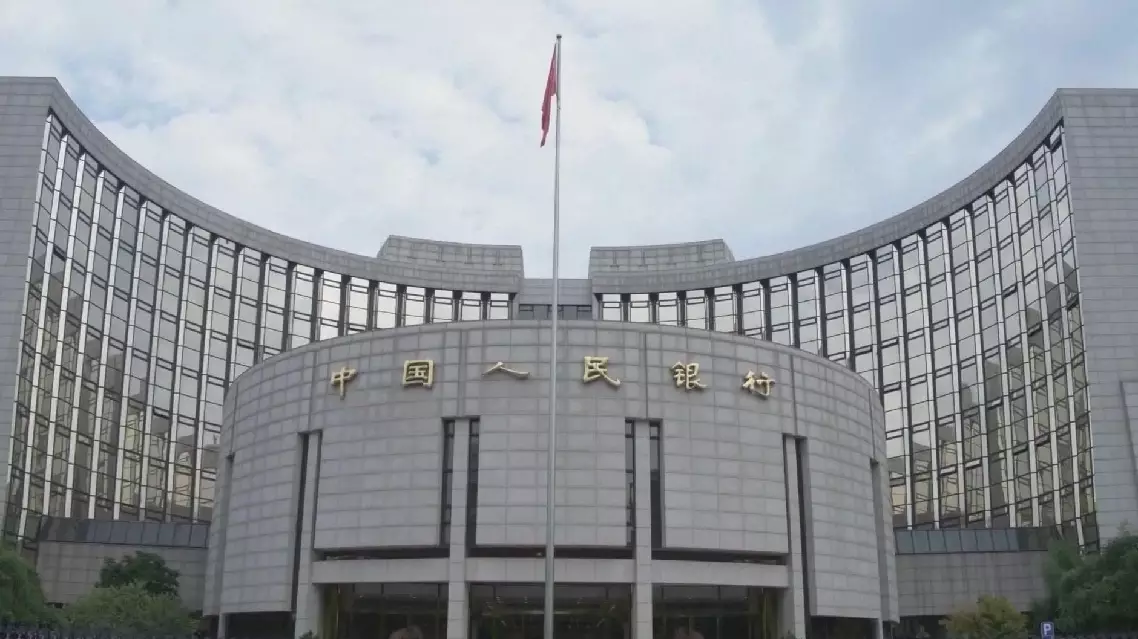
China has reached its 2030 national emission goals, or the Nationally Determined Contributions (NDCs), ahead of schedule, thanks to the country's significantly boosted green energy capacity and expanding carbon credit trade market, according to the Ministry of Ecology and Environment. NDCs are the efforts by each country to reduce national emissions and adapt to the impacts of climate change under the Paris Agreement. China's NDC goals are to reach carbon peak by 2030 and achieve carbon neutrality by 2060.
According to the Department of Climate Change Affairs under the Ministry of Ecology and Environment, China met its 2030 targets for non-fossil energy development and forestation in 2023. Its domestic non-fossil energy consumption has reached around 18 percent of the total, and its forest stock volume has reached 19.49 billion cubic meters, an increase of 6.5 billion cubic meters from the 2005 figure. By the end of July 2024, China's installed green energy capacity had reached over 1.2 billion kilowatts, more than doubled compared to the number in 2020, also accomplishing its 2030 target six years in advance.
Another cornerstone of China's strategy to meet its climate commitments is its carbon credit trade market, which is expanding to cover more major carbon-emitting industries, said Xia Yingxian, director of the Department of Climate Change Affairs under the Ministry of Ecology and Environment.
"China's carbon market launched online trading in July 2021. The accumulated transaction volume of carbon emission allowances (CEA) has approached 500 million tonnes, with a turnover of 29.7 billion yuan (about 4.1 billion U.S. dollars). The trading price is steadily increasing, and now fluctuates around 100 yuan (about 14 U.S. dollars) per tonne. In general, the market is functioning smoothly," said Xia. The government is going to integrate high-emission industries into the carbon credit system, with cement, steel, and aluminum smelting industries as pioneers, according to Xia.
"We drafted the Working Plan for National Carbon Emissions Trading Market to Cover Cement, Steel, and Aluminum Smelting Industries, and, after getting feedback from all parties, we implemented technical specifications such as accounting and verification and guides for cement and aluminum smelting industries. We are also working on the carbon accounting and verification guides for the steel industry," said Xia.
China is now exploring the establishment of new NDC targets for 2035, with plans to submit the updates to the United Nations Framework Convention on Climate Change (UNFCCC) secretariat by 2025.

China reaches its 2030 NDC targets ahead of schedule