Skip to Content Facebook Feature Image

Retired Panamanian officer recounts U.S. invasion of Panama

China

China

China

Retired Panamanian officer recounts U.S. invasion of Panama

2024-12-24 11:02 Last Updated At:18:47

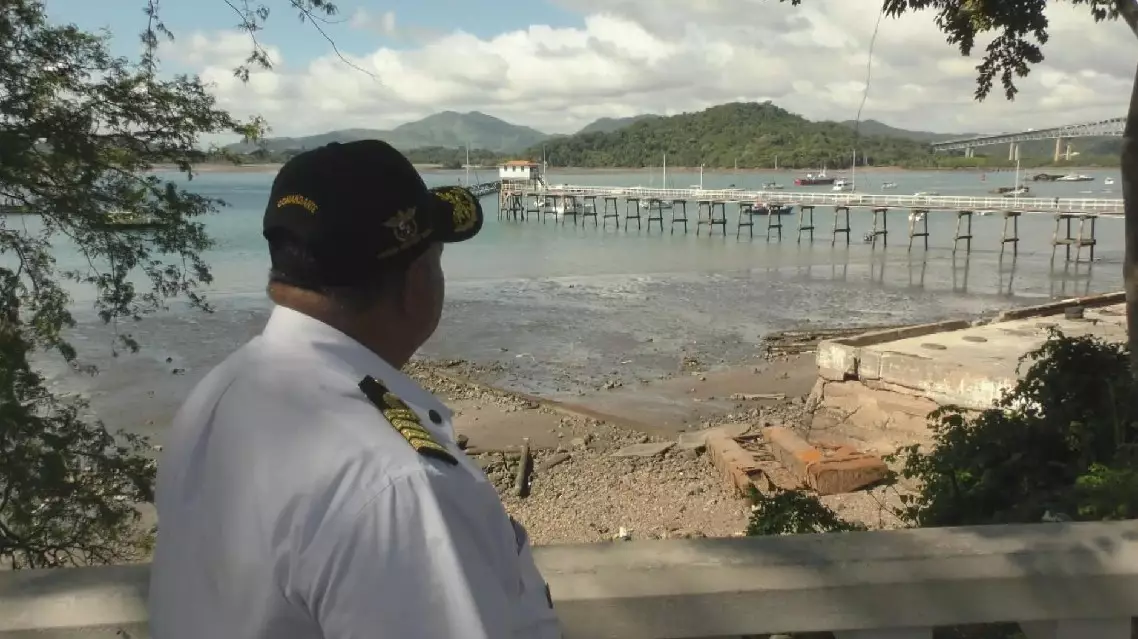
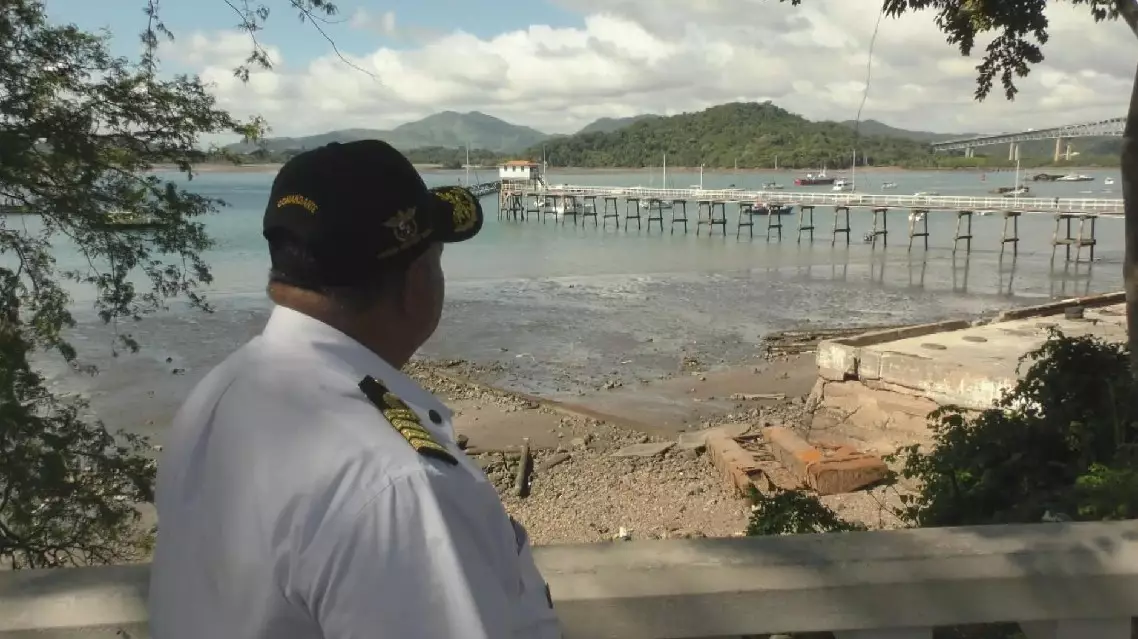
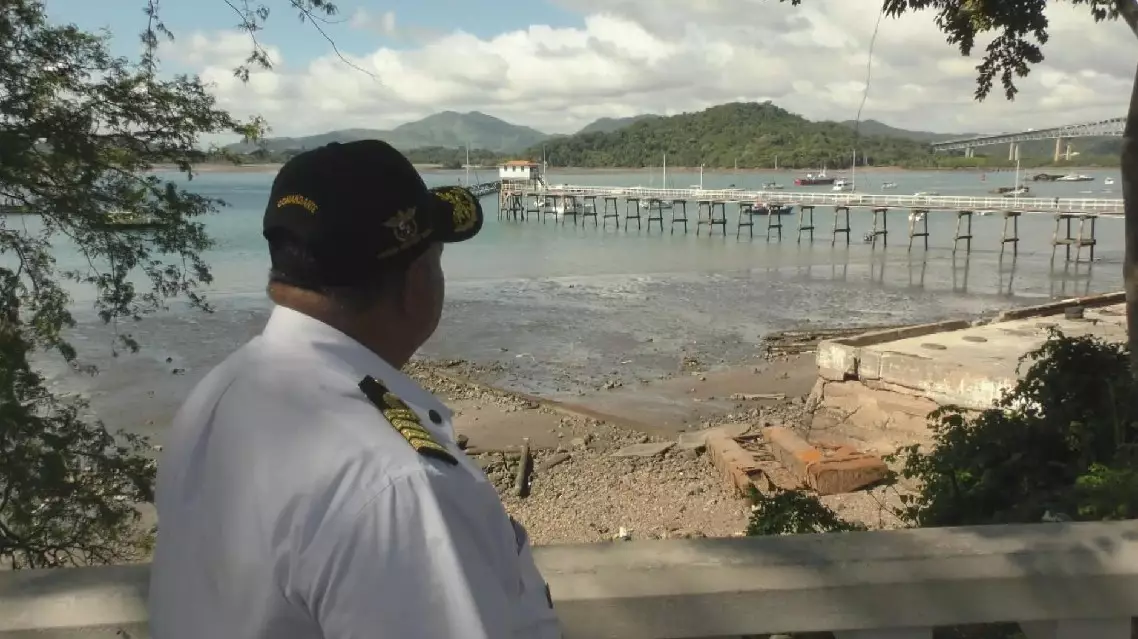
A retired Panamanian officer who fought in the 1989 U.S. invasion of Panama has called the operation an unjust war, saying that it served U.S. interests rather than the so-called goal of defending democracy.

The United States launched "Operation Just Cause" on Dec 20, 1989, with the stated objective of capturing Panamanian strongman Manuel Noriega for drug trafficking and organized crime.

During the operation, which concluded in January 1990 with the surrender of Noriega, nearly 30,000 American soldiers entered the Panamanian territory and killed numerous civilians in the Central American country.

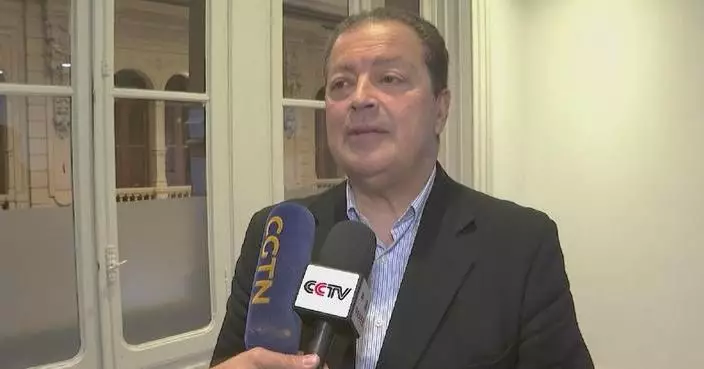
Manuel Marino, now 58, is an officially assigned captain to steer ships through the Panama Canal. He was serving as a lieutenant in the Panamanian Navy at the port of Fuerte Amador when the United States suddenly started the war.

"We were informed that the United States was directly attacking our general headquarters. That's where General Noriega's office was located. In the meantime, we were also under American attack from land, air and sea," Marino said.

In the four years before the invasion, it was reported twice that the United States was going to invade Panama. So the Panamanian military had been preparing for the possible U.S. invasion. But after they were proven rumors, the Panamanians let their guard down. Taking the chance, the United States started the invasion.

"That was a very furious moment. I cannot find another word for it. We had two options: either surrender and see if it can save our lives or continue to fight until we die," Marino said.

Though codenamed as "Operation Just Cause", Marino said the U.S. operation had nothing to do with the word "just".

"They codenamed the invasion as 'Operation Just Cause'. I don't know where they found these words. I don't think any sane person, then or now, could justify this U.S. invasion of Panama. I think beyond arresting commander of the Panama Defense Forces, the Americans were seeking for other interests. This was what prompted them to invade Panama," Marino said.

At an auction many years later, Marino bought a jeep left by the U.S. military after the invasion. The car is still in his garage, as a reminder of this history.

"The U.S. invasion of Panama was an unjust war that should never have happened. For Panamanians, this is a sad day (December 20) and part of the Panamanian history," Marino said.

On Saturday, the exact day marking the 35th anniversary of the invasion, U.S. President-elect Donald Trump called the Panama Canal "a vital national asset for the United States" in a strong-worded statement, threatening to retake the canal, citing "exorbitant prices" on U.S. ships.

Panama's President Jose Raul Mulino dismissed Trump's threats on Sunday, reaffirming that "the sovereignty and independence" of Panama are not "negotiable."

The Panama Canal, an artificial waterway in Panama that connects the Atlantic with the Pacific, was completed by the United States in 1914 and returned to Panama in 1999 under a treaty signed by then U.S. President Jimmy Carter and then Panamanian leader Omar Torrijos. The deal relinquishes American control over the canal by year 2000 and guarantees its neutrality.
Retired Panamanian officer recounts U.S. invasion of Panama
Retired Panamanian officer recounts U.S. invasion of Panama
Retired Panamanian officer recounts U.S. invasion of Panama
Retired Panamanian officer recounts U.S. invasion of Panama
Retired Panamanian officer recounts U.S. invasion of Panama

Retired Panamanian officer recounts U.S. invasion of Panama
A member of the Political Bureau of Ansar Allah (the Houthi military group) on Thursday warned of an escalation in conflicts in the Middle East as Israel continued to carry out deadly strikes in Lebanon.

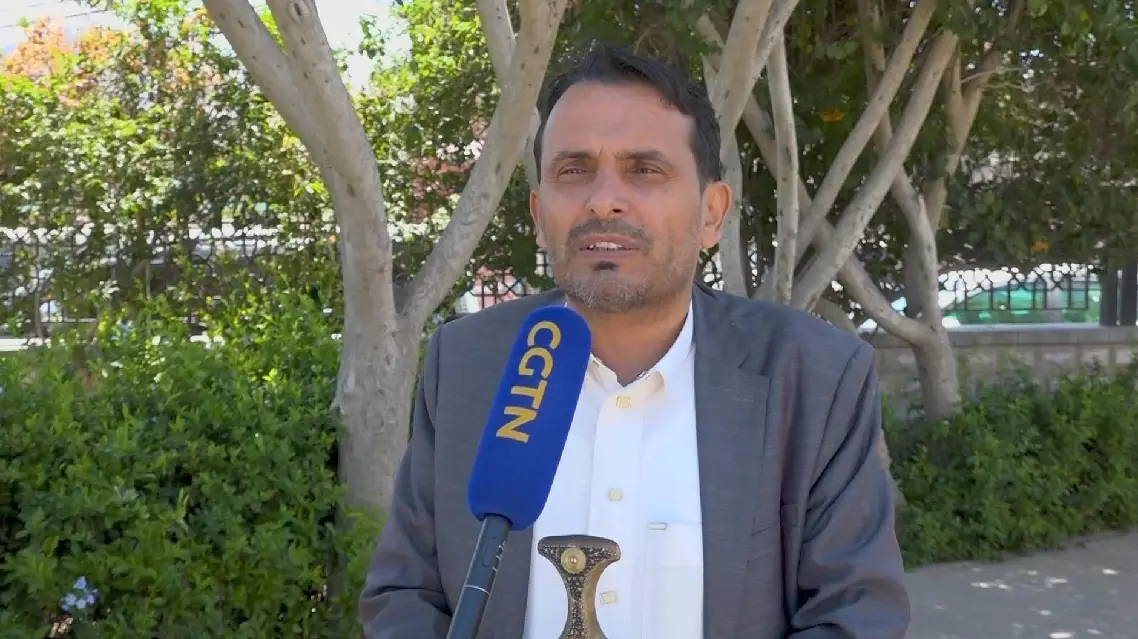
Talking to China Global Television Network (CGTN), Houthi political bureau member Ali Al-Dailami emphasized the group's support for other members of the Iran-led "Axis of Resistance," a regional coalition committed to countering Israel and includes militant groups like Hezbollah and Hamas.

"Coordination within the 'Axis of Resistance' is ongoing, especially since we are talking about American and Zionist hegemony, and this axis is based on resisting imperialism and resisting the Zionist occupation, so it continues. This coordination has already appeared in many moves, most recently what was announced by the military spokesperson Yahya Saree regarding joint operations between Iran, Hezbollah, and Yemen," said Al-Dailami.

"We are with the Islamic Republic of Iran, we are with the resistance, we are with Lebanon, we are with Palestine. This is a principled stance we cannot waver from, and it is also considered a red line. And this red line -- whoever tries to cross it, we will certainly confirm the other direction, which is the direction of the resistance: with Lebanon, with Palestine, with the Islamic Republic of Iran, with Iraq, and with all who resist American imperialism and Zionist occupation," said the official.

His remarks echoed the statement by Houthi leader Abdul-Malik al-Houthi, who said on Thursday that military operations would escalate in the coming period, warning of potential "surprise actions" in line with developments on the ground.

In a televised speech broadcast by the Houthi-run Al-Masirah TV, al-Houthi indicated that the group's campaign would enter a new phase marked by intensified activity and evolving tactics.

The Houthi leader highlighted his group's military role within what he described as coordinated regional efforts, stating that the Yemeni front had contributed to "joint operations with the Axis of Resistance," including missile and drone strikes targeting Israel.

A two-week ceasefire was announced early Wednesday by the United States and Iran. The office of Israeli Prime Minister Benjamin Netanyahu said Israel would comply with the truce but would continue military operations in Lebanon.

Prior to the ceasefire, the Houthis had launched missile and drone attacks against Israel starting on March 28 -- one month after the United States and Israel launched the current massive attacks on Iran -- in what they described as support for allied forces in Iran, Iraq, Lebanon and Palestine.

The group, which has controlled Sanaa and much of northern Yemen since late 2014, previously supported Iran during last year's 12-day conflict with the United States and Israel.

Houthi official warns of military escalation amid regional tensions

Houthi official warns of military escalation amid regional tensions

Recommended Articles