The growth rate of the total revenue of China's logistics sector has increased for three consecutive months as of November, as industrial demand rebounds ensured stable and rising vitality in the industry, according to data released by the China Federation of Logistics and Purchasing on Sunday.
From January to November, the total revenue of the logistics industry stood at 12.5 trillion yuan (about 1.71 trillion U.S. dollars), up 4 percent year on year, which is 0.2 percentage points higher than the growth rate of the Jan-Oct period, the data showed. The revenue growth quickened for the third consecutive month in November.
The business volume indexes for more than 80 percent of the logistics sub-sectors were in the expansion zone, with those for railway, e-commerce, express delivery and the warehousing industry picking up.
In November, the average daily loadings of the state railway reached a record 194,000 cars.
In the month, China's e-commerce logistics sector handled 17.21 billion parcels, a year-on-year increase of 14.9 percent.
In the first 11 months of the year, various links of the logistics sector maintained stable operation, with the structure optimized and cross-modal integration deepened.
The freight volume of raw materials and bulk commodities rebounded significantly in the period.
In November, the proportion of railway and water transportation increased by 0.2 percentage point from the same period last year.
In the meantime, intermodal transport such as rail-water freight and road-rail freight has developed rapidly.
"Thanks to the development of new quality productive forces, transportation has gradually become more intensive, with larger-scale organizations and chain store management. The core objective is to effectively reduce logistics costs in the society and fully utilize social resources," said Zhou Wei, a researcher at the Research Institute of Highway of the Ministry of Transport.
So far, more than 3,000 online freight platforms across the country have used digital technologies to reduce costs and improve efficiency, according to Zhou Zhicheng, director of the Research Office of the China Federation of Logistics and Purchasing.
"Some central enterprises and state-owned enterprises have established supply chain innovation platforms. We hope to have more data and bring together data from railways, ports and the customs on the internet to make better use of data resources and better empower real economy," Zhou said.
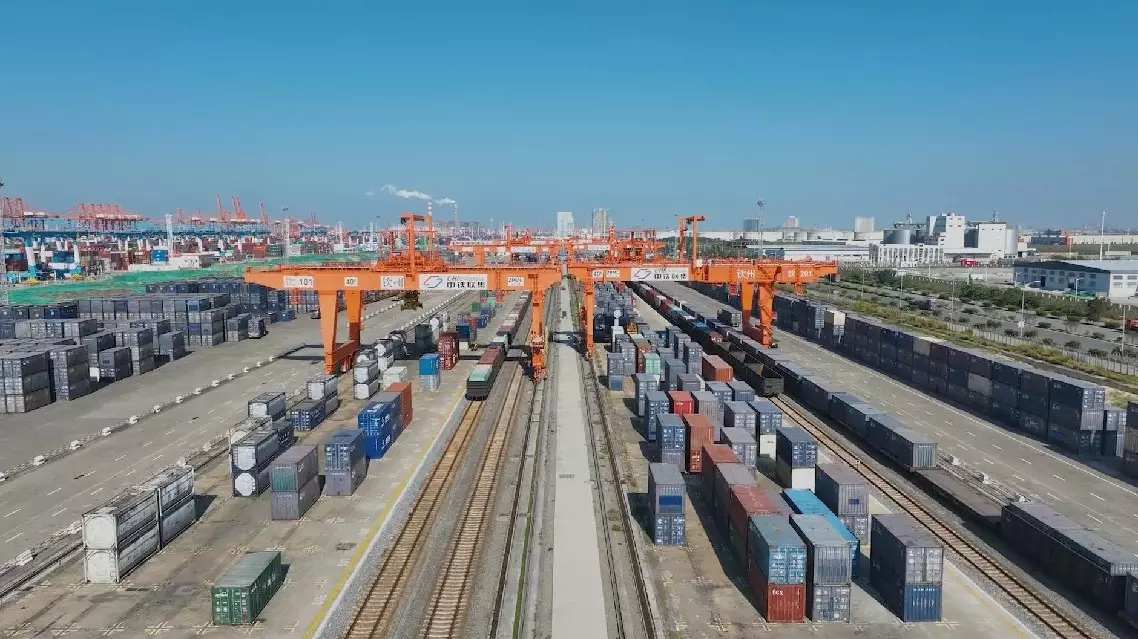
China's logistics sector sees incremental growth of total revenue
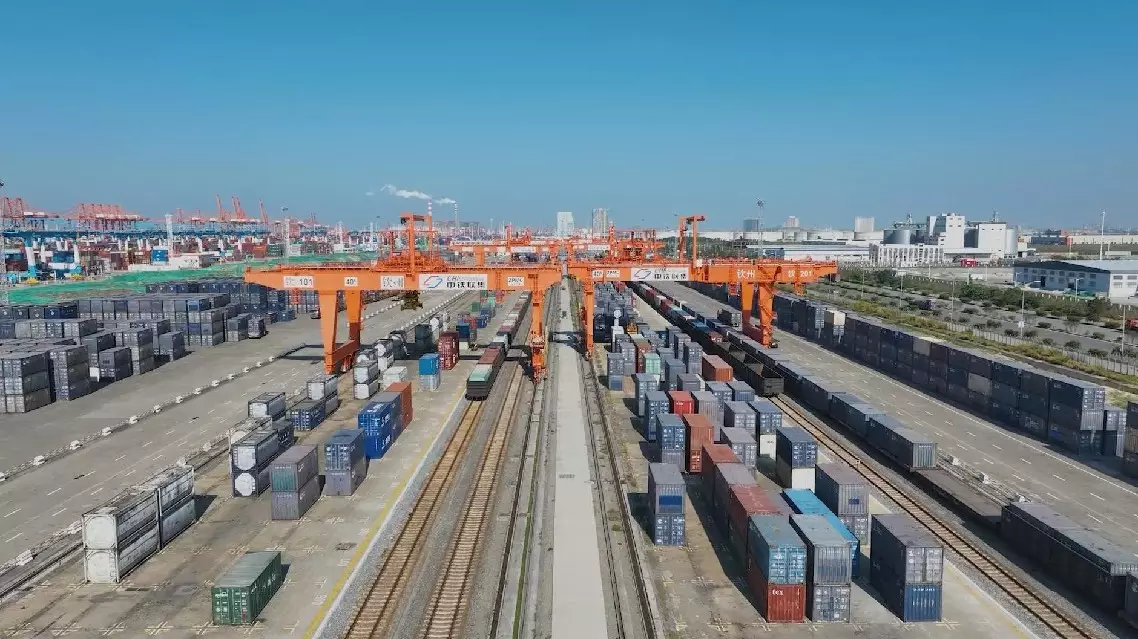
China's logistics sector sees incremental growth of total revenue