China's largest integrated photovoltaic(PV)-hydrogen-storage project located in Jiangsu Province was connected to the grid and begun power generation from Tuesday, said state-owned energy firm CHN Energy Friday.
Located on the coastal tidal flats of the Yudong Reclamation Area in Rudong County, it is China's first integrated offshore facility combining PV power generation, hydrogen production and refueling, and energy storage, all within a framework of comprehensive energy utilization and coastal ecological restoration.
The 400-megawatt project, spanning 4,300 mu (around 286.67 hectares), incorporates a newly constructed 220 kV onshore booster station, a 60 MW/120 MWh energy storage facility, and a hydrogen production and refueling station with a capacity of 1,500 cubic meters per hour and 500 kilograms per day, respectively.
Part of China's third batch of Desert, Gobi and Rocky Areas Mega Wind and Solar Base Projects, the Rudong facility is expected to generate around 468 million kilowatt-hours of electricity annually.
The project is expected to deliver significant environmental benefits, including an annual reduction of approximately 309,400 tons of carbon dioxide emissions, 562.6 tons of sulfur dioxide emissions, and 1,125.3 tons of nitrogen dioxide emissions.
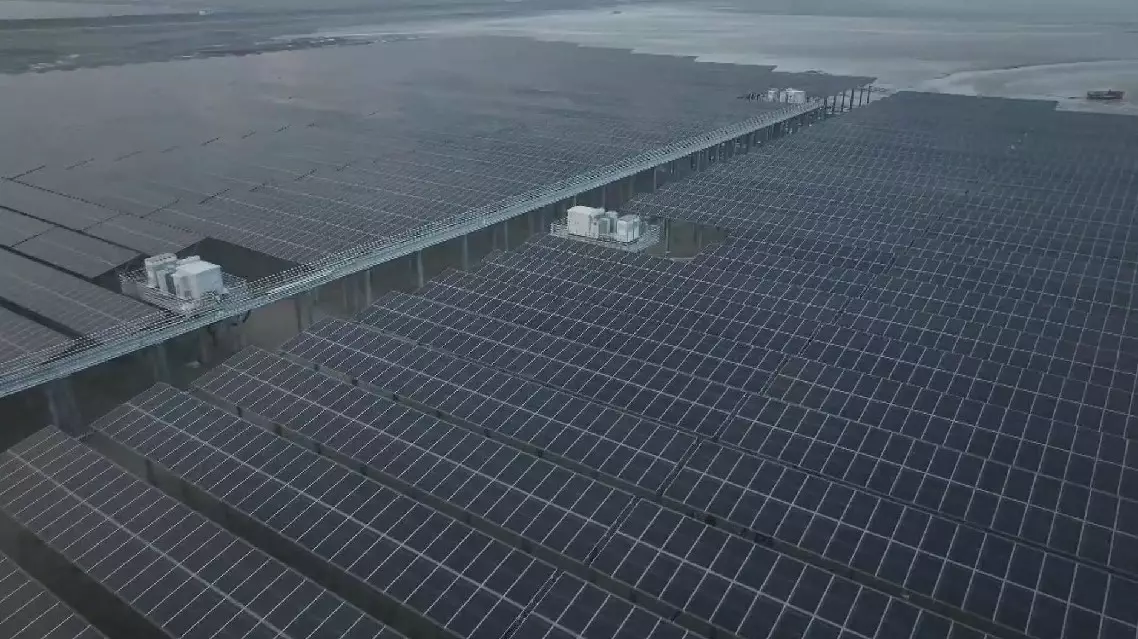
China's largest integrated PV-hydrogen-storage project begins power generation
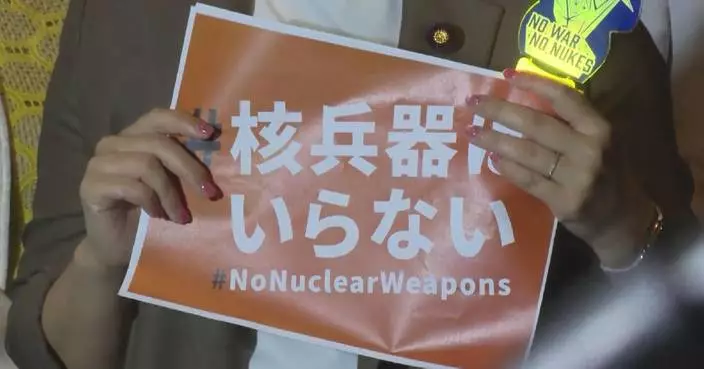
Japan should earnestly fulfill its nuclear safety responsibilities and put itself under international supervision to alleviate the concerns of the international community, Foreign Ministry spokesman Lin Jian said at a press briefing in Beijing on Wednesday.
He made the remarks in response to a media query about leakage of water containing radioactive substances at the decommissioning site of the nuclear reactor Fugen in Fukui Prefecture in central Japan on Tuesday, raising the possibility that several workers may have been exposed to radiation.
"This incident has once again exposed serious flaws in Japan's nuclear facility operations, operational maintenance capabilities, and nuclear safety oversight. For some time now, a series of nuclear facility safety incidents in Japan have raised concern, including fraud of quality inspection data for radiation detectors at the Fukushima Daiichi Nuclear Power Plant and an overflow accident involving spent fuel pool cooling water at the reprocessing plant in the village of Rokkasho, Aomori Prefecture. Against the backdrop of various problems such as aging nuclear facilities, chaotic management, and inadequate regulation, Japan has still decided to restart the Kashiwazaki-Kariwa Nuclear Power Plant, which previously experienced a spent fuel pool cooling water overflow incident. This has already sparked opposition and protests among the Japanese public," said Lin.
"China urges Japan to fully draw lessons from the Fukushima nuclear accident, earnestly fulfill its nuclear safety responsibilities, promptly provide information and take effective measures, properly handle the decommissioning of nuclear power plants and the disposal of radioactive waste, and voluntarily accept international oversight so as to reduce concerns in the international community. This incident further demonstrates that the international community needs to continue strengthening comprehensive oversight and monitoring of the management of Fukushima nuclear-contaminated water discharge into the sea and the operation of related equipment, in order to safeguard the safety of the marine environment," he said.
Japan should accept int'l supervision on nuclear safety: spokesman