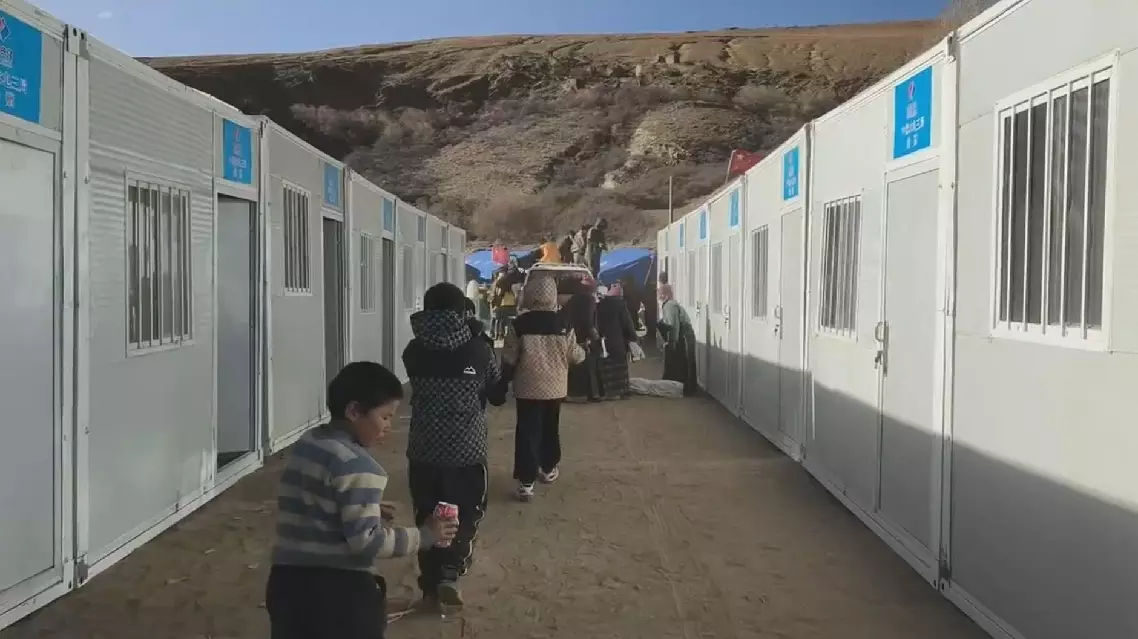
Disaster relief efforts are in full swing in southwest China's Xizang Autonomous Region following a 6.8-magnitude earthquake, with hundreds of personnel installing prefabricated homes to relocate affected residents.
The quake jolted Dingri County of Xigaze City on Tuesday morning, with at least 126 people confirmed to have lost their lives and 188 others injured, and over 3,600 homes collapsed.
As of 17:00 Thursday, the Ministry of Emergency Management had mobilized emergency rescue teams specializing in engineering, safety production and emergency power supply.
A total of 84 teams have been deployed, comprising 1,586 people, with 1,019 sets of equipment and three helicopters.
So far, over 160 damaged houses have been checked and 500 households have received emergency aid, totaling more than 2,600 people.
These teams have also helped install over 100 prefabricated houses and delivered more than 61,000 emergency relief items.
Meanwhile, materials such as mobile homes have started arriving in the earthquake-affected areas.
In Lhaze County, the installation of the first batch of prefabricated homes is underway.
On Thursday, at a vacant site in front of Lhaze High School, excavators were leveling the ground in preparation for the construction of these prefabricated homes.
By 19:00 Thursday, half of the ground was leveled and 400 sets of mobile homes had been delivered to the construction site.
Work on the water and power supply for these homes was also progressing.
"Due to the weather conditions, strong winds, the hoisting work is risky. But we'll try our best to speed up the progress while ensuring the safety," said Jiang Lei, site manager of the Lhaze relocation project.
Relief efforts in full swing in quake-hit Xizang
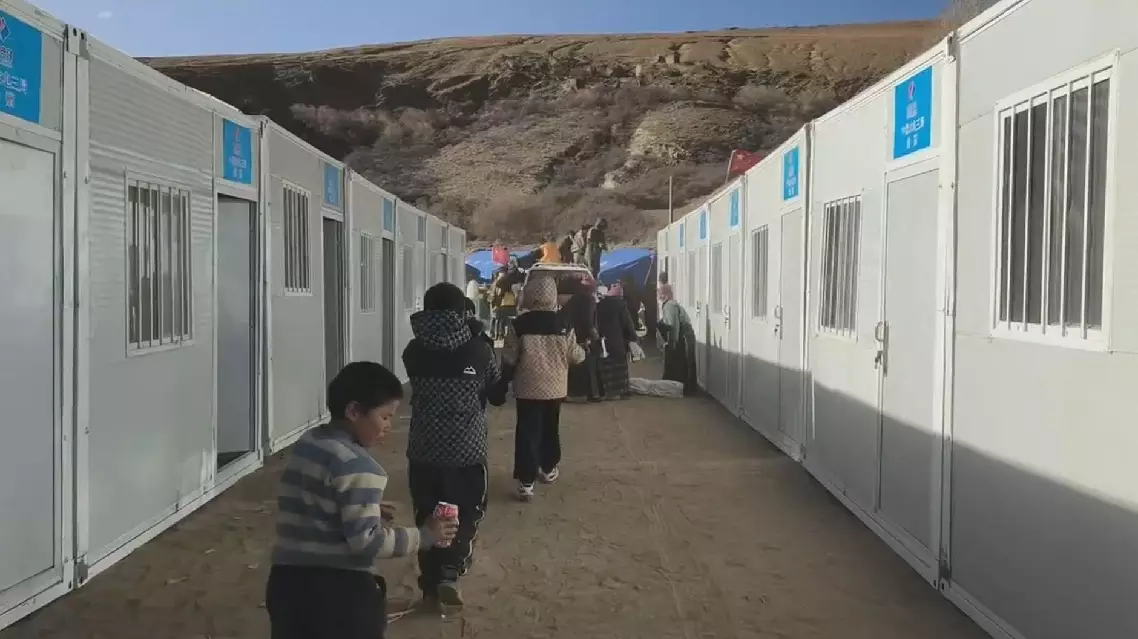
Relief efforts in full swing in quake-hit Xizang
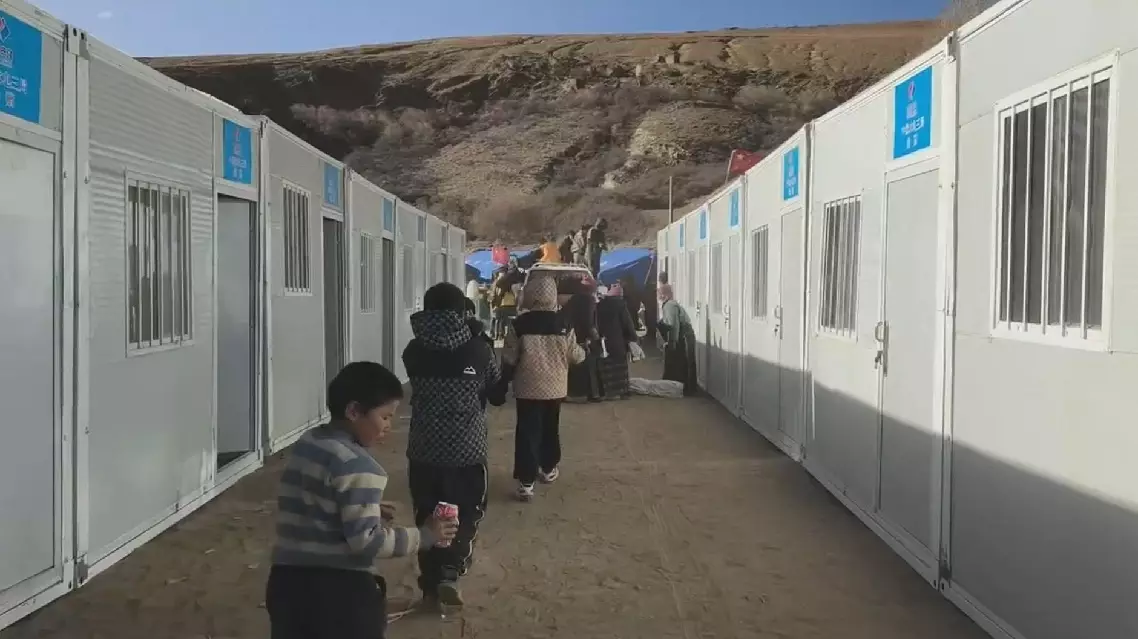
Relief efforts in full swing in quake-hit Xizang
China's natural gas production is projected to reach 300 billion cubic meters by 2030, according to a development report released in Beijing.
The report, covering the development of China's oil and gas industry during the country's 14th Five-Year Plan period (2021–2025), said proven geological reserves rose by 7 billion tons of oil and 7 trillion cubic meters of gas, up 43 percent and 40 percent respectively from the previous five-year period. Oil and gas production hit record highs.
"The oil output is likely to reach between 215 and 216 million tons this year. Natural gas has seen major growth during the 14th Five-Year Plan period (2021–2025), with annual domestic output rising by nearly 13 billion cubic meters. In the 15th Five-Year Plan period (2026-2030), we expect annual increases of more than 10 billion cubic meters, reaching 300 billion cubic meters around 2030," said Wu Mouyuan, deputy director of the Economics and Technology Research Institute of China National Petroleum Corporation (CNPC).
The report forecast that China's energy structure will feature less coal, stable oil and gas, and rising non-fossil fuels over the next decade.
By 2060, fossil fuels are expected to account for 23 percent of the energy mix, hydropower and nuclear 19 percent, wind 25 percent, and solar 30 percent, the report said.
"In the next five years, through the integrated development of fossil energy and renewables, we will achieve a heathy, stable, and resilient energy system. Clean energy will continue to grow rapidly. More than 90 percent of renewable energy will be consumed via electricity, so the electrification at end-use sectors is a key direction of transformation in the future," said Wu.
With the rapid growth of artificial intelligence and new high-energy industries, China's power demand will exceed 20 trillion kilowatt hours by 2060, double the 2025 level. Electrification at end-use sectors is expected to reach 62 percent, rising by nearly one percentage point annually, the report projected.
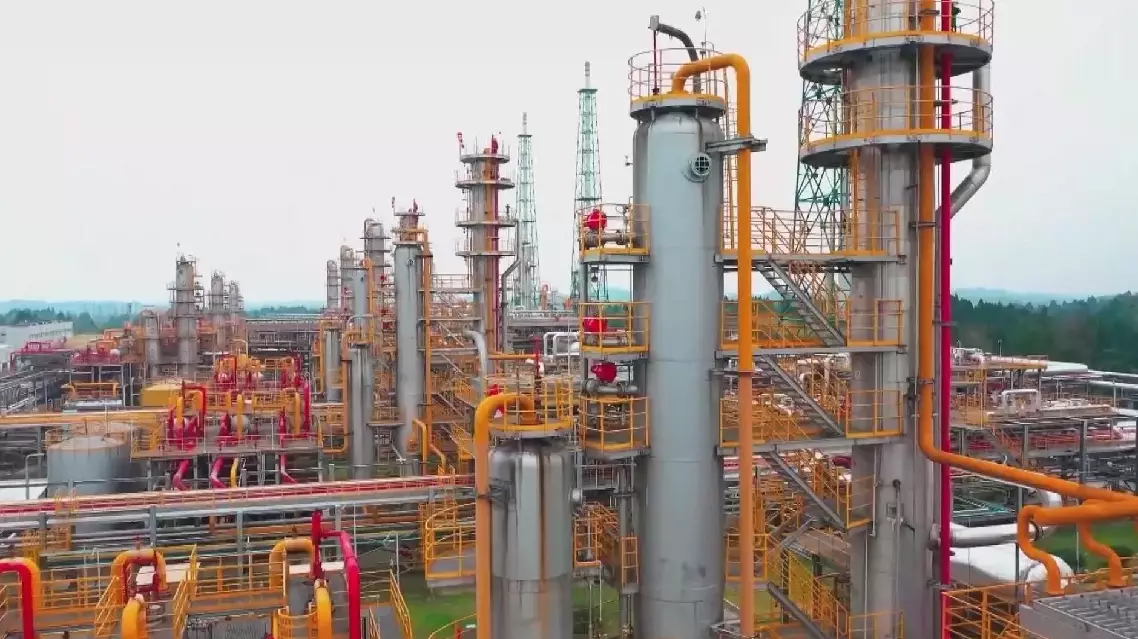
China to see gas output hitting 300 bcm by 2030: report