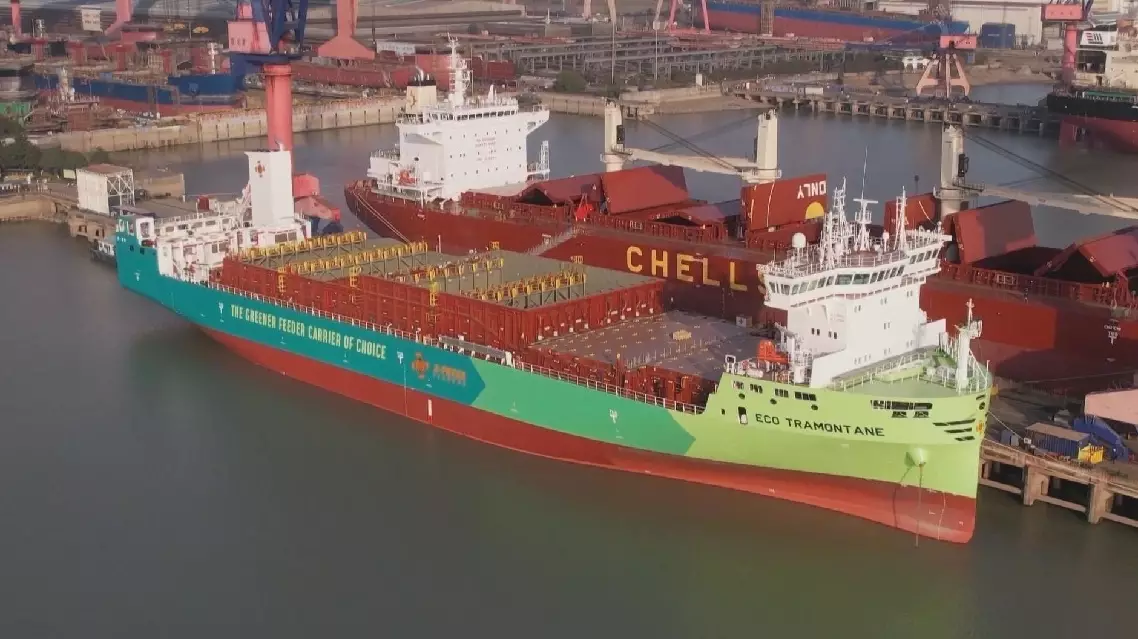
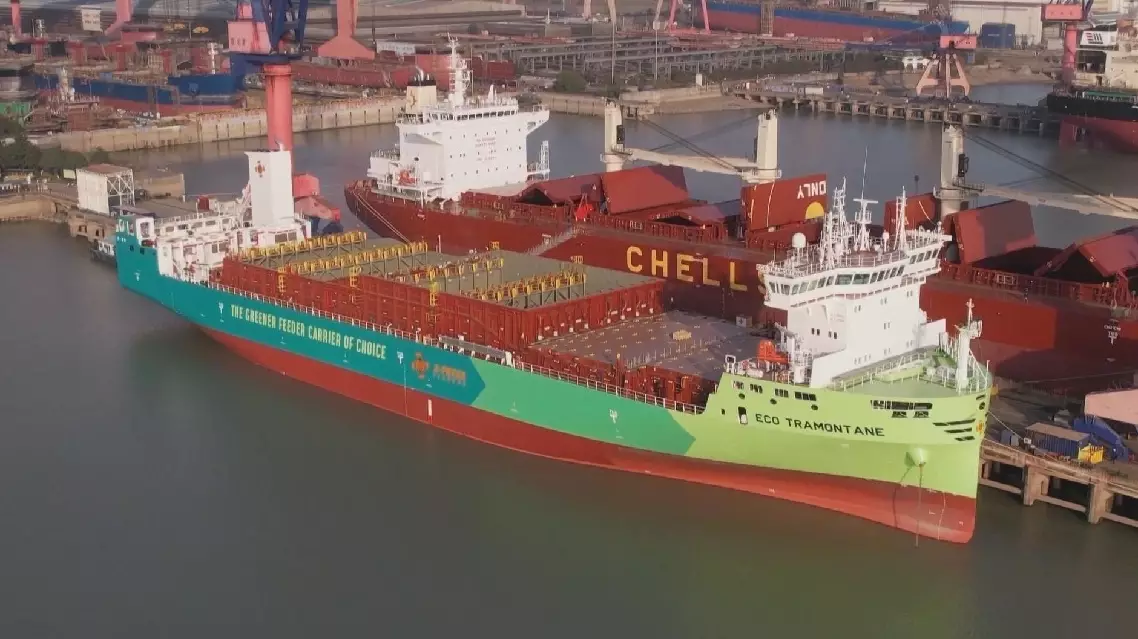
The shipbuilding industry in Yangzhou, a riverport city in east China's Jiangsu Province, has welcomed a good start in the year with five large-scale ships successfully delivered to overseas buyers in January.
Shipbuilding in the Yangtze River Delta is a major growth point for China's foreign trade exports, and the ship makers in Yangzhou are confident about their future trades with dozens of orders in hand.
One thing that makes Yangzhou-built ships attractive is their low-emission designs, helping shippers prepare for climate regulations. Chen Herong, executive vice general manager of a shipbuilding company, introduced one of the latest models.
"It's a dual-fuel ship, a new energy ship. When methanol fuel is used, it can realize zero carbon emissions. We currently have more than 80 orders. The production plan has been arranged until the first half of 2028, and the overall delivery volume this year is expected to increase compared with last year," he said.
As one of the three major shipbuilding bases in Jiangsu, the ships built in Yangzhou are mainly large bulk carriers and roll-on, roll-off ships for transporting vehicles, covering multi-purpose heavy lift ships, container ships, asphalt carriers and other types.
To support the high-quality development of the city's shipbuilding industry, Yangzhou Customs has optimized its supervision and customs clearance procedures, adopting a new model for imported main engines and other large equipment used for shipbuilding, among other measures that are shortening clearance times and accelerating ship delivery.
"To support the development of shipbuilding companies in Yangzhou, customs has been implementing policy-making reports and plans for every single case of these companies so that the entire customs clearance procedure can be seamlessly connected, and the ships can be delivered to overseas clients as quickly as possible," said Cao Yongchun, director of the transport vehicle supervision section of Yangzhou Customs.
Shipbuilding industry in east China's Yangzhou enjoys robust start in 2025
Shipbuilding industry in east China's Yangzhou enjoys robust start in 2025
Iran on Monday publicly rejected a core U.S. demand to cease all uranium enrichment, while projecting a dual-track strategy of guarded diplomatic engagement and reinforced military preparedness.
The moves came as the indirect Iran-US talks in Oman's Muscat last week yielded no breakthrough and regional tensions continued to simmer.
On Monday, Mohammad Eslami, president of the Atomic Energy Organization of Iran, said that while Iran could consider diluting its 60-percent enriched uranium, it would only do so if all international sanctions were first lifted.
Eslami also dismissed past proposals to ship the material abroad for safekeeping.
Iranian President Masoud Pezeshkian and Foreign Minister Seyed Abbas Araghchi echoed this line on Monday, reaffirming Tehran's strategy of engaging in talks while refusing to concede on what Iran views as sovereign rights.
Pezeshkian and Araghchi have described the Muscat talks as a "good start" but warned that diplomacy must be based on "respect, not coercion."
In a televised speech on Monday, Iran's Supreme Leader Ali Khamenei urged Iranians to show unity and "disappoint the enemy" ahead of the 47th anniversary of the 1979 Islamic Revolution, amid rising tensions with the United States.
Meanwhile, Ali Larijani, secretary of Iran's Supreme National Security Council, is set to lead a delegation to visit mediator Oman on Tuesday.
Simultaneously, Iran has signaled a shift toward greater military opacity. Iran's state news agency IRNA said in a report on Sunday that the Defense Ministry has halted all public displays of new weaponry "for security reasons and to safeguard the principle of surprise," a move widely interpreted as preparing for potential conflict.
Positions from the United States and Israel have appeared equally firm. A report on Sunday by Israel's Channel 15 said the United States had privately messaged Iran, seeking Iran's "concessions" in the next round of talks, and expecting "serious and meaningful content."
On Monday, The Jerusalem Post, citing Israeli defense officials, reported that Israel has warned the U.S. it "will strike alone" if Iran crosses its "red lines" on ballistic missiles.
Israeli Prime Minister Benjamin Netanyahu's office said on Sunday that he will meet with U.S. President Donald Trump on Feb 11 in Washington, and will discuss the U.S.-Iran negotiations.
Netanyahu is expected to demand that the U.S. promote the transfer of Iran's enriched uranium out of the country and restrict Iran's ballistic missile capabilities.
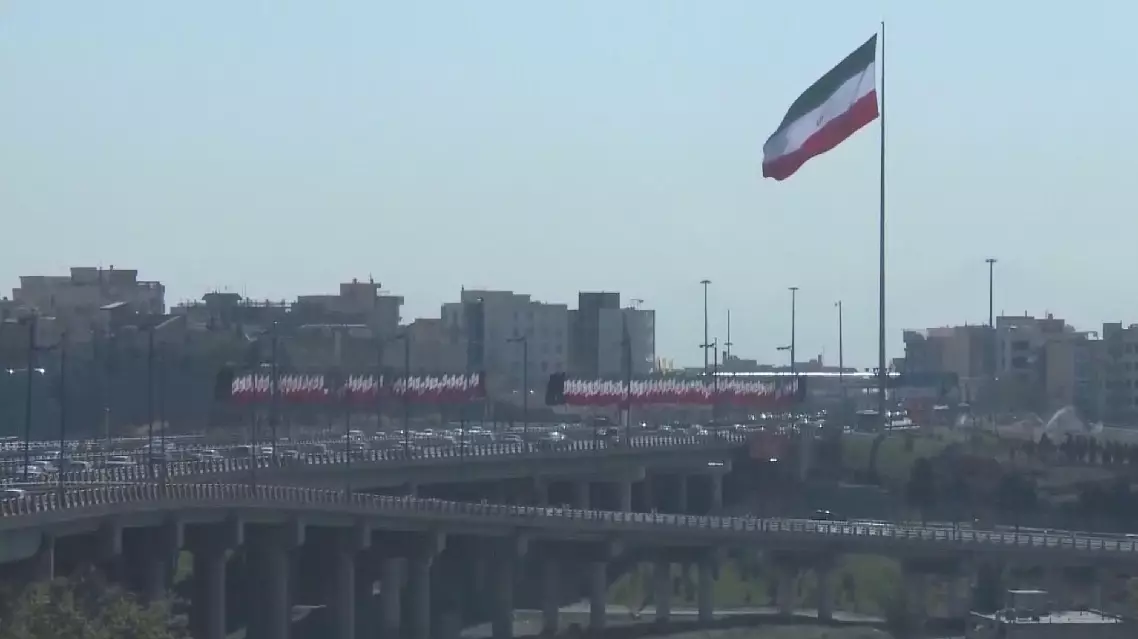
Iran rejects zero enrichment, projects dual-track posture amid stalled talks with U.S.