The decision to temporarily suspend treasury bond purchases in the open market by China's central bank is aimed at stabilizing the bond market, a Chinese official said on Tuesday.
The People's Bank of China (PBOC) announced on Friday that it had decided to temporarily suspend treasury bond purchases in the open market, starting from this month, adding that bond purchases will be resumed at an appropriate time in accordance with the supply and demand situation.
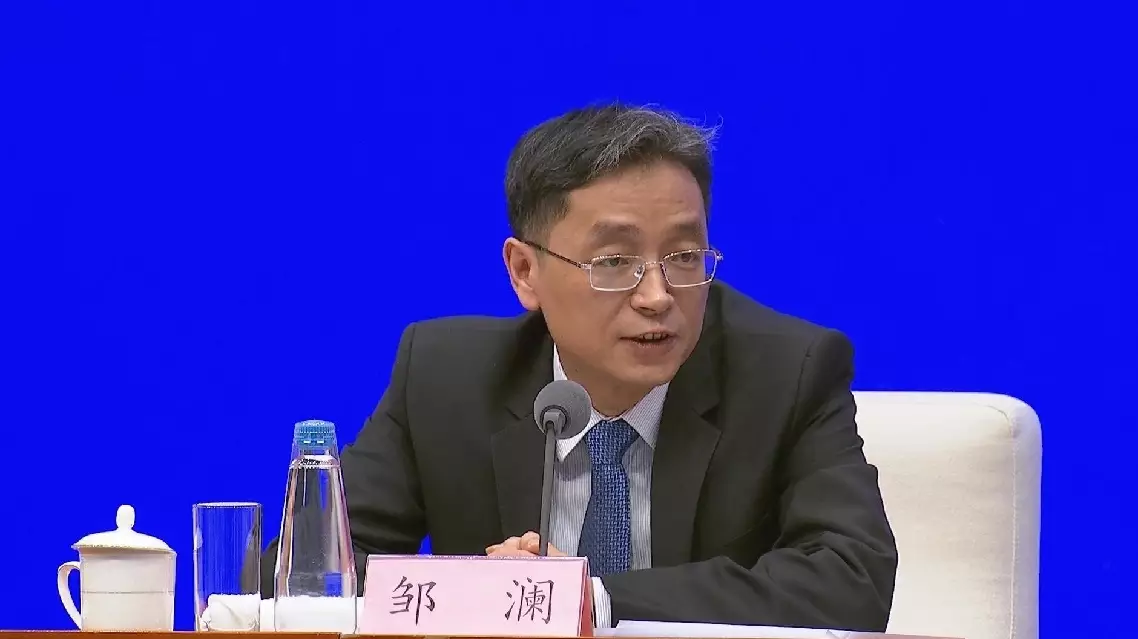
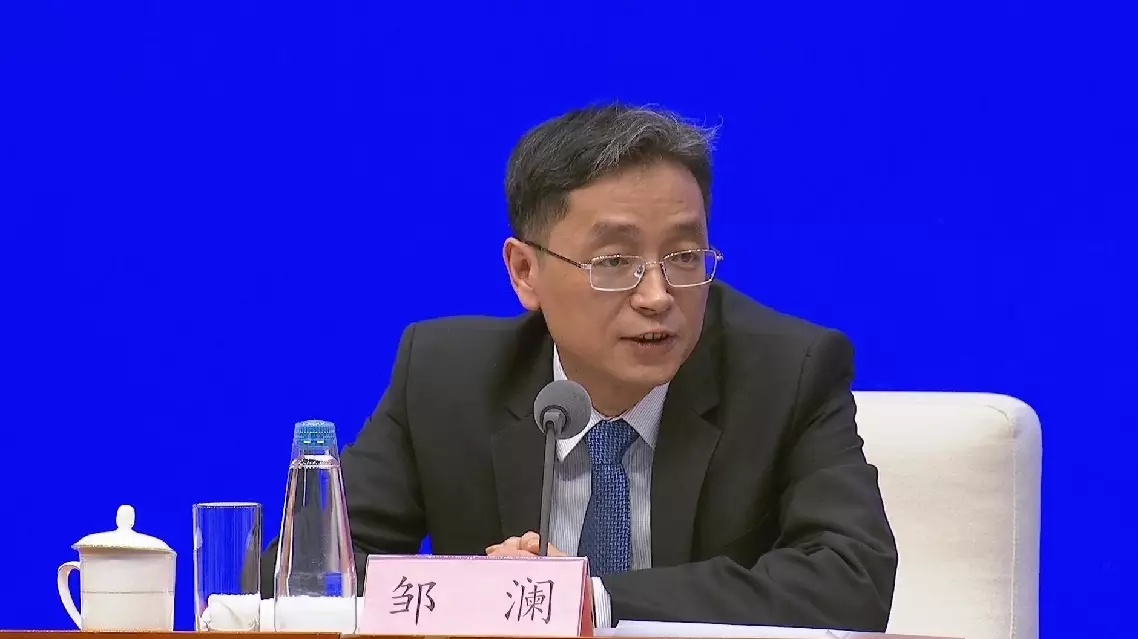
Responding to questions about the recent decline in China's treasury bond yields at a press conference in Beijing, Zou Lan, head of the PBOC's monetary policy department, expressed confidence in the country's economy, saying that better economic expectations will eventually be reflected in treasury bond yields.
Rising bond yields indicate falling demand and lower prices in the secondary market for treasury bonds, which means investors are optimistic about the economy and prefer higher-risk, higher-reward investments, while a falling yield suggests the opposite.
"Since 2024, China's economy has been recovering amid fluctuations. Especially since September, market expectations and social confidence have improved significantly. China is expected to achieve the annual growth target of around five percent. The recent Central Economic Work Conference also made it clear that more proactive macro policies should be implemented to maintain stable economic growth. Improved economic expectations will eventually be reflected in treasury bond yields," said Zou.
The official outlined the risks of treasury bond trading in the secondary market.
"Treasury bonds represent the credit of the country. If investors hold them until maturity, they will surely receive the principal and the agreed interest without any credit risk. Therefore, a treasury bond is usually considered as a safe asset. However, since the coupon rate of long-term treasury bonds is fixed, the change of market expectations for that rate will cause trading price fluctuations in the secondary market, and sometimes the fluctuations can be relatively large. So investing in treasury bonds is not without risk," he said.
China's bond market is still relatively new, so many investors, especially in the general public, are unaware of the hidden risks in treasury bond trading, which prompted the PBOC to halt bond purchases to narrow the gap between supply and demand and cool down the market, Zou said.
"The PBOC has strengthened macro-prudential management, repeatedly warned about risks, tightened market supervision, and suspended buying operations in the secondary market and resorted to other tools to supply liquidity during the period when fewer bonds are issued in the primary market, so as not to affect investors' demand and exacerbate the imbalance between supply and demand and market fluctuation. The purpose is to ensure the long-term and stable development of the bond market," he said.
China's central bank suspends treasury bond purchases to stabilize bond market: official
China's central bank suspends treasury bond purchases to stabilize bond market: official