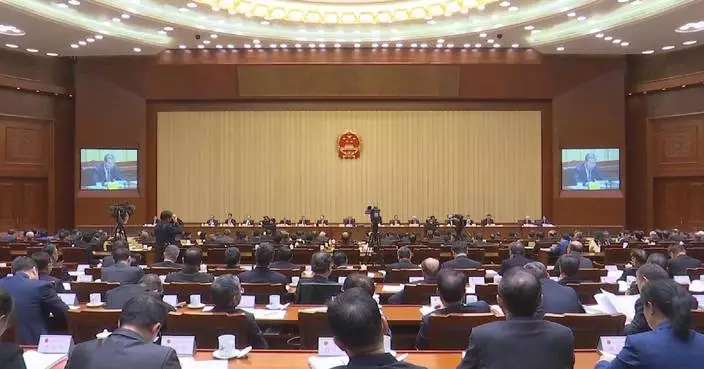
The Chinese People's Political Consultative Conference (CPPCC) National Committee, China's top political advisory body, made concerted efforts in last year to help advance work related to agriculture, rural development and farmers, and promote rural revitalization, said a spokesman on Monday.
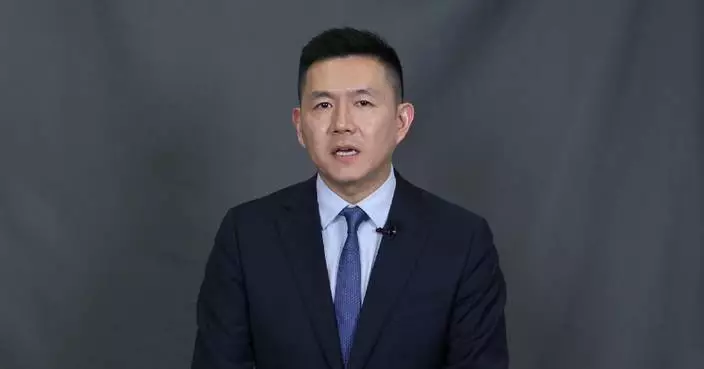
Speaking at a press conference held by the CPPCC National Committee in Beijing one day before the opening of its annual session, Liu Jieyi, spokesman for the third session of the 14th National Committee of the CPPCC, emphasized the importance of rural development in achieving China's modernization goals, stressing that since ancient times, China has always underlined the importance of agriculture and seen it as a matter of national significance.
Click to Gallery
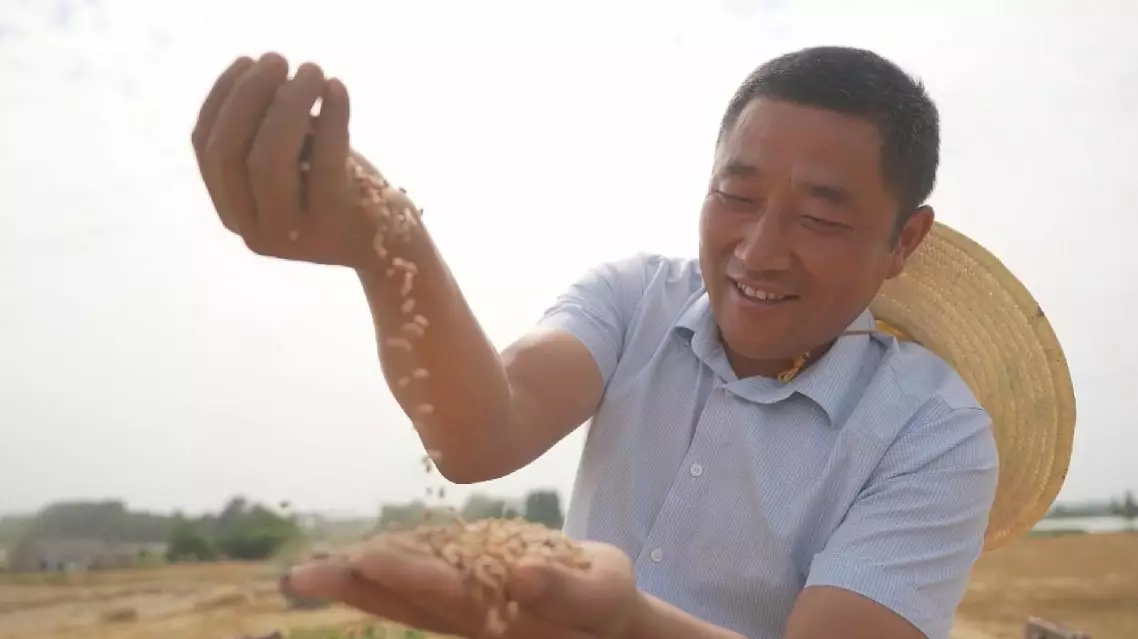
CPPCC helps drive modernization, prosperity in China's rural areas: spokesman
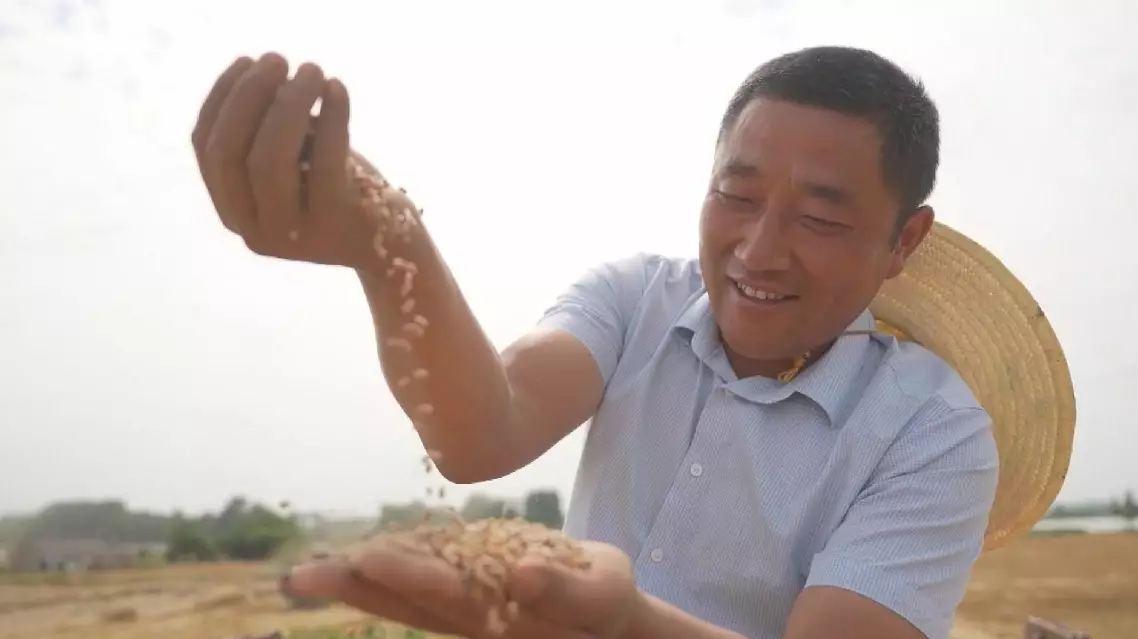
CPPCC helps drive modernization, prosperity in China's rural areas: spokesman
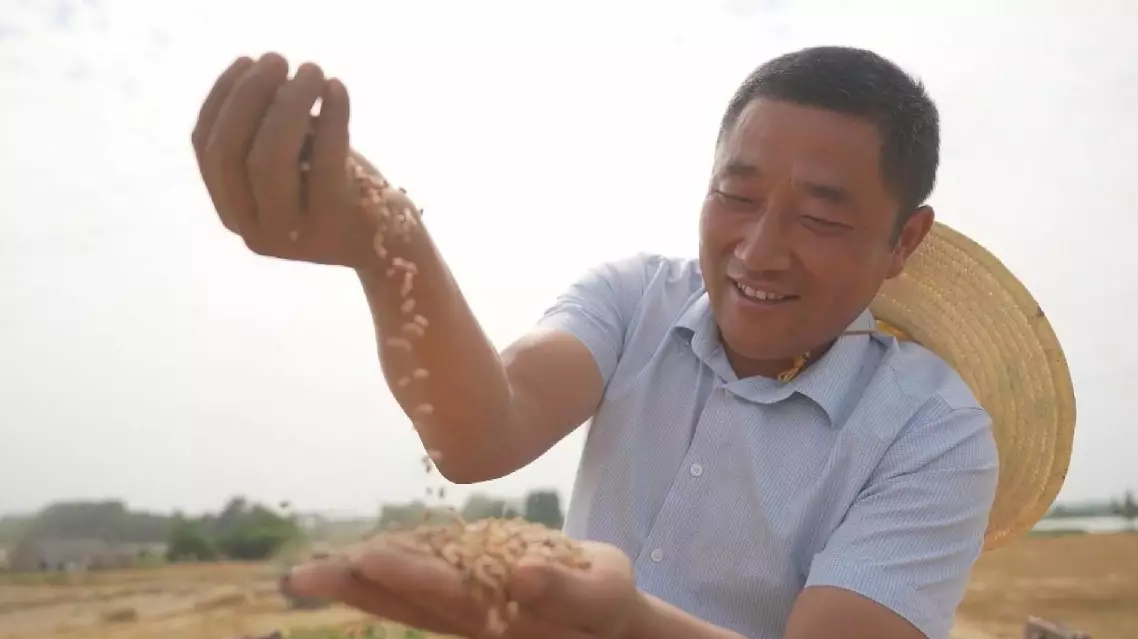
CPPCC helps drive modernization, prosperity in China's rural areas: spokesman
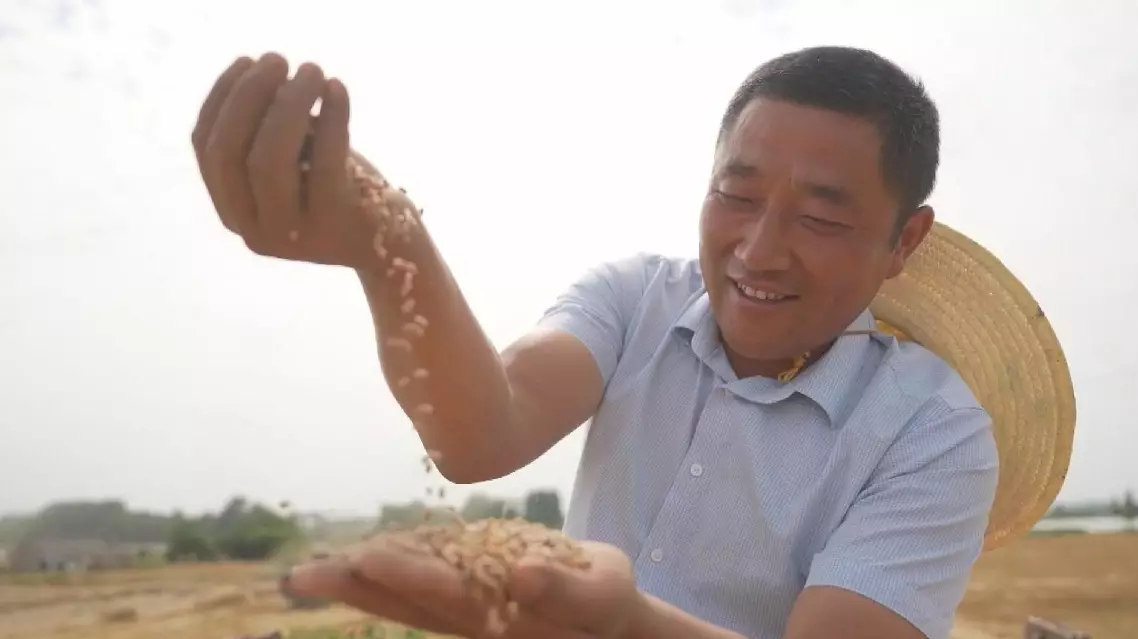
CPPCC helps drive modernization, prosperity in China's rural areas: spokesman
The spokesman said the most arduous and demanding task in building China into a modern socialist country in all respects and realizing national rejuvenation still lies in the rural areas, where the most extensive and profound foundation remains.
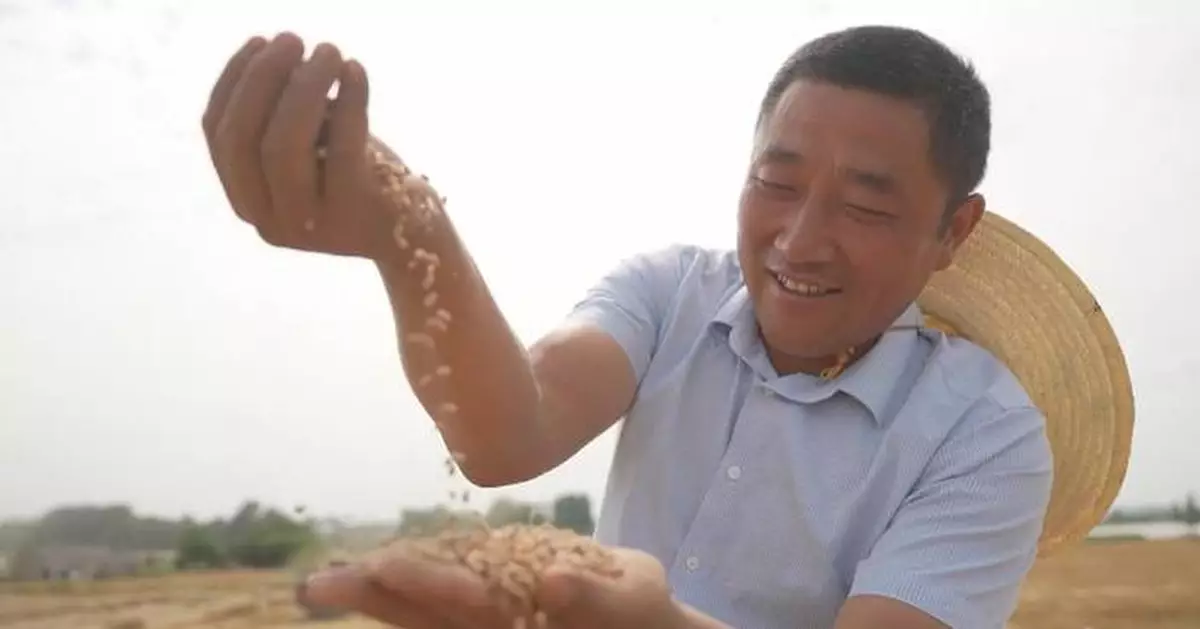
"Last year, big achievements was made in work related to agriculture, rural areas, and rural residents. Grain output exceeded 700 million tonnes for the first time. Poverty alleviation achievements continued to be consolidated and expanded, with 33 million new jobs being created for labor force lifted out of poverty. Modernization of the rural areas and agriculture continued to advance, and industries boosting rural residents' income were thriving. The per capita disposable income of rural residents and those in poverty-alleviated counties increased by 6.3 percent and 6.5 percent, respectively. And efforts to build a beautiful and harmonious countryside were soundly advancing, with sustained improvements in the living environment and public services," he said.
Noting that rural revitalization work is enjoying new progress, Liu said the CPPCC National Committee always closely follows the work in agriculture, rural areas and rural residents, focusing on major themes like building a strong agriculture, rural revitalization and common prosperity. It draws on its diverse members - academicians, experts, and grassroots representatives - to conduct in-depth research on topics like grain production, rural infrastructure, and public services, while actively providing consultations and recommendations.
"The CPPCC National Committee members conducted on-the-ground research into challenges in rural development, offering targeted suggestions. They went to 33 cities in 11 provinces, submitted over 600 proposals, and collected a wealth of social and public opinions. Focusing on agricultural development, rural construction, and increasing farmers' incomes, they held biweekly consultation meetings to study how to boost the enthusiasm of farmers and major grain-producing areas to grow grain and coordinated the layout of urban-rural infrastructure and public services. They invited grassroots CPPCC members and major grain producers to participate in discussions, directly gathering grassroots voices, pooling ideas, and promoting the implementation of policies. They achieved solid results," said Liu.
CPPCC helps drive modernization, prosperity in China's rural areas: spokesman
CPPCC helps drive modernization, prosperity in China's rural areas: spokesman
CPPCC helps drive modernization, prosperity in China's rural areas: spokesman
CPPCC helps drive modernization, prosperity in China's rural areas: spokesman