A senior Mexican diplomat in China has denied a U.S. claim that Mexico could join Washington in imposing additional tariffs on China.
Last Friday, U.S. Treasury Secretary Scott Bessent claimed in a television interview that Mexico is considering matching U.S. tariffs on China, a move he called "very interesting," while urging Canada to do the same.
Regarding the U.S. claim, Jesus Enrique Escamilla Nunez, Minister and Deputy Head of Mission at the Embassy of Mexico to China, said in an interview with China Media Group (CMG) on Monday that "That's of course the United States' saying, don't worry. At this moment, the [bilateral] relations are great."
U.S. President Donald Trump signed an executive order on Feb. 1, imposing 25 percent tariffs on goods imported from Mexico and Canada. The 25-percent U.S. tariffs, which took effect at midnight between Monday and Tuesday.
On Tuesday, Mexican President Claudia Sheinbaum announced that her country will unveil retaliatory tariffs against the United States on Sunday, condemning the U.S. tariff hike as "unjustified."
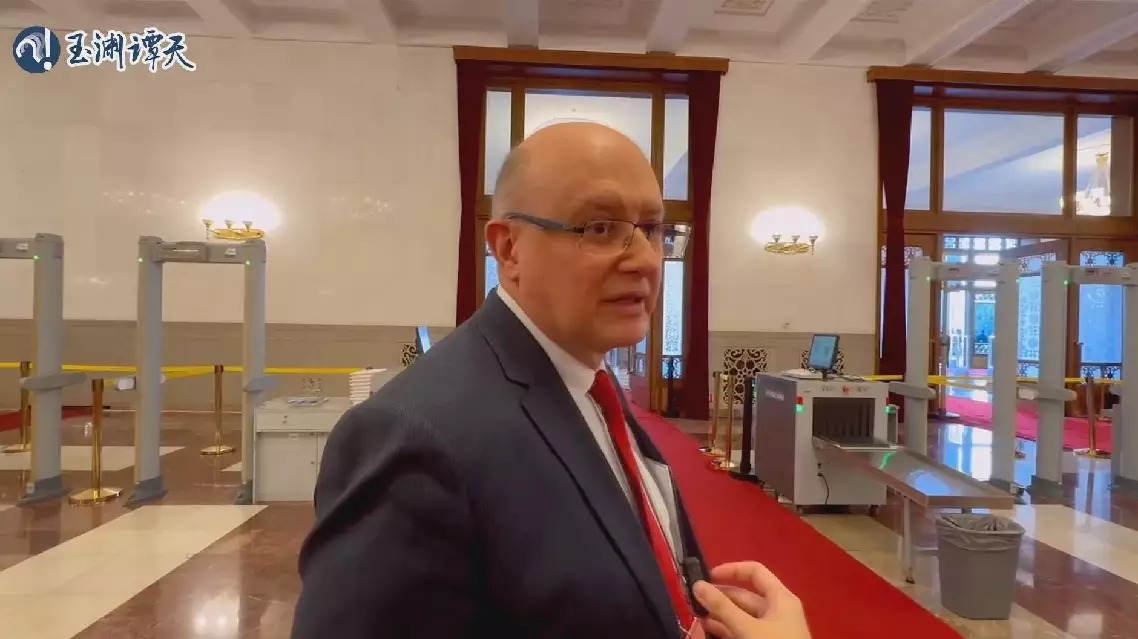
Mexican envoy denies U.S. claims of Mexico joining Washington in hiking tariffs on China
China's outline of the 15th Five-Year Plan (2026-2030), adopted on Thursday, maps out a systematic path toward high-quality development by building new growth drivers through the fostering of emerging and future industries.
In the latest five-year blueprint, the emerging strategic industries China will nurture have been expanded to include new sectors like intelligent connected new-energy vehicles (NEVs) and robotics. It also outlines plans to establish emerging strategic industry clusters tailored to local conditions, each with its own distinctive features and complementary strengths.
Experts suggested that this marks a shift for emerging industries -- from isolated breakthroughs to scaled, clustered development.
"During the 15th Five-Year Plan period, we aim to further promote and expand emerging industries in both scale and quality. The development of industrial clusters is a clear reflection of economies of scale. Building on the existing foundation, this will further sharpen the international competitiveness of our emerging industries. The blueprint's emphasis on new application scenarios and innovative business models will also help steer these industries toward a higher quality of development," said Wei Qijia, a researcher at the State Information Center, which is under China's National Development and Reform Commission.
The plan also identifies key frontiers to reach, including quantum technology, biomanufacturing, hydrogen and nuclear fusion energy, brain-computer interfaces, embodied artificial intelligence (AI) and 6G. Moving beyond mere technological roadmaps, it also stresses the need to build a full-chain incubation system for future industries.
"This forward-looking approach reflects a keen sense of foresight. The plan introduces mechanisms for identifying and monitoring emerging industries and making dynamic adjustments accordingly. If a particular new area or arena shows potential to foster emerging future technologies, it needs to be identified as early as possible. The blueprint's specific references to initiatives such as pilot zones for future industries and research institutes dedicated to their development also signal an important direction in terms of working methodology -- providing clear guidance on how to nurture the industries of the future," he said.
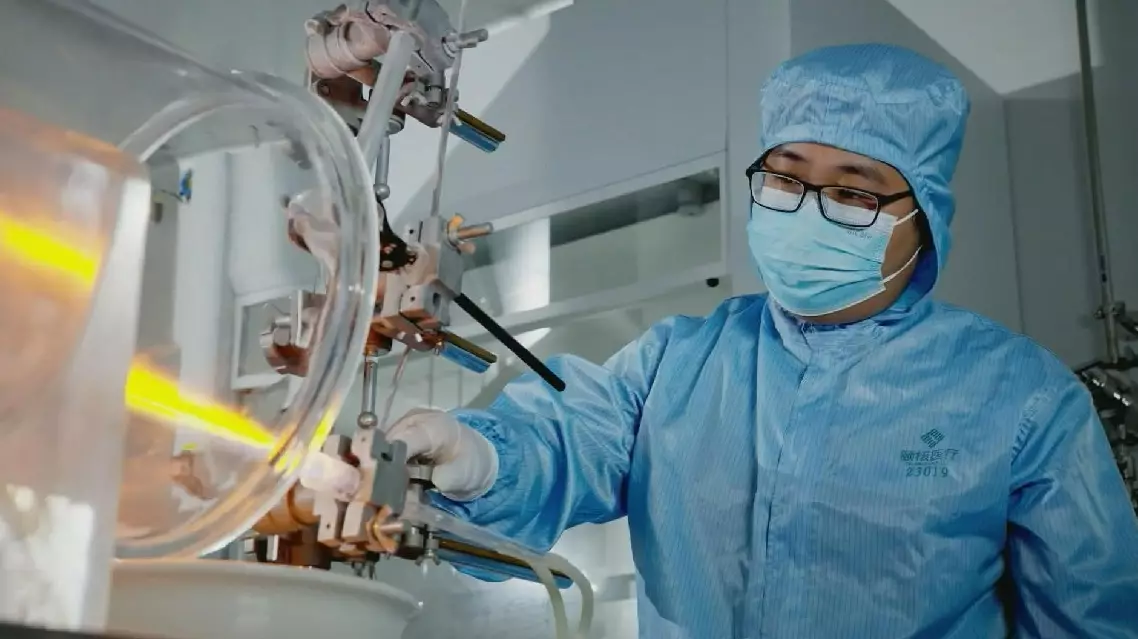
China's five-year blueprint set to foster emerging, future industries