Yiwu, the world's largest wholesale market for small commodities in east China's Zhejiang Province, is witnessing a surge in orders for outdoor products as the warming spring weather boosts demand for outdoor activities.
Merchants are gearing up to meet the rising demand.
In a store in the outdoor products section of the Yiwu International Trade Market, Chinese buyer Zhang Xin is inspecting a set of outdoor chairs and tables he had ordered earlier.
He had contacted the store by phone to express his specific needs and application scenarios for the outdoor products, and the tailored items were available within half a month.
"I come here to place orders, and the products will be shipped to Mongolia and Russia," he said.
The peak season for outdoor products lasts from March to November, with stores typically receiving a flood of global orders as early as March.
Some factories, despite operating at full capacity, are struggling to keep pace and have extended production schedules into 2026.
Merchants are embracing the order boom while setting ambitious growth targets.
"We are busy creating materials in various languages, including German, French, and Spanish. Our goal this year is to achieve a roughly 30 percent increase in orders from the previous year," said Zhu Yuelai, a merchant.

Yiwu sees surge in outdoor products as spring arrives
Iran's Islamic Revolution Guard Corps (IRGC) warned on Tuesday that if the U.S. army crosses the red line in attacking civilian targets, Iran's response "will go beyond the region."
In a statement published on its official news outlet Sepah News, the IRGC said: "We will not hesitate to retaliate vile aggressions against civilian facilities."
It came as tensions rose on Tuesday after U.S. President Donald Trump made a social media post in which he threatened Iran's "whole civilization will die tonight," if they fail to meet the deadline he had set to reach a deal and reopen the Strait of Hormuz, signaling a possible sharp escalation of the U.S.-Israeli war with Iran.
On the same day, the IRGC announced that as part of the 99th wave of its ongoing "Operation True Promise 4," it has launched attacks on more than 30 targets across central, southern, and inland areas of Israel, covering Rishon LeZion and Petah Tikva in Central Israel, Beersheba, Dimona, and Arad in Negev region, and around ten locations in Tel Aviv.
It added that further retaliations would intensify, with Israeli industrial facilities, infrastructure and military bases all identified as potential targets.
The IRGC also said on Tuesday it had carried out strikes on U.S. bases and other targets in the Persian Gulf and the Strait of Hormuz, as well as on military command centers in the occupied Palestinian territories as part of the 99th wave of its operation.
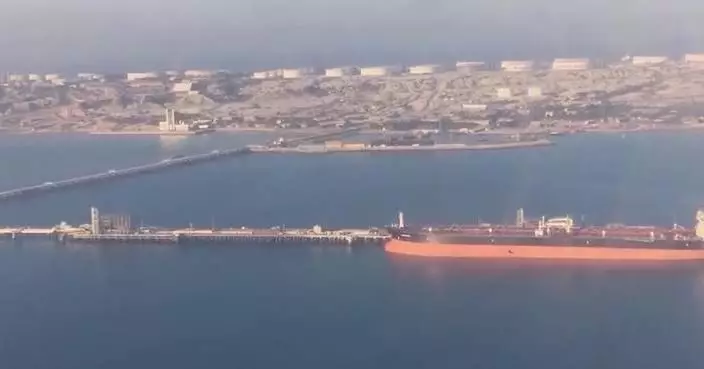
According to the statement, the operations, jointly conducted by the IRGC Navy and Aerospace Force, carried out attacks with ballistic and cruise missiles along with attack drones in response to earlier strikes on petrochemical plants and affiliated facilities in Iran's southern coastal city of Asaluyeh.
The IRGC further claimed it had launched a long-range missile attack against the U.S. Navy's Abraham Lincoln Carrier Strike Group, which is reportedly deployed in the Indian Ocean.
Separately, media reports said a large petrochemical complex in Saudi Arabia's Jubail, which was owned by a U.S. company, was hit by medium-range missiles and drones.
Another container vessel, reportedly linked to Israel and believed to be preparing to transport military equipment from the Khor Fakkan port in the United Arab Emirates, was also said to have been struck.
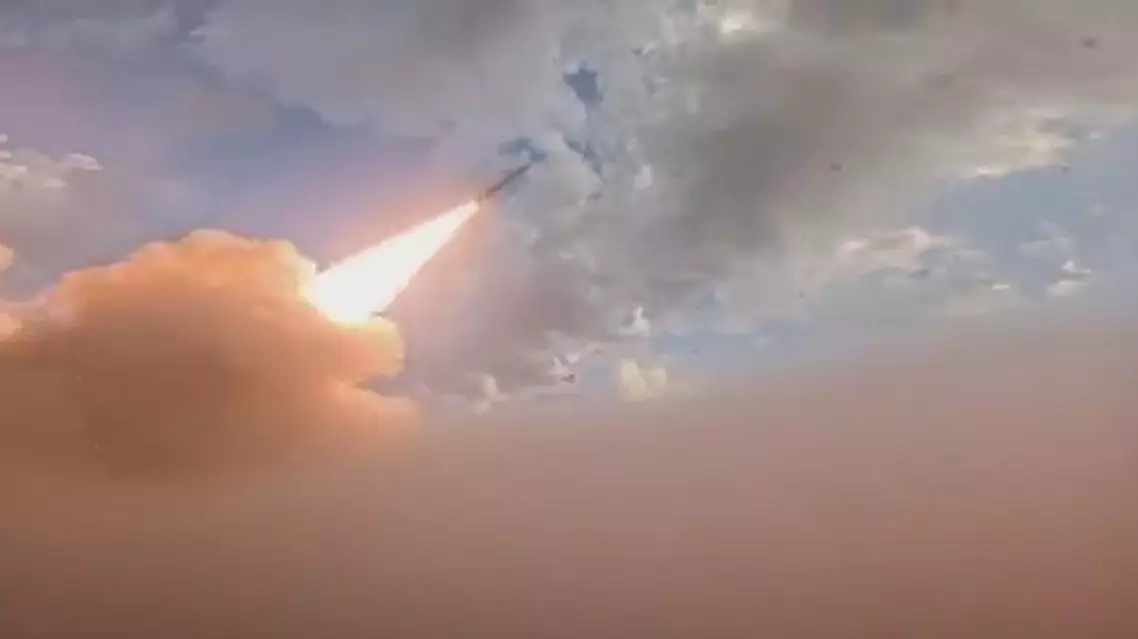
Iran's IRGC vows "beyond the region" response if US hits civilian targets