JENA, La. (AP) — Detained Columbia University student activist Mahmoud Khalil appeared briefly Friday in immigration court at a remote Louisiana detention center as his lawyers fight in multiple venues to try to free him.
Khalil, 30, a legal U.S. resident with no criminal record, sat alone next to an empty chair through a brief court session that dealt only with scheduling. His lawyer participated via video.
Click to Gallery
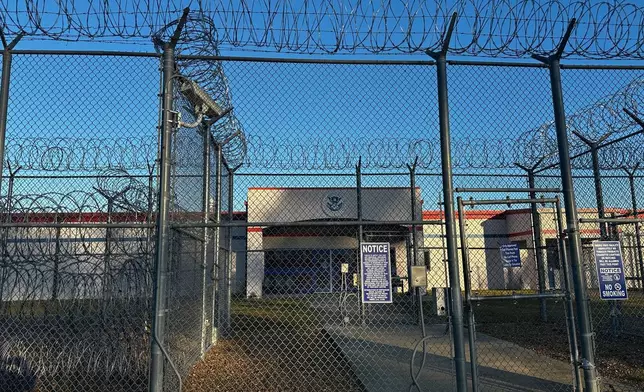
The Department of Homeland Security’s ICE detention facility is shown in Jena, La., on Friday, March 21, 2025. (AP Photo/Stephen Smith)
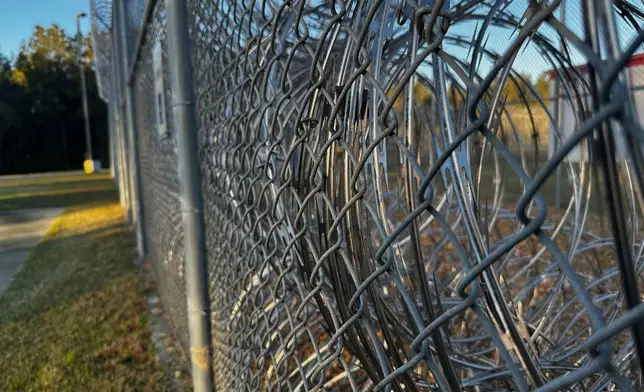
The Department of Homeland Security’s ICE detention facility is shown in Jena, La., on Friday, March 21, 2025. (AP Photo/Stephen Smith)
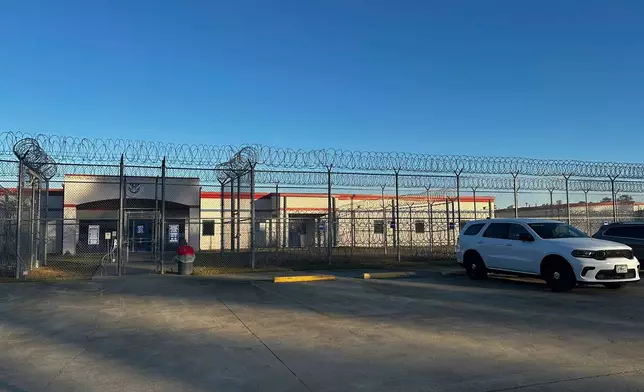
The Department of Homeland Security’s ICE detention facility is shown in Jena, La., on Friday, March 21, 2025. (AP Photo/Stephen Smith)
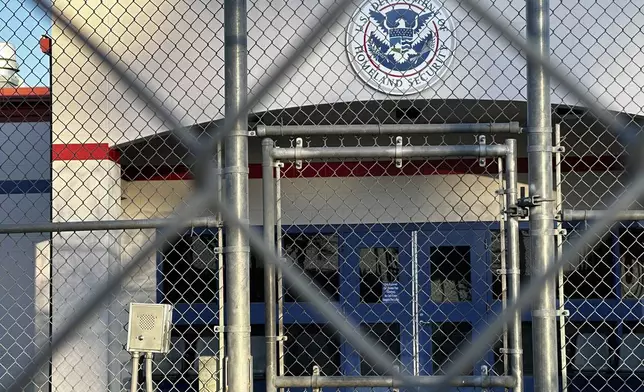
The Department of Homeland Security’s ICE detention facility is shown in Jena, La., on Friday, March 21, 2025. (AP Photo/Stephen Smith)
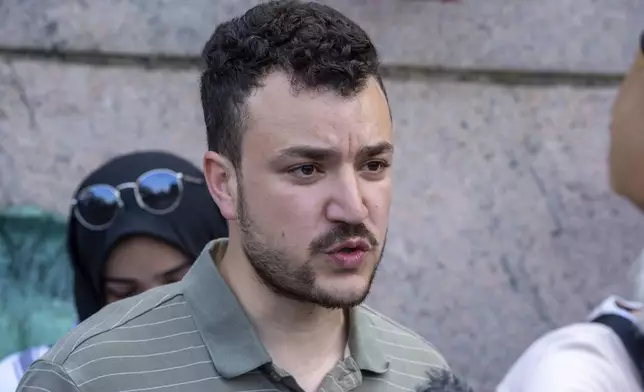
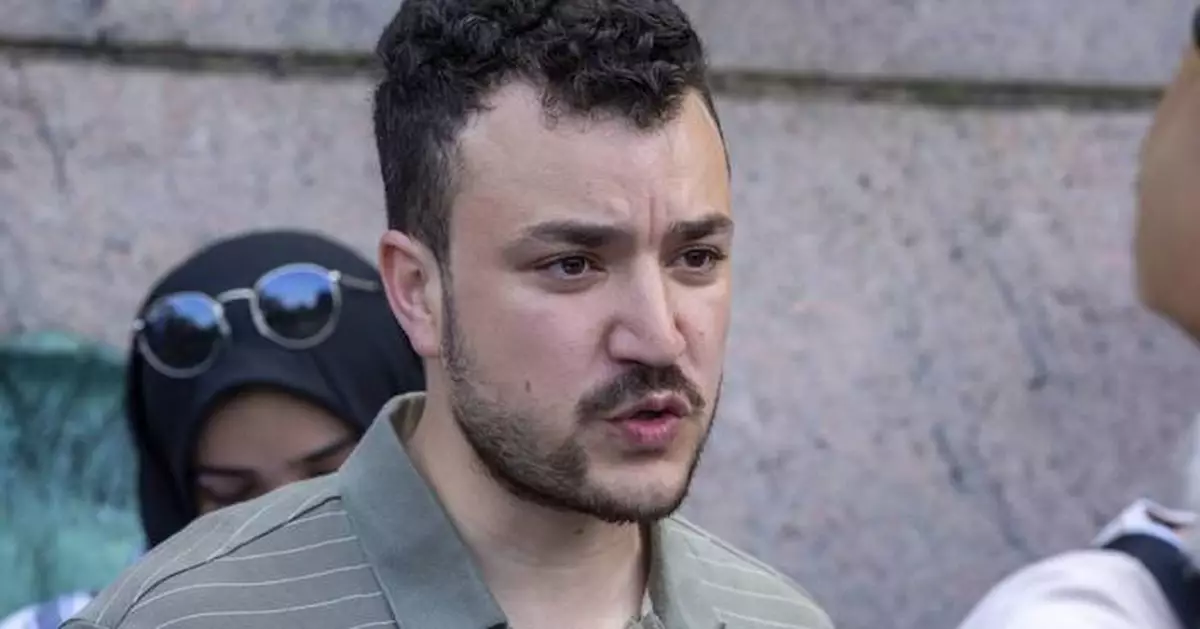
FILE - Student negotiator Mahmoud Khalil is on the Columbia University campus in New York at a pro-Palestinian protest encampment on April 29, 2024. (AP Photo/Ted Shaffrey, file)
Khalil swayed back and forth in his chair as he waited for the proceeding to begin in a windowless courtroom inside an isolated, low-slung Immigration and Customs Enforcement detention complex. Ringed by two rows of tall barbed-wire fences and surrounded by pine forests, the facility is near the small town of Jena, roughly 150 miles (240 kilometers) north of Louisiana's capital, Baton Rouge.
Khalil smiled at two observers as they came into the room, where just 13 people ultimately gathered, including the judge, attorneys and court staff. Two journalists and a total of four other observers attended.
By video, lawyer Marc Van Der Hout said he'd just started representing Khalil and needed more time to speak to him, get records and delve into the case. An immigration judge set a fuller hearing for April 8.
Khalil's lawyers also have gone to federal court to challenge his detention and potential deportation, which looms as his wife, a U.S. citizen, is expecting their first child. A federal judge in New York ruled Wednesday that Khalil can contest the legality of his detention but that the case should be moved to a New Jersey federal court.
The Columbia University graduate student was detained by federal immigration agents on March 8 as part of President Donald Trump’s crackdown on what he calls antisemitic and “anti-American” campus protests. Khalil served as a spokesperson and negotiator last year for pro-Palestinian demonstrators who opposed Israel’s military campaign in Gaza.
Protesters, some of them Jewish, say it's not antisemitic or anti-American to criticize Israeli military actions and advocate for Palestinian human rights and territorial claims.
However, some Jewish students have said the demonstrations didn't just criticize Israel's government but launched into rhetoric and behavior that made Jews feel unwelcome or outright unsafe on the Ivy League campus. A Columbia task force on antisemitism found “serious and pervasive” problems at the university.
White House press secretary Karoline Leavitt has asserted that Khalil organized disruptive protests that harassed Jewish students and "distributed pro-Hamas propaganda.” Hamas, the militant group that controls Gaza and attacked Israel in October 2023, is designated by the U.S. as a terrorist organization.
The U.S. government is seeking to deport Khalil under a rarely used statute that allows for removing noncitizens who pose “potentially serious adverse foreign policy consequences for the United States.”
Khalil, an Algerian citizen who was born in Syria to a Palestinian family, has said in a statement that his detention reflects “anti-Palestinian racism” in the U.S. Before his detention by the government, he said that a Columbia disciplinary investigation was scapegoating him for being an identifiable figure at the protests.
Columbia now is contending with broader pressure to address the Trump administration's assertions of antisemitism, including unprecedented government demands for changes at the private university if it wants to continue receiving federal grants for research and other purposes.
The private university announced Friday that it was taking steps that reflect the government's demands concerning protests, disciplinary procedures, the Middle Eastern studies department and other matters.
Associated Press writer Jennifer Peltz in New York contributed to this report.
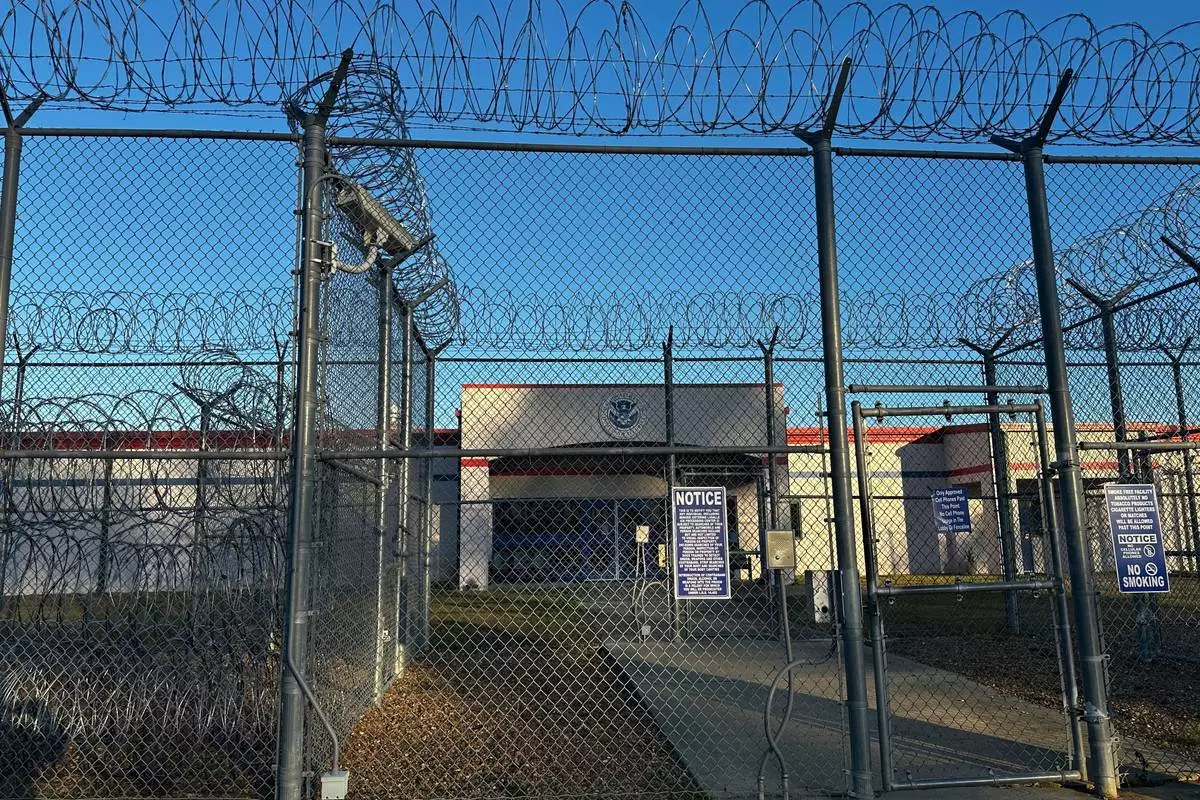
The Department of Homeland Security’s ICE detention facility is shown in Jena, La., on Friday, March 21, 2025. (AP Photo/Stephen Smith)
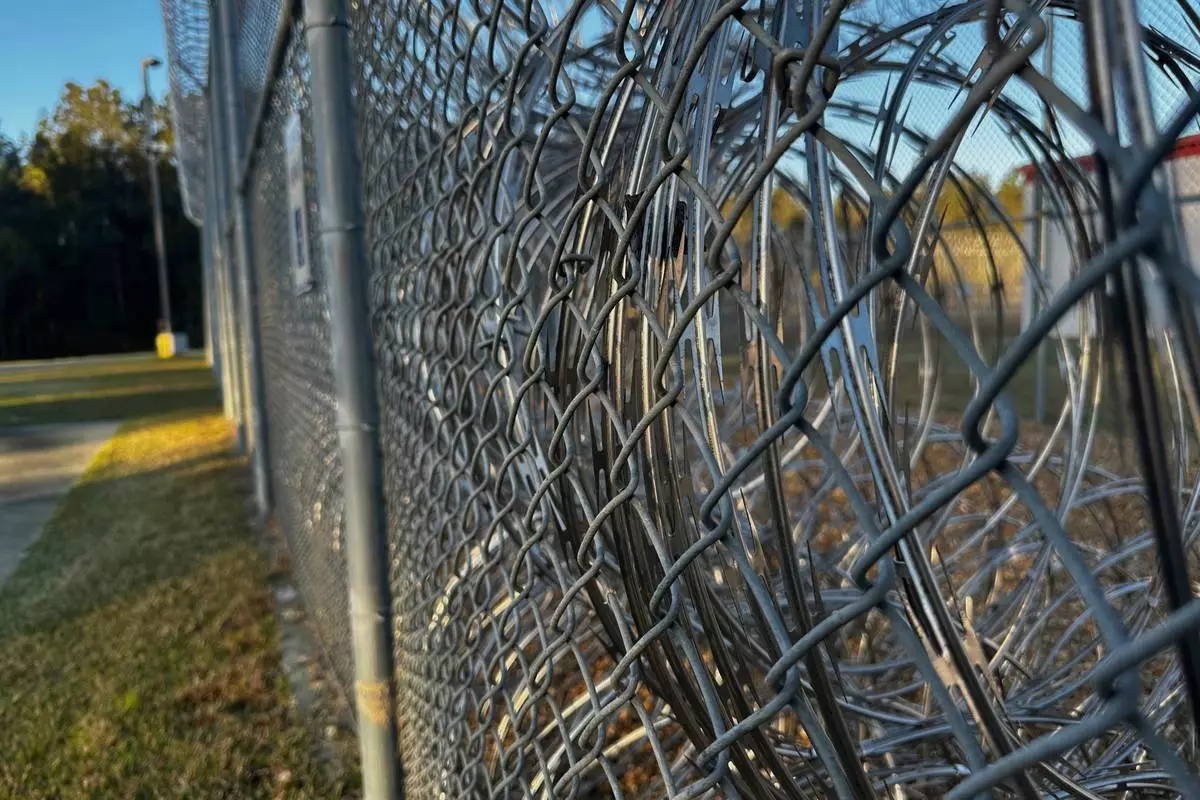
The Department of Homeland Security’s ICE detention facility is shown in Jena, La., on Friday, March 21, 2025. (AP Photo/Stephen Smith)
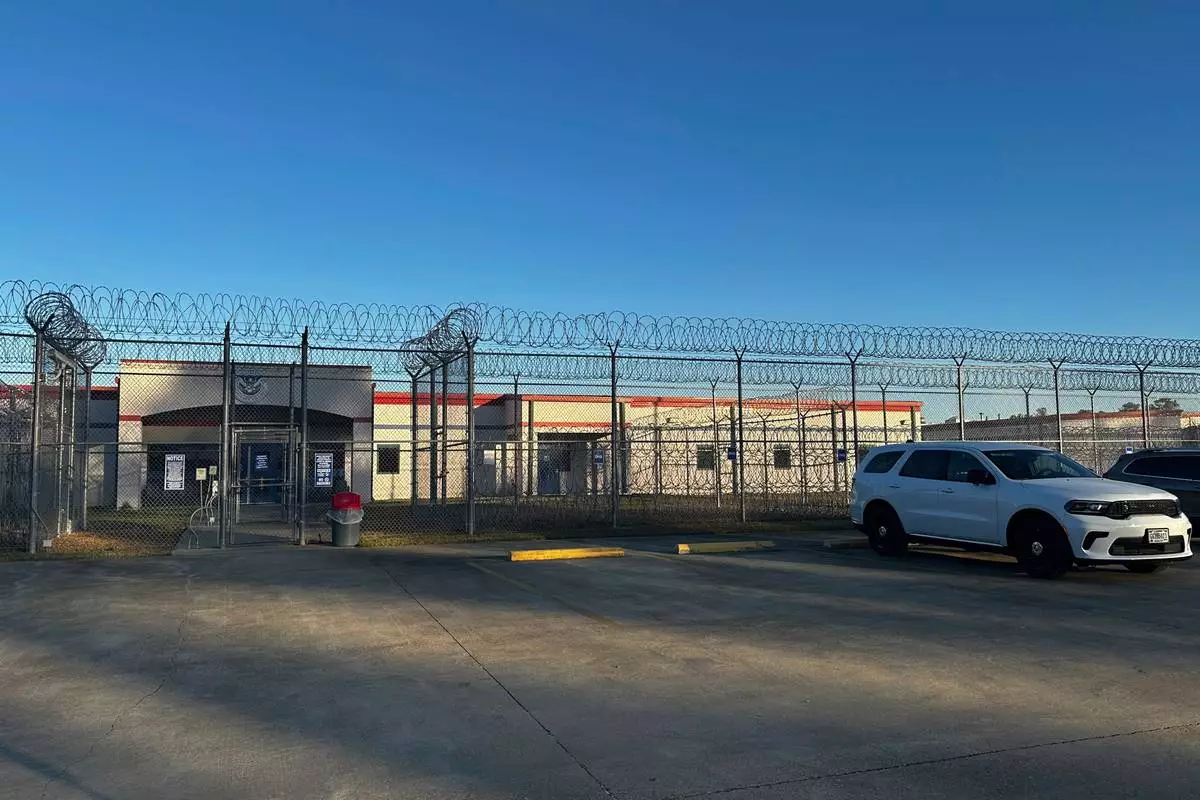
The Department of Homeland Security’s ICE detention facility is shown in Jena, La., on Friday, March 21, 2025. (AP Photo/Stephen Smith)
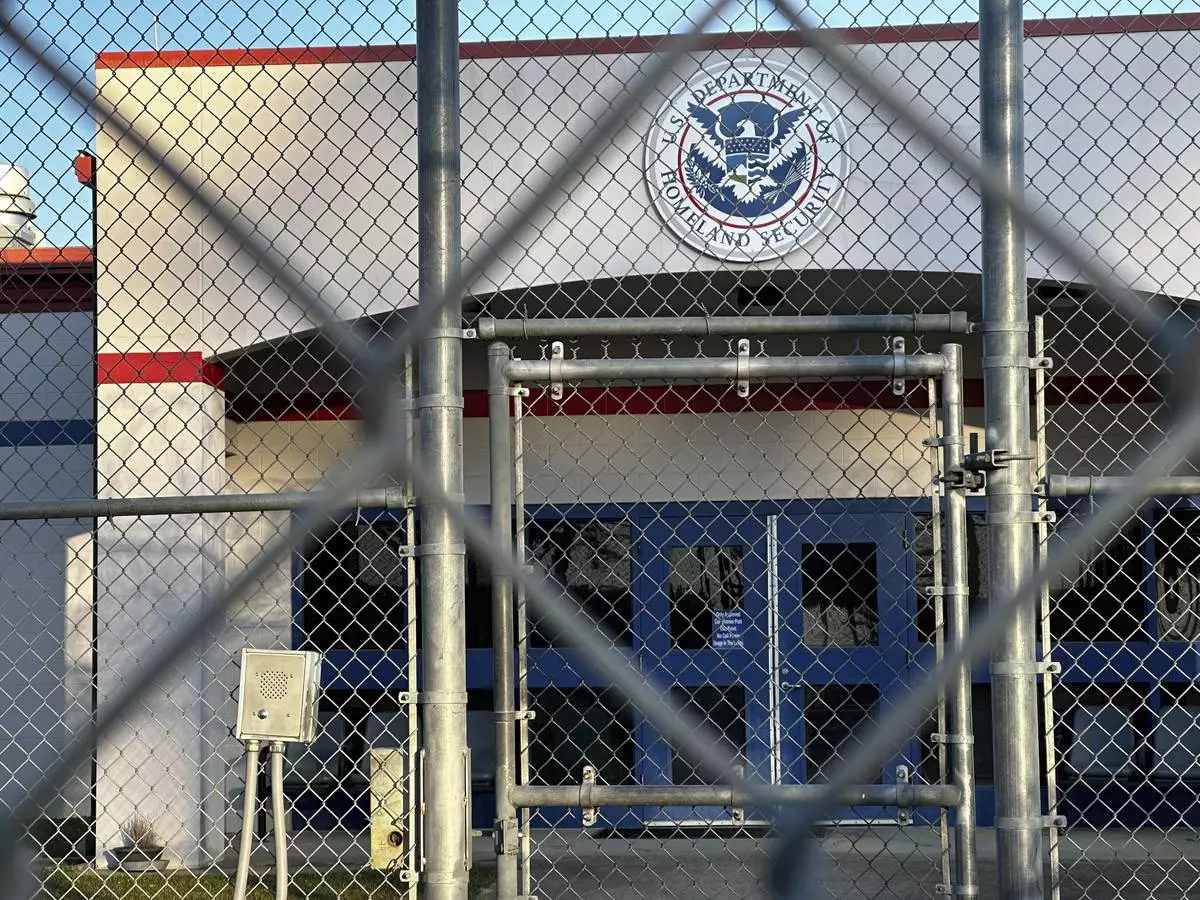
The Department of Homeland Security’s ICE detention facility is shown in Jena, La., on Friday, March 21, 2025. (AP Photo/Stephen Smith)
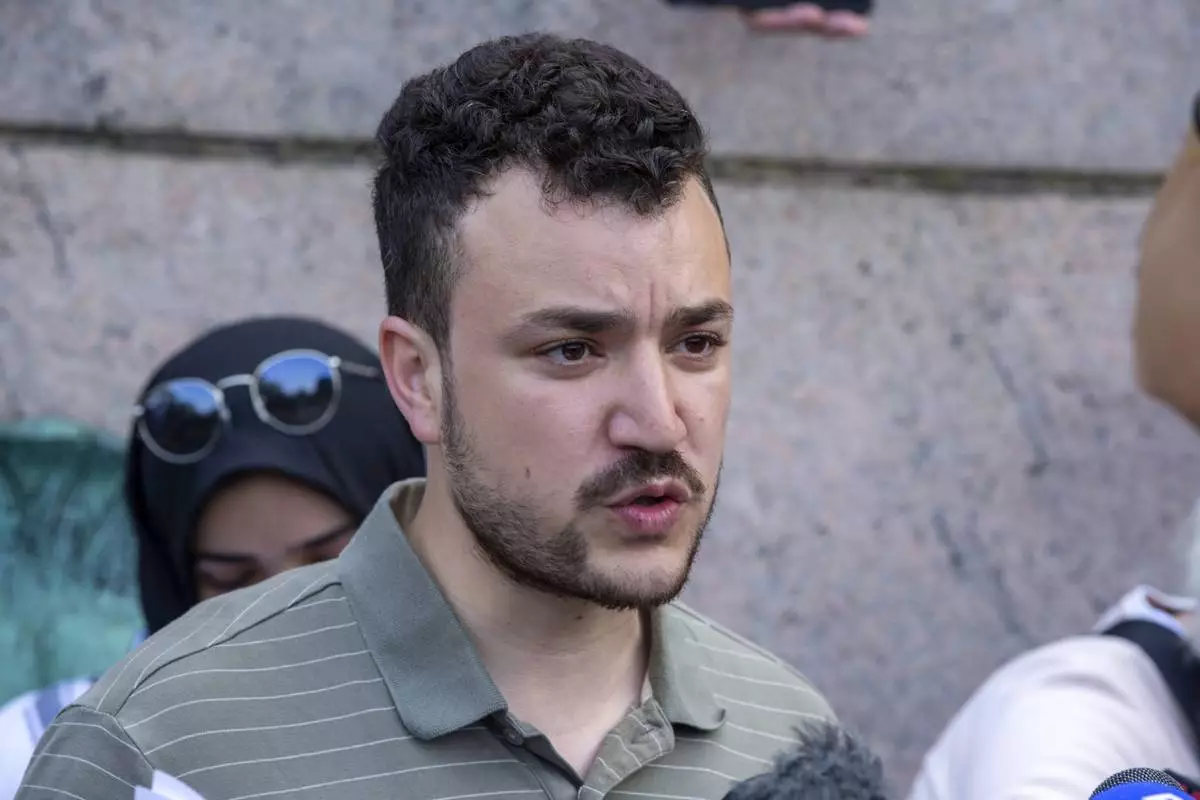
FILE - Student negotiator Mahmoud Khalil is on the Columbia University campus in New York at a pro-Palestinian protest encampment on April 29, 2024. (AP Photo/Ted Shaffrey, file)