The United States' tariff policies are injecting uncertainty into international trade, leading to significant challenges for the global economy, according to a German expert.
The recent U.S. trade measures have raised concerns worldwide about the future of the global economic order, with Europe being particularly vulnerable due to its close economic ties with the country.
Germany, whose economy is highly dependent on exports, is sensitive to the stability of international trade. The consensus among German economic circles is that a U.S.-EU trade war would have no winners.
Bernd Einmeier, an expert with Germany's ThinkTank Networks GmbH and Co, said the United States' arbitrary adjustment of tariff policies is quite the opposite of what is needed in the current global economy.
"What we are currently witnessing is the Trump administration further exacerbating trade conflicts. We all hope that the situation will not continue to deteriorate. Trump's arbitrary adjustments to tariff policies -- sometimes raising them, sometimes lowering them, and sometimes suspending them -- are precisely what the global economy needs the least: uncertainty. What the economy needs is stability. Historical experience has shown that additional tariffs, in the medium to long term, will only cause harm," he said.
Many Europeans are worried that the escalating unilateralist policies that the U.S. is rolling out will not only plunge the U.S. into a "Trump recession" or even stagflation, but their negative spillover effects will also spread globally. This could undermine Europe's already fragile economic recovery and might even trigger a new round of the Eurozone debt crisis, analysts warn.
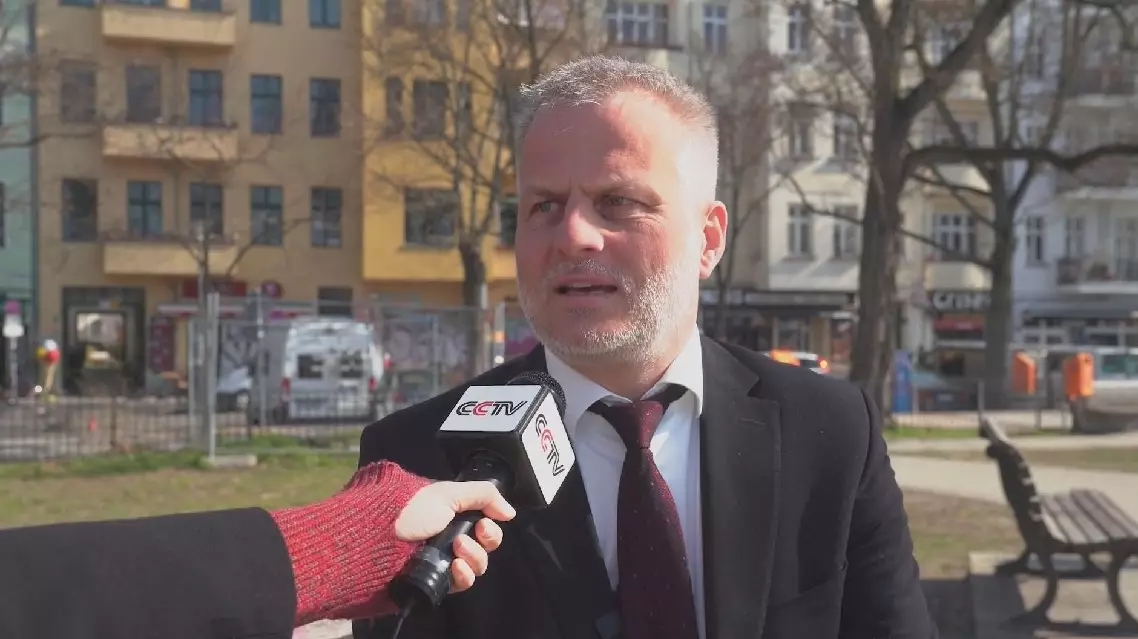
US tariff policy brings uncertainty to global economy: German expert
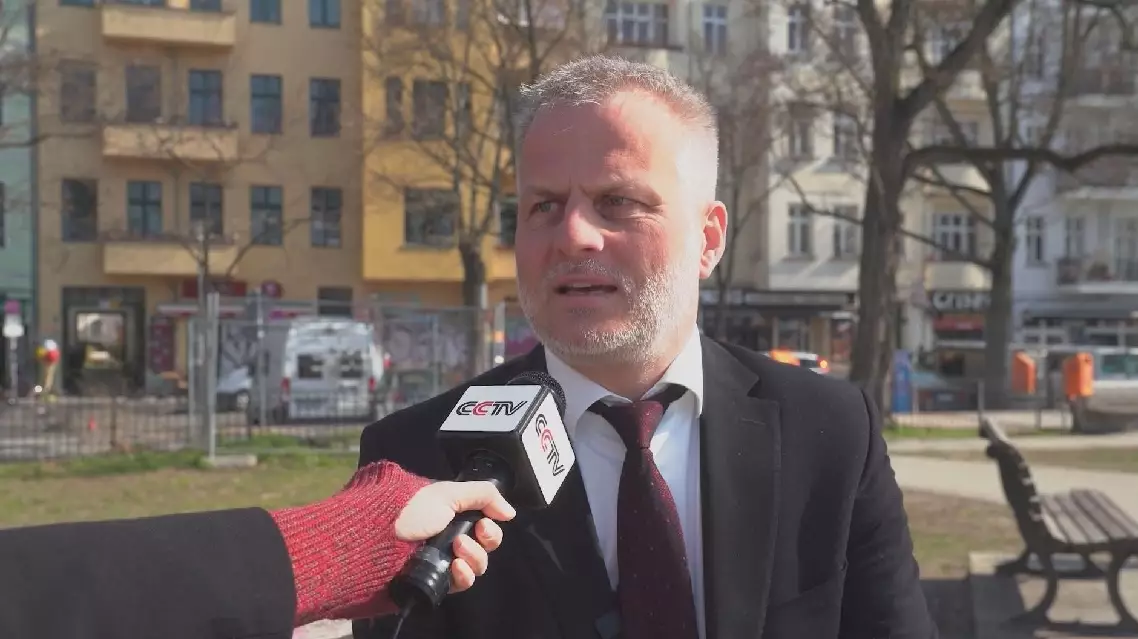
US tariff policy brings uncertainty to global economy: German expert
The World Organization for Animal Health (WOAH) on Monday called for enhanced surveillance of viruses of animal origin, as recent hantavirus and Ebola outbreaks have sparked global alarm.
The 93rd General Session of the World Assembly of Delegates of the WOAH kicked off on Monday in Paris, France. WOAH's Director General Emmanuelle Soubeyran and other experts attending the session stressed that strengthening the surveillance of animal-borne viruses and improving early detection capabilities are crucial to reducing public health risks.
Citing a recent WOAH report, Soubeyran noted that approximately 75 percent of emerging infectious diseases worldwide originate from animals. She emphasized the importance of intensifying research into cross-species transmission pathways of viruses.
"What is important, maybe for us, is to really understand how there is a jump from wildlife to humans or to farm animals. So that's very important to understand, to make research, to understand how this spillover is appearing," she said.
In a recent statement, WOAH said that the hantavirus is an animal-borne virus primarily hosted by rodents. It said that effective rodent management based on an integrated ecological approach is an important measure to reduce the risk of human infection. Continuous monitoring and early detection mechanisms, it added, are essential for mitigating public health risks.
"It has a zoonotic origin and it's quite fatal in humans. There are different serotypes or strains of hantavirus and not each strain is affecting humans, but only one of them is transmissible from human to human. So surveillance is important because of the early detection and to avoid fatalities in humans and to guide the communities to take precautionary measures and to invest in health emergencies on the human side," said Tahreem Khalid, Animal Health Information Officer at WOAH.
Through enhanced animal surveillance, improved laboratory capacity, and facilitated information sharing, the organization aims to strengthen countries’ abilities to respond to risks and promote cross-sectoral collaboration under the "One Health" framework.
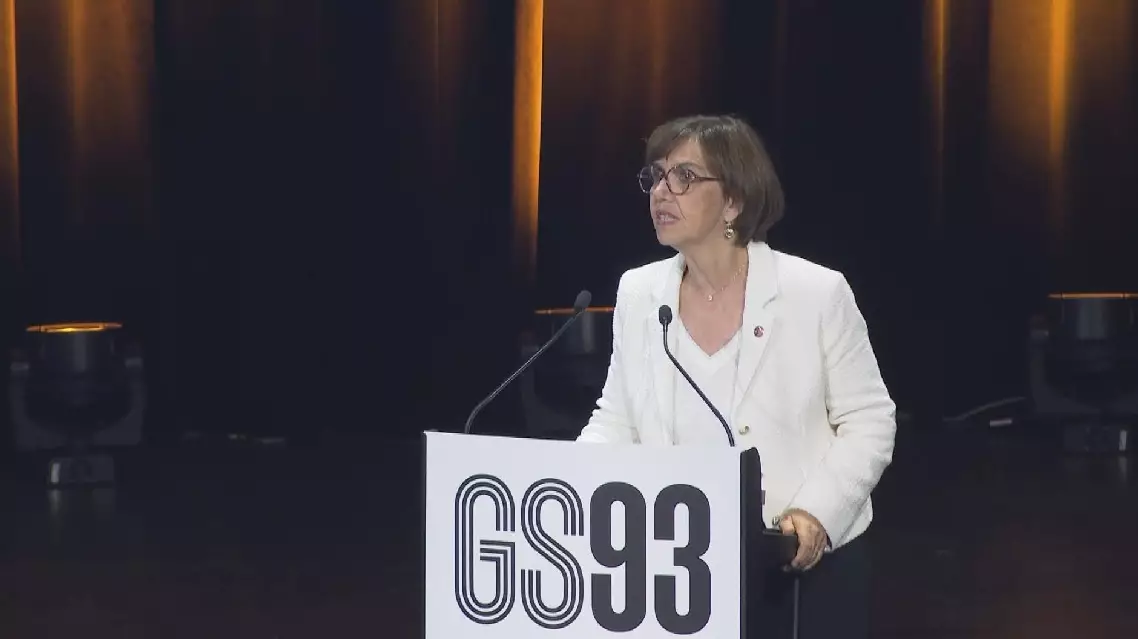
World Organization for Animal Health urges tighter monitoring of animal-borne viruses