China's foreign trade has shown robust growth in early 2025, with over 431,000 trade promotion certificates issued in February, despite mounting global trade frictions, the China Council for the Promotion of International Trade (CCPIT) reported Friday.
In February 2025, the national trade promotion system issued a total of 431,900 certificates, including certificates of origin, Admission Temporaire/Temporary Admission (ATA) carnets, and commercial certificates.
Among them, 243,200 non-preferential certificates of origin were issued, covering goods valued at 21.498 billion U.S. dollars. Meanwhile, the value of preferential certificates of origin totaled 5.636 billion U.S. dollars, reflecting a 16.40 percent year-on-year increase.
Moreover, the value of certificates of origin under the Regional Comprehensive Economic Partnership (RCEP) reached 531 million U.S. dollars, up 5.35 percent compared to the same period last year.
On Friday, the CCPIT also released the index on global trade and economic friction for 2024 and January 2025.
In 2024, the global trade and economic friction index remained high for 11 months, with the monthly average increasing by 18 points compared to the previous year, indicating a severe global trade and economic friction situation.
In January 2025, the index stood at 106, with the electronics sector affected the most.
Meanwhile, the value associated with global trade and economic friction measures increased by 8.3 percent year on year.
"In January, the United States once again ranked among the top three countries in the global trade and economic friction index, followed by Japan and India," said Yang Fan, spokeswoman for the CCPIT.
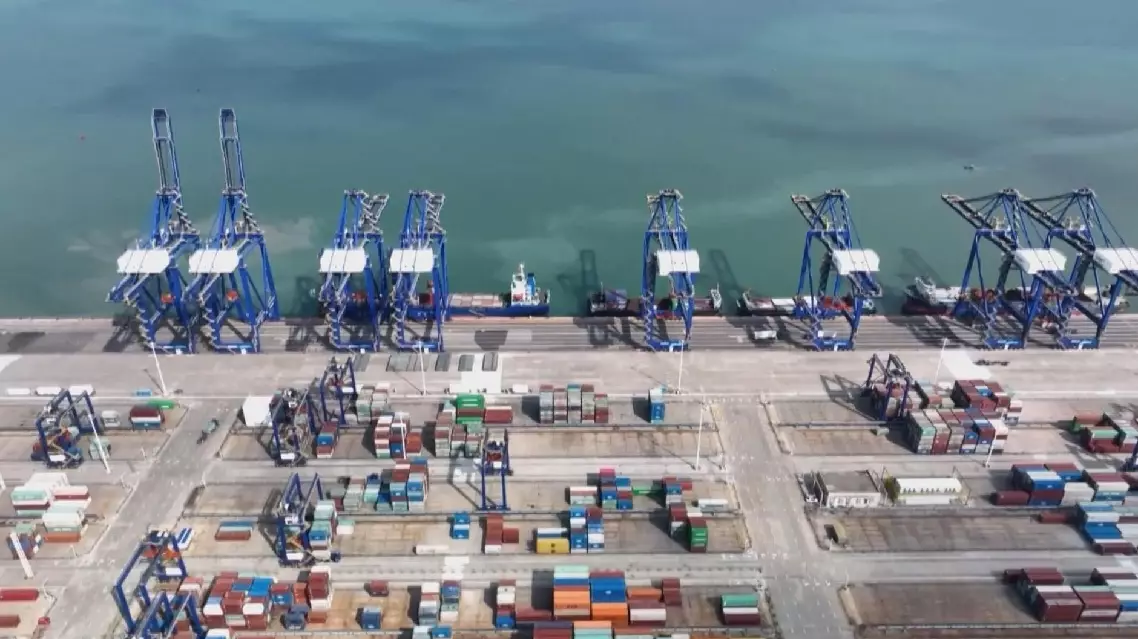
China's foreign trade sees strong start in 2025
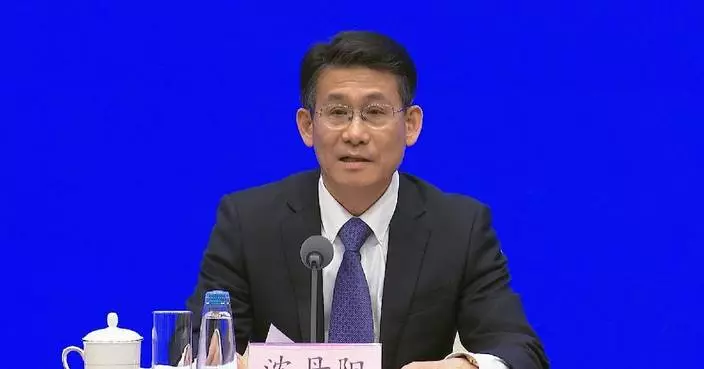
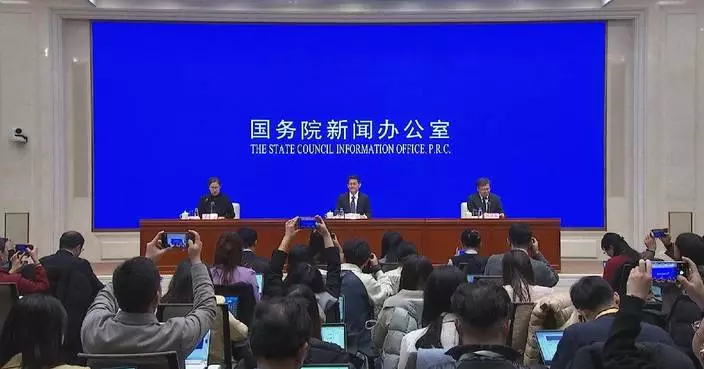
China has set a new grain production capacity target of approximately 725 million tonnes in the draft outline of the 15th Five-Year Plan (2026-2030), aiming to strengthen the country's control over food security amid global uncertainties, an expert said on Thursday.
Grain production capacity forms the foundation for stable output, and the proposed target builds on steady gain output achieved during the 14th Five-Year Plan period (2021-2025), said Tu Shengwei, a researcher at the Academy of Macroeconomic Research under the National Development and Reform Commission.
"Over the recent years, through the implementation of a new initiative to boost grain production capacity by 50 million tonnes, China's grain production capacity has been continuously strengthened. So we have a solid foundation to achieve this new target," Tu said.
The proposed target reflects the country's ambition to attain a higher level of food security in the coming five years, Tu said. "Amid the highly complex international landscape and frequent, severe natural disasters, we must intensify the implementation of the food crop production strategy of improving farmland management and increasing the application of technology. By stepping up the new initiative to boost grain production capacity by 50 million tonnes and stabilizing production capacity at this level, we can respond to environmental uncertainties with stable capacity, hold the initiative in grain security more firmly, and create more room for macroeconomic regulation. This will also lay a stronger foundation for achieving other economic and social development goals during the 15th Five-Year Plan period," Tu said.
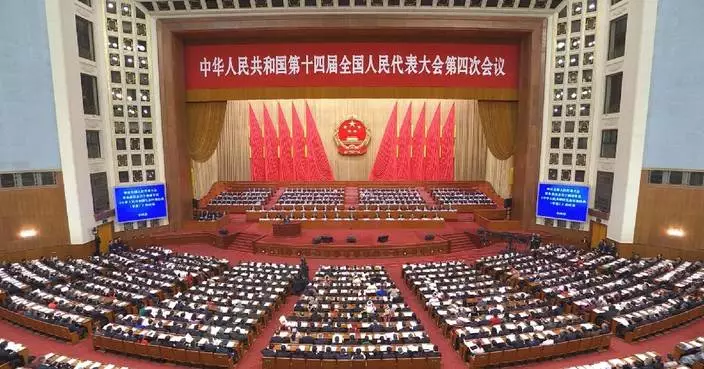
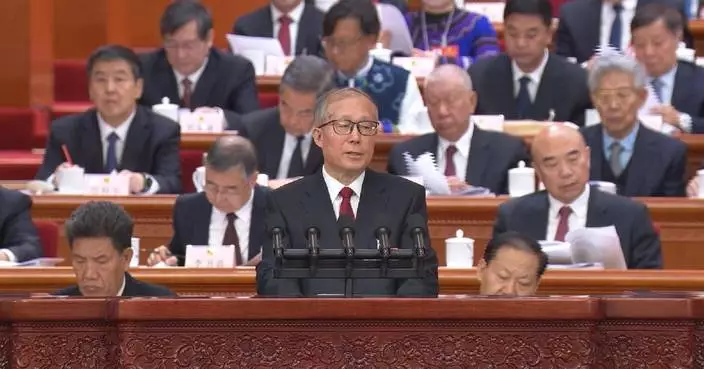
The grain production target is part of the broader draft outline for national economic and social development during the 15th Five-Year Plan period, which is currently being deliberated by lawmakers and political advisors at China's ongoing "two sessions."
The "two sessions" are the annual meetings of China's top legislature, the National People's Congress (NPC), and the top political advisory body, the National Committee of the Chinese People's Political Consultative Conference (CPPCC). Both bodies serve a five-year term and hold a plenary session each year, generally in March.
The fourth session of the 14th NPC and the fourth session of the 14th National Committee of the CPPCC kicked off on Thursday and Wednesday, respectively.
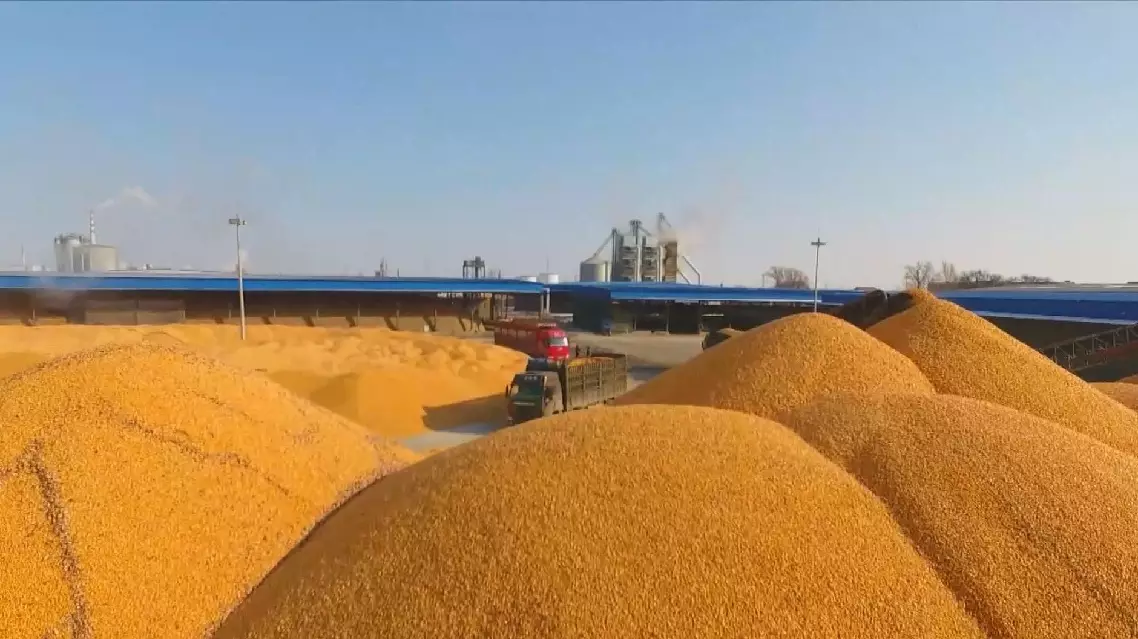
New grain production capacity target to strengthen China's food security: expert