Various Chinese provinces have rolled out programs like artificial intelligence (AI) based therapy and music therapy to support children with autism, a lifelong condition often diagnosed in early childhood.
April 2 is World Autism Awareness Day, proclaimed by the United Nations General Assembly in a resolution in 2007 with the aim of raising public awareness about the disorder.
Autism, or autism spectrum disorder (ASD), is a developmental disability caused by differences in the brain. It often begins in infancy, mainly manifested as social barriers, language barriers, lack of interest and rigid movements. Children affected by autism are often called "children of the stars."
In south China's Guangxi Zhuang Autonomous Region, local authorities have launched a five-year action plan to build a provincial network for autism screening, diagnosis, rehabilitation, and education.
Meanwhile, Jiangsu Province in east China is piloting a scheme of free high school education for autistic students across nine cities, mandating at least one specialized school per county.
In Chifeng City of Inner Mongolia Autonomous Region, the local Red Cross society deployed AI-powered teaching tools at the autism care center. Interactive robots engaged children by reading their facial expressions, creating a low-pressure social environment.
"Combining some technologies such as the advanced AI, we have donated some training tools for children with autism," said Jin Xin, a staff member at the Chifeng City Red Cross Society.
At Hangzhou Yanglingzi School, the largest school for mentally challenged students in east China's Zhejiang Province, autistic teenagers were working on computers as AI data annotators on Tuesday. They meticulously label defects on ceramic cultural relics to teach algorithms to recognize damage.
"Children with autism can also find their way in the age of AI. Through the cultural relics labeling, we have put forward the 'AI plus aesthetic education'. For these special children, they can release their minds through aesthetic education, which will make them more confident, improve their perception ability, and inspire their creativity," said Yu Linya, headmaster of the school.
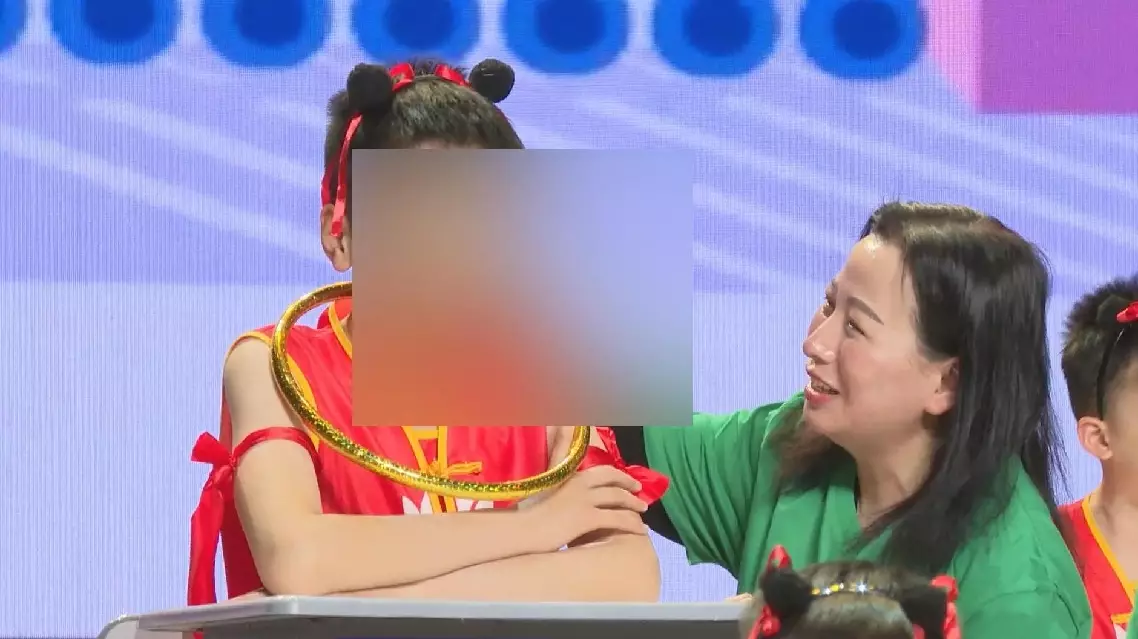
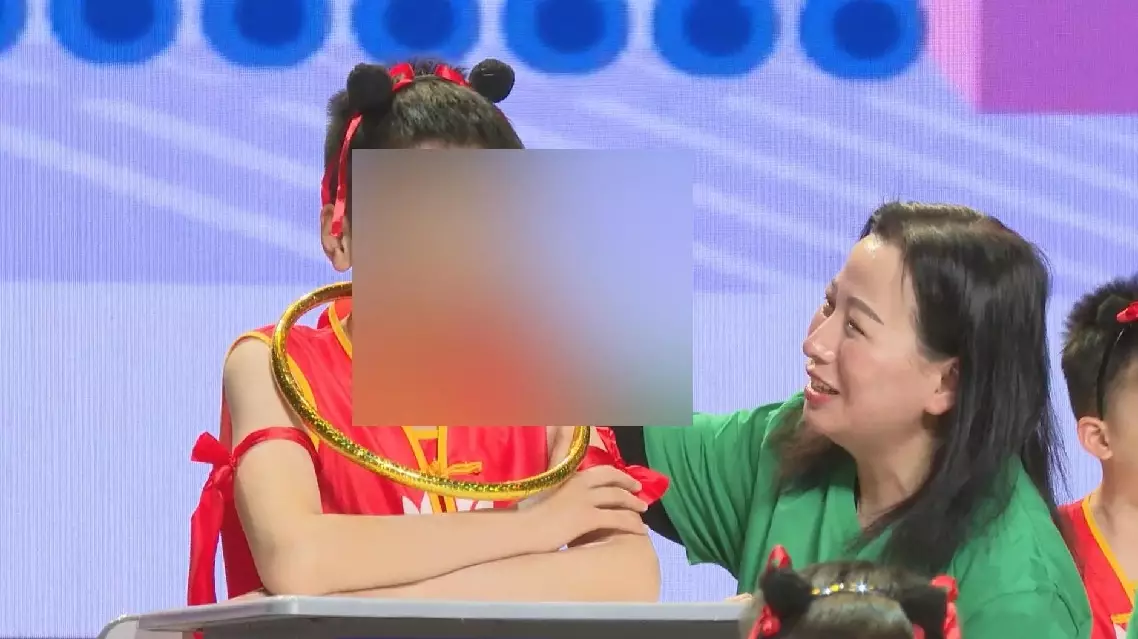
In Nanjing, capital city of Jiangsu, a symphony concert featuring autistic performers was held on Tuesday. Among these ASD children is 11-year-old Zhang Liangboyu, who, diagnosed at age three, has improved through music therapy combining melody-based emotional regulation and psychological intervention since 2022.
"Using music as a medium to coordinate psychological intervention, through the melody, rhythm, and harmonious sounds of music, we can effectively regulate children's emotions, relieve anxiety and stress, improve their communication skills, and help them better adapt to school life," said Zhang Jing, a music therapist.
Zhang can now go to and from school and even do his own shopping like a normal kid.
"He has improved a lot compared to the performance last year. Watching him singing and dancing on the stage, I feel really happy and satisfied as parent. And my boy has made many good friends now. I used to worry about his social problem, but now he exercises and plays better with children," said Zhang Li, mother of Zhang Liangboyu.
China expands autism support programs
China expands autism support programs