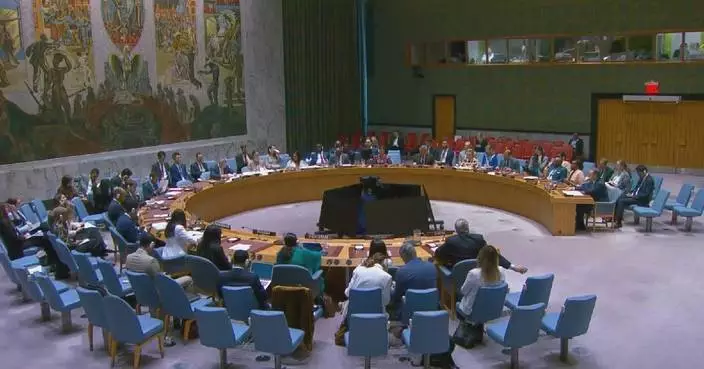
South Korea's constitutional court upheld a motion by the National Assembly to impeach President Yoon Suk-yeol over his short-lived martial law imposition, live TV broadcast showed Friday.
Moon Hyung-bae, acting chief of the court, read a ruling on Yoon's impeachment, saying it was a unanimous decision of eight justices.
Click to Gallery
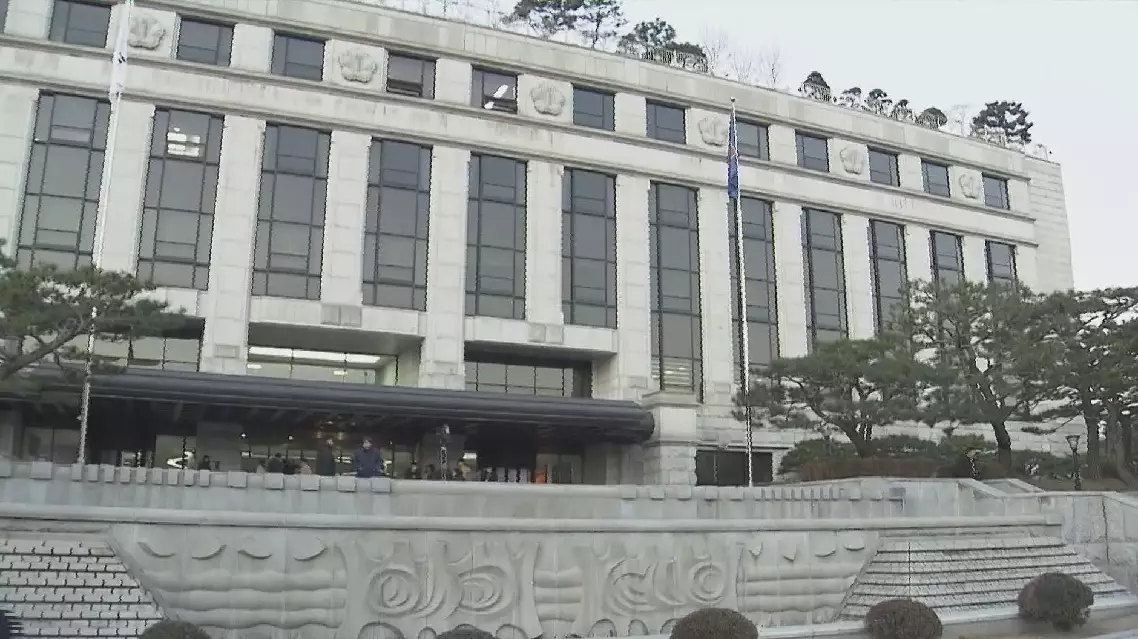
S. Korea's constitutional court upholds President Yoon's impeachment
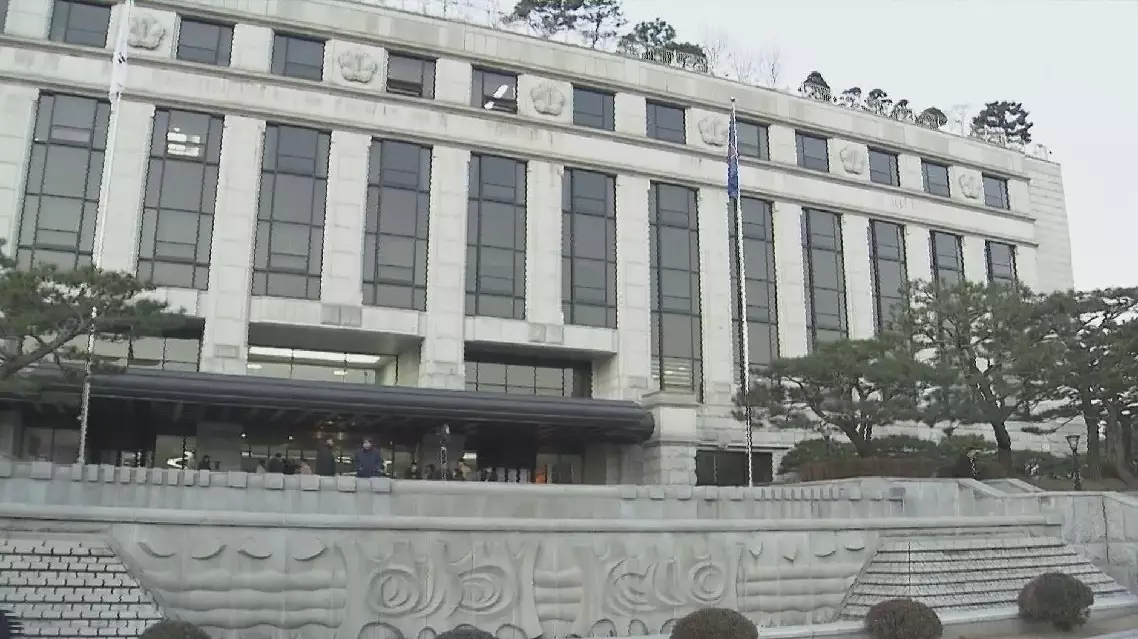
S. Korea's constitutional court upholds President Yoon's impeachment
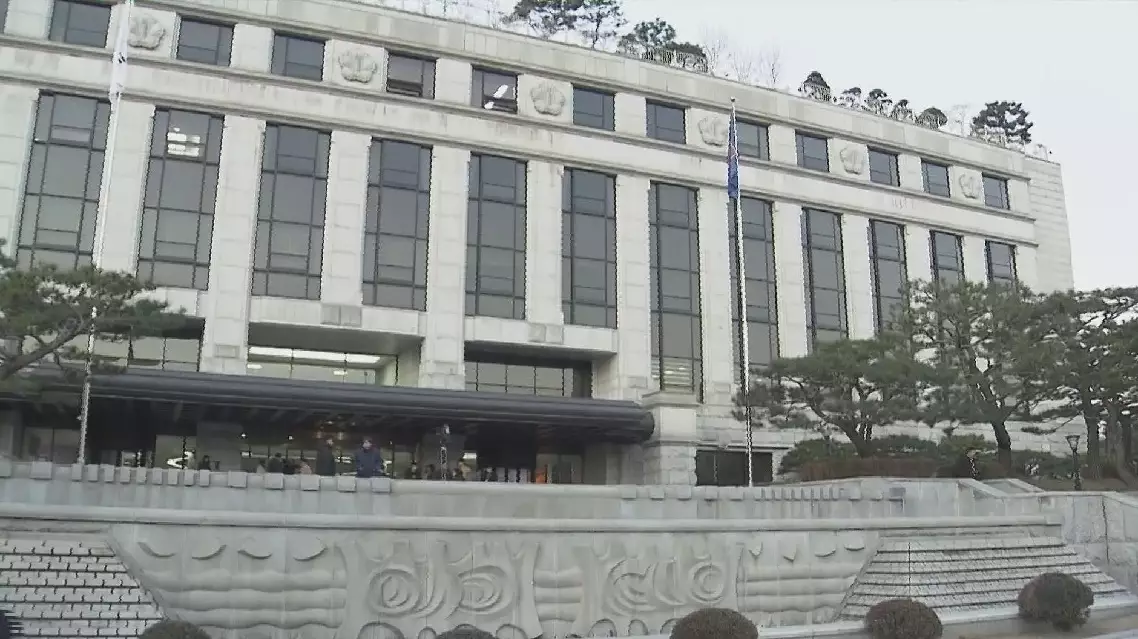
S. Korea's constitutional court upholds President Yoon's impeachment
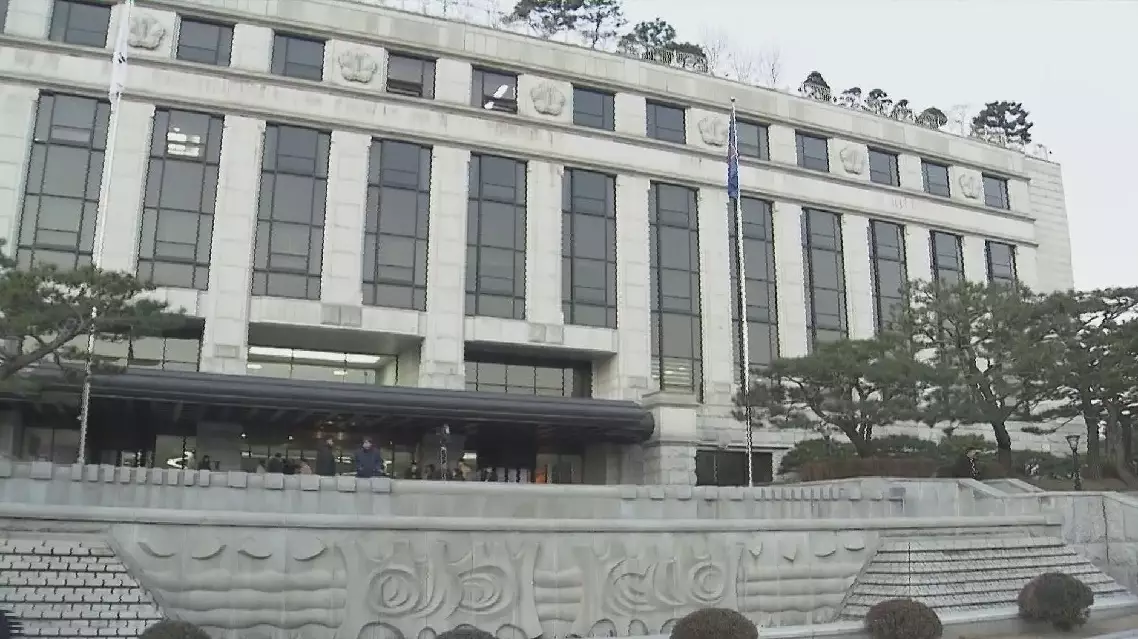
S. Korea's constitutional court upholds President Yoon's impeachment
By law, the ruling came into force immediately after the reading and a snap presidential election is required to be held within 60 days.
The conservative leader officially lost all presidential power, becoming the country's second sitting president to be forcibly removed from power following former conservative President Park Geun-hye's ouster through impeachment in 2017.
Yoon became the third president to be impeached by the National Assembly in the country's constitutional history. Late liberal President Roh Moo-hyun was reinstated in presidency after impeachment by the National Assembly in 2004.
Yoon declared an emergency martial law on the night of Dec 3 last year, but it was revoked by the opposition-led National Assembly hours later.
Since the passage of Yoon's impeachment motion on Dec 14 last year, a total of 11 hearings had been held in the constitutional court until Feb 25.
It took 111 days before the constitutional court's final verdict, compared to 92 days for Park's impeachment and 64 days for Roh's impeachment.
S. Korea's constitutional court upholds President Yoon's impeachment
S. Korea's constitutional court upholds President Yoon's impeachment
S. Korea's constitutional court upholds President Yoon's impeachment
S. Korea's constitutional court upholds President Yoon's impeachment