China's e-commerce logistics sector showed robust growth and enhanced efficiency in March, driven by technological advancements and streamlined processes, showed the data released by the China Federation of Logistics and Purchasing on Tuesday.
Sub-indexes for the logistics timeliness and contract fulfillment rates went up by 2.5 points and 0.8 points, respectively, from the previous month, according to the data.
The data also showed that inventory turnover rates accelerated, with a month-on-month increase of 0.5 points.
Technological innovations played a pivotal role in the growth.
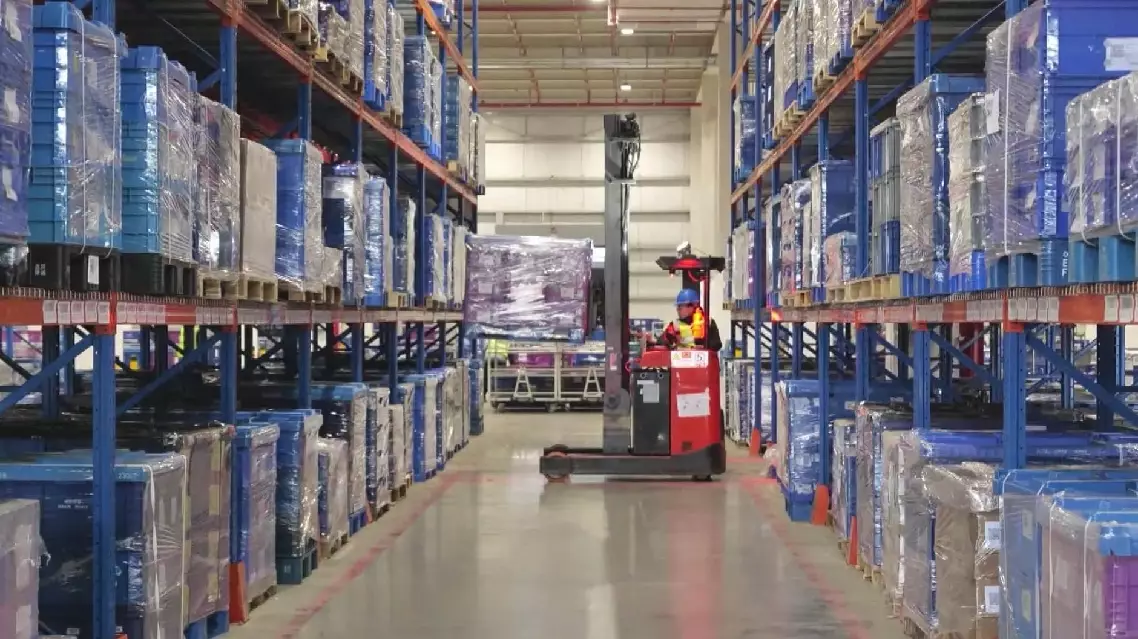
At an industrial park in Changzhou, a city in east China's Jiangsu Province, smart assembly lines and intelligent shelving systems have enhanced goods management and shipping frequency control by 10 percent.
In addition, smart warehousing technologies have enhanced the speed and accessibility of cross-border e-commerce goods.
In Weihai, a city in east China's Shandong Province, cross-border products stored in a bonded warehouse could be cleared and delivered to consumers in a day, thanks to improvements in logistics systems.
"The e-commerce logistics companies in our country are leading the industry in technological investment and the application of automatic and unmanned equipment," said Liu Yuhang, director of the China Logistics Information Center.
The policies rolled out by the government to reduce logistics costs have also eased the burden on e-commerce logistics companies, with the e-commerce logistics cost index for March dropping by 1.3 points, marking the fourth consecutive month of decline.
China's e-commerce logistics sector shows robust growth, enhanced efficiency in March
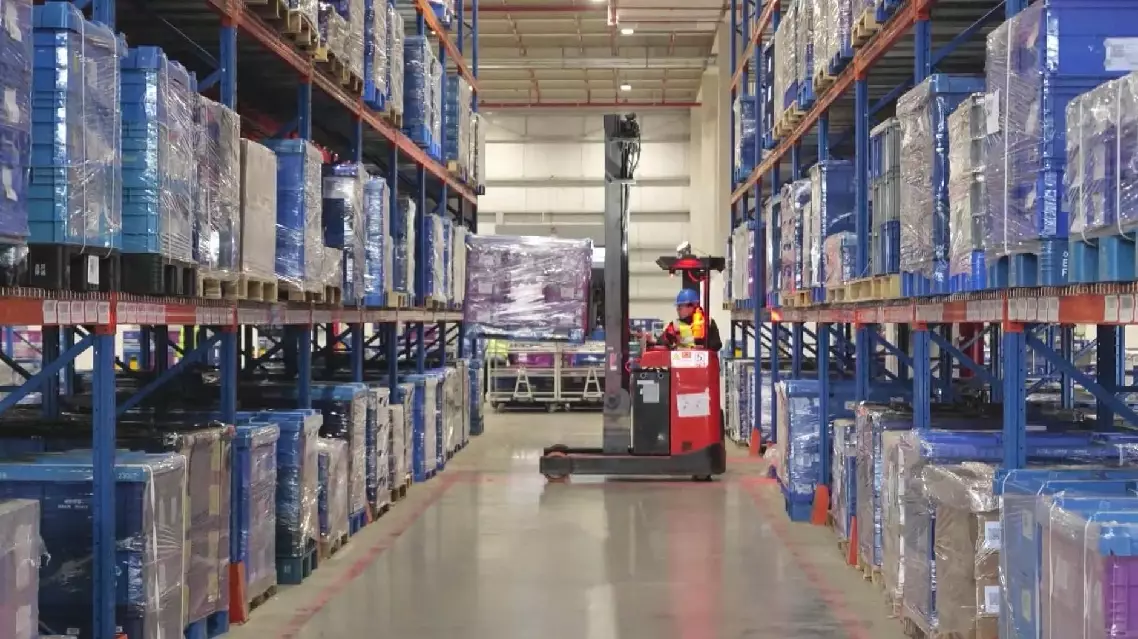
China's e-commerce logistics sector shows robust growth, enhanced efficiency in March
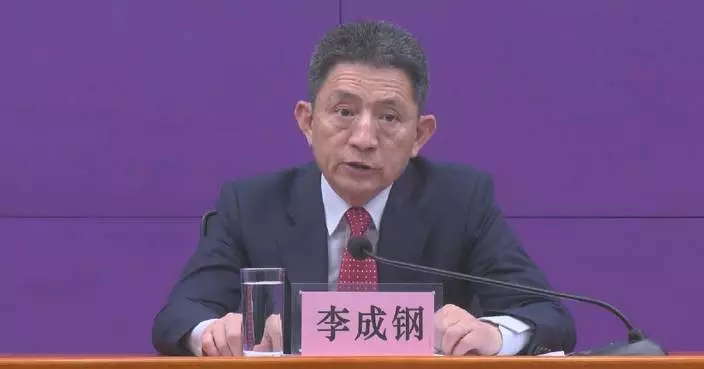
Nicaragua's co-foreign minister Valdrack Jaentschke has warned that militarism must never be allowed to rise again, as Japan's recent moves to lift its arms export ban and revise the pacifist Constitution continue to draw international concern.
This year marks the 80th anniversary of the opening of the Tokyo Trials, where Japan's Class-A war criminals from World War II were brought to justice.
In an interview with China Global Television Network (CGTN), Valdrack Jaentschke voiced his concern that today's world order is being undermined by interventionism and other challenges.
"It is necessary for us to remember that after the end of World War II, countries worked hard to build a new international order based on international law. However, regrettably, more than 80 years later, we are seeing that this once explored and attempted order is being challenged by interventionism, a confrontational mindset, and tendencies like 'might makes right.' These are precisely the conditions that gave rise to fascism and militarism in the past, which ultimately led to the tragedy of World War II," he said.
He said the international community has a responsibility to pursue a new international order -- one fundamentally grounded in peace.
"Looking back at the history more than eight decades ago and comparing it with today's reality, it is our responsibility to recognize that the world should, and must, build a new international order that is more just, fairer, rooted in international law, based on a logic of mutual benefit and shared success, and fundamentally grounded in peace," said the minister.
"Today, as we revisit the Tokyo Trials, it is meant to remind the world that such a tragedy must never be repeated -- and that we must do everything in our power to prevent it from happening again. We must stop that dark world -- born from militarism, interventionism, and fascism -- from ever returning," he said.

Nicaraguan FM warns of militarism revival