Tensions between Pakistan and India have forced many tourists to give up their trip to the famous Neelum Valley in the Pakistan-administered part of Kashmir.
Neelum Valley is vulnerable to military operations as it is located less than three kilometers away from the Line of Control, which is deemed the border dividing the India-controlled and Pakistan controlled parts of Kashmir.
Many tourists had to halt their trip at the popular Dhani Waterfall as local authorities issued a ban on entering the Neelum Valley, disappointing those who had long been eager for the tourist attraction and driven for hours to get there.
"Firstly, they shouldn't have let the tourists enter Kashmir from Kohala. It wasted a lot of their time. Now they are asking them to turn from the Neelum checkpost," said Mubashir Ali, a local resident.
The security concerns have also emptied guest houses and hotels in the valley, affecting local tourism and people's livelihood a lot.
Tensions between the two South Asian neighbors have escalated following a deadly attack on tourists in the India-controlled Kashmir town of Pahalgam on April 22, in which at least 25 people were killed, according to Indian media reports.
India has accused Pakistan of involvement in the attack, an allegation Pakistan has strongly denied.
On April 23, the Indian government announced several measures against Pakistan, including the suspension of the Indus Waters Treaty, border closure, and the expulsion of Pakistani personnel.
India's Ministry of External Affairs announced on April 24 that it would suspend all categories of visas for Pakistani nationals starting immediately, and advised Indian citizens against traveling to Pakistan.
In response, Pakistan announced countermeasures against India on April 24, including closing down the Wagah Border Post, suspending certain visa facilities for Indian nationals, declaring the Indian Defense, Naval and Air Advisors in Islamabad persona non grata, closing Pakistan's airspace for all Indian airlines, and suspending all trade activities with India.
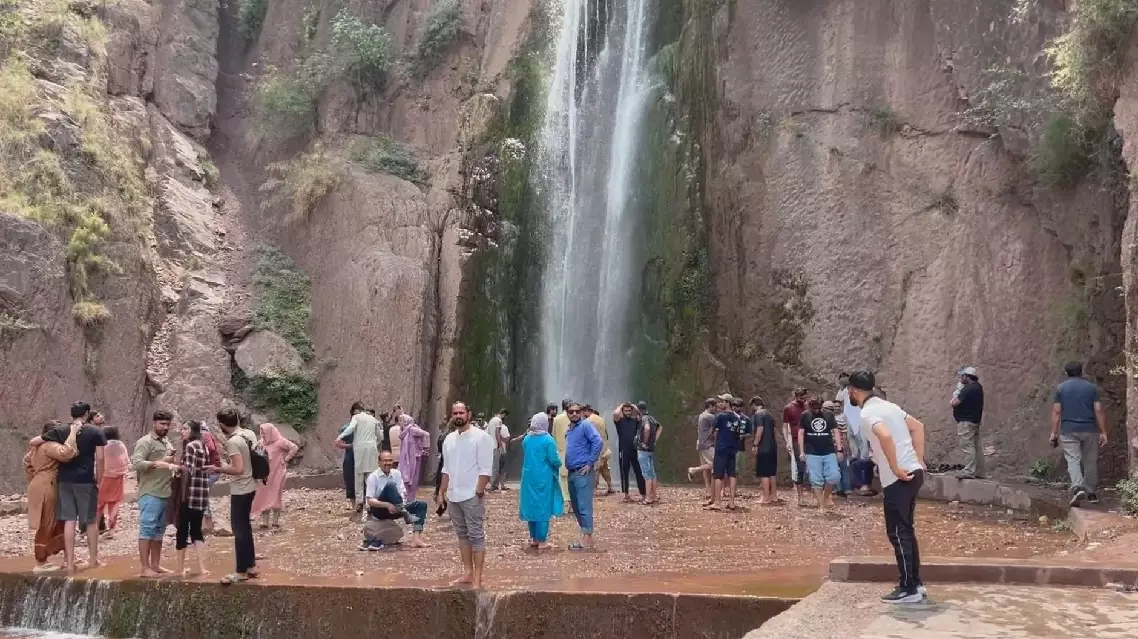
Pakistan-India tensions force tourists to give up exploring Neelum Valley
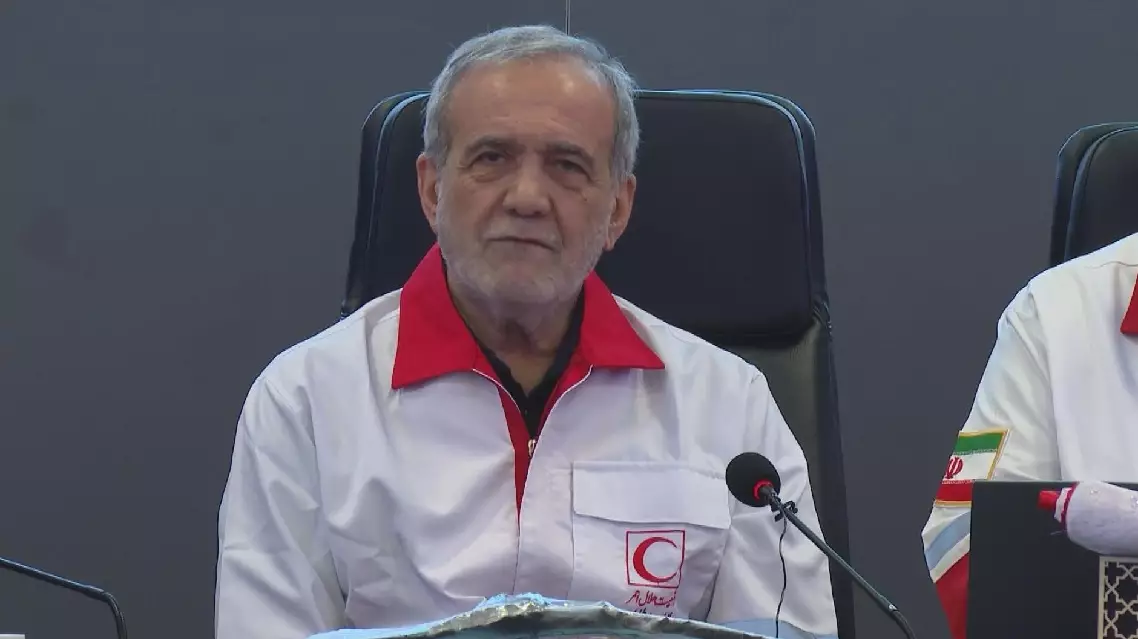
Voting for the second phase of Myanmar's multi-party democratic general election concluded on Sunday afternoon.
Voting began at 06:00 local time on Sunday. At 16:00, an election official at a polling station in Yangon's Latha township announced the closure of the polling station.
Following the closure, election staff at the polling station, in the presence of domestic and international media, candidates, and observers, counted the votes, including advance votes, for seats in the Pyithu Hluttaw (Lower House), Amyotha Hluttaw (Upper House), and State and Region Hluttaws (State and Region Parliaments).
The second phase of the election was held in 100 townships across 12 of the 14 regions and states. In the Yangon region, it was held in 16 townships, including the townships of Latha, Bahan, Kyimyindaing and Kawhmu.
"We welcome the election, which is expected to bring new changes to the country," said a Yangon resident.
"I hope the parties can lead us and make it a better country, which is why I support the election," said another voter.
Myanmar's multi-party democratic general election is being held in three phases, with the first phase held in 102 townships on Dec 28 last year, and the third phase scheduled for Jan 25 this year in 63 townships.
"The parliament is scheduled to convene in March. Following the conclusion of the session, the new government will officially take office in April. We hope that more foreign investment will flow into Myanmar, enabling the public to enjoy the opportunities generated by the country's economic development more fully," said Zaw Min Tun, leader of the Information Team of Myanmar's National Defense and Security Council.
The Union Election Commission (UEC) said that about 5,000 candidates from 57 political parties are competing in the three phases of the election, adding that it plans to set up over 21,000 polling stations across the country for all three phases of the general election.
The election will produce the elected members of the Union Parliament (Pyithu Hluttaw and Amyotha Hluttaw) and State and Region Parliaments; the new Union Parliament will then elect a new president, who will form a new Union Government.
Voting for 2nd phase of Myanmar's general election concludes