The New Development Bank (NDB) will fully embrace AI, in terms of both supporting the industry's development and incorporating the technology in its operation, according to president of the organization Dilma Rousseff.
The NDB will maintain its direction of supporting digital infrastructure development in the coming years, Rousseff, who will start her second five-year term as NBD president in July, told China Media Group (CMG) in an interview in Shanghai on Monday, while giving a special mention of Chinese AI model DeepSeek.
"We will continue to invest in digital infrastructure. Digitalization and the digital economy are prerequisites for achieving this goal. In my view, China presents an example that must be taken into consideration, and that is the emergence of the big AI model DeepSeek. It proves that it is possible to create groundbreaking new technologies using existing technology. Previously, Western countries blocked (China's import of) chips to prevent China from advancing in the field of artificial intelligence. DeepSeek is an inspiring case for the Global South," Rousseff said.
Rousseff also says the NDB is actively studying how it can utilize the power of AI.
"I even hope to promote the use of DeepSeek at the New Development Bank. We have already started doing this, engaging with various fields to understand where we can apply it because this is not traditionally the bank's area of expertise. We want to become a multilateral bank that embraces new technologies, and that is our responsibility," she said.
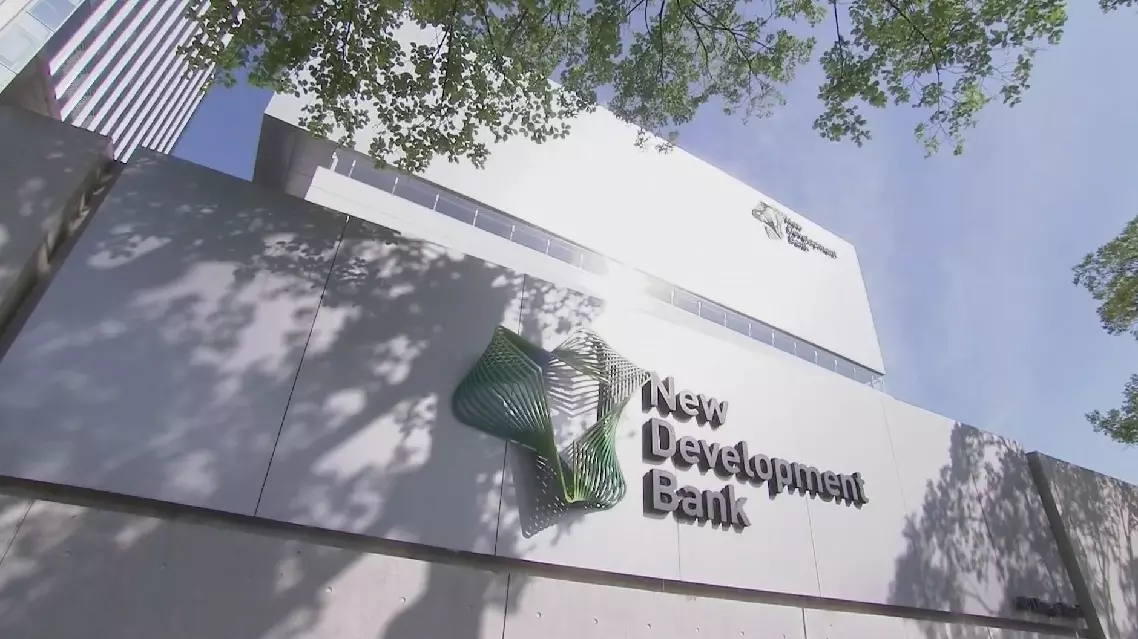
New Development Bank president highlights need to fully embrace AI
Norwegian Ambassador to China Vebjorn Dysvik said Wednesday that the 2026 China International Fair for Trade in Services (CIFTIS) offers a strong platform for developing new partnerships, as a record number of Norwegian companies attend.
Running through Sept. 13 at Shougang Park, a former industrial site and a venue for the Beijing 2022 Winter Olympics, the fair has drawn participants from 90 countries, regions and international organizations, with over 1,800 companies exhibiting on-site. Among them are 473 Fortune Global 500 firms and other industry leaders, including Honeywell, Johnson and Johnson, and Siemens.
During the fair, more than 190 forums, conferences, and business negotiation and promotion events will be held, along with 74 supporting activities and 11 business tour itineraries.
Norway is this year's guest country of honor at CIFTIS, and its exhibition area showcases Norway's distinctive industries and innovative achievements.
"It's a great opportunity and we can see this from the number of Norwegian companies that show up. And we have a record number of companies this year because our companies see that this is a good platform to develop all partnerships, but also to create new partnerships," said Vebjorn Dysvik, Norwegian Ambassador to China.
This year, for the first time, the fair has established an exhibition area for Chinese services in the core exhibition zone, showcasing innovative achievements and exemplary cases in the field of trade in services.
In addition, special zones were set up for the first time in several thematic exhibitions to provide professional support for Chinese enterprises looking to expand into international markets.
"The exhibition area for overseas service providers features 28 companies offering services overseas. It covers a wide range of topics, including accounting and auditing, human resources, intellectual property, consulting services, financial services, and digital marketing software services. In addition, we have invited 41 firms to participate in the overseas service recommendation roadshow, providing attendees with a one-stop solution for overseas expansion," said Zhao Fangqi, staff member at the fair.
This year's event also highlights the application of cutting-edge technologies in the service trade sector, while the sports and cultural tourism service exhibition areas feature numerous innovative interactive experiences.
Some exhibitors expressed their hope to meet the new service demands driven by the artificial intelligence (AI) era through more innovative approaches.
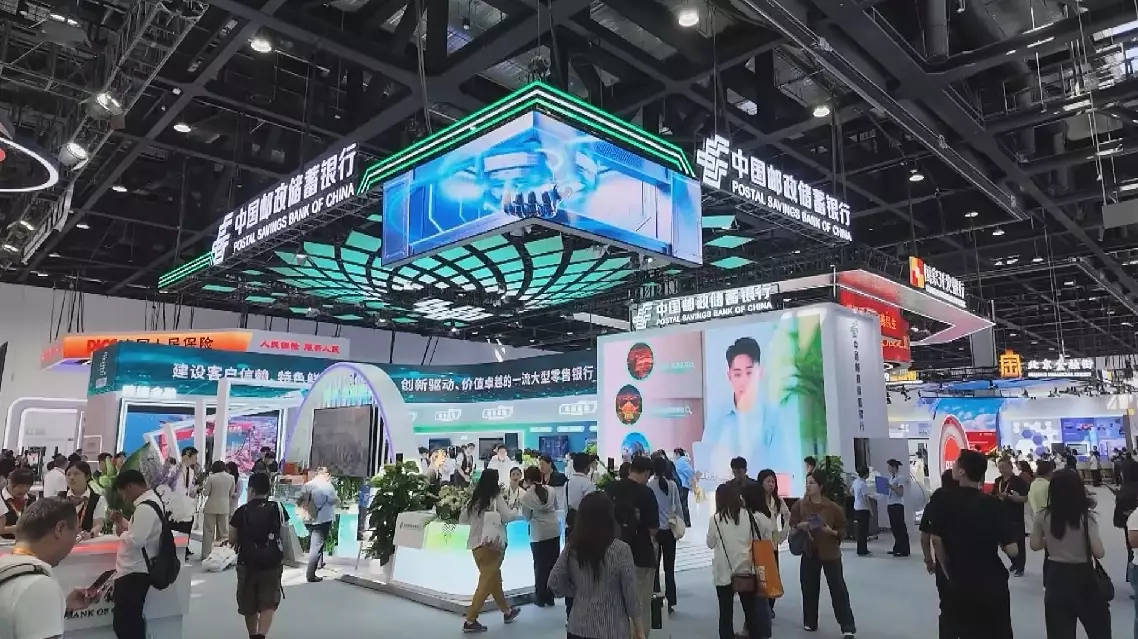
Norwegian ambassador hails CIFTIS as partnership platform