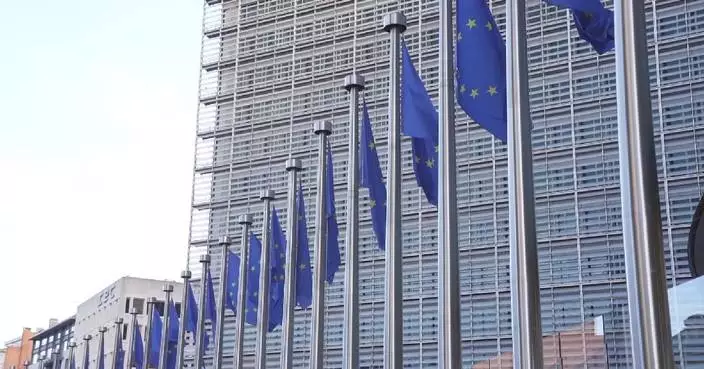
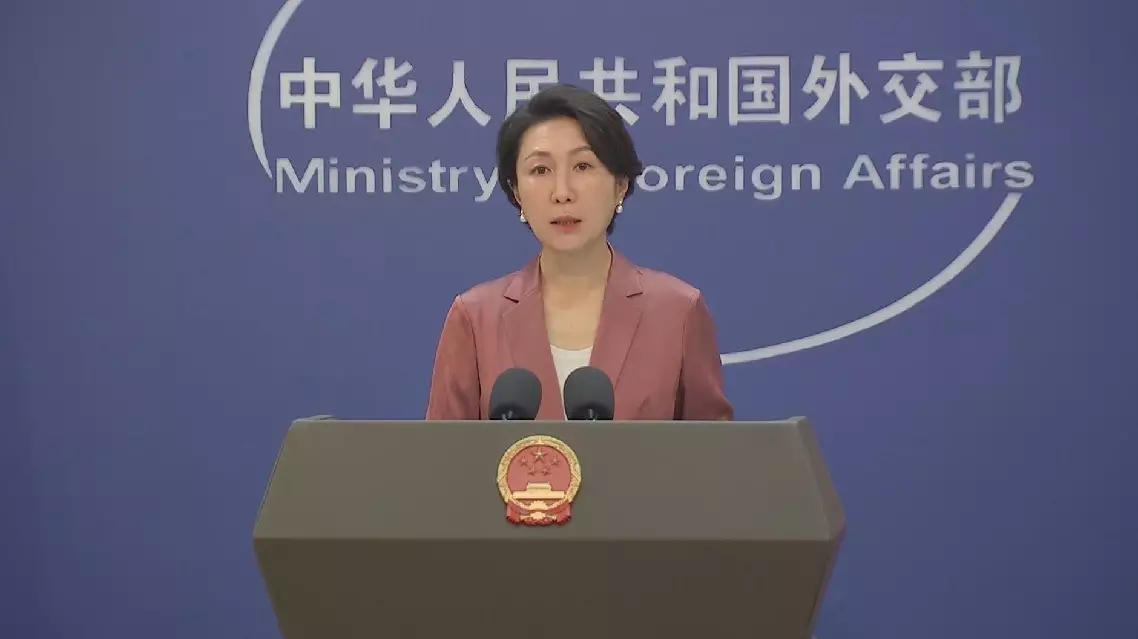
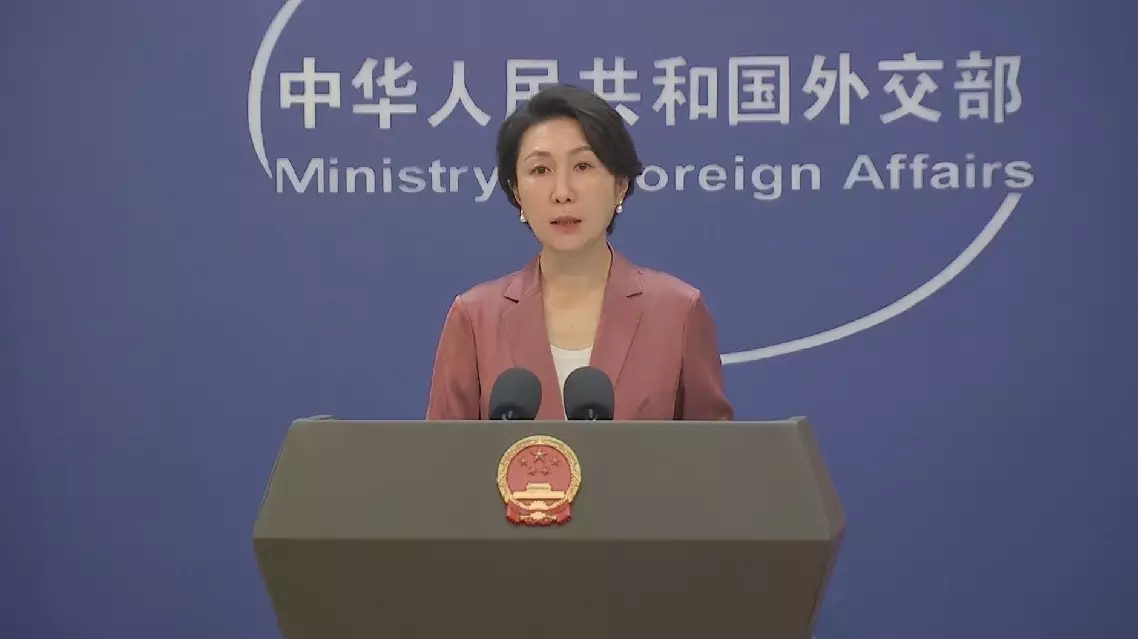
China firmly opposes the European Union (EU)'s unilateral and unreasonable sanctions on Chinese enterprises, Foreign Ministry spokeswoman Mao Ning said at a press briefing in Beijing on Wednesday.
Mao made the statement in response to a media query about the EU and Britain's new sanctions on Russia while also involves some companies from China and the United Arab Emirates.
Click to Gallery
China opposes EU's unreasonable sanctions on its enterprises
China opposes EU's unreasonable sanctions on its enterprises
China opposes EU's unreasonable sanctions on its enterprises
China opposes EU's unreasonable sanctions on its enterprises
China opposes EU's unreasonable sanctions on its enterprises
"China has always opposed unilateral sanctions that have no basis in international law and are not authorized by the United Nations Security Council. We strongly deplore and firmly oppose the EU's unreasonable sanctions on Chinese companies. On the Ukraine crisis, China has always been committed to promoting peace talks, and has never provided lethal weapons to any party to the conflict. China always strictly controls the export of dual-use goods. Most countries, including those in Europe, as well as the United States, continue to trade with Russia. The normal exchanges and cooperation between Chinese and Russian enterprises should not be disrupted or interfered with," Mao said.
"The EU should drop its double standards on economic and trade ties with Russia, and stop undermining Chinese companies' legitimate interests. China will take necessary measures to resolutely safeguard its legitimate rights and interests," she said.
China opposes EU's unreasonable sanctions on its enterprises
China opposes EU's unreasonable sanctions on its enterprises
China opposes EU's unreasonable sanctions on its enterprises
China opposes EU's unreasonable sanctions on its enterprises
China opposes EU's unreasonable sanctions on its enterprises
The statement of U.S. President Donald Trump highlighted the urgency for reforming global governance, according to a poll from China Global Television Network (CGTN) on Friday.
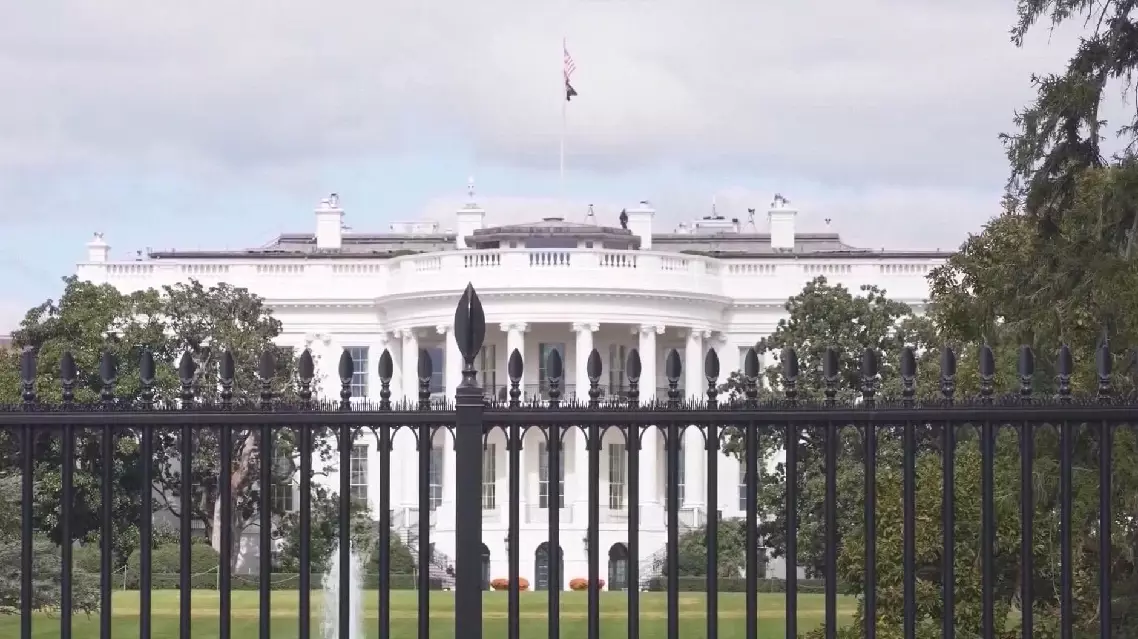
"I don't need international law," said Trump during an with The New York Times this week, days after the U.S. attack on Venezuela and the forcible seizure of President Nicolas Maduro. This statement perfectly captures Washington's unilateral and hegemonic trajectory. The New York Times observed that Trump's assessment of his own freedom to use any instrument of military, economic or political power to cement American supremacy was the most blunt acknowledgment yet of his world-view.
In a global public opinion poll conducted by CGTN, 93.5 percent of respondents expressed belief that the U.S., by pursuing unilateralism, has placed itself in opposition to the international community. Also, 91.7 percent think that reforming the global governance system is an urgent priority.
On Wednesday the U.S. announced its withdrawal from 66 international organizations, setting a new record for its retreat from multilateral commitments. These organizations span climate, energy, and global governance, among other fields. Trump argues that their operations run counter to U.S. national interests, sovereignty, and economic prosperity.
In response, 84.1 percent of respondents were not surprised by the U.S. move. Meanwhile, 88.9 percent viewed it as another radical step under the "America First" doctrine. In addition, 93 percent believed the U.S. approach of using international systems when beneficial and abandoning them when not severely undermines the existing international order and global fairness and justice. Also, 88.3 percent noted that the U.S. withdrawals once again expose it as an irresponsible major power, dealing a significant blow to its international reputation. Furthermore, 88.5 percent believe the U.S. withdrawals reflect its negative attitude toward global governance.
The recent episode of unilateral and bullying actions by the U.S. government has sparked widespread alarm and discontent within the international community. Washington's adherence to the law of the jungle where "might is right" is severely undermining the global governance system. In the poll, 89.9 percent of respondents agreed that multilateralism, based on coordination and cooperation, remains key to addressing current global governance challenges. Meanwhile, 94.4 percent believe it is crucial to advance the reform of the global governance system, uphold international rule of law, and enhance the effectiveness of multilateral mechanisms. Moreover, 90 percent think major powers should shoulder greater responsibility and play a more constructive role in promoting global governance reform.
The poll was conducted across CGTN platforms in English, Spanish, French, Arabic, and Russian languages, attracting 24,000 responses within 24 hours.
Trump says 'I don't need international law,' highlighting urgency for reforming global governance: CGTN poll