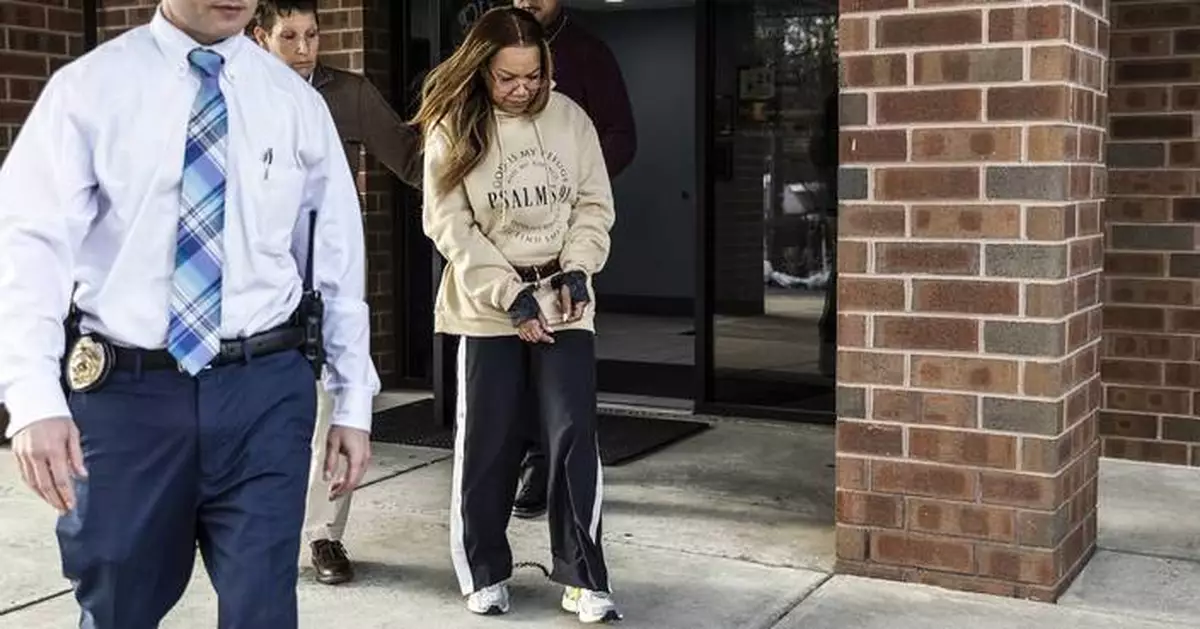
HARRISBURG, Pa. (AP) — A former magistrate judge in Pennsylvania convicted of shooting and wounding her ex-boyfriend in the head as he slept has been sentenced to 13 1/2 to 30 years in prison.
Sonya McKnight was convicted last month on attempted homicide and aggravated assault charges. She resigned her post during Wednesday's hearing, where the judge told her she was “totally without remorse” for the shooting.
McKnight has maintained her innocence, and her attorney said an appeal is ongoing.
The shooting occurred in February 2024 at the boyfriend’s home. McKnight had lived there, but the man repeatedly asked her to leave when their relationship ended, authorities said.
Prosecutors argued at trial that McKnight was a jealous partner who “didn’t like” that she had been asked to leave, but her attorney said the ex-boyfriend couldn’t identify the shooter. The ex-boyfriend testified that he couldn’t see after the shooting, but that McKnight was the only other person in the home at the time.
The jury deliberated for two hours before convicting McKnight on both counts she faced.
McKnight, who was elected judge in Dauphin County in 2015, had been suspended without pay in mid-November 2023 after the Court of Judicial Discipline, which handles misconduct allegations against judges, said she violated judicial probations from a previous case regarding a 2020 traffic stop involving her son. She was acquitted of criminal charges in that matter.
Local outlets reported she also shot and wounded her estranged husband in 2019. Prosecutors didn’t charge her, citing self-defense.
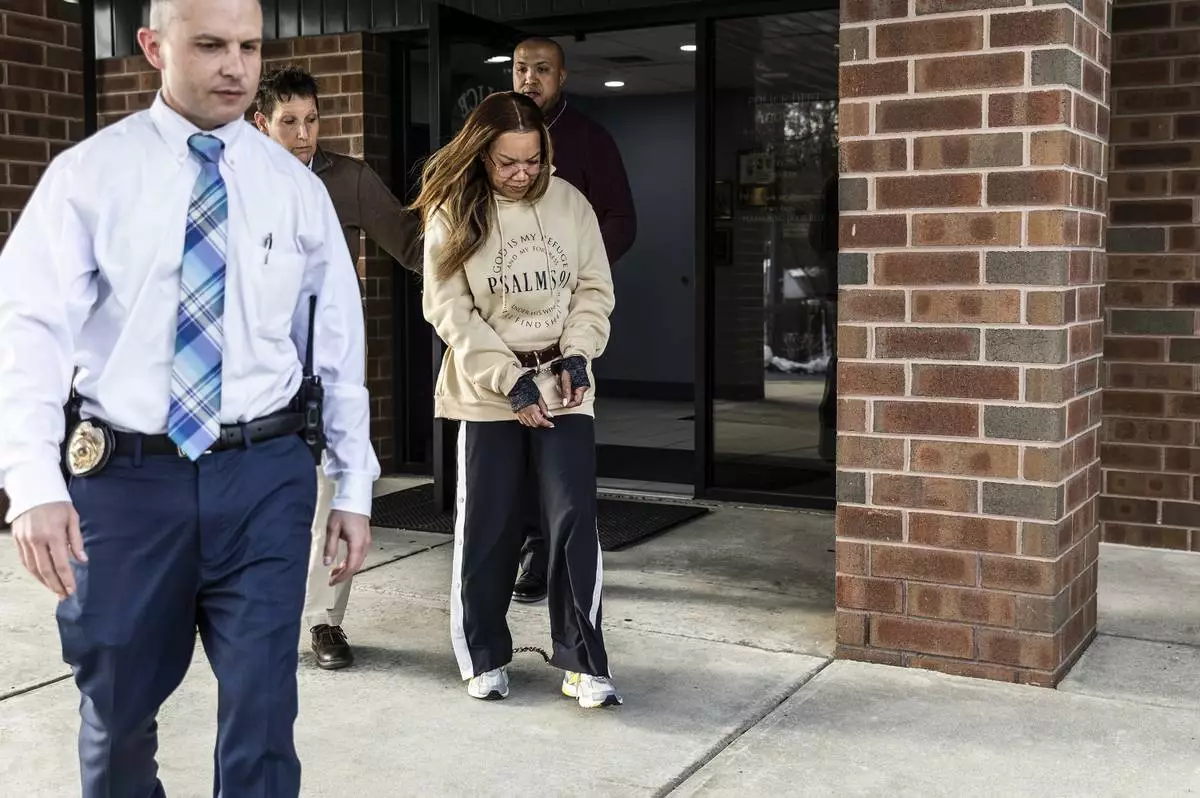
FILE - Former District Judge Sonya McKnight, who was accused of shooting her estranged boyfriend in the head as he slept, leaves the Susquehanna Twp. Police department, Feb. 15, 2024. (Sean Simmers/The Patriot-News via AP, File)
COLUMBIA, S.C. (AP) — An effort to reshape South Carolina's congressional districts is getting its first full airing Monday in the state House, as lawmakers launch what could become a lengthy discussion on whether to accede to President Donald Trump's desires for a U.S. House map that could yield a clean sweep for Republicans.
Tense debates already have played out in Tennessee, Alabama and Louisiana as Republicans push aggressively to leverage a recent U.S. Supreme Court ruling that weakened Voting Rights Act protections for minority districts. The ruling has opened the way for Republicans to redraw districts with large Black populations that have elected Democrats.
In South Carolina, that means targeting a seat long held by U.S. Rep. Jim Clyburn, the only Democrat among the state's seven House representatives.
Clyburn has said he has no intention of retiring, even if his district gets changed. He told reporters last week in Washington that he has addresses in Columbia, Charleston and Santee, adding: “I live in three districts. I’ll decide which one to run in.”
“It ain’t about Jim Clyburn’s district,” he said. “This isn’t about voting. This is about turning the clock back to Jim Crow 2.0.”
Redistricting typically occurs at the start of each decade, based on new population figures from the census. South Carolina's debate on Monday showed the complexity of changing congressional district boundaries mid-decade. One of the first amendments adopted would allow dozens of state board members chosen by congressional districts — including college trustees, utility regulators and parole board members — to stay in their positions until after the 2030 census, even under the new congressional map.
Democratic state Rep. Annie McDaniel said it was an example of how congressional redistricting outside normal procedures causes other problems.
“We’re talking confusion on top of confusion on top of confusion,” McDaniel said.
Early voting is scheduled to begin May 26 for South Carolina's statewide primaries on June 9. In addition to redrawing congressional districts, legislation pending in the state House would move the U.S. House primaries to August. If it clears the House, the legislation then must go to the Senate.
Republican Gov. Henry McMaster, who called lawmakers into a special session on redistricting, said it is important for South Carolina to send as many Republicans to Washington as possible to try to prevent Democrats from taking control of the House and attempting to impeach Trump.
But some Republicans have expressed concern that an attempt to draw a 7-0 House map for the party could spread Republican voters too thin, making some current Republican-held districts susceptible to Democratic victories.
Republicans are ahead in the national redistricting battle thus far. Since Trump urged Texas Republicans to redistrict last year, Republicans think they could gain as many as 15 seats from new House maps in Texas, Missouri, North Carolina, Ohio, Florida, Tennessee and Alabama. Democrats, meanwhile, think they could gain six seats from new maps in California and Utah. But litigation is ongoing in some states, and voters will have the final say on who wins.
Lieb reported from Jefferson City, Missouri. Associated Press writer Lisa Mascaro contributed from Washington.
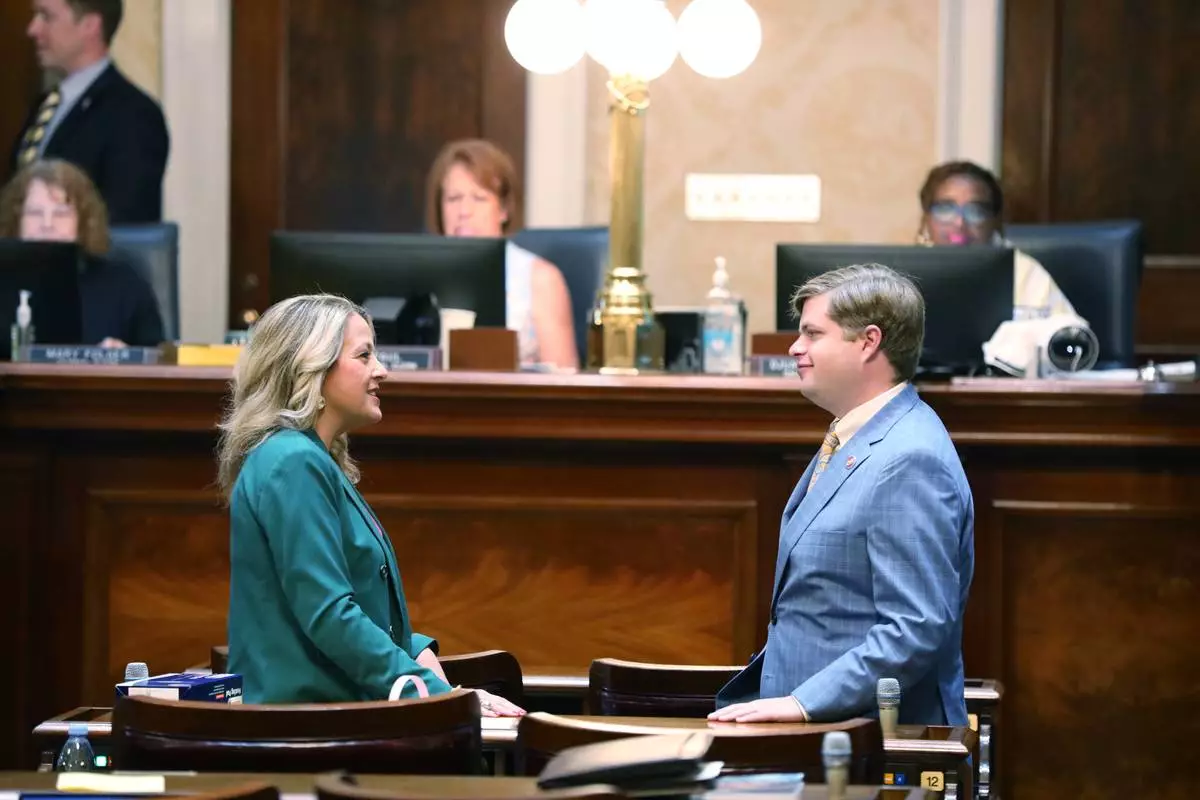
Republican South Carolina Reps. Melissa Oremus, left, and Brandon Newton, right, talk before the House session on redistricting on Monday, May 18, 2026, in Columbia, S.C. (AP Photo/Jeffrey Collins)
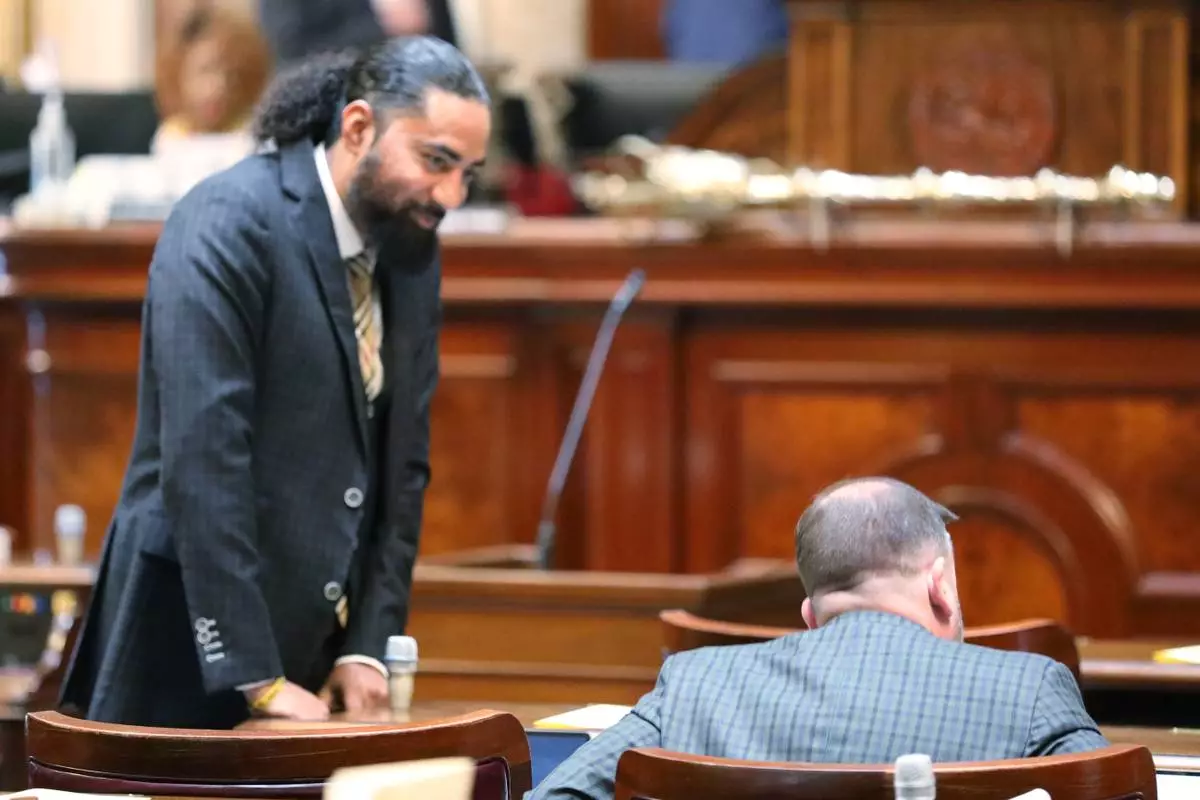
Democratic South Carolina Rep. Justin Bamberg, left, talks to Republican Rep. Neal Collins, right, before the House session on redistricting on Monday, May 18, 2026, in Columbia, S.C. (AP Photo/Jeffrey Collins).
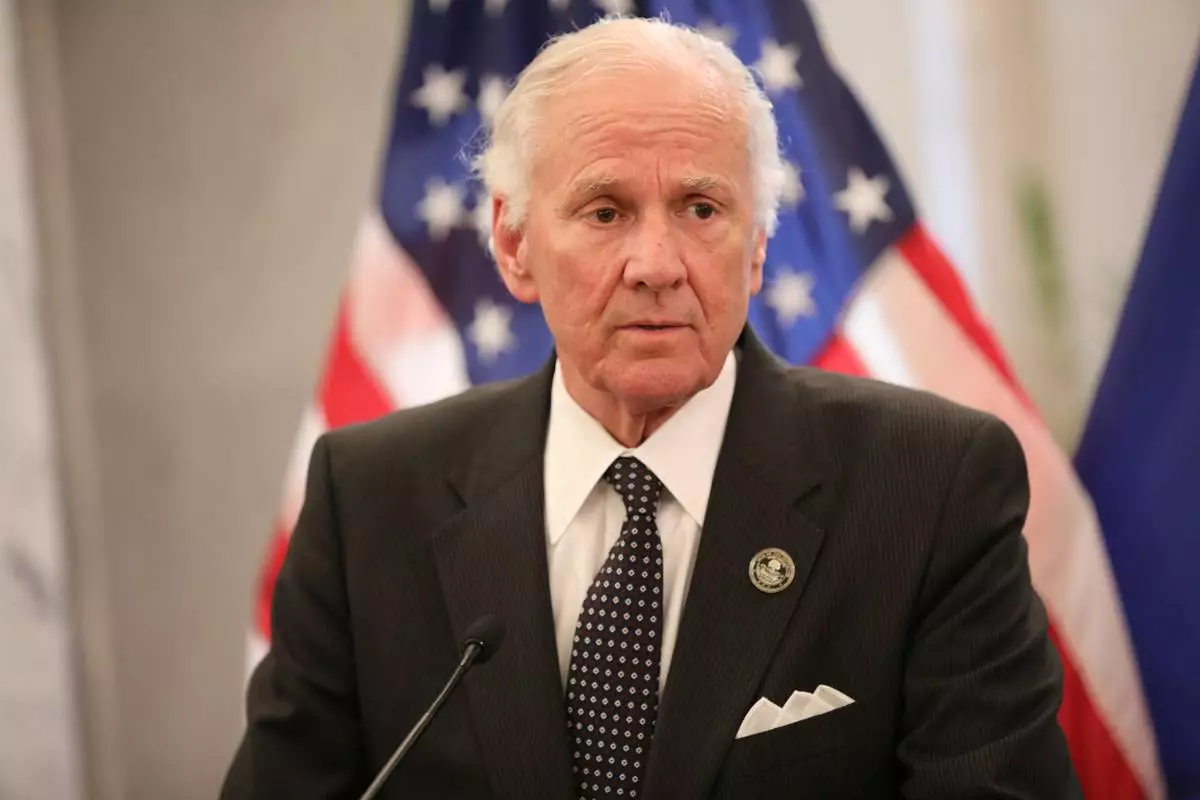
Republican South Carolina Gov. Henry McMaster speaks to reporters on Tuesday, May 5, 2026, in Columbia, S.C. (AP Photo/Jeffrey Collins)

South Carolina Republican Rep. Donald McCabe looks at a proposed U.S. House district map during a redistricting hearing in the state House Judiciary Committee on Tuesday, May, 12 2026, in Columbia, S.C. (AP Photo/Jeffrey Collins)