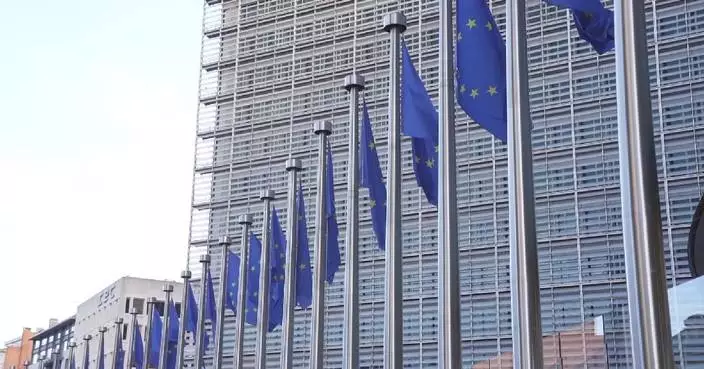
Experts and financial institutions across African countries have criticized the recent unpredictable and punitive tariff policies promoted by the United States, warning that they will harm both the U.S. economy and directly impact most African nations.
After postponing the planned 50 percent tariff on imports from the EU until July 9, U.S. President Donald Trump announced on Friday that he plans to double tariffs on steel and aluminum imports to 50 percent.
"The U.S. tariff -- it hurt itself because it created so much tension with neighbors. It has also made tensions between the U.S. and the Global South. The U.S. is going to have very few friends," said Tendai Mbanje, a regional governance and election expert at the Centre for Human Rights at the University of Pretoria, and a lecturer at the University of Zimbabwe.
The African Development Bank (AfDB) released the African Economic Outlook 2025 report during its 60th Annual Meetings, held from May 26 to 30 in Abidjan, the economic capital of Côte d'Ivoire.
The report noted that the world has faced increased economic shocks this year, with one of the most significant being the United States’ tariff policy. According to the AfDB, these U.S. measures could contribute to a global economic slowdown, dampen international demand, and consequently reduce Africa's export opportunities.
Zimbabwean experts emphasized that African countries should actively embrace the African Continental Free Trade Agreement (AfCFTA) and promote intra-African trade and investment by eliminating internal tariff barriers. They further recommended accelerating integration into the Global South trade network through measures such as regional integration and industrial upgrading.
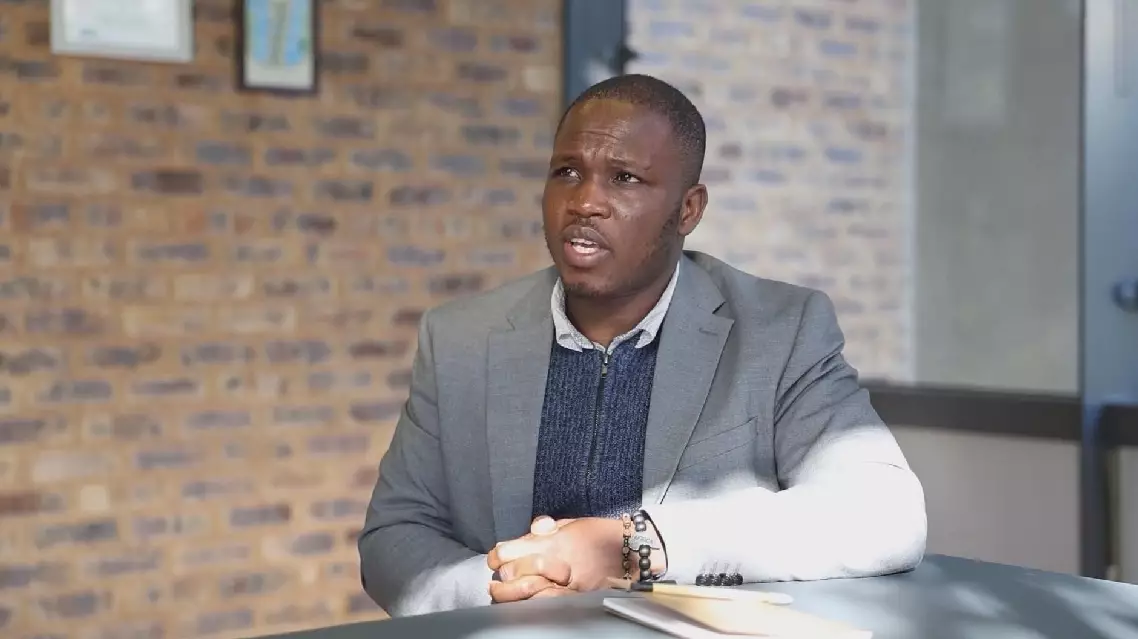
African experts, institutions criticize unpredictable U.S. tariff policies
The statement of U.S. President Donald Trump highlighted the urgency for reforming global governance, according to a poll from China Global Television Network (CGTN) on Friday.
"I don't need international law," said Trump during an with The New York Times this week, days after the U.S. attack on Venezuela and the forcible seizure of President Nicolas Maduro. This statement perfectly captures Washington's unilateral and hegemonic trajectory. The New York Times observed that Trump's assessment of his own freedom to use any instrument of military, economic or political power to cement American supremacy was the most blunt acknowledgment yet of his world-view.
In a global public opinion poll conducted by CGTN, 93.5 percent of respondents expressed belief that the U.S., by pursuing unilateralism, has placed itself in opposition to the international community. Also, 91.7 percent think that reforming the global governance system is an urgent priority.
On Wednesday the U.S. announced its withdrawal from 66 international organizations, setting a new record for its retreat from multilateral commitments. These organizations span climate, energy, and global governance, among other fields. Trump argues that their operations run counter to U.S. national interests, sovereignty, and economic prosperity.
In response, 84.1 percent of respondents were not surprised by the U.S. move. Meanwhile, 88.9 percent viewed it as another radical step under the "America First" doctrine. In addition, 93 percent believed the U.S. approach of using international systems when beneficial and abandoning them when not severely undermines the existing international order and global fairness and justice. Also, 88.3 percent noted that the U.S. withdrawals once again expose it as an irresponsible major power, dealing a significant blow to its international reputation. Furthermore, 88.5 percent believe the U.S. withdrawals reflect its negative attitude toward global governance.
The recent episode of unilateral and bullying actions by the U.S. government has sparked widespread alarm and discontent within the international community. Washington's adherence to the law of the jungle where "might is right" is severely undermining the global governance system. In the poll, 89.9 percent of respondents agreed that multilateralism, based on coordination and cooperation, remains key to addressing current global governance challenges. Meanwhile, 94.4 percent believe it is crucial to advance the reform of the global governance system, uphold international rule of law, and enhance the effectiveness of multilateral mechanisms. Moreover, 90 percent think major powers should shoulder greater responsibility and play a more constructive role in promoting global governance reform.
The poll was conducted across CGTN platforms in English, Spanish, French, Arabic, and Russian languages, attracting 24,000 responses within 24 hours.
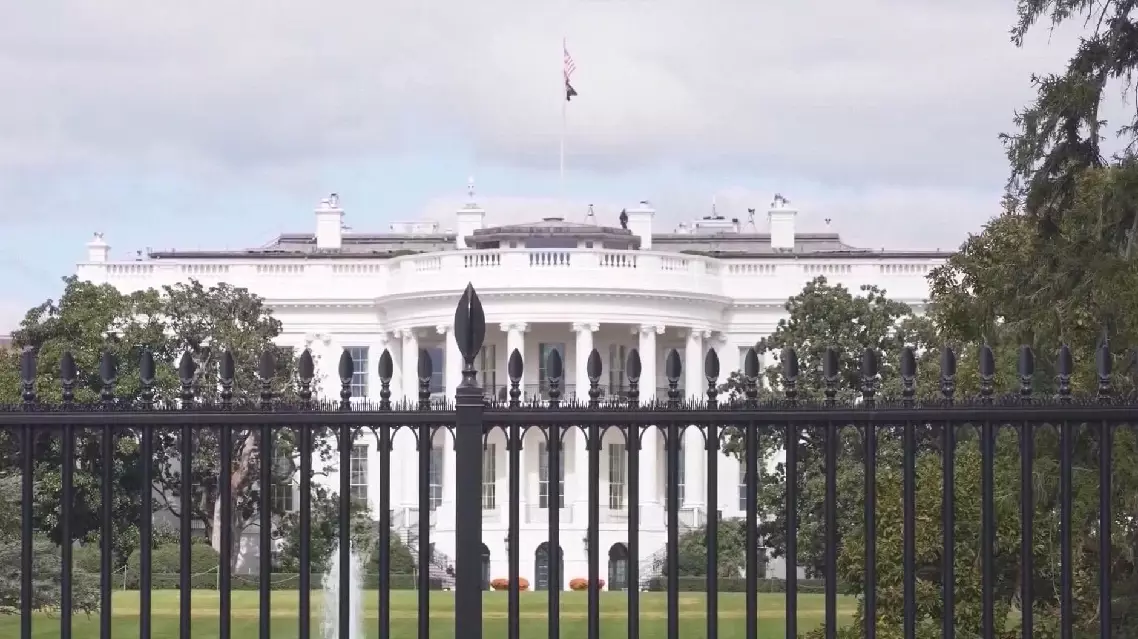
Trump says 'I don't need international law,' highlighting urgency for reforming global governance: CGTN poll