The tariff policies of the United States have brought uncertainties to global trade, impacted the global economy and also undermined the economic development of the United States itself, said a professor of Global Economic Practices at the University of Sydney.
The United States started to raise tariffs on imported steel and aluminum from 25 percent to 50 percent starting from Wednesday, according to an executive order signed by U.S. President Donald Trump on Tuesday.
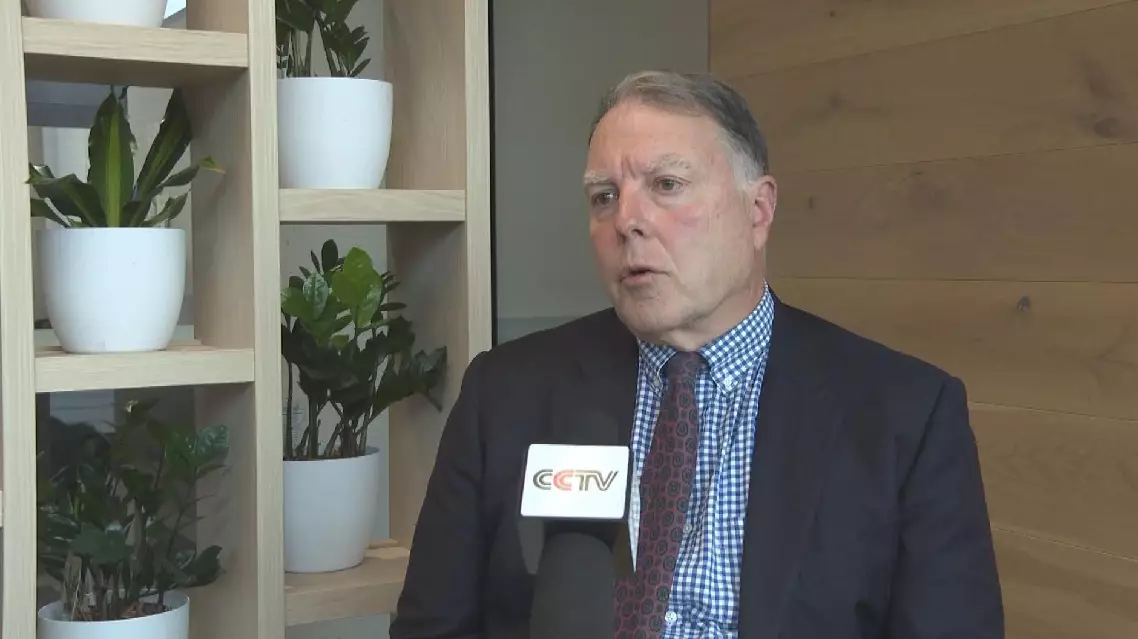
In an exclusive interview with China Central Television (CCTV), Professor Hugh Harley said tariffs will cause damage across the board, and Australia supports free trade.
"In Australia, we never agree that tariffs are a good solution. They're a form of harm, as I said, slower growth, higher inflation. So we'll always back free trade," he said.
Harley said uncertain trade policies can affect the confidence of investors and even consumers, which is not beneficial to the global economic development.
He said the current tariff policy of the United States is also prompting Australia to actively contact countries that are also affected by U.S. tariffs, and jointly seek solutions.
"It's also going to encourage Australia and other countries who aren't directly impacted by the U.S. tariffs to talk to each other. So, for instance, Australia's been invited to the G7 in Canada in a month's time. There are discussions about deeper trade, but between Australia and Europe, Australia and Canada. And of course the relationship in free trade terms between Australia and China is very important too. And I'm sure a lot of efforts' been put in on both sides to strengthen that relationship," he said.
U.S. tariff policies bring uncertainties to global trade: Australian expert
Several nations and international organizations have voiced strong condemnation against recent U.S. military actions targeting Venezuela, emphasizing the importance of international law and diplomatic solutions.
The United States launched military operations in Venezuela that led to the capture of Venezuelan President Nicolas Maduro and his wife on Jan 3. The Venezuelan government said the strikes hit civilian and military sites in at least four states, including Caracas, Miranda, Aragua and La Guaira. The U.S. attack has left 100 dead, Venezuela's interior ministry said Wednesday.
"The international law, the rules, the rules and regulations of the international system should be really respected. We at the African Union disapprove completely the kidnapping of a sitting president. We issued and released a communique, asking the global powers, influential countries to respect the rule of law, to respect the international law, and also to respect the immunity of sitting presidents everywhere," said African Union (AU) Commission Chairperson Mahmoud Ali Youssouf.
According to Russian media reports, Russian Ambassador to Venezuela Sergey Melik-Bagdasarov, after meeting with Venezuelan Foreign Minister Yvan Gil on Friday, noted that the U.S. actions have resulted in the deaths of approximately one hundred Venezuelan civilians and military personnel.
He stressed that these tragic consequences must be severely condemned and thoroughly investigated. The ambassador added that the United States' neo-colonial, command-and-control approach clearly does not contribute to the normalization of Venezuelan oil sales, and such actions violate international law.
South African Minister of International Relations and Cooperation Ronald Lamola on Friday reiterated his country's commitment to a rules-based international order grounded in international law and multilateralism, with the United Nations (UN) at its center.
Delivering a keynote address on the 2026 Foreign Policy Outlook in Rustenburg, North West Province, Lamola said the doctrine of "might is right" must not be allowed to prevail, and that the rule of law remains fundamental to global stability, legitimacy, and governance.
He said that the unilateral military actions by the U.S. against Venezuela risk reducing the UN Charter to ashes. In the current situation, it is of unprecedented importance and urgency for countries to adhere to resolving disputes through dialogue, consultation, and diplomatic means.
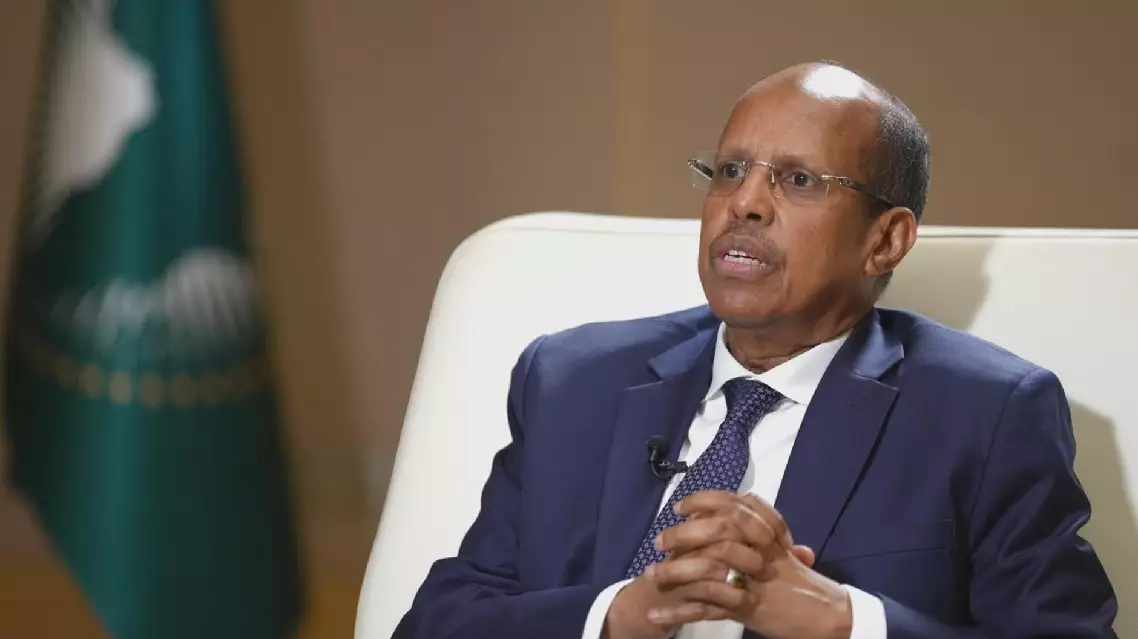
Multiple nations, organizations condemn U.S. military actions against Venezuela