China's major stock indices have adjusted their constituents beginning from Monday to incorporate more tech firms, reflecting the Chinese economy's structural transformation from focusing on quantity to emphasizing quality.
The adjustments involve several major indices from the Shanghai and Shenzhen Stock Exchanges, including the SSE 50, SSE 180, SSE STAR 50, and SSE Science and Technology Innovation Board 100 Index. Most of the constituents included this time are from industries such as information technology, high-end equipment manufacturing, biomedicine, and new energy. According to economists, this large-scale adjustment of constituents represents the structural transformation in China's economy.
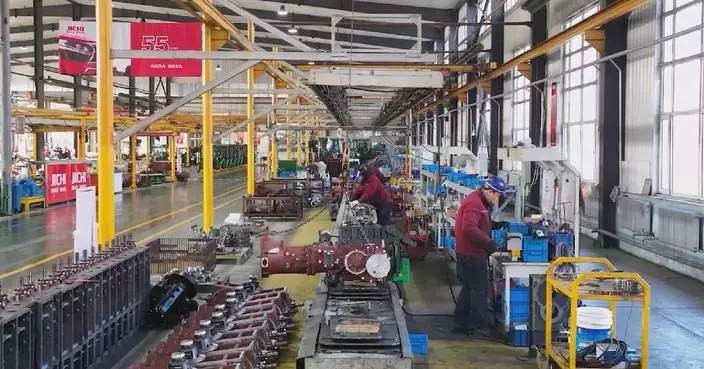
Zhejiang Chint Electrics Co., Ltd. was included in the SSE 180 this time. At its intelligent manufacturing demonstration factory, the production line produces the latest intelligent circuit breakers, 60 percent of which will be exported to overseas markets.
Chen Guoliang, president of the company, said that the biggest change after being included in the SSE 180 is gaining more market attention and development opportunities, making it easier to expand market share and distribute products overseas.
"[Being included in the SSE 180 could] continuously expand and enhance our influence and reputation among customers, enhance our voice in the industry, and continue to promote the growth of our entire business share. It will narrow our stock's bid-ask spread, improve the liquidity and activity of the stock, and reduce financing costs," said Chen.
Another intelligent product platform-based enterprise executive acknowledged that accelerating innovation and transformation has become a crucial factor for the company's inclusion in major stock indices.
"Our research and development investment for 2024 reached 5.16 billion yuan (about 718.5 million U.S. dollars), bringing our total investment over the past three years to more than 14.7 billion yuan (about 2.05 billion U.S. dollars). We have over 16,000 research and development personnel across our five research and development centers," said Li Yutao, Board Secretary of Huaqin Technology Co., Ltd.
According to statistics, using the SSE STAR 50 as an example, the research and development expenses of constituent companies in 2024 totaled 63 billion yuan (about 8.77 billion U.S. dollars), marking a 6.4 percent increase year on year.
More than 60 percent of these companies had research and development intensity exceeding 10 percent, and 20 constituent companies invested over one billion yuan in research and development, primarily focusing on industries such as new-generation information technology, biomedicine, and high-end equipment.
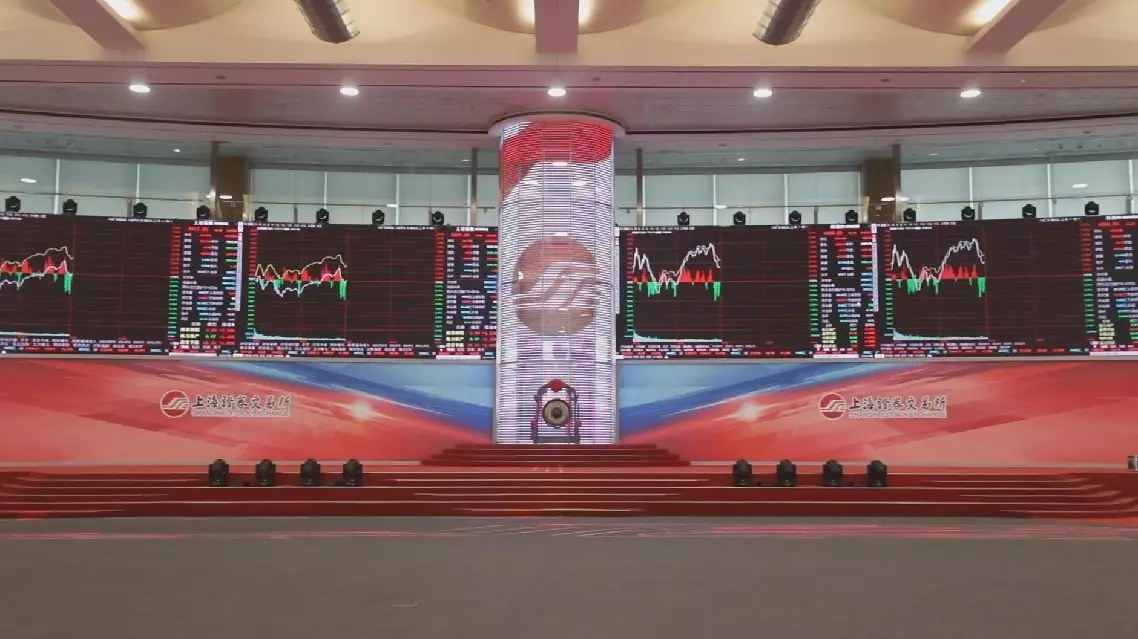
China's major stock indices adjusted to include more tech firms