Chinese President Xi Jinping and Russian President Vladimir Putin exchanged views with a focus on the situation in the Middle East during a phone conversation on Thursday.
In the phone call, Putin briefed on Russia's views on the current situation in the Middle East, saying that Israel's attacks on Iran's nuclear facilities are extremely dangerous, and that escalation of the conflict does not conform to the interests of either side. He said that the Iranian nuclear issue should be solved through dialogue and consultation, and that Israel and Iran should ensure the safety of citizens from any third country.
Click to Gallery
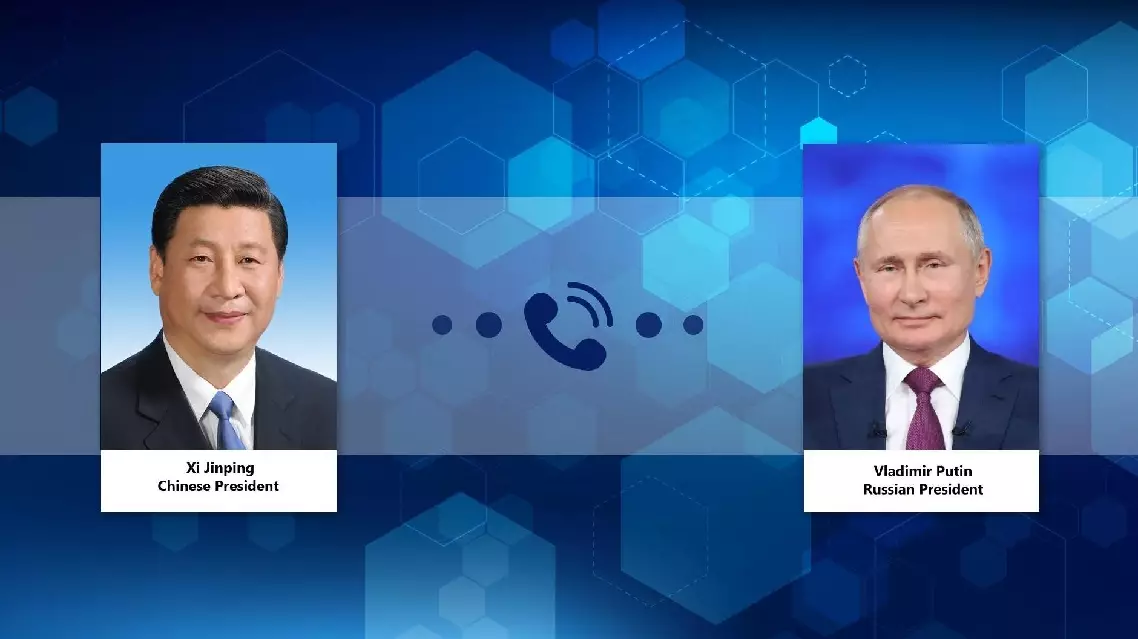
Xi talks with Putin over phone, focusing on Middle East situation
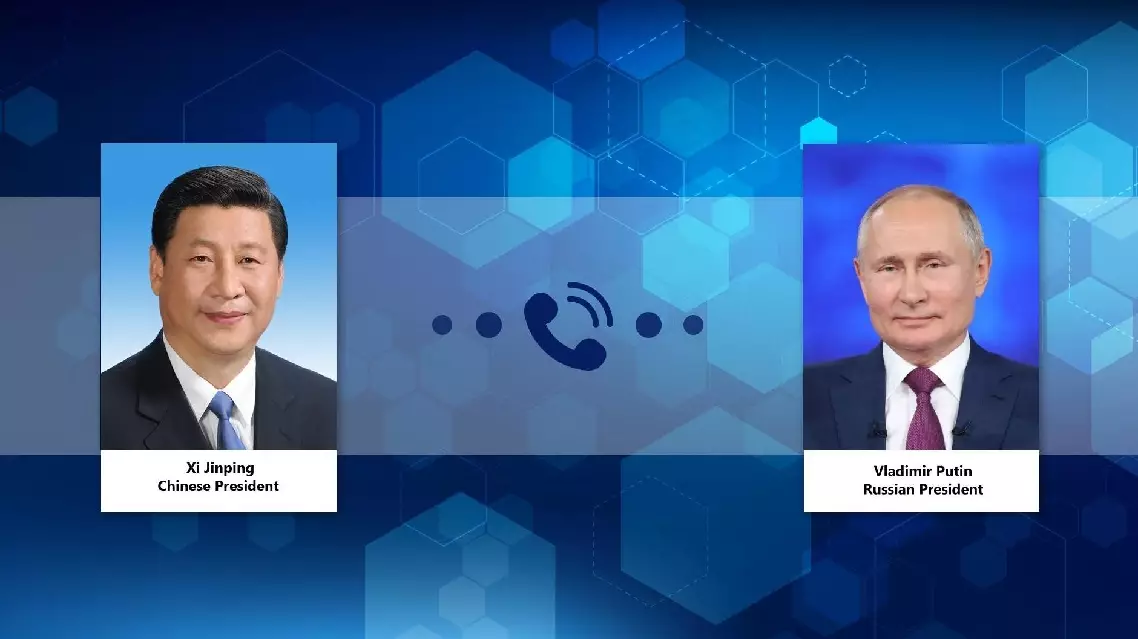
Xi talks with Putin over phone, focusing on Middle East situation
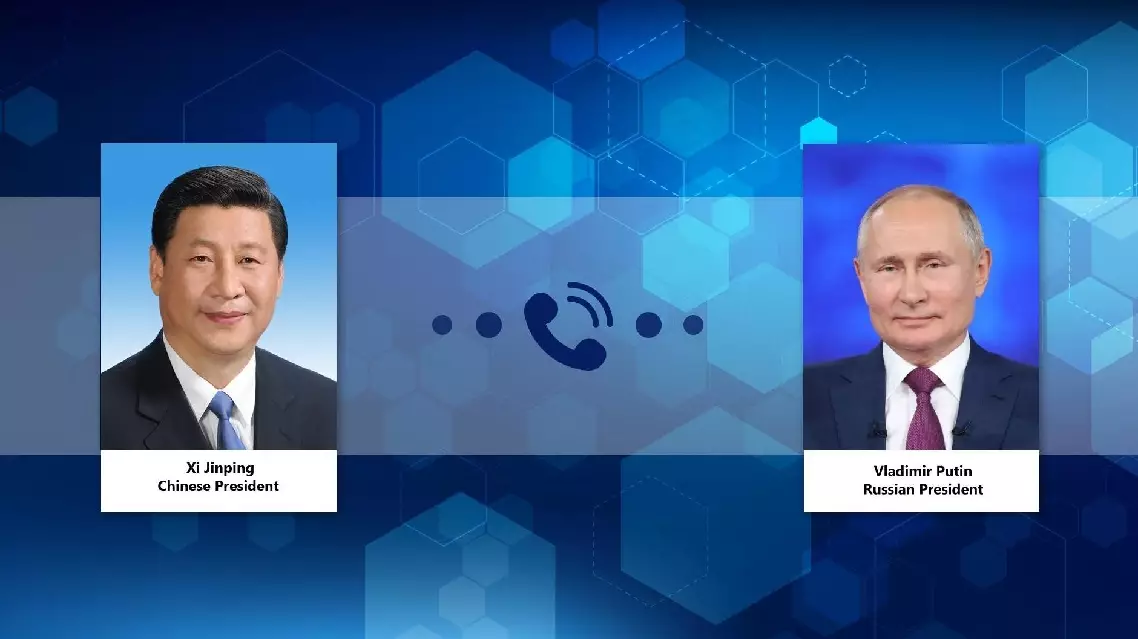
Xi talks with Putin over phone, focusing on Middle East situation
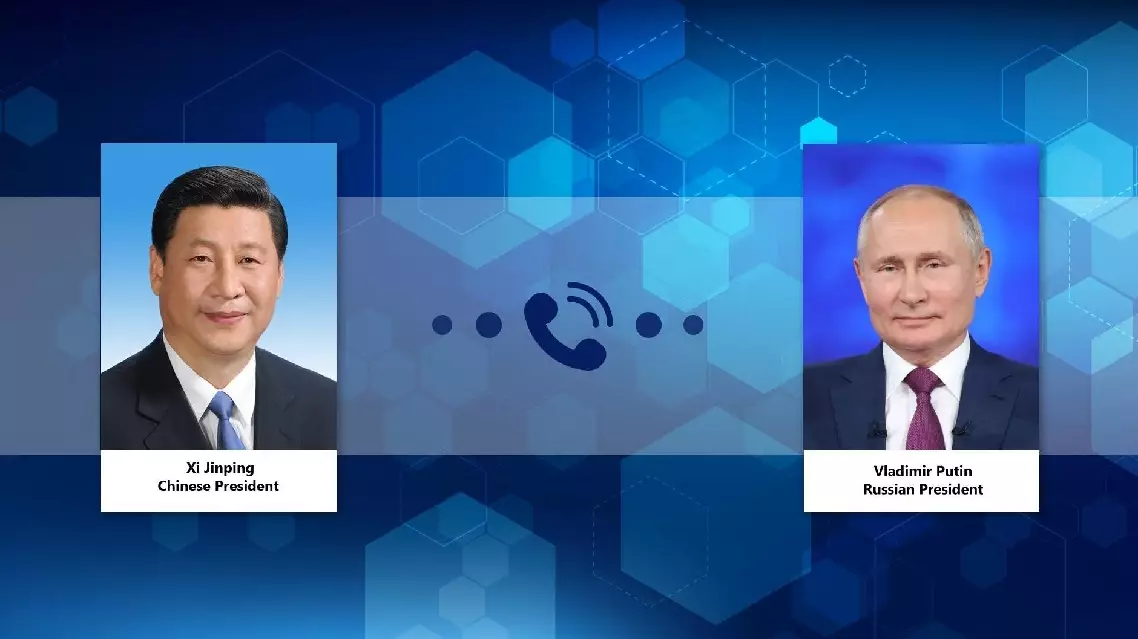
Xi talks with Putin over phone, focusing on Middle East situation
Noting the situation is still developing fast, Putin said Russia stands ready to maintain close communication with China, jointly make active efforts to deescalate the situation, and to safeguard peace and stability of the region.
Xi stated China's principled position in the phone conversation, saying that the current situation in the Middle East is very critical, which once again proves that the world has entered a new period of turbulence and transformation. Xi said further escalation will not only cause greater losses to the conflicting sides but also bring serious harm to countries in the region.
Xi made a four-point proposal for tackling the current situation.
First, Xi said, ceasefire is an urgent priority. The use of force is not the right way to resolve international disputes, as it will only intensify hatred and contradiction. Xi urged the conflicting parties, especially Israel, to cease fire as soon as possible, to prevent the situation from escalating repeatedly and to resolutely avoid the spillover of war.
Second, the Chinese president said, protecting civilians' safety is the top priority. At no time should the red line for protecting civilians in military conflicts be crossed, while indiscriminate use of force is unacceptable. The parties to the conflict should strictly abide by international law, resolutely avoid harming innocent civilians, and facilitate the evacuation of citizens from third countries, Xi said.
Third, Xi said, initiating dialogue and negotiation is the fundamental way out. Communication and dialogue are the correct paths to achieving lasting peace. The general direction of political settlement of the Iranian nuclear issue and efforts to bring the Iranian nuclear issue back to the track of political settlement through dialogue and negotiation should be steadfastly adhered to, he said.
And fourth, Xi said, international efforts for peace are indispensable. If the Middle East is unstable, the world can hardly be at peace, he explained. The Israeli-Iranian conflict has led to a sudden escalation of tensions in the Middle East, which has also dealt a severe blow to global security. The international community, especially the major powers that have a special influence on the parties involved in the conflict, should make efforts to cool down the situation instead of doing the opposite. The United Nations Security Council should play a greater role in this regard, said the Chinese president.
Xi emphasized that China stands ready to continue to strengthen communication and coordination with all parties, urging the pooling of efforts and the upholding of justice, so as to play a constructive role in restoring peace in the Middle East.
The two heads of state spoke highly of the political mutual trust and high-level strategic cooperation between China and Russia, and agreed to maintain close high-level exchanges, advance cooperation in various fields, and promote in-depth development of the China-Russia comprehensive strategic partnership of coordination.
Xi talks with Putin over phone, focusing on Middle East situation
Xi talks with Putin over phone, focusing on Middle East situation
Xi talks with Putin over phone, focusing on Middle East situation
Xi talks with Putin over phone, focusing on Middle East situation