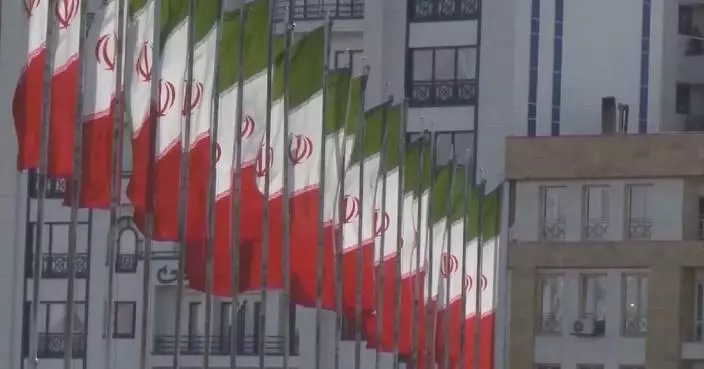
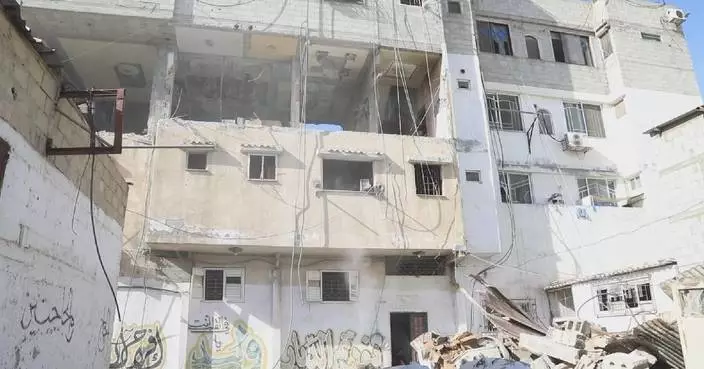
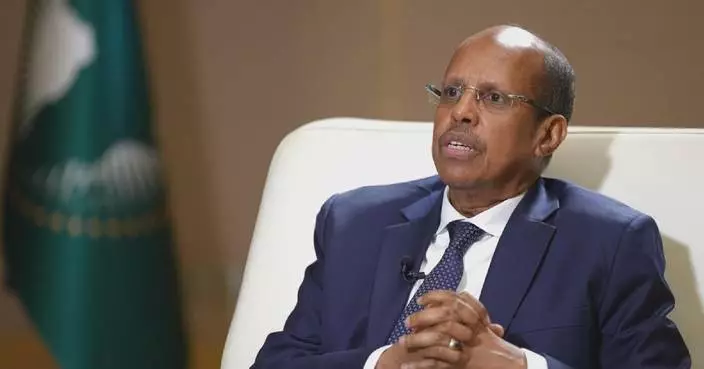
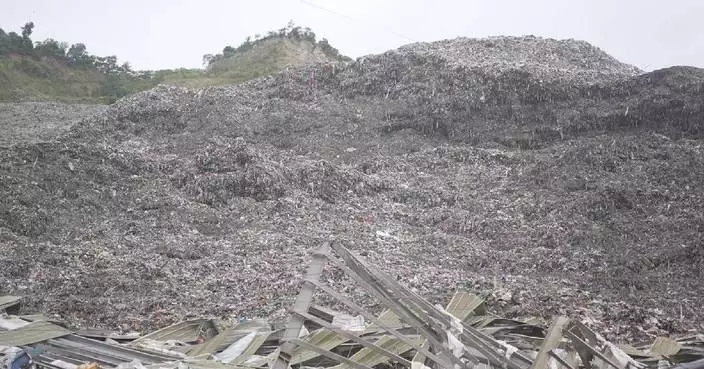
U.S. strikes on Iranian nuclear sites have sparked widespread criticism and concerns.
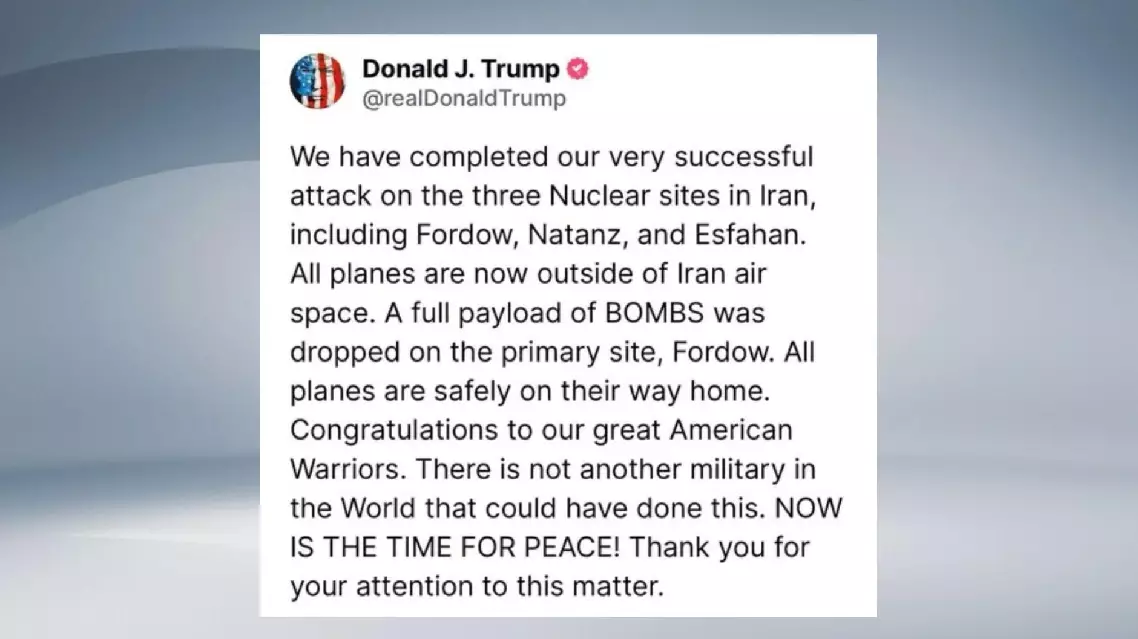
U.S. President Donald Trump said earlier on Saturday that the United States has completed attacks on three nuclear sites in Iran, including "Fordow, Natanz and Esfahan."
Addressing the nation Saturday evening, Trump said that Iran's key nuclear facilities had been "completely and totally obliterated," and that future attacks will be "far greater and a lot easier."
Iran's state-run IRNA news agency acknowledged attacks on the country's nuclear facilities.
Iran had evacuated the three nuclear sites "a while ago," said Hassan Abedini, deputy political director of Iran's state broadcaster, adding that Iran "didn't suffer a major blow because the materials had already been taken out."
Iran's Atomic Energy Organization confirmed the U.S. attacks, but said its work will not be stopped.
In a statement, the agency said the strikes were carried out by “enemies of Iran” and violated international law, particularly the Nuclear Non-Proliferation Treaty.
Iranian Foreign Minister Seyed Abbas Araghchi said Sunday that the U.S. strikes on Iranian nuclear facilities were "outrageous" and "will have everlasting consequences."
Tehran "reserves all options" to retaliate, said the minister.
Meanwhile, the Israel Defense Forces (IDF) said it has detected the launch of missiles from Iran after U.S. strikes on Iranian nuclear facilities.
The Israeli army added that an air raid alert has been declared in some regions of Israel and ordered residents to take shelter in protected areas.
The Iranian state media reported that there were "no signs of contamination" at the nuclear sites at Esfahan, Fordo and Natanz after U.S. airstrikes, quoting a statement from the country's National Nuclear Safety System Center.
On Saturday, the UN Secretary-General Antonio Guterres said he was gravely alarmed by the use of force by the United States against Iran, describing the act as a dangerous escalation in a region already on the edge and a direct threat to international peace and security.
Guterres is concerned that the conflict could rapidly get out of control, causing catastrophic consequences for civilians in the region and the world.
He urged member states to deescalate and uphold obligations under the UN Charter and rules of international law.
Many governments and groups around the world are also condemning the U.S. strikes.
Hamas has issued a statement, calling the attack a blatant violation of Iran’s sovereignty.
Venezuela’s Foreign Ministry issued a statement denouncing the United States' actions, which it said was carried out at Israel’s request.
Cuban President Miguel Diaz-Canel condemned the strikes, calling them a “dangerous escalation” and a violation of international law.
Chilean President Gabriel Boric has also urged de-escalation, stating on social media: “We demand and need peace.”
Colombia has called for a return to negotiations as the only responsible path forward, while Mexico emphasized the urgency of restoring peaceful co-existence in the region.
US strikes on Iranian nuclear facilities spark concerns, criticism
US strikes on Iranian nuclear facilities spark concerns, criticism