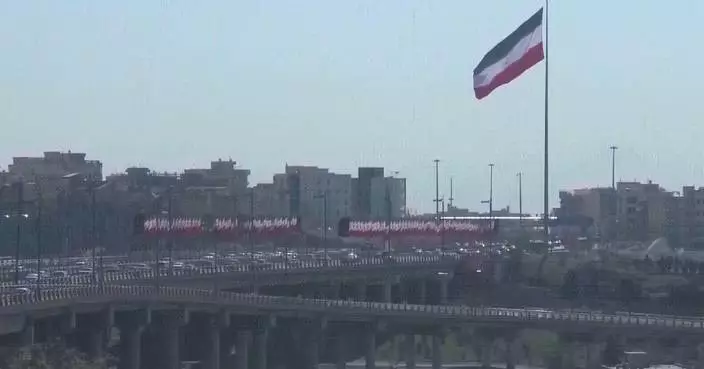
Tehran's streets remained generally calm as of Sunday after the U.S. attacked Iran's three nuclear facilities hours earlier.
An Iranian official ensured that the reserves of basic commodities is sufficient, urging the public to avoid panic buying.
Iranian Foreign Minister Seyed Abbas Araghchi said that the U.S. strikes on Iranian nuclear facilities were "outrageous" and "will have everlasting consequences."
Tehran "reserves all options" to retaliate, said the minister.
The Iranian state media reported that there were "no signs of contamination" at the nuclear sites at Esfahan, Fordo and Natanz after U.S. airstrikes, quoting a statement from the country's National Nuclear Safety System Center.
"There is no danger to the residents living around the aforementioned sites," the statement said.
Following the U.S. attack, Iran launched a large-scale missile strike against strategic targets in Israel.
Iranian analysts believe that the U.S. president's initial diplomatic and negotiation strategies were deceptive from the outset, with their true intent always being to provoke confrontation.

Tehran’s streets remain calm following US strikes on three nuclear facilities
Germany's fragile economic recovery is at risk amid the surging energy costs linked to the ongoing Middle East conflict, which will potentially trigger another recession, said Marcel Fratzscher, president of the German Institute for Economic Research (DIW).
Fratzscher made the comments in a recent interview with the China Media Group (CMG) following the release of the institute's spring 2026 growth forecast for Germany.
"We are cautiously optimistic of the German economy this year. We see a clear recovery in growth, with 1.0 percent of growth expected this year and 1.4 percent next year. For Germany, these are respectable growth figures. But our great concern is the ongoing U.S.-Israeli military strikes against Iran, which could hit German industry hard through higher energy costs and rising inflation. In an extreme scenario, if the war escalates further, this could mean another recession for Germany's economy," he warned.
Fratzscher identified U.S. tariff policies and geopolitical tensions as key uncertainties for German growth, stressing that for Germany and Europe, the fate of the Strait of Hormuz matters more than the duration of the conflict.
"For the economic impact on Germany and Europe, how long the war lasts is less important than what happens with the Strait of Hormuz. Will it be reopened and remain permanently open for oil and gas exports? If that succeeds, we assume prices could fall relatively quickly, meaning we won't continue to see the high prices for oil and gas that we have now. That would be a significant relief for the European economy and also for Germany," he said.
The ongoing tensions in the Middle East have already pushed up fuel prices in Germany. As Europe's largest economy, Germany's manufacturing sector relies heavily on stable energy supplies. Persistent high energy costs risk slowing business investment and consumer spending, potentially undermining Germany's fragile economic recovery.
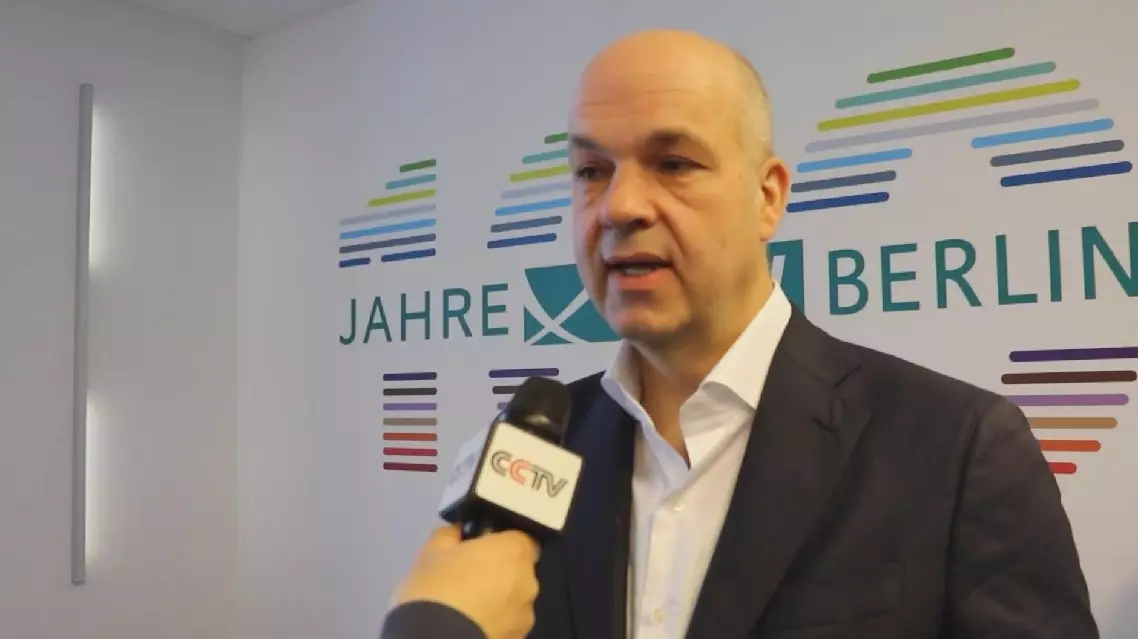
Germany's fragile economic recovery at risk amid Middle East tensions: senior economist
Germany's fragile economic recovery at risk amid Middle East tensions: senior economist
Germany's fragile economic recovery at risk amid Middle East tensions: senior economist