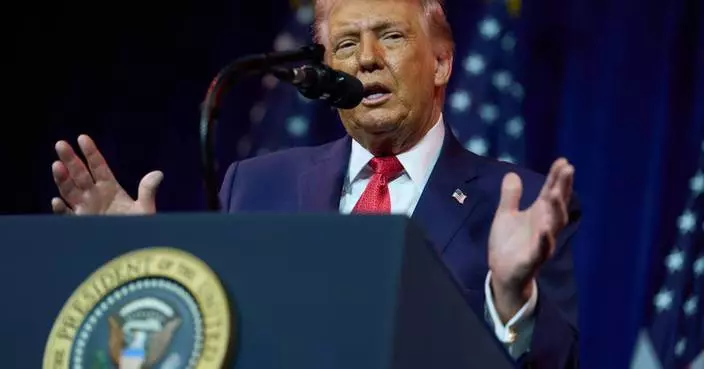
DUBAI, United Arab Emirates (AP) — As President Donald Trump floats the idea of “regime change” in Tehran, previous U.S. attempts to remake the Middle East by force over the decades offer stark warnings about the possibility of a deepening involvement in the Iran-Israeli conflict.
“If the current Iranian Regime is unable to MAKE IRAN GREAT AGAIN, why wouldn’t there be a Regime change???” Trump posted on his social media site over the weekend. The came after the U.S. bombed Iran's nuclear sites but before that country retaliated by firing its own missiles at a U.S. base in Qatar.
Click to Gallery
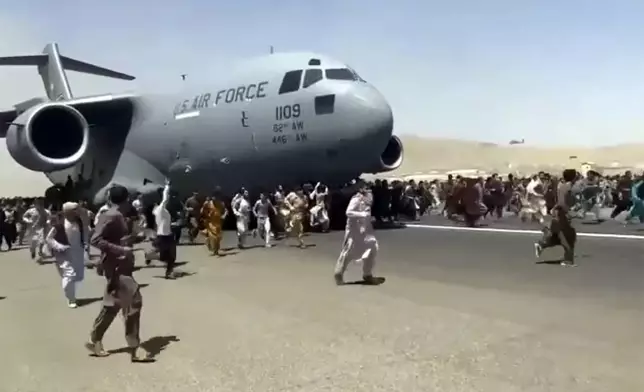
FILE - Hundreds of people desperate to escape Afghanistan run alongside a U.S. Air Force plane as it moves down a runway of the international airport in Kabul, Monday, Aug.16. 2021. (AP Photo, File)
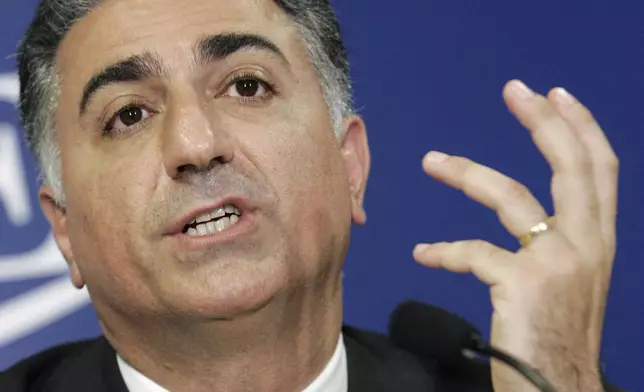
FILE - Reza Pahlavi, the son of Iran's toppled Shah Mohammad Reza Pahlavi, holds a news conference in Paris on June 7, 2006. (AP Photo/Jacques Brinon, File)
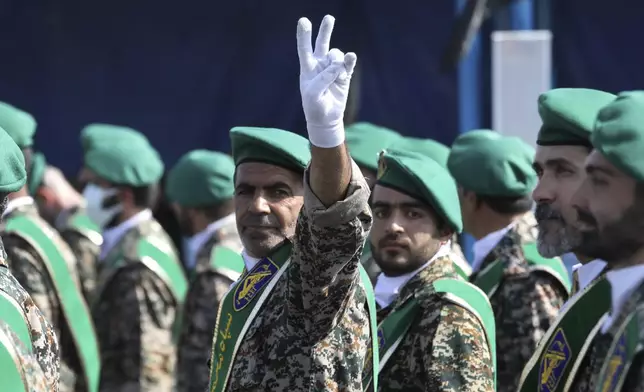
FILE - A member of Iran's Basij paramilitary force flashes a victory sign during a military parade outside of Tehran, Iran, on Sept. 22, 2022. (AP Photo/Vahid Salemi, File)
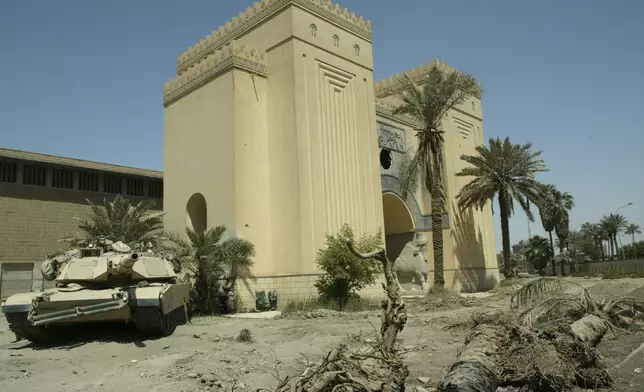
FILE - A U.S. Army tank is parked outside the Iraqi National Museum in Baghdad on May 6, 2003. (AP Photo/Murad Sezer, File)
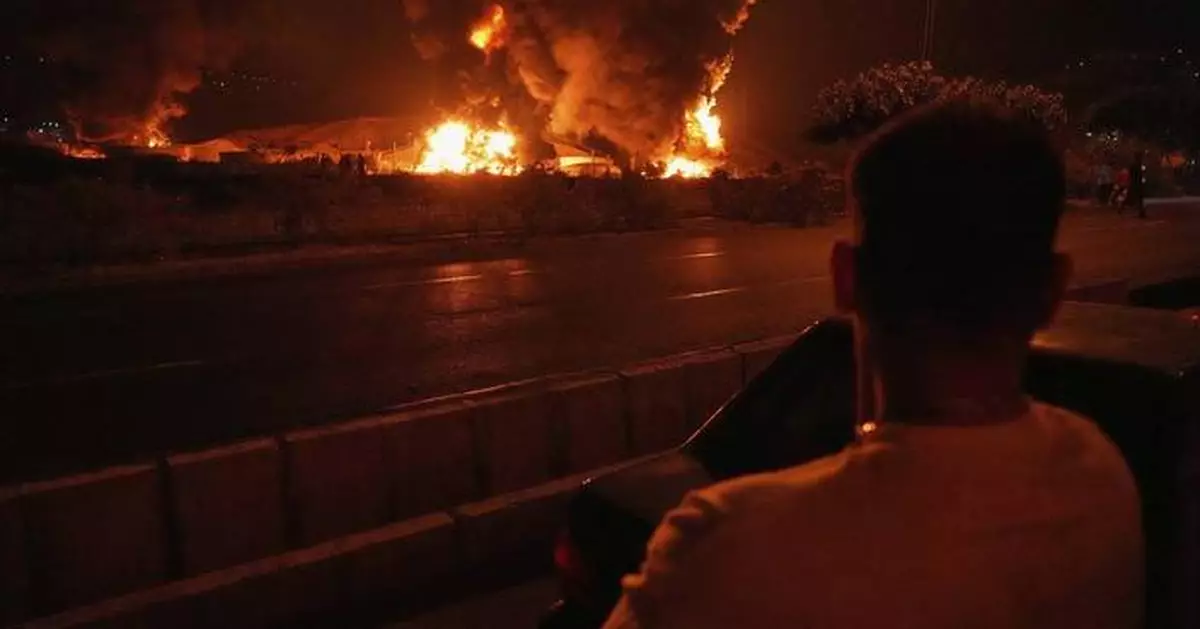
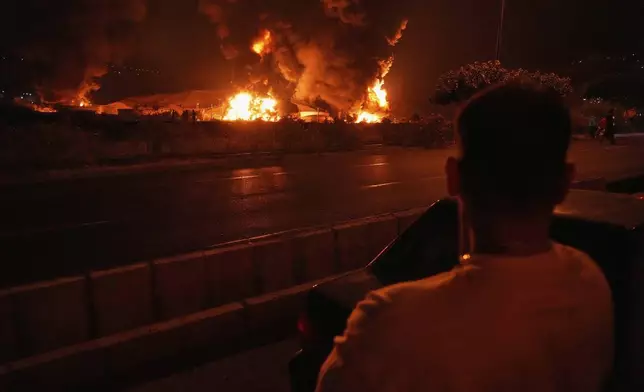
A man looks at flames rising from an oil storage facility after it appeared to have been struck by an Israeli strike in Tehran, Iran, early Sunday, June 15, 2025. (AP Photo/Vahid Salemi)
White House press secretary Karoline Leavitt on Monday insisted that Trump, who spent years railing against “forever wars” and pushing an “America first” world view, had not committed a political about-face.
“The president’s posture and our military posture has not changed,” she said, suggesting that a more aggressive approach might be necessary if Iran ”refuses to give up their nuclear program or engage in talks."
Leavitt also suggested that a new government in Iran could come about after its people stage a revolt — not necessarily requiring direct U.S. intervention.
“If they refuse to engage in diplomacy moving forward, why shouldn’t the Iranian people rise up,” she asked.
That's a perilous path that other U.S. administrations have taken. And it's a long way from Trump's past dismissal of " stupid, endless wars," and his scoffing at the idea of nation-building championed by his Republican predecessors — including in Afghanistan and Iraq, where the U.S. helped overthrow governments.
Some lessons learned from previous conflicts:
U.S. special forces and Afghan allies drove the Taliban from power and chased Osama bin Laden into Pakistan within months of the Sept. 11, 2001, attacks. American tanks rolled into Baghdad weeks after the 2003 invasion that toppled Saddam Hussein in Iraq.
But then, both wars went on for years.
The Taliban waged a tenacious, two-decade insurgency and swept back into power as the U.S. beat a chaotic retreat in 2021. The overthrow of Saddam plunged Iraq into chaos, with Sunni insurgents and Shiite militias battling each other and U.S. forces.
Israel has so far largely succeeded in taking out Iran's air defenses and ballistic missiles and the U.S. strikes on three sites with missiles and 30,000-pound (13,600-kilogram) bunker-buster bombs has wrecked its nuclear program, Trump says. But that still potentially leaves hundreds of thousands in the military, the Revolutionary Guard and forces known as the Basij, who played a key role in quashing waves of anti-government protests in recent years.
Airstrikes have never been enough on their own.
Take, for example, Libyan dictator Moammar Gadhafi. His forces withstood a seven-month NATO air campaign in 2011 before rebels fighting city by city eventually cornered and killed him.
There are currently no insurgent groups in Iran capable of taking on the Revolutionary Guard, and it's hard to imagine Israeli or U.S. forces launching a ground invasion of a mountainous country of some 80 million people that is about four times as big as Iraq.
A split in Iran's own security forces would furnish a ready-made insurgency, but it would also likely tip the country into civil war.
There's also the question of how ordinary Iranians would respond.
Protests in recent years show that many Iranians believe their government is corrupt and repressive, and would welcome its demise. But the last time a foreign power attacked Iran — the Iraqi invasion of 1980 — people rallied around the flag.
At the moment, many appear to be lying low or leaving the capital.
Some of the biggest cheerleaders for the U.S. invasion of Iraq were exiled opposition figures, many of whom had left the country decades before. When they returned, essentially on the back of U.S. tanks, they were marginalized by local armed groups more loyal to Iran.
There are several large Iranian opposition groups based abroad. But they are not united and it's unclear how much support any of them has inside the country.
The closest thing to a unifying opposition figure is Reza Pahlavi, the son of the shah who was overthrown in the 1979 Islamic Revolution that brought the theocracy to power. But many Iranians have bitter memories of repression under the shah, and others might reject Pahlavi over his outreach to Israel, especially if he tries to ride to power on the back of a foreign invasion.
In Afghanistan, Iraq and Libya — and in Syria and Yemen after their 2011 uprisings — a familiar pattern emerged when governments were overthrown or seriously weakened.
Armed groups emerged with competing agendas. Neighboring countries backed local proxies. Weapons flowed in and large numbers of civilians fled. The fighting in some places boiled over into full-blown civil war, and ever more violent extremist groups sprouted from the chaos.
When it was all over, Saddam had been replaced by a corrupt and often dysfunctional government at least as friendly to Iran as it was to the United States. Gadhafi was replaced by myriad militias, many allied with foreign powers. The Taliban were replaced by the Taliban.
Weissert reported from Washington.
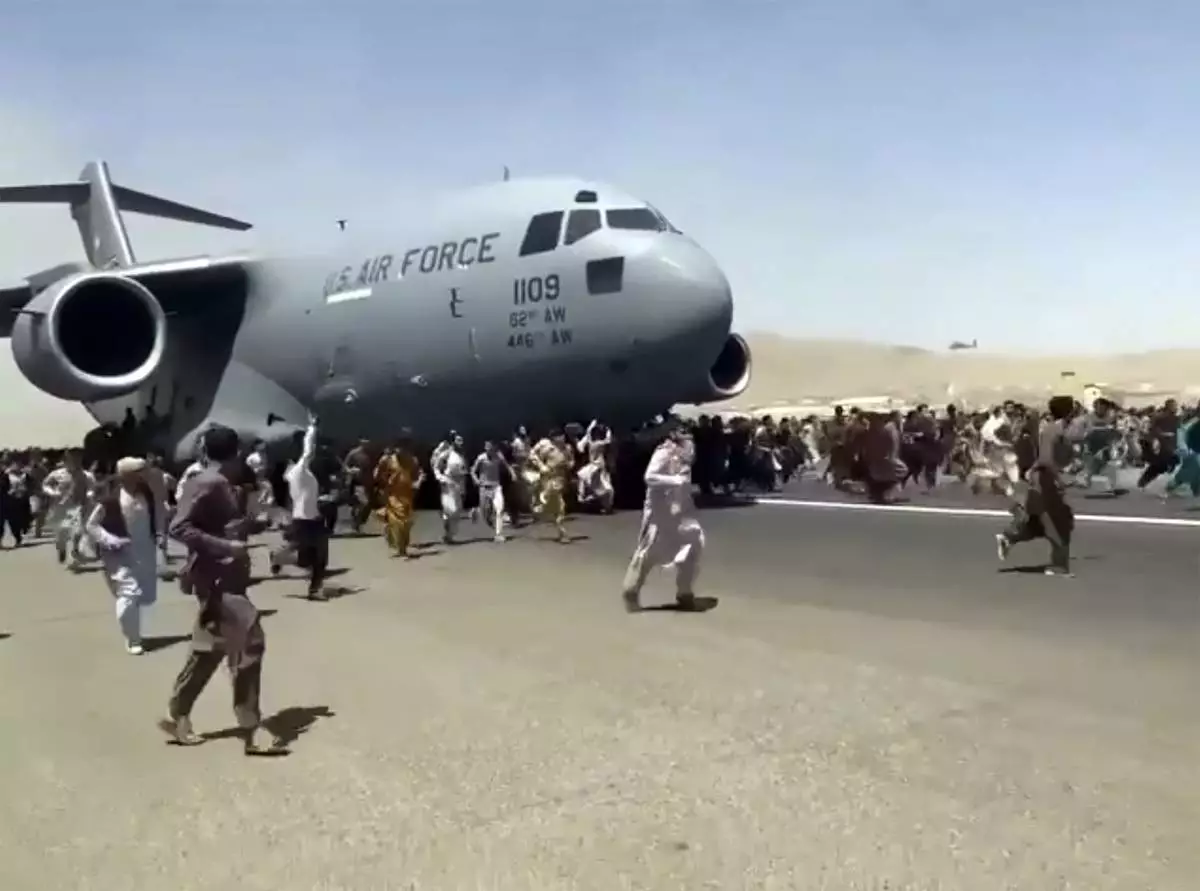
FILE - Hundreds of people desperate to escape Afghanistan run alongside a U.S. Air Force plane as it moves down a runway of the international airport in Kabul, Monday, Aug.16. 2021. (AP Photo, File)
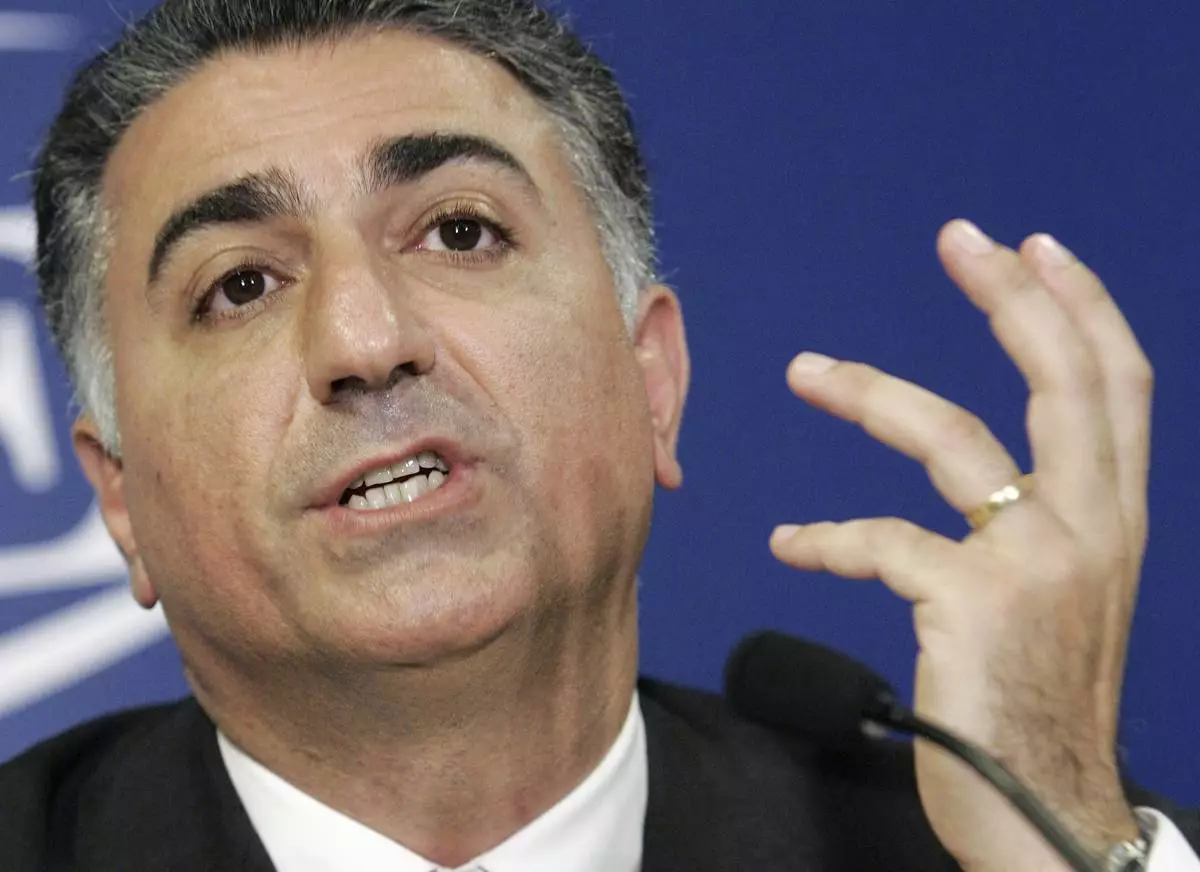
FILE - Reza Pahlavi, the son of Iran's toppled Shah Mohammad Reza Pahlavi, holds a news conference in Paris on June 7, 2006. (AP Photo/Jacques Brinon, File)
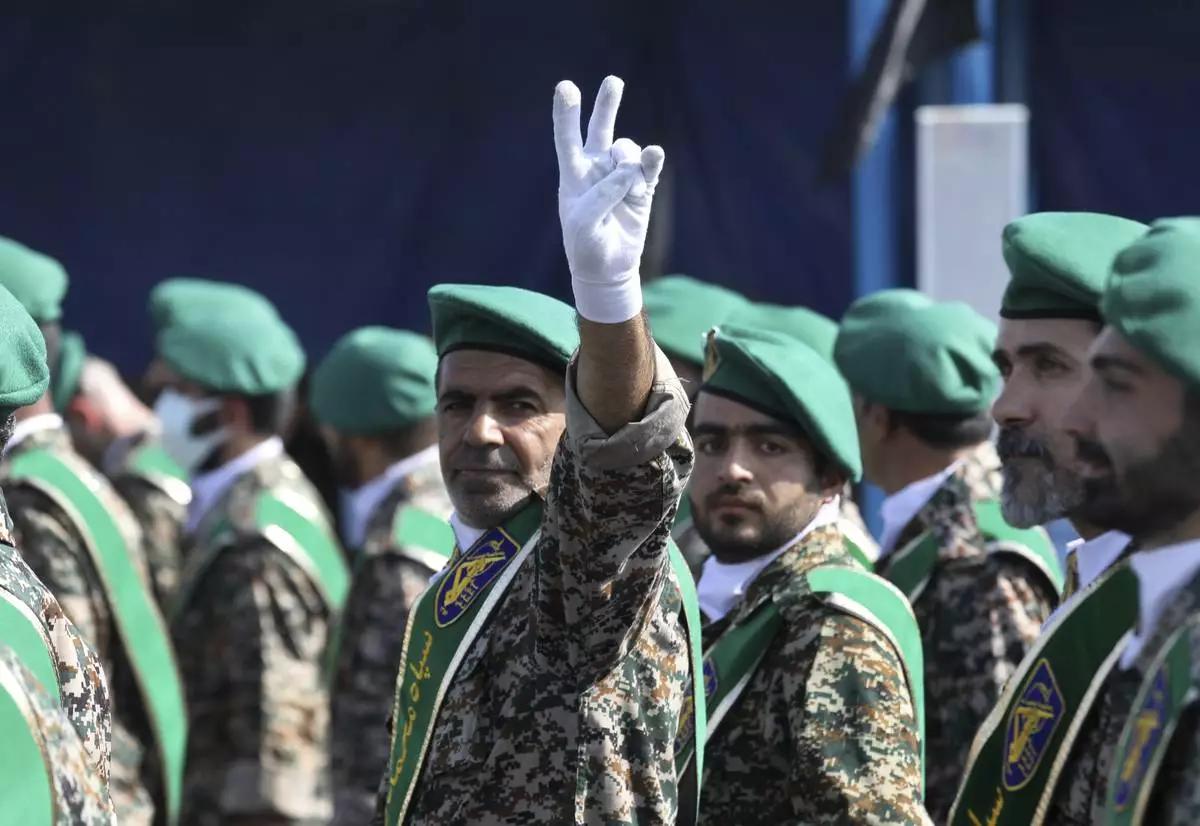
FILE - A member of Iran's Basij paramilitary force flashes a victory sign during a military parade outside of Tehran, Iran, on Sept. 22, 2022. (AP Photo/Vahid Salemi, File)
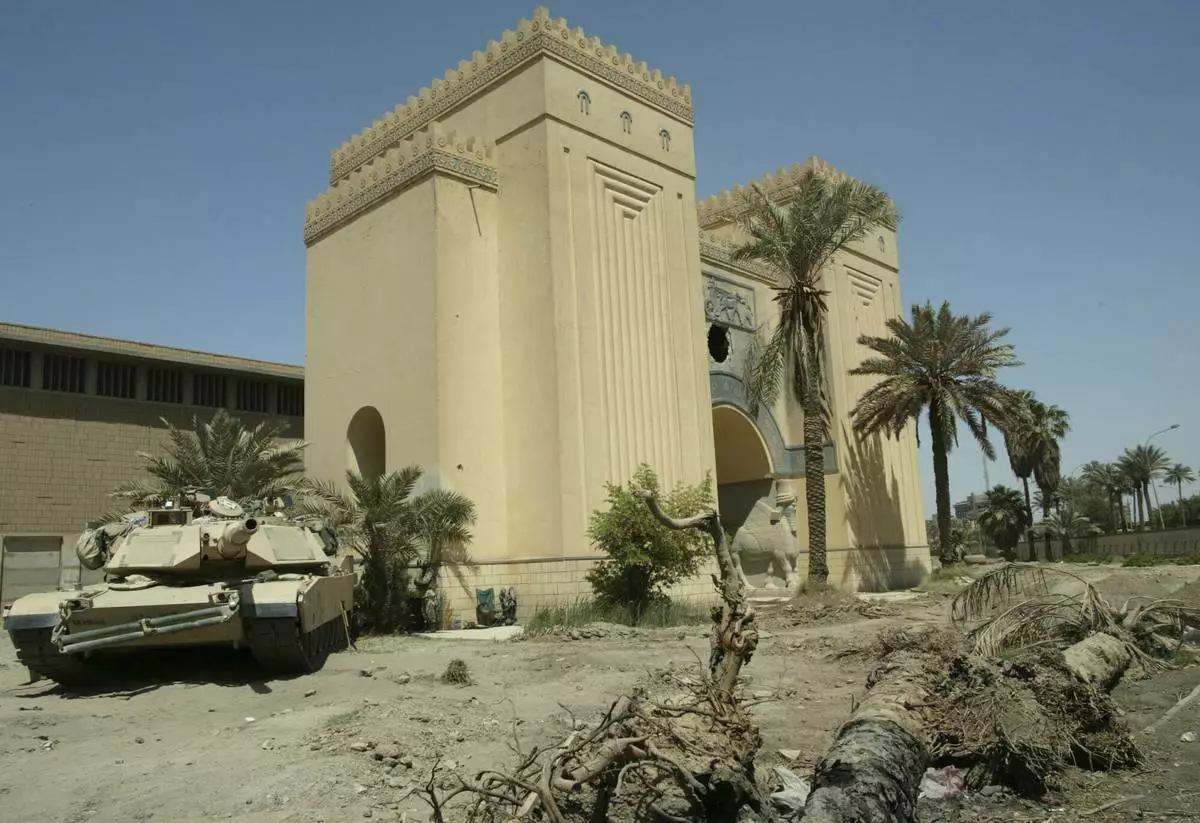
FILE - A U.S. Army tank is parked outside the Iraqi National Museum in Baghdad on May 6, 2003. (AP Photo/Murad Sezer, File)
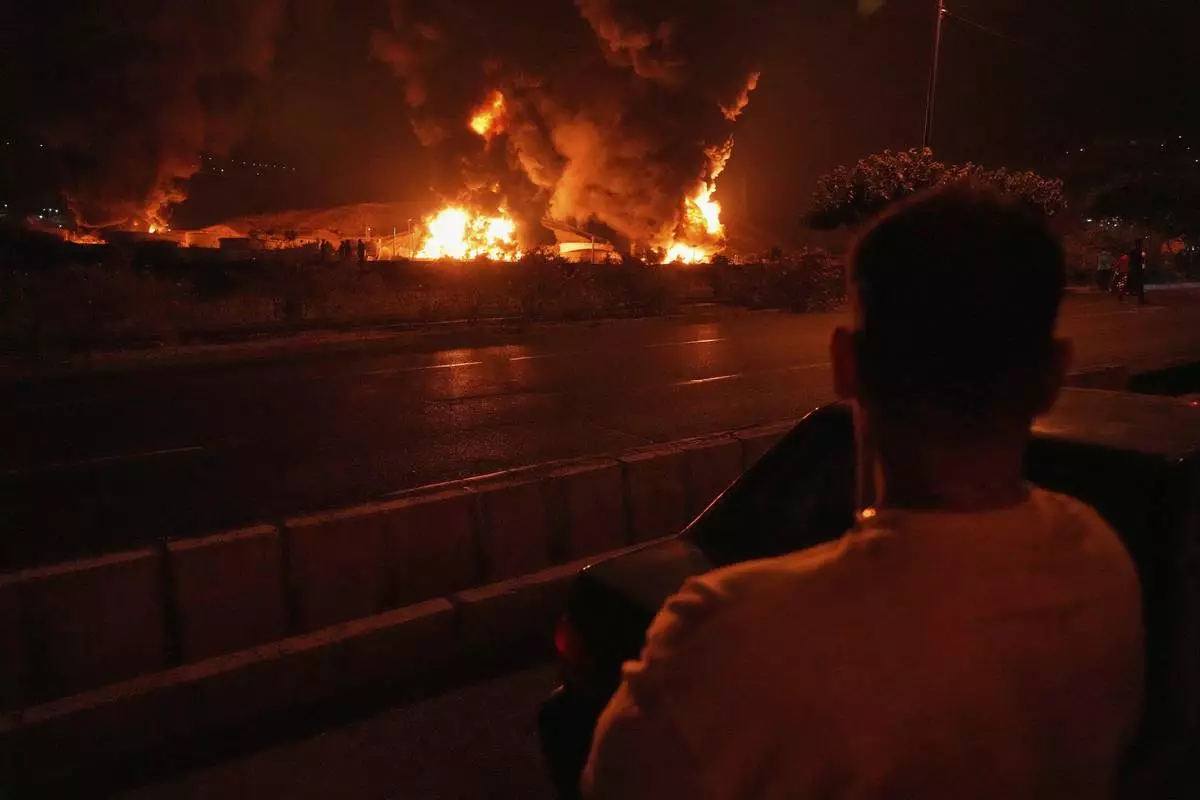
A man looks at flames rising from an oil storage facility after it appeared to have been struck by an Israeli strike in Tehran, Iran, early Sunday, June 15, 2025. (AP Photo/Vahid Salemi)
WASHINGTON (AP) — President Donald Trump's administration on Wednesday sought to assert its control over Venezuelan oil, seizing a pair of sanctioned tankers transporting petroleum and announcing plans to relax some sanctions so the U.S. can oversee the sale of Venezuela’s petroleum worldwide.
Trump's administration intends to control the distribution of Venezuela’s oil products globally following its ouster of President Nicolás Maduro in a surprise nighttime raid. Besides the United States enforcing an existing oil embargo, the Energy Department says the “only oil transported in and out of Venezuela” will be through approved channels consistent with U.S. law and national security interests.
That level of control over the world’s largest proven reserves of crude oil could give the Trump administration a broader hold on oil supplies globally in ways that could enable it to influence prices. Both moves reflect the Republican administration’s determination to make good on its effort to control the next steps in Venezuela through its vast oil resources after Trump pledged the U.S. will “run” the country.
Vice President JD Vance said in an interview the U.S. can “control” Venezuela’s “purse strings” by dictating where its oil can be sold.
“We control the energy resources, and we tell the regime, you’re allowed to sell the oil so long as you serve America’s national interest,” Vance said in an interview to air on Fox News Channel’s “Jesse Watters Primetime.”
The vice president added, “And that’s how we exert incredible pressure on that country without wasting a single American life."
Secretary of State Marco Rubio suggested that the oil taken from the sanctioned vessels seized in the North Atlantic and the Caribbean Sea would be sold as part of the deal announced by Trump on Tuesday under which Venezuela would provide up to 50 million barrels of oil to the U.S.
Venezuela’s interim authorities “want that oil that was seized to be part of this deal,” Rubio told reporters after briefing lawmakers Wednesday about the Maduro operation. “They understand that the only way they can move oil and generate revenue and not have economic collapse is if they cooperate and work with the United States.”
U.S. European Command said on social media that the merchant vessel Bella 1 was seized in the North Atlantic for “violations of U.S. sanctions." The U.S. had been pursuing the tanker since last month after it tried to evade a blockade on sanctioned oil vessels around Venezuela.
Homeland Security Secretary Kristi Noem revealed U.S. forces also took control of the M Sophia in the Caribbean Sea. Noem said on social media that both ships were “either last docked in Venezuela or en route to it."
The two ships join at least two others that were taken by U.S. forces last month — the Skipper and the Centuries.
The Bella 1 had been cruising across the Atlantic nearing the Caribbean on Dec. 15 when it abruptly turned and headed north, toward Europe. The change in direction came days after the first U.S. tanker seizure of a ship on Dec. 10 after it had left Venezuela carrying oil.
When the U.S. Coast Guard tried to board the Bella 1, it fled. U.S. European Command said a Coast Guard vessel had tracked the ship “pursuant to a warrant issued by a U.S. federal court."
As the U.S. pursued it, the Bella 1 was renamed Marinera and flagged to Russia, shipping databases show. A U.S. official, who spoke on the condition of anonymity to discuss sensitive military operations, said the ship’s crew had painted a Russian flag on the side of the hull.
The Russian Foreign Ministry said it had information about Russian nationals among the Marinera's crew and, in a statement carried by Russia’s state news agencies Tass and RIA Novosti, demanded that "the American side ensure humane and dignified treatment of them, strictly respect their rights and interests, and not hinder their speedy return to their homeland.”
Separately, a senior Russian lawmaker, Andrei Klishas, decried the U.S. action as “blatant piracy.”
The Justice Department is investigating crew members of the Bella 1 vessel for failing to obey Coast Guard orders and “criminal charges will be pursued against all culpable actors,” Attorney General Pam Bondi said.
“The Department of Justice is monitoring several other vessels for similar enforcement action — anyone on any vessel who fails to obey instructions of the Coast Guard or other federal officials will be investigated and prosecuted to the fullest extent of the law,” Bondi said on X.
The ship had been sanctioned by the U.S. in 2024 on allegations of smuggling cargo for a company linked to Lebanese militant group Hezbollah, which is backed by Iran.
The Trump administration, meanwhile, is “selectively” removing sanctions to enable the shipping and sale of Venezuelan oil to markets worldwide, according to an outline of the policies published Wednesday by the Energy Department.
The sales are slated to begin immediately with 30 million to 50 million barrels of oil. The U.S. government said the sales “will continue indefinitely,” with the proceeds settling in U.S.-controlled accounts at “globally recognized banks.” The money would be disbursed to the U.S. and Venezuelan populations at the “discretion” of Trump’s government.
Venezuelan state-owned oil company PDVSA said it is in negotiations with the U.S. government for the sale of crude oil.
“This process is developed under schemes similar to those in force with international companies, such as Chevron, and is based on a strictly commercial transaction, with criteria of legality, transparency and benefit for both parties,” the company said in the statement.
The U.S. plans to authorize the importation of oil field equipment, parts and services to increase Venezuela’s oil production, which has been roughly 1 million barrels a day.
The Trump administration has indicated it also will invest in the electricity grid to increase production and the quality of life for people in Venezuela, whose economy has been unraveling amid changes to foreign aid and cuts to state subsidies, making necessities, including food, unaffordable to millions.
Meanwhile, Trump abruptly changed his tone about Colombian President Gustavo Petro. Trump said Wednesday that they had exchanged a friendly phone call and he had invited the leader of the South American country to the White House. Trump had said earlier this week that “Colombia is very sick too” and accused Petro of ”making cocaine and selling it to the United States.”
Noem said both seized ships were part of a shadow fleet of rusting oil tankers that smuggle oil for countries facing sanctions, such as Venezuela, Russia and Iran.
After the seizure of the now-named Marinera, which open-source maritime tracking sites showed was between Scotland and Iceland earlier Wednesday, the U.K. defense ministry said Britain’s military provided support, including surveillance aircraft.
“This ship, with a nefarious history, is part of a Russian-Iranian axis of sanctions evasion which is fueling terrorism, conflict, and misery from the Middle East to Ukraine,” U.K. Defense Secretary John Healey said.
The capture of the M Sophia, on the U.S. sanctions list for moving illicit cargos of oil from Russia, in the Caribbean was much less prolonged.
The ship had been “running dark,” not having transmitted location data since July. Tankers involved in smuggling often turn off their transponders or broadcast inaccurate data to hide their locations.
Samir Madani, co-founder of TankerTrackers.com, said his organization used satellite imagery and surface-level photos to document that at least 16 tankers had left the Venezuelan coast since Saturday, after the U.S. captured Maduro.
The M Sophia was among them, Madani said, citing a recent photo showing it in the waters near Jose Terminal, Venezuela’s main oil export hub.
Windward, a maritime intelligence firm that tracks such vessels, said in a briefing to reporters the M Sophia loaded at the terminal on Dec. 26 and was carrying about 1.8 million barrels of crude oil — a cargo that would be worth about $108 million at current price of about $60 a barrel.
Lawless reported from London.
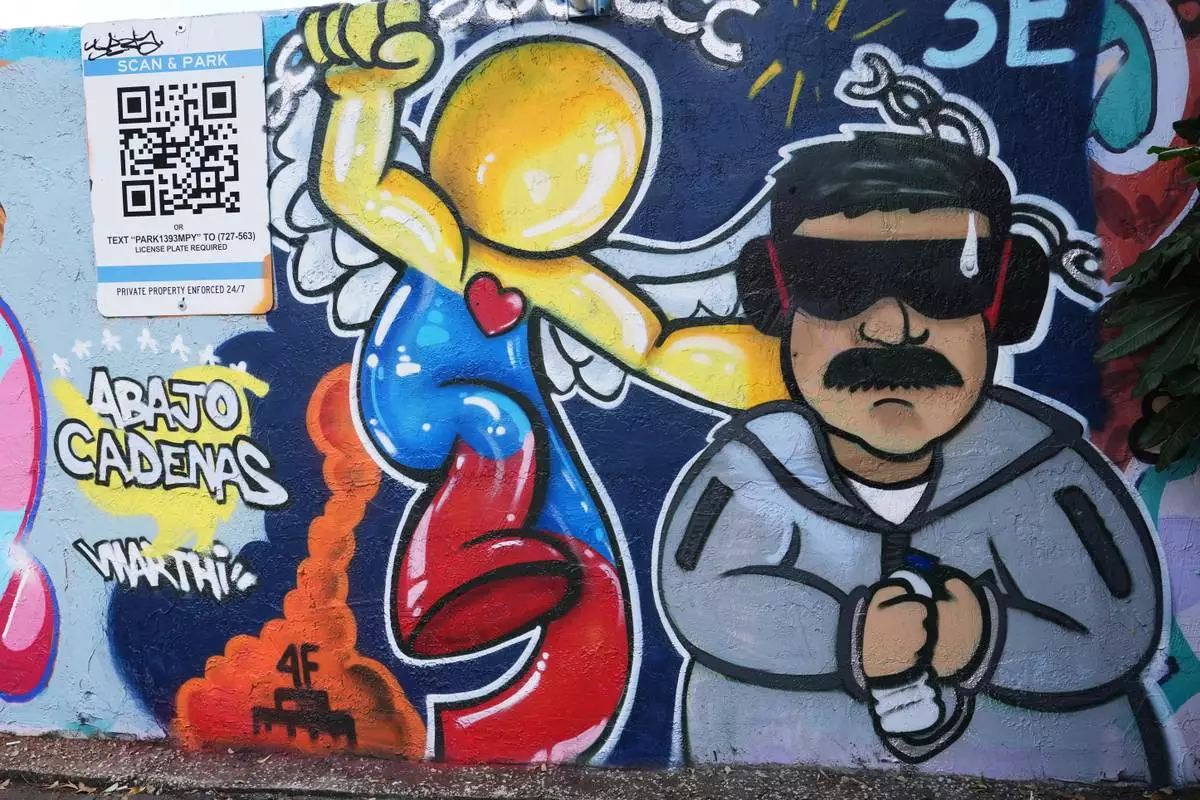
A newly painted mural by local Venezuelan graffiti artist Pedro Martin, know as Marthi, of deposed Venezuelan leader Nicolas Maduro after he was captured by the US, is displayed Wednesday, Jan. 7, 2026, in the Wynwood neighborhood of Miami. (AP Photo/Lynne Sladky)
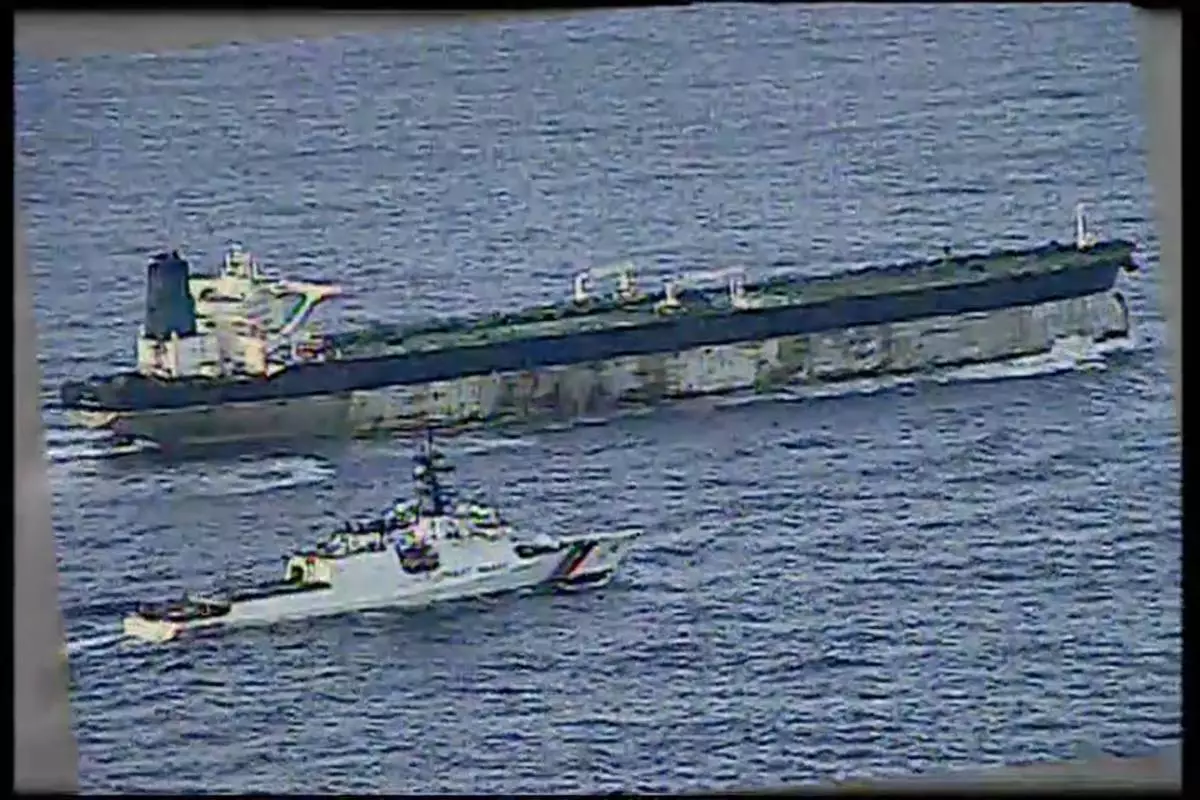
This image from video provided by the U.S. Department of Defense, shows the U.S. Coast Guard cutter Munro shadowing the MV Bella 1 in the North Atlantic Ocean during the maritime interdiction operation Wednesday, Jan. 7, 2026. (Department of Defense via AP)
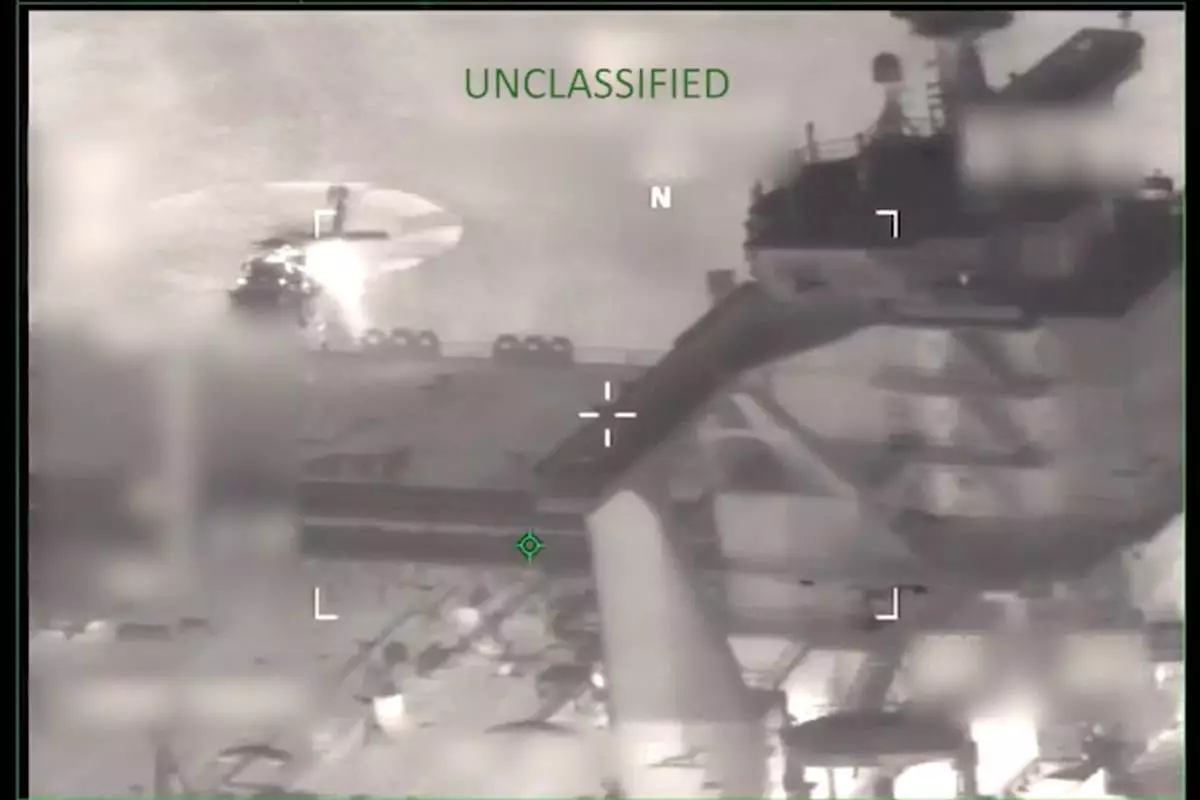
This image from video provided by the U.S. Department of Defense, shows U.S. forces boarding the M/T Sophia in the Caribbean Sea early Wednesday, Jan. 7, 2026. (Department of Defense via AP)
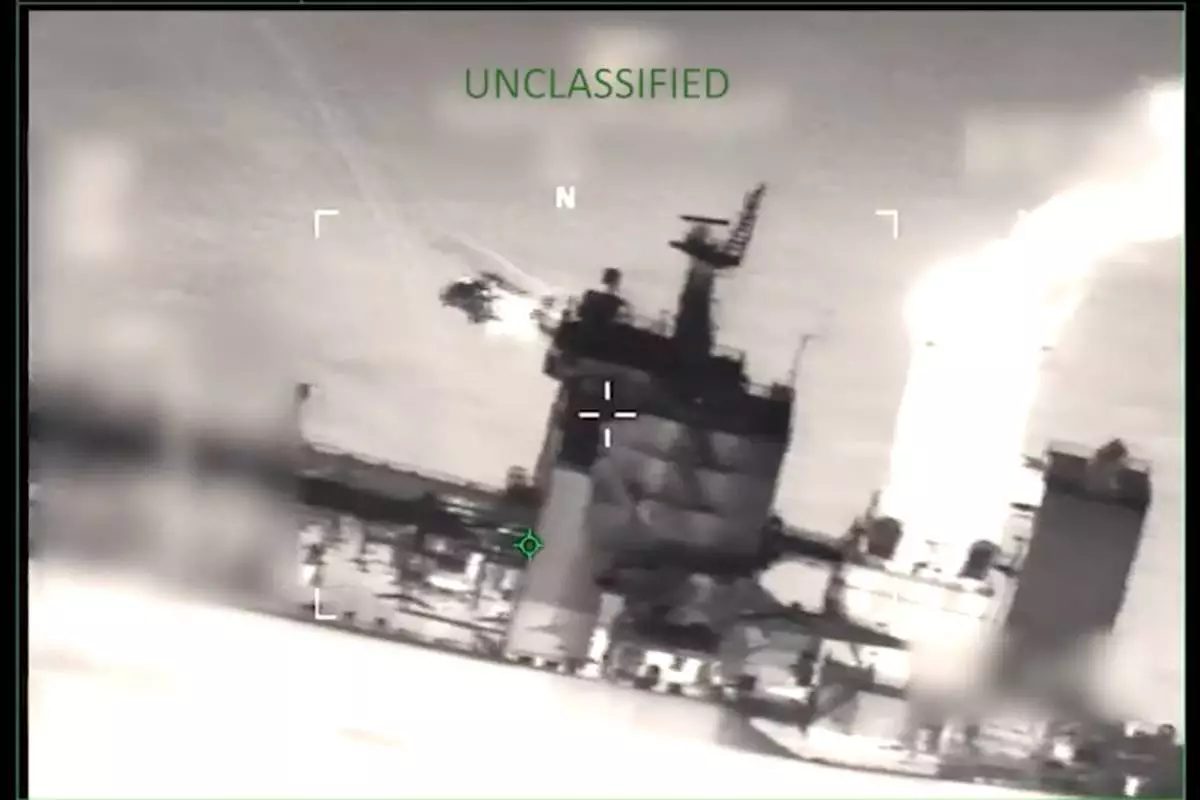
This image from video provided by the U.S. Department of Defense, shows U.S. forces boarding the M/T Sophia in the Caribbean Sea early Wednesday, Jan. 7, 2026. (Department of Defense via AP)
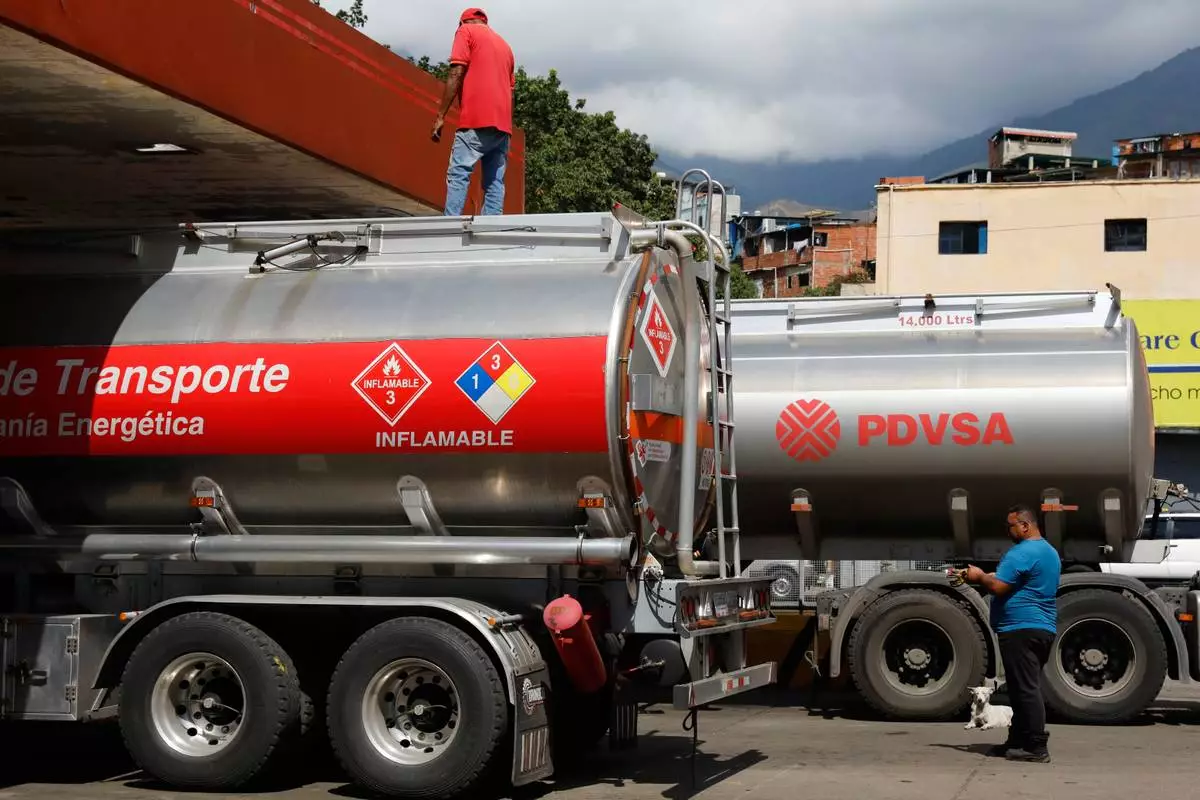
Fuel tanker trucks unload fuel at a gas station in Caracas, Venezuela, Wednesday, Jan. 7, 2026. (AP Photo/Cristian Hernandez)
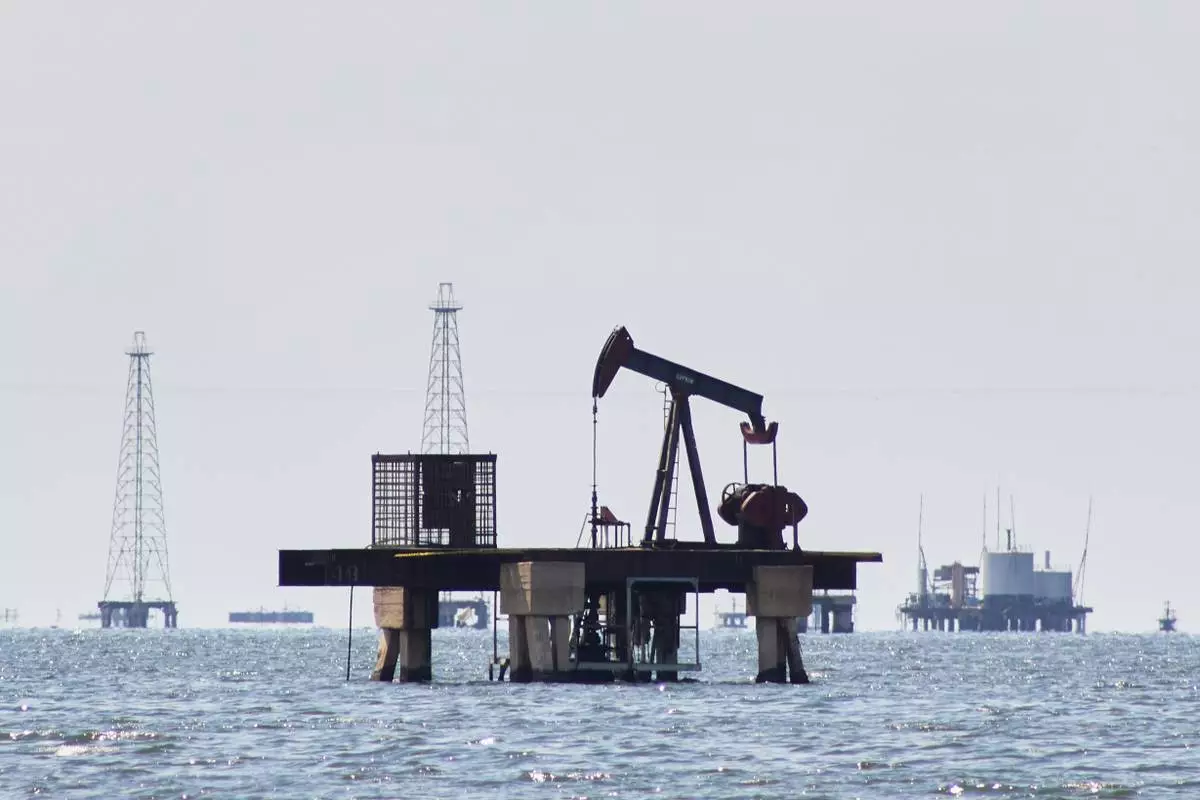
An oil pump jack stands unused in Cabimas, Venezuela, Wednesday, Jan. 7, 2026. (AP Photo/Edgar Frias)

A local walks past a mural featuring oil pumps and wells in Caracas, Venezuela, Tuesday, Jan. 6, 2026. (AP Photo/Matias Delacroix)

A government supporter holds an image of President Nicolas Maduro during a women's march to demand his return in Caracas, Venezuela, Tuesday, Jan. 6, 2026, three days after U.S. forces captured him and his wife. (AP Photo/Matias Delacroix)