It is the United States that started the Iranian nuclear crisis, said Fu Cong, China's permanent representative to the United Nations, at a UN Security Council open meeting on the Iran Nuclear issue on Tuesday.
In response to accusations against Iran at the meeting, Fu said China condemns Israel and the U.S. for striking Iranian nuclear facilities and pointed out that the United States, who started the Iranian nuclear crisis, undermined the very negotiation process it initiated and reduced the issue into yet another impasse, resulting in an abrupt escalation of the regional situation.
Israel and the United States, on the grounds of "possible future threats," resorted to the use of force against Iran, in serious violation of international law and Iran's sovereignty. Striking Iranian nuclear facilities that are placed under the IAEA safeguards sets a bad precedent, which threatens the international non-proliferation regime. China, once again, unequivocally condemns this, said Fu.
The aforementioned acts have also undermined diplomatic efforts to resolve the Iranian nuclear issue and created a high degree of uncertainty about the implementation of Security Council Resolution 2231. China is gravely concerned, he said.
"We have noted that some members of the Security Council have done nothing but accuse Iran of violating its non-proliferation obligations, in an attempt to justify the military actions of Israel and the United States. Here, China wishes to remind those countries of the following basic facts: it is none other than the United States that started the Iranian nuclear crisis. The United States unilaterally withdrew from the Iran nuclear deal in 2018. Thereafter, it reinstated and escalated unilateral sanctions against Iran and adopted measures of maximum pressure, which prevented Iran from enjoying the economic dividends conferred by the agreement and forced Tehran to scale back its commitments under the agreement. It is again the United States, at the expense of its own credibility, launched military strikes on Iranian nuclear facilities, undermining the negotiation process it initiated, leading the Iranian nuclear issue to yet another impasse, and resulting in an abrupt escalation of the regional situation," said Fu. Iran's sincerity in resolving the nuclear crisis should be valued, said Fu. Up till today, Iran continues to fulfill its nuclear non-proliferation obligations and implement the comprehensive safeguards agreement. Iran has repeatedly stressed that it does not seek to develop nuclear weapons, and has conducted several rounds of professional and pragmatic negotiations with the U.S in a constructive manner and never abandoned its diplomatic efforts. However, some countries, citing the report of the director general of the International Atomic Energy Agency (IAEA) in a one-sided manner and ignoring the positive aspects of Iran's cooperation with the agency, pushed for the adoption of a resolution by the IAEA Board of Governors without adequate consultations. That jeopardized the atmosphere of dialog while intensifying tension and confrontation. Those countries should reflect hard on the adverse consequences of their irresponsible move, Fu said.
The core target and principle of the JCPOA and the UNSC 2231 Resolution remain valid in the current political process to resolve the Iran nuclear issue, Fu pointed out, saying it's necessary to adhered to the orientation of political and diplomatic settlement, and oppose resort to the use of force and illegal unilateral sanctions.
"We believe that diplomatic means to settle the Iranian nuclear issue have not been exhausted, and there is still hope for a peaceful resolution. All parties should draw lessons, resume dialog on the basis of equality, and push the Iranian nuclear issue back to the path of political settlement. Facts have proven that the use of force is not the right way to settle international disputes and cannot resolve the Iranian nuclear issue. The international community must make efforts to cool the regional tension and promote dialogs and negotiations," said Fu.
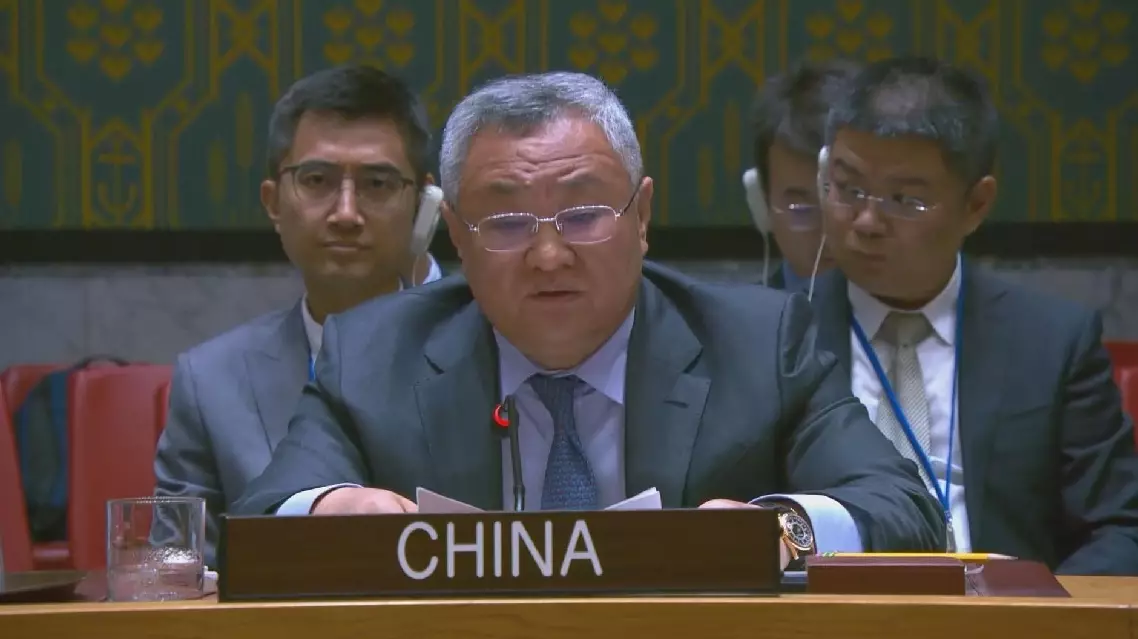
It's US that has started Iranian nuclear crisis: Chinese envoy
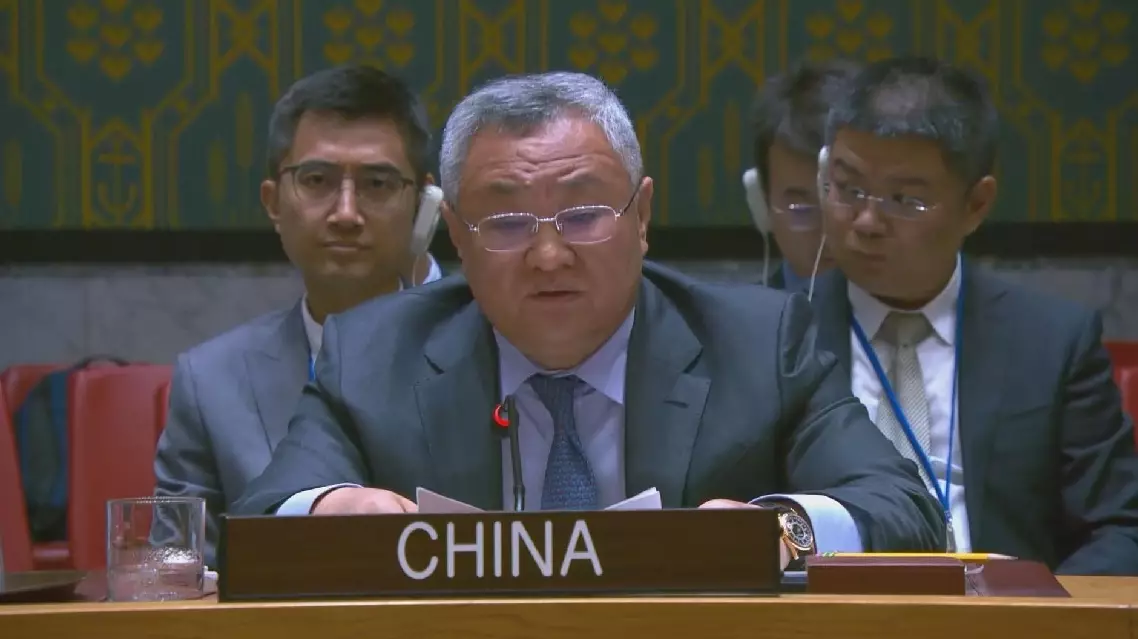
It's US that has started Iranian nuclear crisis: Chinese envoy