The 2025 China-Europe Human Rights Seminar was held in Madrid, Spain, on Wednesday, focusing on the impact of evolving digital technologies and artificial intelligence (AI) on human rights.
Under the theme "Human Rights in the Context of the Digital-Intelligent Era," experts, scholars, government officials, industry representatives and other stakeholders from the human rights fields of China and European countries engaged in in-depth discussions, culminating in the adoption of a consensus document.
The document states that continuously evolving, networked and intelligent digital technologies are driving a new round of scientific and technological revolution and industrial transformation. These advancements have "profoundly changed human modes of production, lifestyles, and ways of thinking and have endowed human rights with new connotations and practical significance in the new era."
The document also acknowledges the growing digital divide and the deficit in global digital governance. Issues such as unbalanced development, incomplete regulations, and irrational order are becoming "increasingly prominent." As such, it emphasizes the importance of preventing the emergence of the "Digital Leviathan" - the overwhelming power and influence of digital technologies - while ensuring that human rights are respected and protected.
The document puts forward six consensus points, including ensuring technologies safeguard the common well-being of mankind, ensuring a secure and trustworthy digital-intelligent rights environment, promoting global sharing of digital-intelligent rights with openness and universal access to digital-intelligent rights and interests through development, ensuring non-discrimination and timely rights relief with transparency, and building a community with a shared future in cyberspace through cooperation.
Lu Guangjin, vice president of the China Society for Human Rights Studies, said in a video address that the seminar is a significant event in China and Europe human rights exchanges, playing a positive role in advancing human rights theories and fostering dialogue among civilizations.
Marta Montoro, vice president and director general of the Catedra China Foundation in Spain, emphasized the importance of protecting the rights of vulnerable groups in the digital age. She noted that the digital revolution demands an even greater commitment to humanism and that progress must not leave behind children, women, the elderly, or those in the Global South.
She advocated a multipolar world where all civilizations, cultures and people have a voice and stressed that human rights should be strengthened, expanded and adapted instead of weakened in an era of AI, robotization and automation.
Laura Suero Moreno, junior advisor at the Catedra China Foundation, underscored the urgent need to integrate regulation and ethics into the development of AI, as these technologies have a profound and growing impact on all aspects of society.
Without a proper ethical and legal framework, she warned, society risks unintended consequences such as human rights violations, algorithmic discrimination and the erosion of privacy. Moreno emphasized the seminar's role in promoting interdisciplinary dialogue and encouraging responsible, human-aligned technology development.
The seminar was co-hosted by the China Society for Human Rights Studies and the Catedra China Foundation.
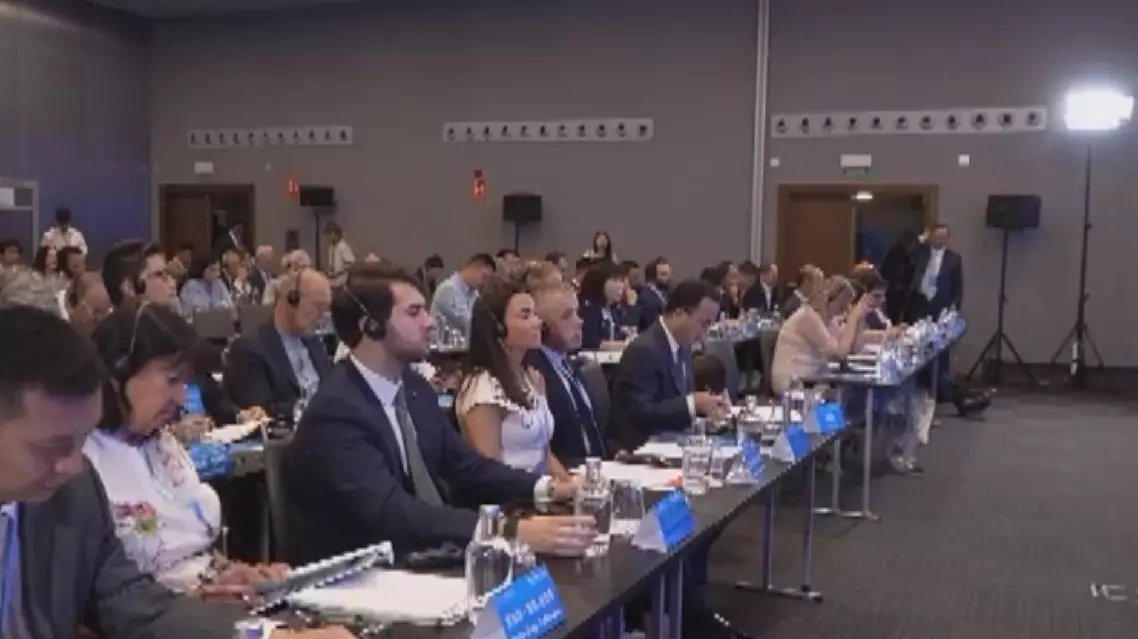
China-Europe seminar highlights human rights protection in digital-intelligent era
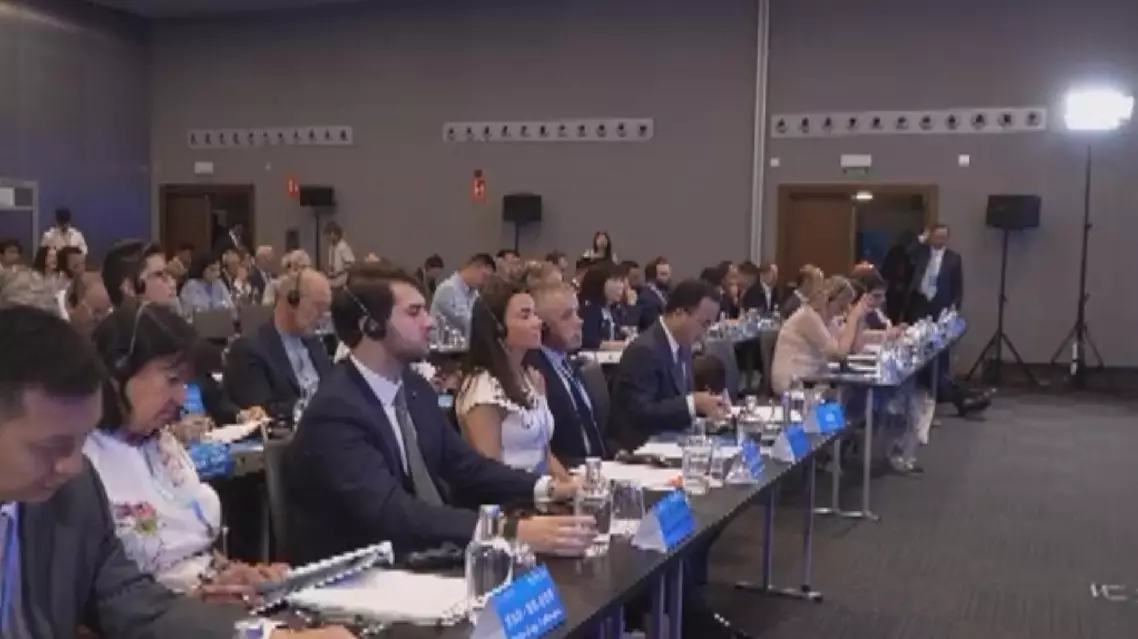
China-Europe seminar highlights human rights protection in digital-intelligent era