Skip to Content Facebook Feature Image

Rare snow leopards caught on camera in northwest China

China

China

China

Rare snow leopards caught on camera in northwest China

2025-07-01 19:59 Last Updated At:21:27

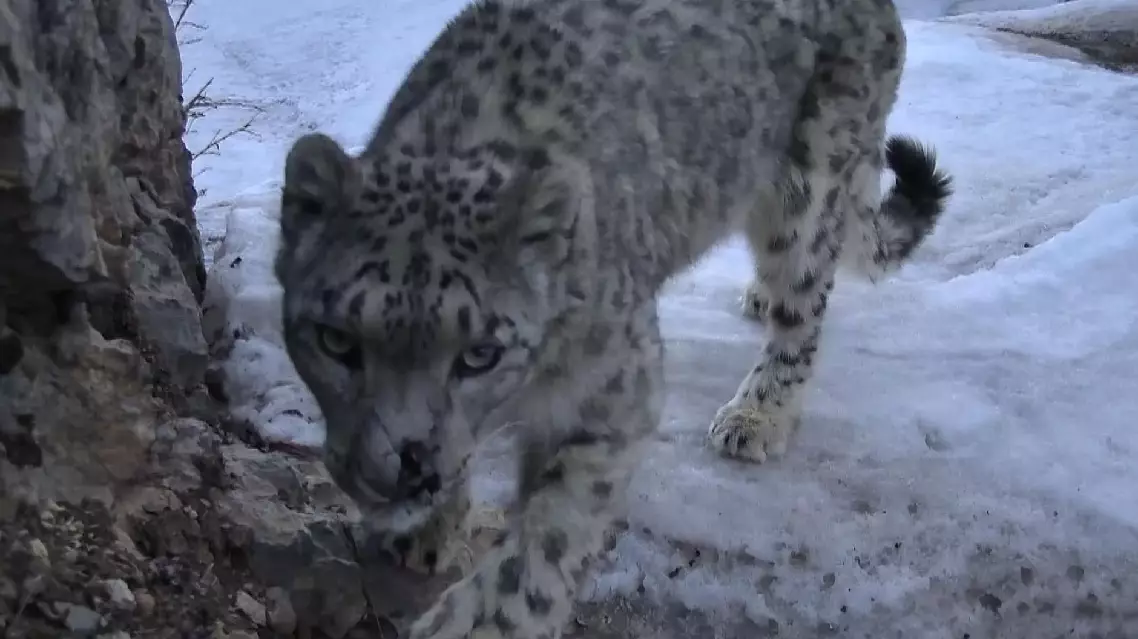
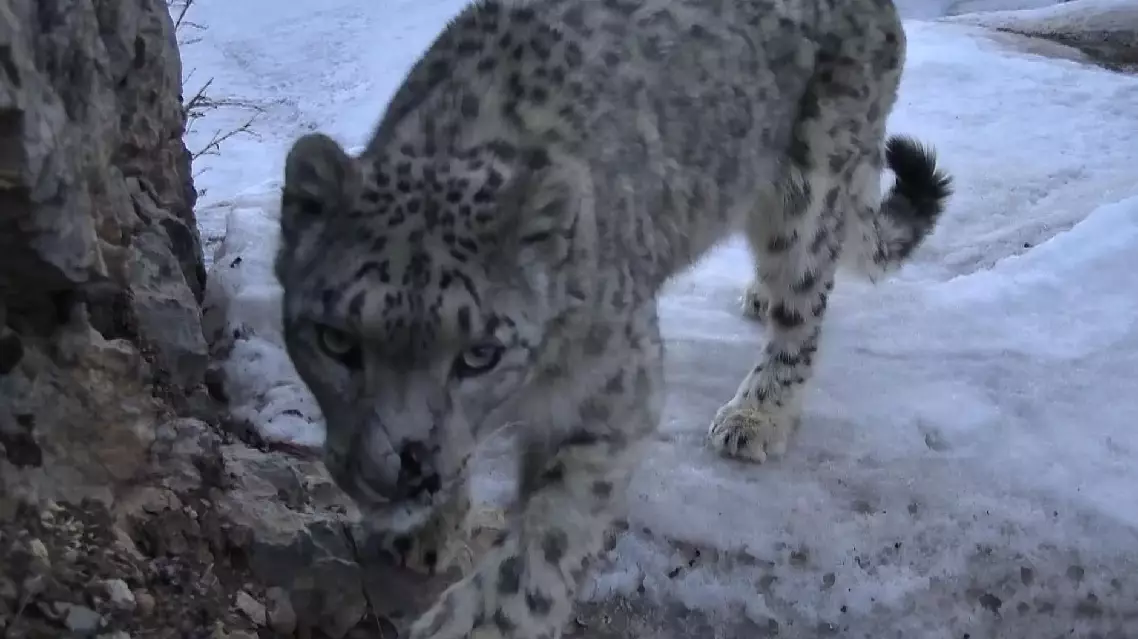
A snow leopard, a wild species under China's national first-class protection, was caught with her cub by an infrared camera in the Gahai-Zecha National Nature Reserve in northwest China's Gansu Province.

In the footage collected recently by the nature reserve staff, the two snow leopards are strolling leisurely through the snow in single file. The curious mother approached the camera lens, followed by her cub, estimated to be about one year old, who sniffed at the device.

These are the first such images ever recorded in this conservation area since the reserve initiated snow leopard monitoring in 2018, offering scientists never-before-seen insights into how these endangered cats live and raise their young in this region.

Snow leopards are listed as vulnerable by the International Union for Conservation of Nature.

In recent years, the Gahai-Zecha National Nature Reserve has intensified efforts in biodiversity conservation. Through measures including optimizing eco-environment monitoring network systems and conducting public awareness campaigns, the reserve has created favorable habitats for snow leopards and their prey, significantly enhancing the stability of its ecosystem.

The latest data from the National Forest and Grassland Administration indicates the sustained growth of China's snow leopard population, with the number of monitored individuals exceeding 1,200.
Rare snow leopards caught on camera in northwest China
Rare snow leopards caught on camera in northwest China


Rare snow leopards caught on camera in northwest China

Rare snow leopards caught on camera in northwest China

The World Bank predicted Tuesday that energy prices may surge 24 percent in 2026 to their highest level since the Russia-Ukraine conflict erupted in 2022 due to the war in the Middle East, while overall commodity prices are projected to increase 16 percent.

In its latest Commodity Markets Outlook released on Tuesday, the World Bank said that attacks on energy infrastructure and shipping disruptions in the Strait of Hormuz, which handles about 35 percent of global seaborne crude oil trade, have triggered the largest oil supply shock on record, with an initial reduction in global oil supply of about 10 million barrels per day.

Fertilizer prices are projected to increase by 31 percent in 2026, driven by a 60-percent jump in urea prices, while prices for base metals, including aluminum, copper and tin, are expected to reach all-time highs.

Precious metals prices are forecast to increase 42 percent as geopolitical uncertainty fuels demand for safe-haven assets.

Commodity prices could rise even higher if hostilities escalate or supply disruptions from the Iran war last longer than projected, the report said.

Indermit Gill, the World Bank Group's chief economist and senior vice president for Development Economics, said the war is hitting the global economy in cumulative waves, warning that poorer populations will be hardest hit.

World Bank forecasts 24-pct surge in energy prices in 2026

World Bank forecasts 24-pct surge in energy prices in 2026

Recommended Articles