Bryan Kohberger pleaded guilty Wednesday to murder in the fatal stabbing of four University of Idaho students in 2022.
He agreed to the plea deal just weeks before his trial was to begin to avoid the death penalty, which prosecutors had said they intended to pursue.
Click to Gallery
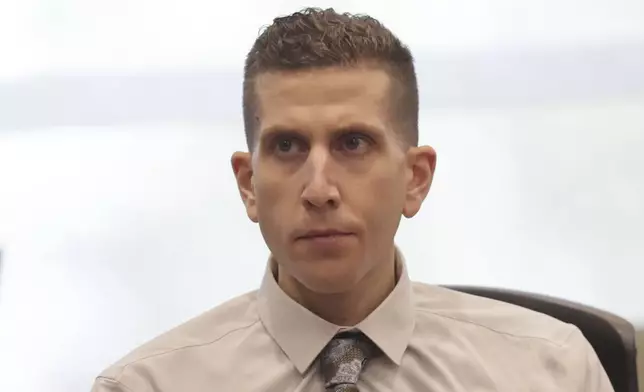
Bryan Kohberger, charged in the murders of four University of Idaho students, appears at the Ada County Courthouse, Wednesday, July 2, 2025, in Boise, Idaho. (AP Photo/Kyle Green, Pool)
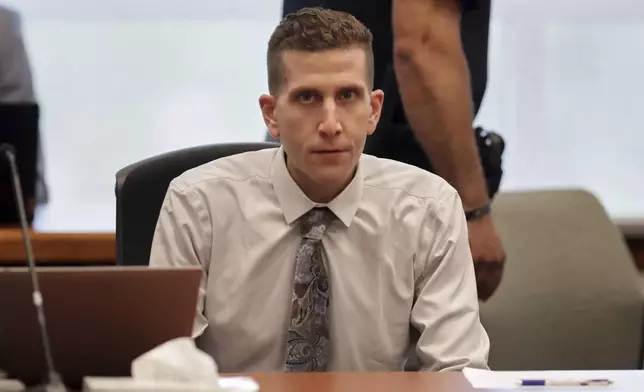
Bryan Kohberger, charged in the murders of four University of Idaho students, appears at the Ada County Courthouse, Wednesday, July 2, 2025, in Boise, Idaho. (AP Photo/Kyle Green, Pool)
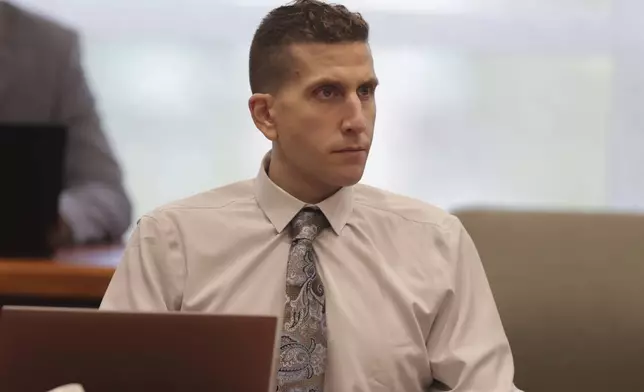
Bryan Kohberger, charged in the murders of four University of Idaho students, appears at the Ada County Courthouse, Wednesday, July 2, 2025, in Boise, Idaho. (AP Photo/Kyle Green, Pool)
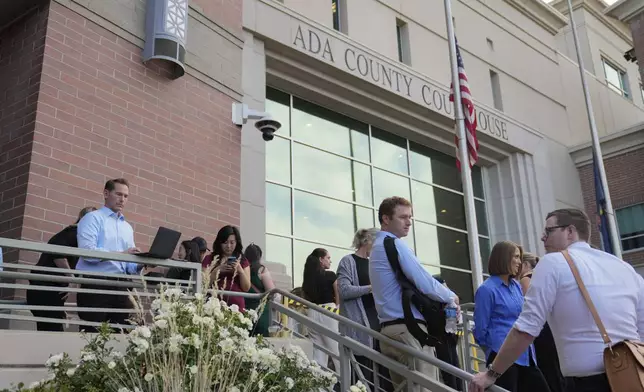
People wait in line to get seats for the Bryan Kohberger plea deal hearing outside the Ada County Courthouse on Wednesday, July 2, 2025, in Boise, Idaho. (AP Photo/Jenny Kane)
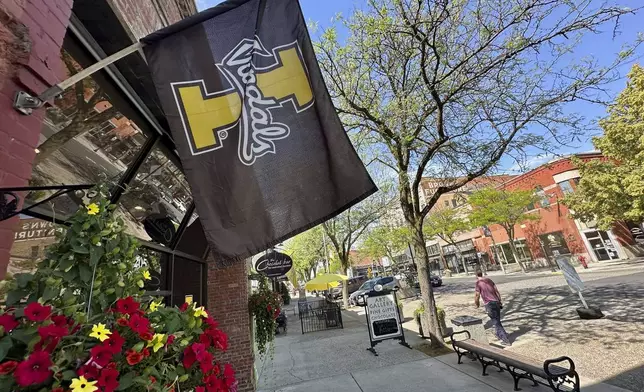
A University of Idaho flag hangs from a storefront in downtown Moscow, Idaho, on Tuesday, July 1, 2025. (AP Photos/Manuel Valdes)

FILE - A flyer seeking information about the killings of four University of Idaho students who were found dead is displayed on a table along with buttons and bracelets on Nov. 30, 2022, during a vigil in memory of the victims in Moscow, Idaho. (AP Photo/Ted S. Warren, File)
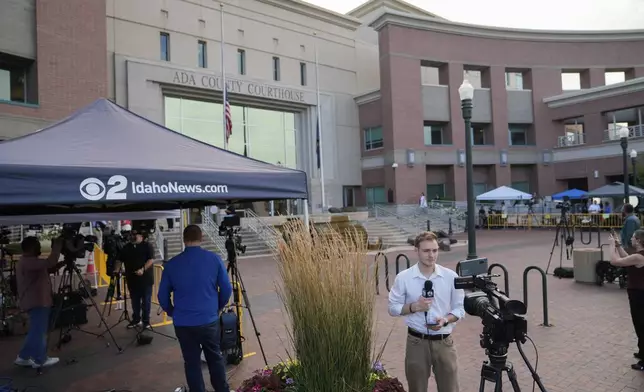
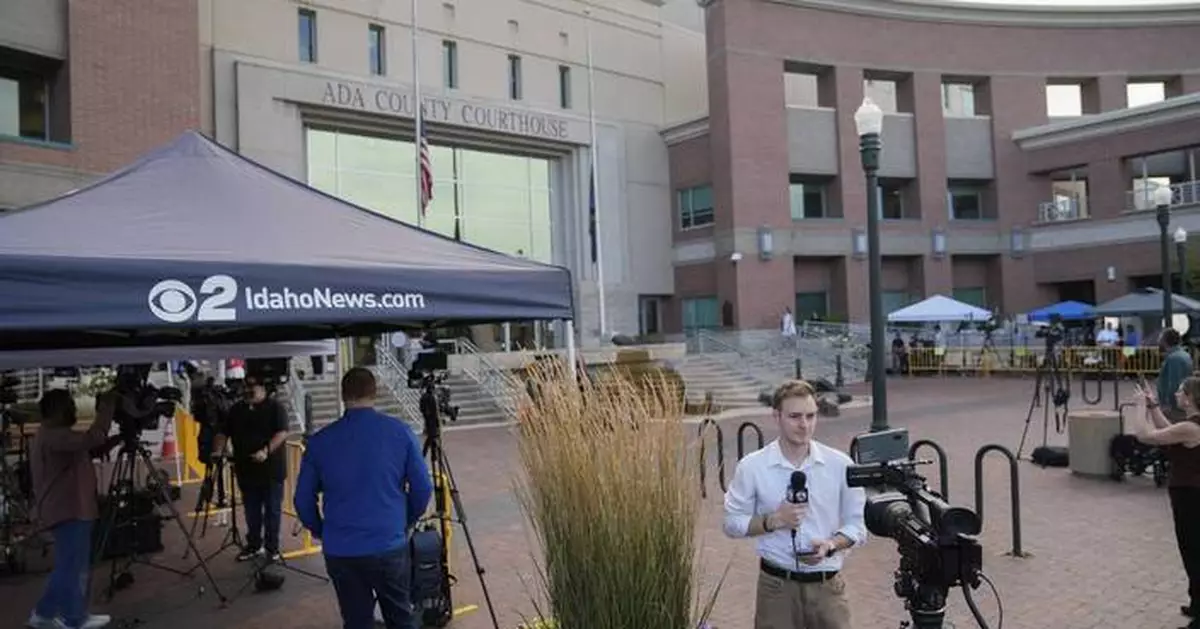
Members of the media stand outside the Ada County Courthouse for the Bryan Kohberger plea deal hearing on Wednesday, July 2, 2025, in Boise, Idaho. (AP Photo/Jenny Kane)
Kohberger, 30, was charged with killing Kaylee Goncalves, Ethan Chapin, Xana Kernodle and Madison Mogen at a rental home near campus in Moscow, Idaho, on Nov. 13, 2022. The northern Idaho farming community of about 25,000 people was rocked by the killings and hadn’t seen a homicide in about five years.
Here’s the latest:
After hours of waiting, preparing, and then reporting on Kohberger’s guilty plea, the rush for the reporters was over.
The cameras around the microphones outside the courthouse were broken down, packed into cases.
Reporters retreated from the heavy heat to tents that had been erected throughout the night and created a small city of cameras and equipment.
Leander James, an attorney for the parents of Madison Mogen, addressed the large press pool standing outside the courthouse on Wednesday.
Reading a statement from Mogen’s mother and stepfather, James said, “We support the plea agreement 100%.”
In the days leading up to the plea hearing, the family of Kaylee Goncalves blasted the plea deal, and said they were firmly against it.
“While we know there are some who do not support it, we ask that they respect our belief that this is the best outcome for the victims, their families and the state of Idaho,” the statement read.
The statement continued: “We now embark on a new path. We embark on a path of hope and healing.”
In the months leading up to the murders, Kohberger’s cellphone connected to a cell tower in the area approximately 23 times, mostly at night, the prosecutor said.
Thompson said that Kohberger’s apartment and office were scrubbed clean when investigators searched them, and his car had been “pretty much disassembled internally.” He also changed his car registration to Washington State after the four killings, Thompson said.
FBI agents were able to collect DNA samples from the trash outside of Kohberger’s parent’s house, where he was living at the time. Investigators determined that DNA left on a Q-Tip belonged to the father of the person who left DNA on the knife sheath found at the crime scene.
“The defendant has studied crime,” Thompson said. “In fact, he did a detailed paper on crime scene processing when he was working on his Ph.D., and he had that knowledge skillset.”
They left behind tissue boxes and crumpled tissues.
A clump of microphones, set up for the families or their attorneys to comment outside the courthouse, sat vacant in the hot sun half an hour after the hearing by ended.
Reporters mingled as about 25 cameras trained on the microphones. It was not clear whether anyone was going to speak to the group.
Kaylee Goncalves’ father, Steve Goncalves, left the courthouse shortly after arriving on Wednesday, before Kohberger entered the courtroom.
He appeared frustrated.
“I’m just getting out of this zoo,” Goncalves said in a video posted on X. The Gonclaves family had previously said in a Facebook post that they were “beyond furious at the State of Idaho” for offering Kohberger a plea.
As he walked out of the courthouse on Wednesday, he told a reporter that the rest of the Goncalves family felt it was important to be in the courtroom, but that he had no plans on going back.
As Kohberger pleaded guilty, some of the victims’ loved ones looked down while others craned to see him.
The judge will sentence Kohberger at 9 a.m. on July 23.
Documents in the court file won’t be unsealed until after sentencing.
Prosecutor Bill Thompson mapped out how police were able to map Kohberger’s movements using data from his cellphone, and provided a precise timeline of the stabbings.
Kohberger slipped through the sliding back door where the four victims were staying, Thompson said. He first killed Madison Mogen.
He then killed Kaylee Goncalves. Kohberger stabbed Xana Kernodle, who was collecting a DoorDash order, as he was leaving Goncalves’ room. He also killed Kernodle’s boyfriend, Ethan Chapin, who was asleep in bed, with a long-blade knife.
Kohberger left a sheath from his knife in Mogen’s room. Thompson emphasized that there was a “single source” of male DNA that matched Kohberger’s left on the sheath.
The prosecutor said he wanted to emphasize that point so that members of the public would not speculate about whether there was a sexual component to the crimes.
The hearing is ongoing and the admission is not the formal plea.
As the judge read the names of those Kohberger is accused of killing, people in the section for families teared up.
One wiped their eyes with the back of their hand. Others cried into their tissues.
Kohberger remained unemotional as he confirmed to the judge that he stabbed the four victims almost three years ago.
Judge Hippler addressed Kohberger, wearing a gray shirt and dark tie, directly to explain the possible penalties to the crime that he is set to plead guilty to.
Kohberger confirmed to the judge that he was pleading guilty” freely and voluntarily” because he was, in fact, guilty, and not because he had some other incentive.
The families maintained stoic expressions across the courtroom from Kohberger as he gave his short, affirmative answers to the judge.
The judge wasted no time to address the controversy around the decision to offer Kohberger a plea to avoid the death penalty -- a decision that one victim’s family has vehemently opposed.
“This court cannot require the prosecutor to seek the death penalty, nor would it be appropriate for this court to do that,” Hippler said.
He also addressed criticisms that the families were not given time to weigh in on the plea deal.
“I, like everyone else, learned of this plea agreement Monday afternoon and had no inkling of it beforehand. Once I learned of the defendant’s decision to change his plea in this case it was important that I take the plea as soon as possible.”
Judge Steven Hippler said his court received numerous emails and phone messages ahead of the hearing, during which Hippler can accept or reject the plea agreement.
He said the efforts by members of the public were inappropriate and also said that no external opinions would influence his decision.
“Court is not supposed to, and this court will never, take into account public sentiment in making an opinion regarding its judicial decisions in cases. I always will make decisions based on where the facts and the law lead me, period,” the judge said.
Kohberger watched without reaction as the judge issued his warning.
They waited with somber, quiet expressions.
At least 100 people were in attendance in the courtroom, and nearly 12,000 people tuned in to watch a livestream of the proceeding.
About an hour before Kohberger was set to plead guilty, the family of Ethan Chapin, a 20-year-old freshman killed that night, walked into the courthouse.
Ethan’s mother, Stacy Chapin, and father, Jim Chapin, support the plea deal, their spokesperson said Tuesday.
Family members of the other slain students, including relatives of victim Kaylee Goncalves, began filing in afterward.
▶ More about the victims
Long before the sun rose on Wednesday morning, television reporters from across the country quietly set up cameras outside the courthouse in Boise, Idaho, sipping energy drinks and greeting one another.
Reporters and true crime enthusiasts seeking a place in the courtroom began to trickle in as early as 2 a.m. MT — nine hours before the hearing would actually begin.
The group grew to some 40 people by 8 a.m., when they were let into the building, chattering about the case.
The hearing is set to begin at 11 a.m. local time.
This item has been corrected to show that the hearing is scheduled to start at 11 a.m. local time, not 11 p.m.
The family of Kaylee Goncalves says it opposes any deal that would take the death penalty off the table. Prosecutors stressed in a letter to victims’ families, obtained by ABC News, that they had met with available family members last week before extending the offer.
Idaho, among other states, guarantees crime victims the right to communicate with prosecutors. This right largely means being kept informed and participating as a case proceeds — but it does not give victims or their families the final say in how prosecutors try a case or whether they can offer or approve a plea agreement.
There is no appeals process for victims or families who disagree with a prosecutor’s decision, but that doesn’t mean there isn’t recourse if a victim believes their rights have been violated.
Moscow resident Luke Brunaugh, who said he lives less than a mile from where the killings happened, didn’t like that a deal would mean the death penalty option would go away, saying that should be the punishment for murder.
“I think it’s just unfair to the families,” said Brunaugh. “It allows him to hide. He never had to really go to trial. He is answering to his crimes, but not to the fullest extent in my opinion.”
Heidi Barnett said she felt trepidation when her son chose the University of Idaho as his college three years ago. Visiting him in Moscow on Tuesday, Barnett said a long trial would have been very emotional for the families.
“I would think life in prison sometimes would be harder, so I kind of looked at it that way,” she said. “I’m not the parent, but I would be happy with that.”
His attorneys tried to bar prosecutors from seeking the death penalty on an array of grounds — that it would violate standards of decency or flout international law, that prosecutors had failed to provide evidence properly, that their client’s autism diagnosis reduced any possible culpability.
They challenged the legitimacy of DNA evidence and sought permission to suggest to a jury that someone else committed the crime.
None of it worked, so they turned to a final option: a plea deal to avoid execution.
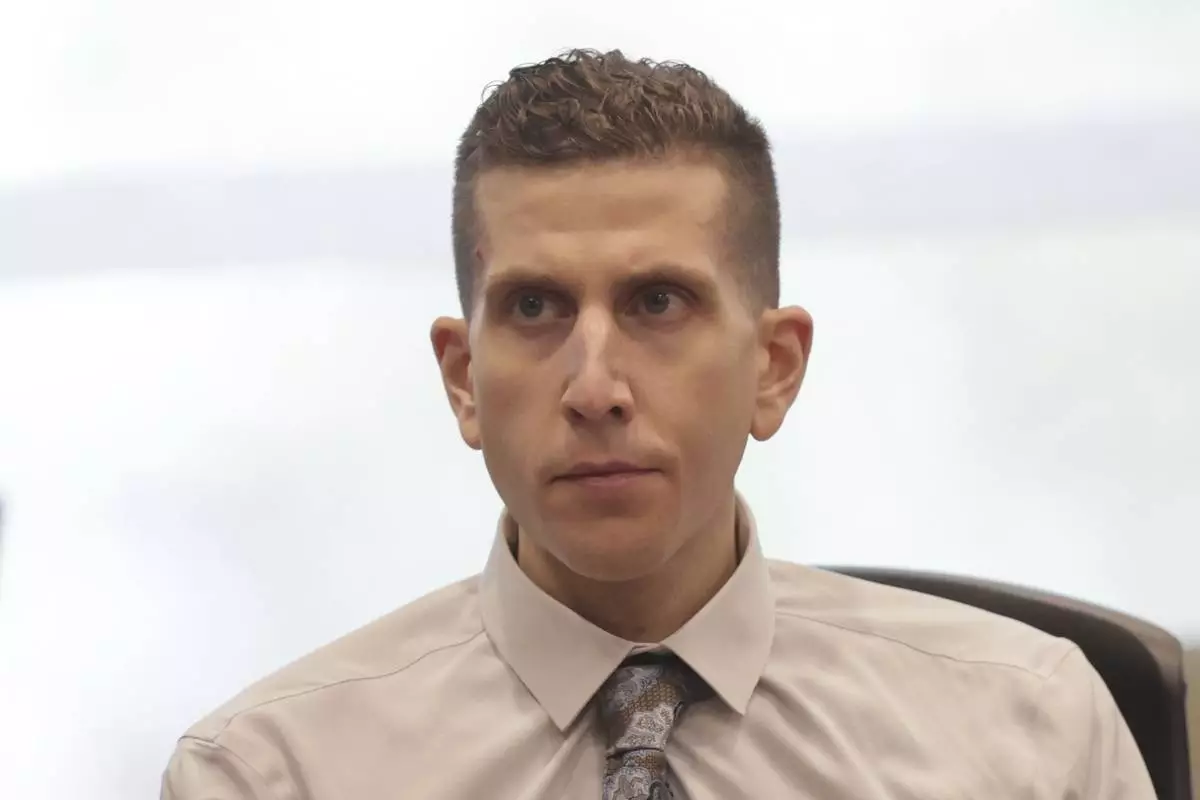
Bryan Kohberger, charged in the murders of four University of Idaho students, appears at the Ada County Courthouse, Wednesday, July 2, 2025, in Boise, Idaho. (AP Photo/Kyle Green, Pool)
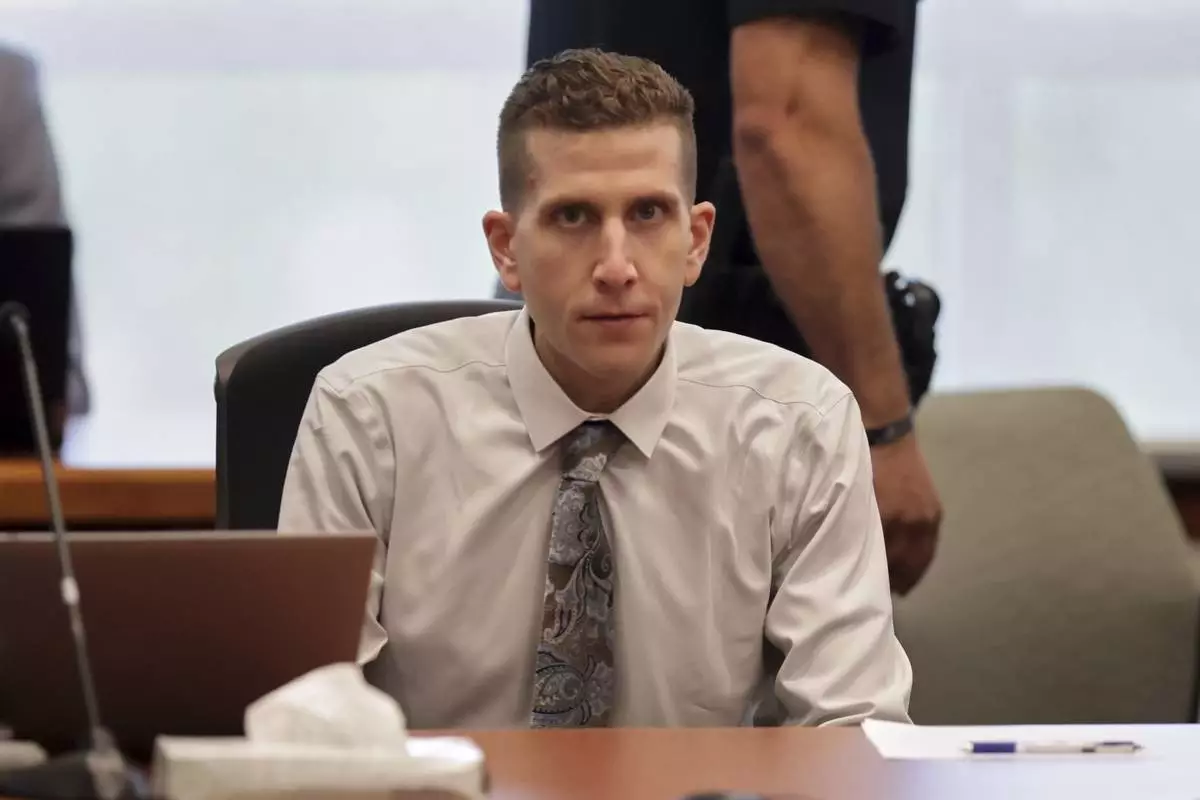
Bryan Kohberger, charged in the murders of four University of Idaho students, appears at the Ada County Courthouse, Wednesday, July 2, 2025, in Boise, Idaho. (AP Photo/Kyle Green, Pool)
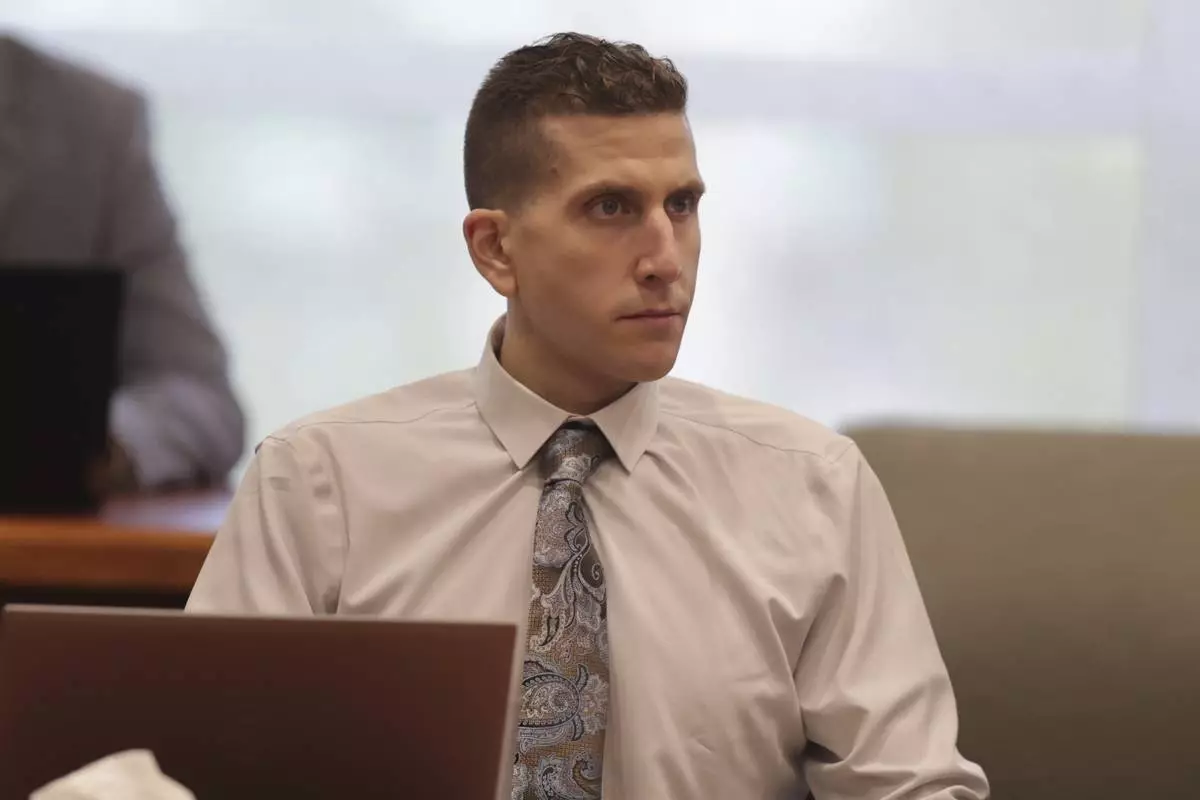
Bryan Kohberger, charged in the murders of four University of Idaho students, appears at the Ada County Courthouse, Wednesday, July 2, 2025, in Boise, Idaho. (AP Photo/Kyle Green, Pool)
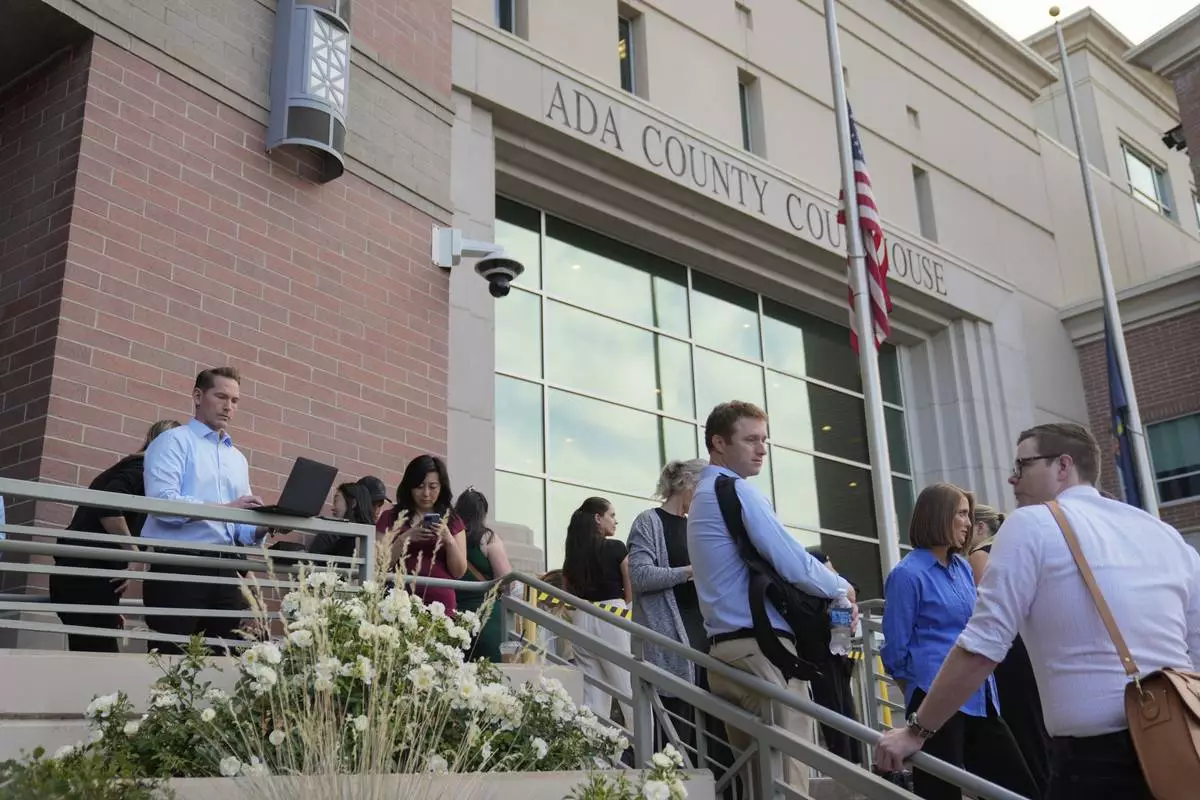
People wait in line to get seats for the Bryan Kohberger plea deal hearing outside the Ada County Courthouse on Wednesday, July 2, 2025, in Boise, Idaho. (AP Photo/Jenny Kane)
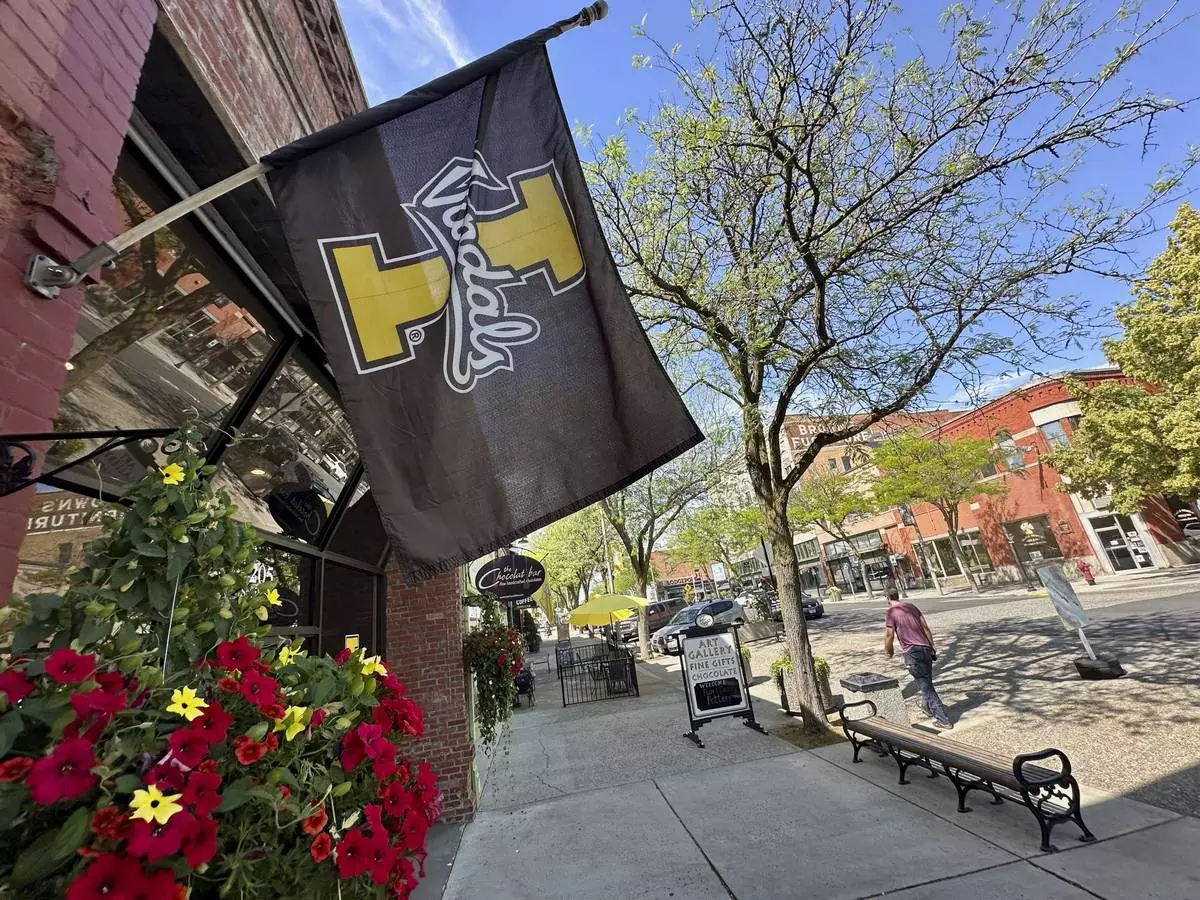
A University of Idaho flag hangs from a storefront in downtown Moscow, Idaho, on Tuesday, July 1, 2025. (AP Photos/Manuel Valdes)

FILE - A flyer seeking information about the killings of four University of Idaho students who were found dead is displayed on a table along with buttons and bracelets on Nov. 30, 2022, during a vigil in memory of the victims in Moscow, Idaho. (AP Photo/Ted S. Warren, File)
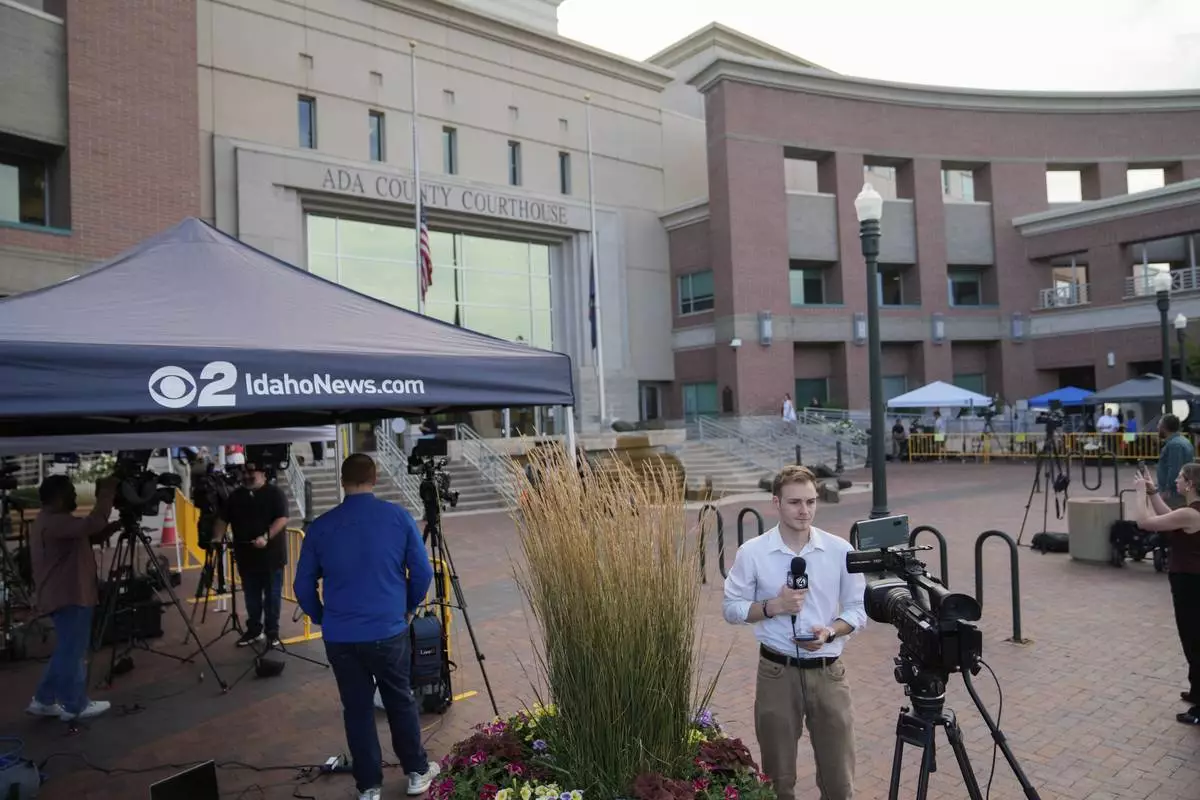
Members of the media stand outside the Ada County Courthouse for the Bryan Kohberger plea deal hearing on Wednesday, July 2, 2025, in Boise, Idaho. (AP Photo/Jenny Kane)