A scorching heatwave has descended upon the Gaza Strip, exacerbating the humanitarian crisis for over 1.7 million displaced Palestinians already struggling with severe shortages of basic supplies and medical care.
Medical workers report alarming deteriorations in patients' conditions as high temperatures grip the crowded tent settlements where displaced families shelter. The extreme conditions prove particularly dangerous for thousands requiring ongoing medical treatment.
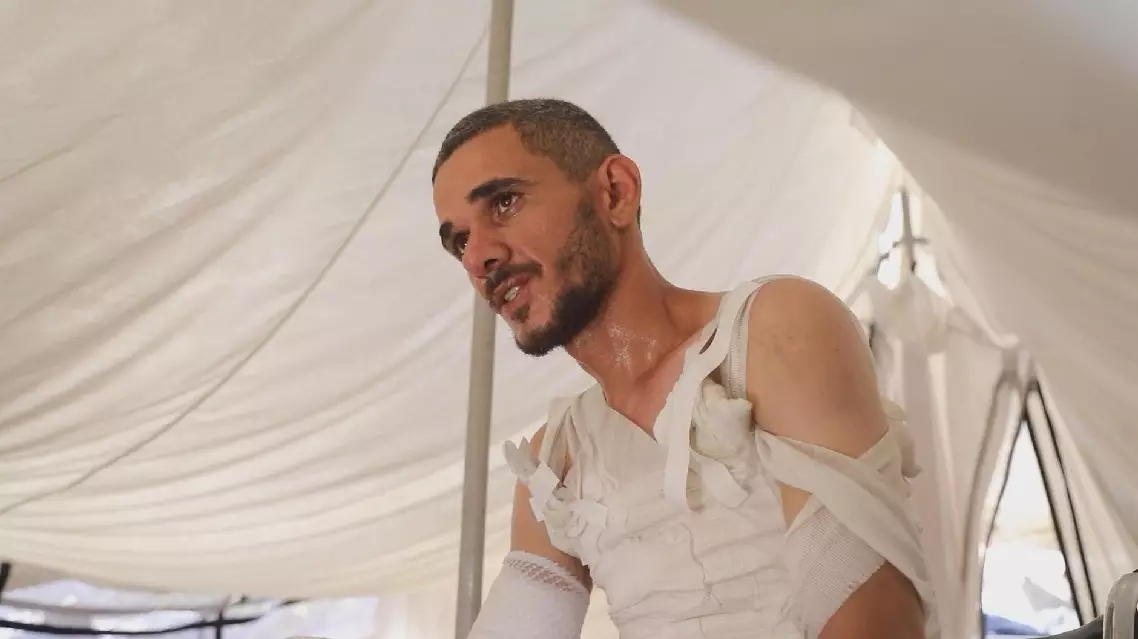
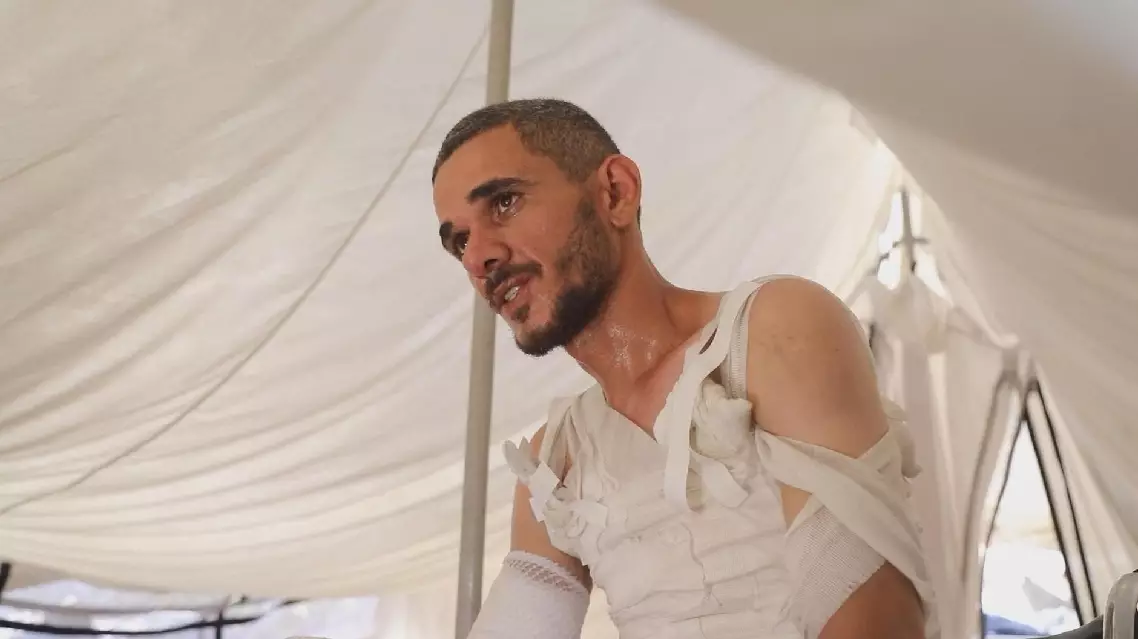
Mohammed Al-Mamlouka is one of the injured whose suffering goes far beyond pain. During dressing changes at the clinic, his agony resurfaces daily due to the shortage of painkillers and medical supplies. Each treatment session becomes a painful ordeal.
"The pain from the summer heat is unbearable. If it was the winter I would not feel the pain, I could just sleep after taking my medication. Now I need a higher dose, but the hospitals don't have it. It's a really tough situation, don't even have a fan. We're suffering from a lack of care in this tent, it's no place for a patient," said Mohammed.
Ahmad Awad is another wounded man who underwent surgery after a severe injury to his foot. But recovery in these conditions feels nearly impossible. Life in a simple tent leaves no room for healing, and sleep becomes a luxury.
"I feel extreme heat in my feet, sometimes I scratch them to the point of tearing my skin, just to relieve the pain. The tent is incredibly hot, and as you can see, it barely fits me and my children," Ahmad said.
The medical staff face enormous challenges amid the lack of supplies and infrastructure. Burn injuries require intensive care for months, but facilities are strained beyond capacity.
"The summer heat delays burn healing, as the temperature worsens the injuries. We advise patients to avoid heat sources, but inside tents that's impossible. The heat and humidity cause sweat, that accelerates bacterial growth, which delays recovery. We're doing our best with what we have, but with the border closures, many essential tools are simply unavailable. We're doing our best with what we have," said Dr. Haya Salman, a doctor.
Doctors said that survival rates for burns covering 70 percent of the body can exceed 50 percent, but this figure has dropped significantly during the war due to the lack of specialized operating rooms, the absence of skin graft options, and the need to prioritize among patients.
Heat wave worsens suffering for Gaza's displaced
Heat wave worsens suffering for Gaza's displaced