The signing of a treaty between Britain and Germany cannot mask the deep-seated structural differences and practical constraints between Britain and the European Union, while also raising concerns about regional stability and security, said a German expert on Thursday.
British Prime Minister Keir Starmer and German Chancellor Friedrich Merz on Thursday signed a wide-ranging bilateral deal covering various areas including defense and migration, which is believed to be the most significant treaty between the two countries since the end of World War II.
The treaty includes security and defense items requiring the two countries to conduct joint military and training exercises, counter cyber threats and information warfare, and coordinate on arms export.
The treaty also pledges strengthening bilateral trade within the framework of European Union-Britain agreements and the commitment to free and open markets, as well as increasing employment and growing the number of high-quality jobs.
However, the structural differences in reality remain significant beyond the signed treaty, according to experts.
The UK has not yet returned to the EU single market and customs union, and institutional barriers such as border control and restricted movement of people still exist.
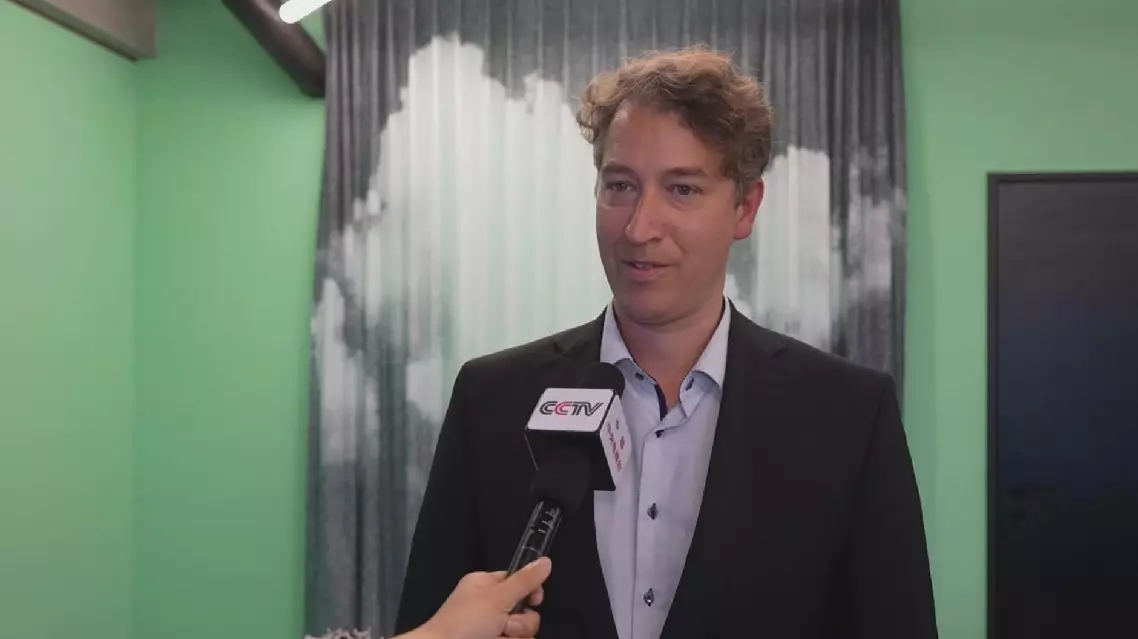
"After Brexit, the institutional barriers between the UK and Europe have been more prominent. In the economic field alone, the bilateral trade since Brexit has plummeted 40 percent. Therefore, the outside world is not optimistic that this meeting can bring about major changes. I think it is more of a symbolic meeting," said Simon Zeise, a economic editor of Berliner Zeitung.
The treaty, which emphasizes security and defense cooperation, has raised concerns in parts of Germany, with Zeise warning that it many heighten military tensions in the region.
"From the British statement, the 'friendship treaty' that sounds grand and shows solidarity is essentially a large-scale arms cooperation program, which will have a profound impact on and change the overall situation of security policies. It means that the two countries will add billions of euros in military spending in the long term and continue to fuel the Russia-Ukraine conflict," he said.
Major differences still exist despite treaty signed between Germany, UK: expert
Major differences still exist despite treaty signed between Germany, UK: expert
Major differences still exist despite treaty signed between Germany, UK: expert
From cutting-edge technology exhibitions to retail stores thousands of kilometers away from Europe and Southeast Asia, China-made robot vacuum cleaners are increasingly becoming a popular choice among consumers worldwide.
At electronics retailers in Berlin, Germany, Chinese brands such as Roborock and Dreame occupy prominent positions in dedicated robot vacuum sections, offering a wide range of products priced between 200 and 2,000 euros.
Many local consumers said that when purchasing smart home appliances including robot vacuum cleaners, they tend to give priority to Chinese-made products.
"It's a good price and good quality. It's also the innovation. I have a feeling that the European brands are not innovating enough," said one customer.
"I think they're always on top of the other technologies. They are getting them out faster. A lot of us are switching to the Chinese technology," another consumer said.
Germany is one of the most important overseas markets for China's floor-cleaning robots.
According to data from market research firm GfK, from January to November 2025, more than six out of 10 robot vacuum cleaners sold in Western Europe were Chinese brands.
Industry data also point to a strong global momentum.
According to the International Data Corporation (IDC), global shipments of smart robot vacuum cleaners reached 17.424 million units in the first three quarters of 2025, representing a year-on-year increase of 18.7 percent.
Chinese brands including Roborock, Ecovacs, Dreame, Xiaomi and Narwal ranked among the world's top five in terms of shipment volume, with a combined share of nearly 70 percent of the global market.
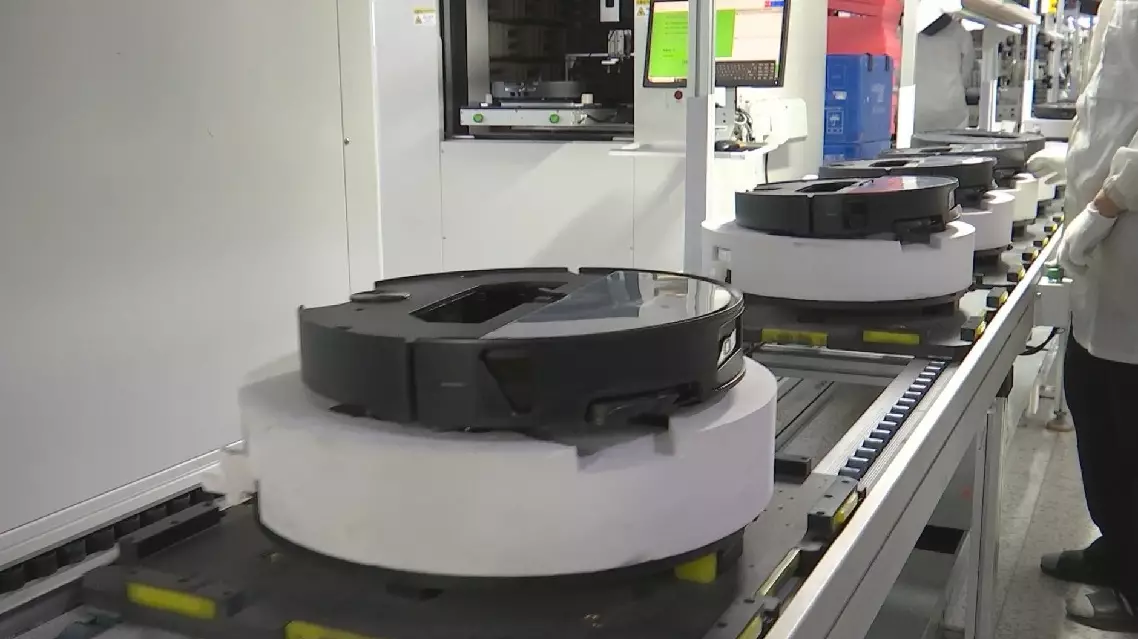
At a robot vacuum cleaner manufacturing plant in Huizhou, south China's Guangdong Province, workers were seen stepping up production of newly launched models that recently debuted at the Consumer Electronics Show in the United States, which concluded Friday in Las Vegas, Nevada.
The factory adjusted its production lines as early as December 2025 and stocked inventory in advance for overseas markets to ensure that new products could be delivered to global consumers at the earliest possible time.
"In 2025, Roborock's global shipments exceeded 7.2 million units. Since 2024, overseas revenue has accounted for more than 50 percent of our total revenue. Our products have now been sold to more than 170 countries and regions, serving more than 20 million households worldwide," said Quan Gang, president of Roborock.
At another robot vacuum cleaner manufacturing facility in Dongguan, Guangdong, rising overseas orders have prompted the company to upgrade its production lines with intelligent technologies to further boost capacity. The factory is currently operating at full load to meet a growing demand.
"For 2026, we have already obtained overseas orders worth at least 300 million to 400 million yuan (around 43 million to 57.3 million U.S. dollars). In addition, we've engaged in strategic cooperation with European home appliance group Cebos Group, and our total confirmed orders have exceeded 600 million yuan (around 86 million U.S. dollars)," said Zhang Junbin, founder and CEO of Narwal Robotics.
Chinese robot vacuum brands gain strong global traction