China's path of urbanization provides important message to other countries that are undergoing urban transformation, particularly in Africa, said Anaclaudia Rossbach, executive director of the United Nations Human Settlements Program (U.N.-Habitat).
In an interview with China Media Group (CMG) released on Friday, Rossbach highly commented on China's approach to urban development which prioritizes not only poverty reduction but also access to essential services and a high quality of life.
"China was able to lift 800 million out of poverty and then go into a path of urbanization. I think this is a critical message, especially if you look at countries in Africa. The importance of cities to overcome poverty is critical. So I think we should note that housing people and housing people in cities where people can have access to education, to jobs, to opportunities, where people can have access to health services and stay healthy. So this is one critical information that we should work on and should be part of the narrative," Rossbach said.
Beyond just providing housing, she stressed the importance of creating well-planned urban environments that foster social harmony.
"And then [it's] not only lifting people out of poverty, but also the idea of providing territories, providing spaces where people can live in a harmonious way with each other, enjoy the proximity of services, enjoy the proximity to cultural, leisure, sports [facilities], enjoy the public spaces, enjoy the green spaces and this harmony with nature that we spoke before," she added.
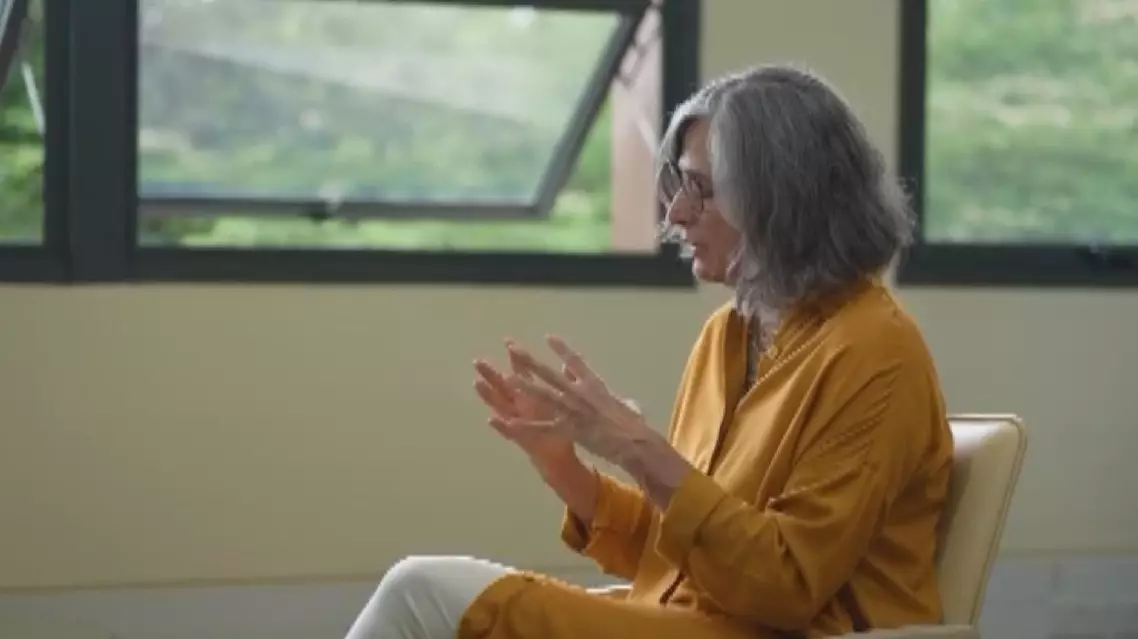
China's path of urbanization worth learning from for other countries: U.N.-Habitat chief
Chinese Foreign Minister Wang Yi said on Thursday that both the United States and Iran have the willingness to resume negotiations, and the international community should encourage both sides to return to the negotiating table and seek effective ways for a political settlement.
China and Canada can jointly play a constructive role in this regard, said Wang, also a member of the Political Bureau of the Communist Party of China Central Committee, in a phone conversation with Canadian Foreign Minister Anita Anand at the latter's request.
Anand briefed Wang on Canada's position regarding the situation in the Middle East, noting that Canada is committed to protecting civilians in the conflict, promoting de-escalation of the situation, preventing the spillover of the conflict, and reducing its impact on the global economy as well as industrial and supply chains.
The Iranian nuclear issue bears on the international nuclear non-proliferation regime, and ensuring the safe passage through the Strait of Hormuz is in the common interests of all parties, Anand said.
Canada stands ready to work with China to push for a ceasefire and promote regional peace and stability, she added.
Wang elaborated on China's principled position, saying that the Iranian nuclear issue should be resolved through dialogue and should not be a reason for the use of force.
The abuse of force will only lead to grave repercussions, and the spillover of the war will threaten regional security and stability, he said.
The two sides also exchanged views on China-Canada relations and agreed that they should implement the outcomes of Prime Minister Mark Carney's visit to China with a positive and pragmatic attitude, resume dialogues at various levels, expand mutually beneficial cooperation, and push for the stable and healthy development of the China-Canada new strategic partnership.
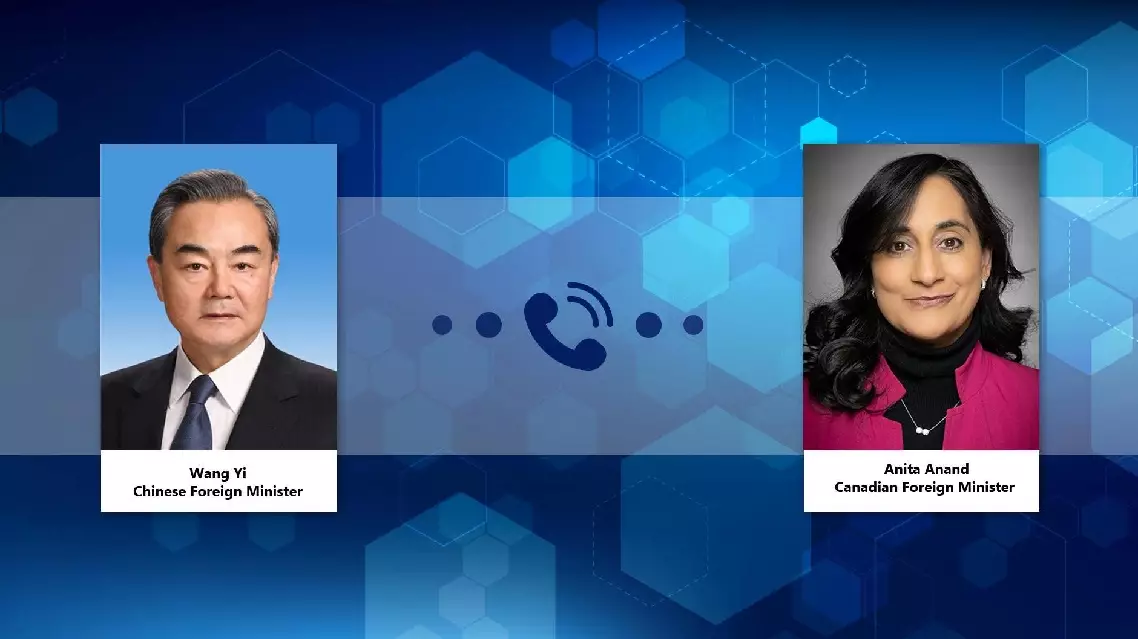
U.S., Iran should be encouraged to return to negotiating table for political settlement: Chinese FM
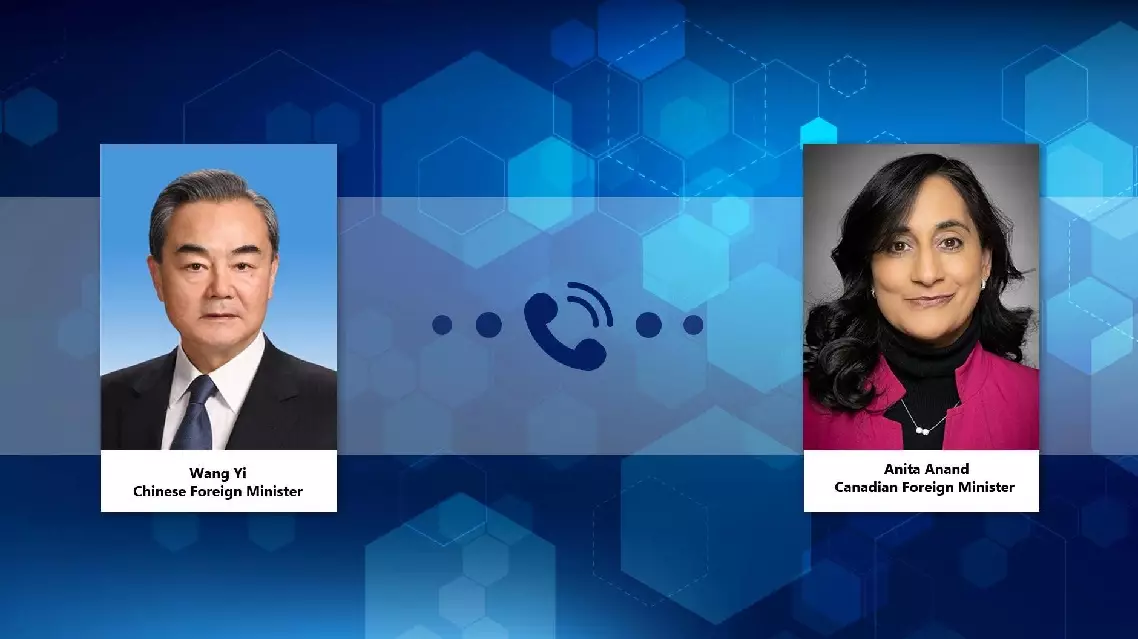
U.S., Iran should be encouraged to return to negotiating table for political settlement: Chinese FM
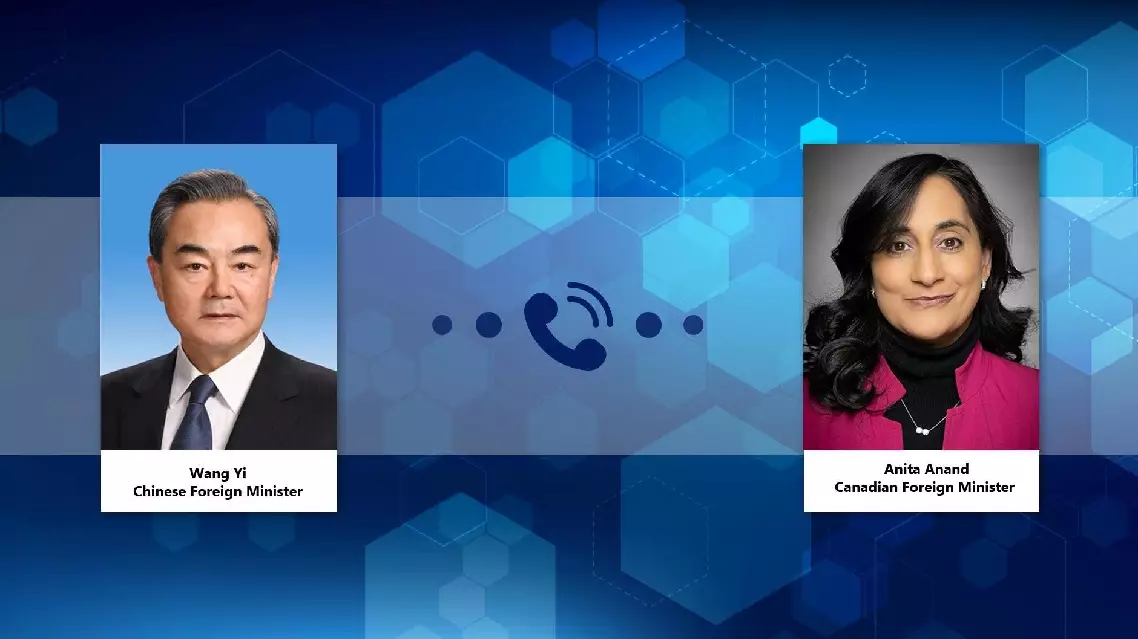
U.S., Iran should be encouraged to return to negotiating table for political settlement: Chinese FM